REVIEW · LEH
8 Days Markha Valley Trek: Shared Tour with Meals Included
Book on Viator →Operated by Travel With Susmita · Bookable on Viator
High passes start in Leh. This 8-day Markha Valley trek from Leh mixes guided trekking with hands-on acclimatization so the altitude feels earned, not random. You’ll also get a smooth orientation day in Ladakh city, with stops like Thiksey, Stakna Monastery, Leh Palace, Shanti Stupa, and Leh Market before you start walking high.
I like that this trip handles the practical stuff: meals are included (breakfasts, lunches, and dinners) and there’s a support system carrying camping gear and one bag per client. One consideration: monastery and monument entry isn’t included (plan on about $20 per person), so your total cost may be a bit higher once you start ticking off sites.
In This Review
- Key highlights worth your attention
- Leh first: turning down the stress before you hike
- Getting from city walks to trek rhythm in Chilling
- Day 4: Sara to Markha Village and the start of real trekking
- Day 5: Markha to Thachungtse, a 15 km test that teaches pacing
- Day 6: Nimaling campground at 4900 m, where “moderate” gets real
- Day 7: Kongmaru La (5260 m) and Hemis Monastery’s cultural finish
- Day 8: Back in Leh and time to reset after the altitude work
- Price and logistics: what $1,298.86 really buys you
- What to pack (and why “personal” gear still matters)
- Who this trek suits best
- Should you book the 8-day Markha Valley trek from Leh?
- FAQ
- Where is the meeting point and when does pickup happen?
- How large is the group for this trek?
- What meals are included during the Markha Valley trek?
- Are permits and trekking requirements included?
- What important costs are not included in the price?
- What fitness level and age are required?
- What refund options do I have if weather is poor or I need to cancel?
Key highlights worth your attention
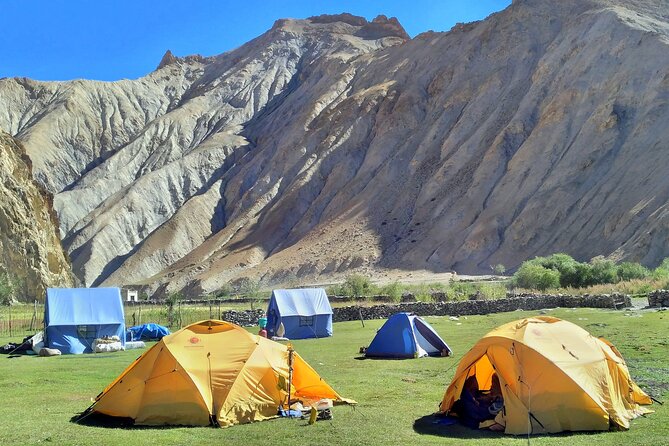
- Small group size (max 10) makes the pace feel more human and the planning easier for your guide
- Meals included across multiple days means fewer decisions and less back-and-forth during the trek
- Permits and environmental fees are covered, so you’re not chasing paperwork mid-trip
- Emergency oxygen and a first aid kit ride with the guide, which matters in high-altitude country
- One bag plus camping gear support keeps weight off your shoulders when you’re already working for altitude
- Kongmaru La Pass at 5260 m is the big summit day that defines this trek
Leh first: turning down the stress before you hike
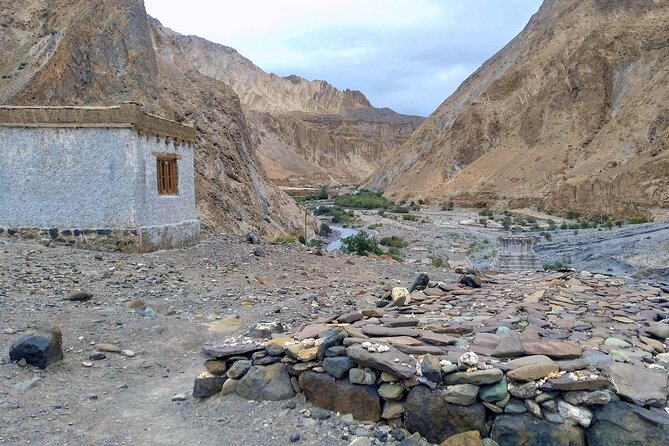
Most Markha Valley treks live or die by logistics, and this one starts by removing the noise. You fly into Kushok Bakula Rimpochee Airport (KBR), and the package includes airport pickup and drop, plus sightseeing transport by car or minivan. That matters because Leh altitude hits faster than you expect, and you want your first hours to be calm.
Day 1 is built for orientation. After landing, you’ll head into Leh and get settled, then you’ll spend the evening around Thiksey, a monastery complex outside the city. The plan is low-pressure: a stroll, a little local atmosphere, and a chance to meet your trekking guide at your hotel and go over what comes next.
By the end of Day 2, you’ve got the cultural side of Ladakh laid out clearly. You’ll visit Stakna Monastery on a hilltop, then move through the trio of Leh landmarks: Leh Palace (a 17th-century royal palace), Shanti Stupa (the white-domed stupa built in 1991), and Leh Market in the center of town. These stops aren’t just sightseeing checkmarks. They give you context for the region’s Buddhist culture and help you understand what you’re walking through when you later pass villages and monasteries along the trail.
You can also read our reviews of more tours and experiences in Leh.
Getting from city walks to trek rhythm in Chilling
On Day 3, the day has a reset feel. You’ll start with an early breakfast, then take a 2.5-hour drive along the Zanskar River to reach Chilling Village. That drive time is not random. It gives you a mental transition from city altitude and traffic to the steady pace of the mountains.
Then comes the trekking work. The schedule is about building rhythm without throwing you into a long, punishing day right away. You’ll be out for about 7 hours total, which helps if you’re new to high-elevation hiking or just want a slow ramp. Even if you’re fit, Leh-style altitude makes everyone slow at first. A warm-up day like this is often the difference between enjoying the trek and worrying you’ll fall behind.
Day 4: Sara to Markha Village and the start of real trekking
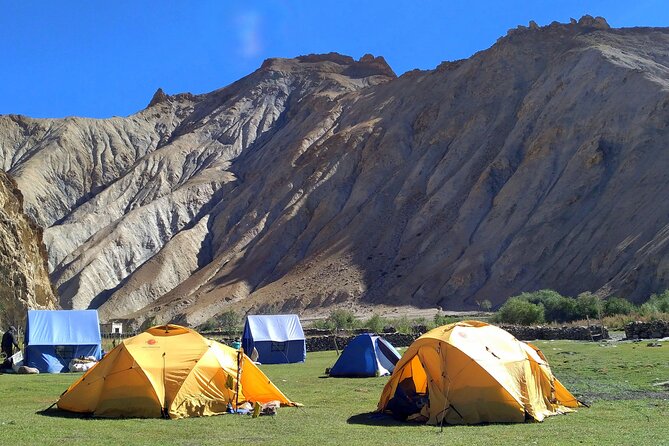
Day 4 moves you from “arriving” into “doing.” The trek runs from Sara toward Markha Village. Along the way, you’ll notice a traditional working system: pack horses being loaded with trekking gear. It’s a small detail, but it tells you a lot about how people live and move through this region.
This is also where the guided structure shows up. Your guide’s job isn’t only navigation. It’s pacing, timing, and making sure you’re not spending your energy at the wrong moments. The listed duration is around 4 hours, which is a useful length: long enough to feel you’ve joined the trail, not so long that you’re wrecked before the next segment.
If you like a trek that gradually builds effort, this day is a smart transition. If you’re expecting a day of constant views with zero rests, you might find it more practical than dramatic. Still, it sets up Markha Valley as a lived-in route, not a theme park.
Day 5: Markha to Thachungtse, a 15 km test that teaches pacing
Day 5 is the longest walk in the middle stretch: Markha to Thachungtse, listed at 15 km. It’s described as river walking with changing Himalayan scenery, and that’s exactly what makes this day valuable. You’re not just grinding up climbs. You’re learning how the valley moves, how the day shifts with elevation, and how to stay comfortable when the terrain isn’t always steep but is still demanding.
The schedule puts you out for about 7 hours. That length is where pacing becomes your real skill. In Ladakh, the challenge is rarely only the trail. It’s also breathing, hydration, and controlling how fast you go early. A well-run guided trek helps you avoid the common mistake: starting too hard because the first stretch feels easy.
One more practical note: since lunch is included and the trek is organized with permits and planning already handled, you can keep your attention on walking and letting the mountains do their job. You won’t be constantly checking schedules or figuring out meals.
Day 6: Nimaling campground at 4900 m, where “moderate” gets real
Day 6 is the kind of day that makes you respect the altitude. You’ll trek up to Nimaling, with the route climbing to about 4900 meters. The timing is about 4 to 5 hours and roughly 10 km, but the numbers matter less than how it feels.
At this height, even a steady pace can feel like work. If you’ve only hiked mountains closer to sea level or lower elevation, this is the day that teaches you the difference between fitness and altitude efficiency. This is also why the package includes a professional guide with acclimatization experience, and why emergency gear is listed: emergency oxygen and a first aid kit accompany the guide.
You’ll likely find this day the most “serious” stretch of the trek, not because it’s the longest on paper, but because it changes your breathing pattern and makes every rest stop feel meaningful.
Day 7: Kongmaru La (5260 m) and Hemis Monastery’s cultural finish
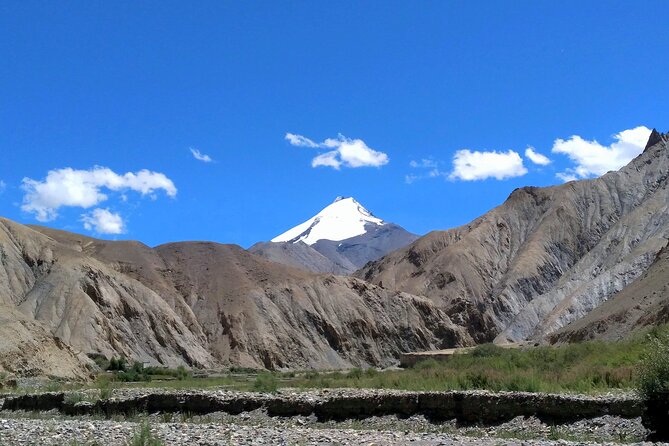
Day 7 is where the trip name comes alive. You’ll climb to Kongmaru La, listed as 5260 meters—the highest pass of the trek. The hike runs about 7 hours, and the ascent is described as both challenging and exhilarating. That’s accurate in a practical sense: it’s a day of effort, and then it’s a day of reward.
This is the day to keep your expectations realistic. The pass is high. You’re not supposed to race it. You’re supposed to reach it safely, in control, and with enough energy to enjoy what you earned.
Then you finish with a cultural anchor: Hemis Monastery. Hemis is known as a major Tibetan Buddhist monastery in Ladakh and is famous for its annual Hemis Festival and masked dances (the festival piece is noted as a reason for its reputation). The visit is about 3 hours. Admission for monasteries is not included, so plan for the extra entry cost here.
If you’re the kind of traveler who needs the trek to connect to place and people, the Hemis stop is a strong landing. It turns your hard day into something more than a mountain badge.
Day 8: Back in Leh and time to reset after the altitude work
Day 8 keeps it gentle. You’ll return to Leh for a reflective morning. After breakfast, you’ll have time to gather your thoughts, pack, and take a final stroll through Leh’s streets.
This last day matters more than it sounds. After reaching the pass and visiting Hemis, your body needs normal rhythms again. The package keeps you from over-scheduling. You’re not pushed into another long climb. You can also use the time to pick up last snacks, review photos, and get your bearings for your next leg of travel.
Price and logistics: what $1,298.86 really buys you
At $1,298.86 per person, this isn’t a budget trek. But you also aren’t paying just for walking. The value comes from bundling the parts that usually cost time or money later:
What you get included
- Airport pickup & drop, plus transport for sightseeing via car/minivan
- A professional guide with trekking and acclimatization experience
- Required trekking and other permits, including environmental fees
- A support system carrying camping gear and one bag per client
- Emergency oxygen cylinder and first aid kit with the guide
- Meals: breakfasts (7), lunches (6), and dinners (7)
- Parking fees
What costs extra
- Flights to and from Leh
- Travel insurance
- Monastery/monument entry (listed as about $20 per person)
- WiFi on board and restroom on board
- Airport/departure tax and landing/facility fees, plus fuel surcharge
So the question isn’t only whether the price is fair. It’s whether this package matches how you want to travel. If you prefer being handed a plan that covers permits, meals, and logistics, the cost starts to make sense. If you enjoy doing your own research and arranging gear and permits, you might be able to shave costs elsewhere—but you’ll also spend more time juggling details in a region where weather and altitude already create enough uncertainty.
For me, the best value pieces are the permits included, the meals, and the support system for your camping gear. Those are the parts that quietly determine whether the trek feels smooth or stressful.
What to pack (and why “personal” gear still matters)
The package provides a lot, but it still expects you to show up ready. Personal hiking and camping gear is recommended, and you’ll want to bring your own necessary medications and toiletries.
Also, pack for comfort. The trip suggests carrying personal favorites like snacks, chocolates, and non-alcoholic beverages during the trek. That advice is simple but smart. On high passes, you’re burning more calories than you expect, and having familiar snacks can keep energy steady on long walking days.
Practical packing tips based on what’s stated:
- Bring personal medications and plan for altitude needs yourself
- Bring your own toiletries
- Bring extra snacks and drinks for morale and energy
- Keep weight realistic since you only get support for one bag per client
Who this trek suits best
This is designed for people with moderate physical fitness who want a guided, organized experience rather than a self-led expedition. Minimum age is 18, and there’s a maximum of 10 travelers, which helps keep the group manageable.
It also fits well if you’re experienced in other sports but newer to trekking. One review highlights a rock climber who didn’t have trekking experience, and the key takeaway there is that structured guidance and acclimatization help first-timers tackle this kind of route. You still need to be honest about your stamina, but you won’t be thrown into it without support.
Should you book the 8-day Markha Valley trek from Leh?
I’d book it if you want:
- A guided Markha Valley trek that handles permits, meals, and key logistics
- A route with built-in acclimatization time (plus an emergency plan with oxygen)
- Small-group hiking up to Kongmaru La and a meaningful cultural finish at Hemis
I’d think twice if you:
- Don’t want to pay extra for monastery/monument entry (about $20 per person)
- Are looking for a fully self-directed itinerary where you control every detail
- Have fragile travel plans if weather shifts, since the experience requires good weather and can be rescheduled or refunded if canceled for poor conditions
If you’re ready to hike smart, not just hike hard, this is a very practical way to experience Ladakh on foot.
FAQ
Where is the meeting point and when does pickup happen?
The start is at Leh Airport in Leh, India. Pickup is listed during the opening hours from 9:00 AM to 10:00 AM (local time), with dates running from 05/01/2026 to 10/31/2026.
How large is the group for this trek?
The tour has a maximum of 10 travelers.
What meals are included during the Markha Valley trek?
The package includes breakfasts (7), lunches (6), and dinners (7).
Are permits and trekking requirements included?
Yes. The tour includes all required trekking and other permits, including environmental fees.
What important costs are not included in the price?
Flights to and from Leh, travel insurance, and monastery/monument entry are not included (monastery entry is listed as approximately $20 per person). WiFi on board and restroom on board are also not included, along with certain taxes and fees.
What fitness level and age are required?
You should have a moderate physical fitness level, and the minimum age is 18 years old.
What refund options do I have if weather is poor or I need to cancel?
The experience requires good weather. If it’s canceled due to poor weather, you’ll be offered a different date or a full refund. For cancellations, you can cancel up to 6 days in advance for a full refund, with partial refunds available for cancellations 2–6 days before start time.