REVIEW · ALICANTE
Alicante: Via Ferrata del Ponoig Guided Trek and Climb
Book on GetYourGuide →Operated by Jose Francisco Carbonell Oltra · Bookable on GetYourGuide
Climb metal stairs above Guadalest. Via Ferrata del Ponoig turns a steep cliff into a guided adventure, and I especially love the rock-wall practice that helps you feel secure before the real climb starts. I also love the payoff: sweeping views over the Valley of Guadalest and all the way to the Mediterranean.
One thing to be aware of: this is a nearly vertical, physically demanding route, so it’s not a casual outing.
In This Review
- Key Things That Make This Via Ferrata Worth Your Time
- Why Via Ferrata del Ponoig Feels Special in Alicante
- Meeting at Parking Vía Ferrata Ponoig and Getting Set Up
- The Rock-Wall Practice That Builds Confidence Fast
- The K4 Climb: Metal Staples, Security Cable, and Real Exposure
- Timing, Pacing, and the Advantage of a Small Group
- What to Bring (Because Shoes and Water Are Non-Negotiable)
- Safety Notes You Should Respect Before You Clip In
- Price and Value: Is $65 Worth It?
- Who This Guided Via Ferrata Is Best For
- Guides Matter: What You Can Expect From the Instruction
- Should You Book This Via Ferrata Del Ponoig Guided Trek and Climb?
- FAQ
- Where do I meet for the Via Ferrata del Ponoig guided climb?
- How long is the guided experience?
- What level is the Via Ferrata del Ponoig route?
- What safety gear is included?
- Are photos included?
- What should I bring?
- Is food and drink included?
- What languages are the guides?
- Is it refundable if plans change?
Key Things That Make This Via Ferrata Worth Your Time
- K4-rated route with aerial steps: expect exposed moves and a steady security cable.
- Rock-wall coaching first: you learn the basics before you go up for real.
- Proper safety kit provided: harness, helmet, and Ferrata equipment so you’re not guessing.
- Big viewpoint circuit: Guadalest valley, Sierras de Aixortá and Bernia, plus the coast.
- Small group size: limited to 10, which makes instruction and pacing more personal.
- Photos included: you get memories without having to multitask with your camera.
Why Via Ferrata del Ponoig Feels Special in Alicante
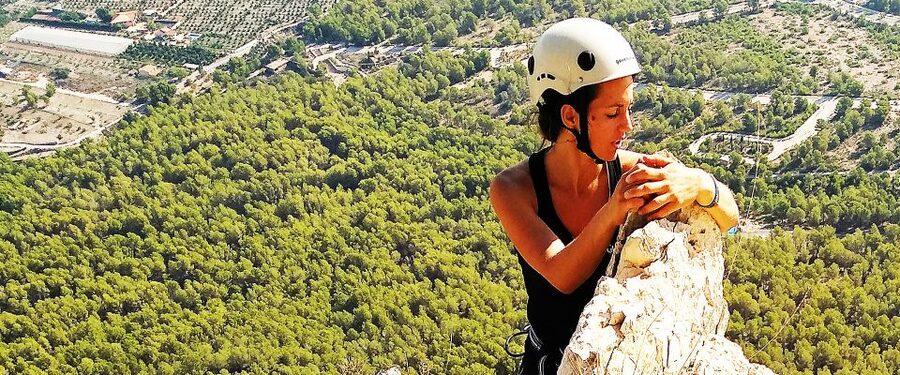
If you’re looking for something more exciting than a standard hike, this is that next step. A via ferrata is basically rock climbing made approachable with fixed metal anchors and a safety line. The Via Ferrata del Ponoig (rated K4) keeps it thrilling, not tame.
What makes it satisfying is the combo of training and payoff. You don’t just get dropped at the wall. You get set up properly, coached on how to move, and then you climb with real views opening up as you gain height.
Meeting at Parking Vía Ferrata Ponoig and Getting Set Up
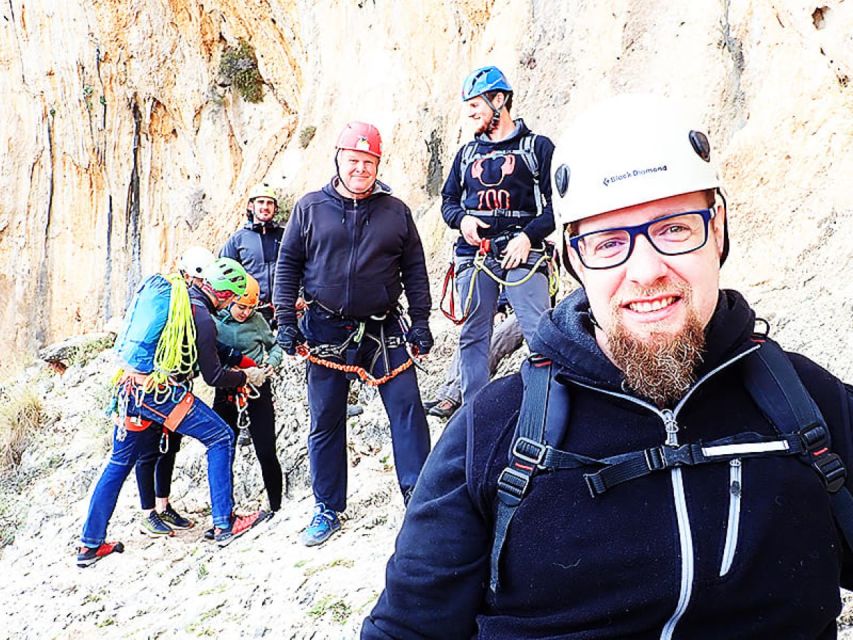
You’ll meet at Parking Vía Ferrata Ponoig, and you’re looking for your guide holding a visible sign. From there, the experience moves quickly into gear mode because a via ferrata is all about being correctly connected before you start climbing.
You’ll get harnesses, helmets, and the Ferrata kit (the connection system used on these routes). You’ll also get a safety briefing, which matters because this isn’t a place for improvising. After that, the guiding team will help you feel ready—then you move to the climbing approach.
The Rock-Wall Practice That Builds Confidence Fast
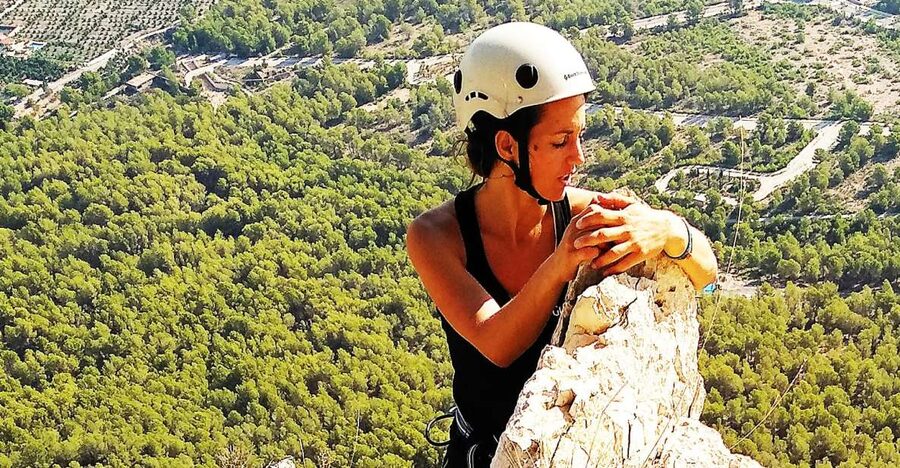
Before you start scaling the cliff, you practice climbing fundamentals on a rock wall with your guide. This part is quietly one of the best reasons to book a guided trip. You learn how to use your body position, how to trust the fixed features, and how not to waste energy.
You also get to calibrate your effort. That’s important because a via ferrata can feel intense even for people who hike regularly. With instruction first, you’re less likely to panic when the steps get steeper or the air gets thinner.
The K4 Climb: Metal Staples, Security Cable, and Real Exposure
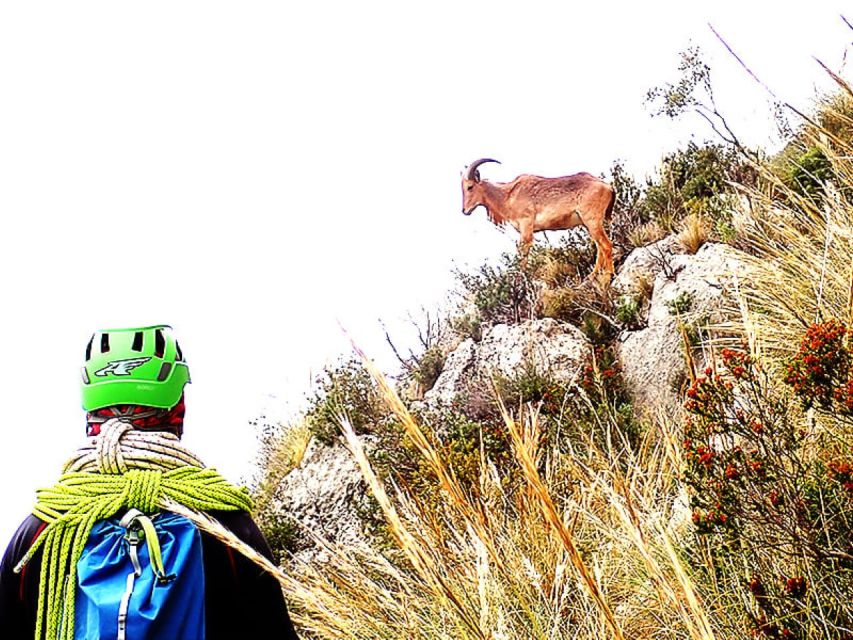
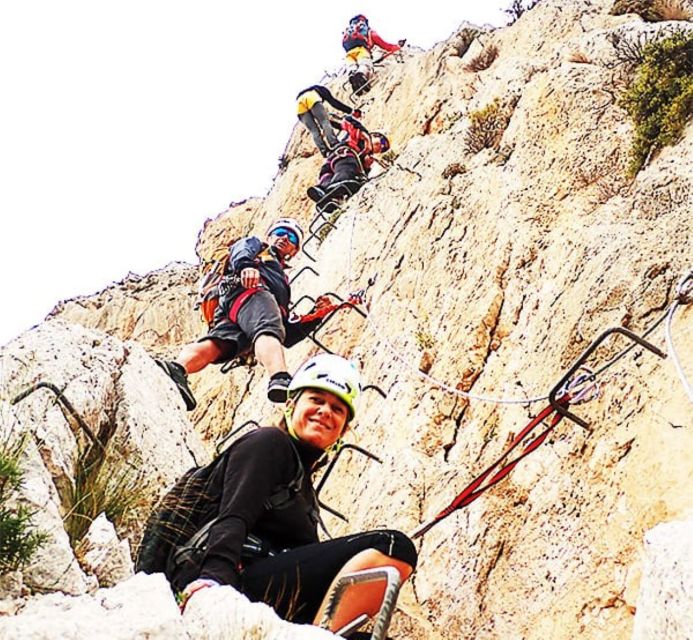
This is where the real climbing begins: thick metal staples set into the rock, plus a solid security cable as you ascend. The route is described as steep and aerial, with spectacular steps that help you keep progressing upward.
As you climb, the scenery ramps up fast. You get views over:
- Valley of Guadalest
- Sierras de Aixortá and Bernia
- and the Mediterranean coast from above
That view isn’t just pretty. It changes how the climb feels. As the valley spreads out below you, you stop thinking of it as one vertical wall and start thinking of it as a route—step by step, cable connected, guided movement.
And yes, you’ll feel it in your legs. This is a climb straight up with a nearly vertical feel, so plan for effort. If you tend to rush on steep trails, you’ll want to slow down and follow your guide’s pace.
Timing, Pacing, and the Advantage of a Small Group
This outing runs about 5 hours, with 4 hours at the Via Ferrata segment including tour and safety guidance. The small group—up to 10 participants—matters more than you might think.
In a larger group, you can lose time and confidence waiting your turn or figuring things out mid-climb. Here, the guide can watch what you’re doing, adjust the way they explain moves, and keep everyone progressing at a safe rhythm. The route includes vertical sections, so consistent pacing reduces stress.
Also, for photos: they’re included. That helps because you can focus on climbing without constantly stopping to manage your phone or camera.
What to Bring (Because Shoes and Water Are Non-Negotiable)
You’ll want to come prepared for physical effort and changing conditions. Here’s the simple list based on what’s required or recommended.
Bring:
- Hiking shoes (shoes aren’t included)
- Water
- Weather-appropriate clothing
A couple practical add-ons if you like being comfortable:
- Sunscreen if you burn easily. You’re climbing high enough to catch more sun than you expect.
- A small rucksack to keep your items secure while you move.
- A quick energy snack. One tip I like from past participants is carrying something easy for a boost during breaks—think along the lines of candy you can grab without fuss.
Safety Notes You Should Respect Before You Clip In
A guided via ferrata is safer than DIY, but it still demands the right mindset. This route has a security cable and safety gear provided, and you’re given instructions on how to use everything. Still, the activity is described as involving significant physical activity and an almost vertical climb.
So be honest with yourself:
- If you have vertigo, this is not the right match.
- If you have mobility impairments, it likely won’t work for you.
- If you’re pregnant, it’s not recommended.
- If you’re under 18, it’s not suitable.
Even if you feel strong, watch your breathing and avoid muscle fatigue. Vertical climbs can feel easier mentally once you slow your pace and keep your movements deliberate.
Price and Value: Is $65 Worth It?
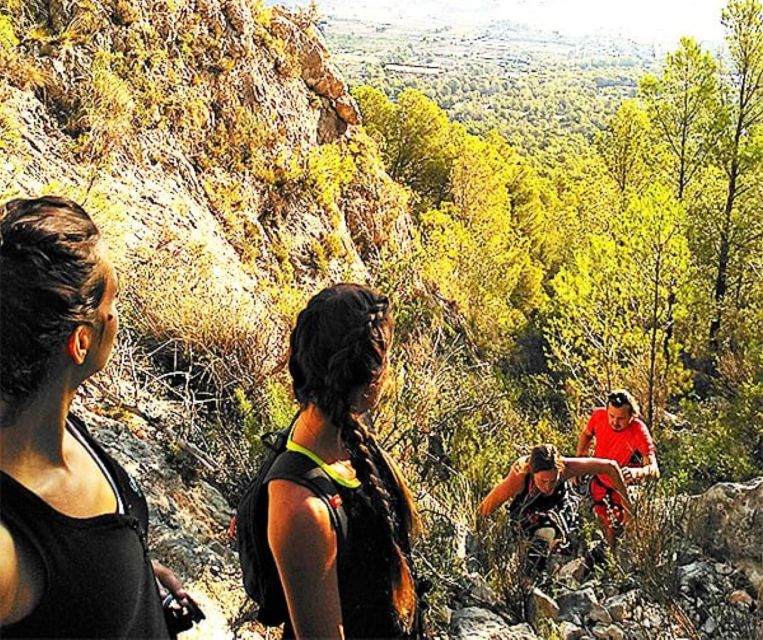
At $65 per person for about 5 hours, the value comes from what you’re paying for beyond the climb itself.
Here’s the practical breakdown of what you get:
- A climbing guide who handles setup and instruction
- Safety gear (harness, helmet, Ferrata kit)
- Photos included
- A small group experience with limited capacity
If you were to do something similar independently, you’d still need the gear, the know-how to use it correctly, and the confidence that comes from guided instruction—especially for a K4 route with aerial steps. This is one of those prices that feels fair because it covers risk-management and teaching, not just access to a trail.
Not included items are also straightforward: no food or drinks, and shoes aren’t provided. Plan for that and the day is smooth.
Who This Guided Via Ferrata Is Best For
Book this if you want a controlled way to experience exposed climbing without turning the day into a solo technical project.
You’ll likely enjoy it most if:
- you’re comfortable hiking and ready for a steep, effort-heavy route
- you want guided instruction from the ground up
- you like dramatic viewpoint rewards
Based on the climb design, you’ll want to skip it if you’re looking for a relaxed stroll. This is a climb.
Guides Matter: What You Can Expect From the Instruction
The best part of a guided via ferrata is the human part: clear instructions, correct gear fitting, and a pace that doesn’t leave you guessing.
In the past, guides such as Frank and Osmar have been praised for clear English and patient, confidence-building guidance. Even when the route is challenging, a good guide helps you keep moving without rushing, and that’s often the difference between a frustrating climb and a satisfying one.
Should You Book This Via Ferrata Del Ponoig Guided Trek and Climb?
If your goal is an adrenaline-tinged climb with real views—and you’re physically up for a steep, aerial K4 route—then I think this is a great booking. You get the coaching, the safety setup, and the viewpoint payoff, plus photos, all in a time frame that fits a day trip style.
Skip it if you’re uneasy with heights, have mobility limitations, or want something gentle. And don’t show up thinking you can wear whatever shoes you have lying around—hiking shoes and water are part of the deal.
FAQ
Where do I meet for the Via Ferrata del Ponoig guided climb?
Meet at Parking Vía Ferrata Ponoig. Look for your guide holding a visible sign.
How long is the guided experience?
The total duration is 5 hours, with the main Via Ferrata tour and safety briefing taking about 4 hours.
What level is the Via Ferrata del Ponoig route?
It’s categorized as K4, with steep, aerial climbing and spectacular steps supported by a security cable.
What safety gear is included?
You’ll be provided with safety gear, including a harness, helmet, and Ferrata kit.
Are photos included?
Yes, photos are included.
What should I bring?
Bring hiking shoes, water, and weather-appropriate clothing.
Is food and drink included?
No. Food and drinks are not included.
What languages are the guides?
The live tour guide speaks Spanish and English.
Is it refundable if plans change?
There is free cancellation up to 24 hours in advance for a full refund, and you can also reserve now and pay later.