REVIEW · HANOI
Sa Pa 2-Day Moderate Trek and Homestay Limousine Tour from Hanoi
Book on Viator →Operated by Crossing Vietnam Tour · Bookable on Viator
Rice terraces hit fast.
This small-group Sapa tour pairs a 10-kilometer trek with an overnight homestay and an English-speaking guide, so you spend less time organizing and more time outside. I especially liked the combo of village time around Ta Van and the Hmong-area farming terraces, plus the included meals that keep the day from turning into a snack hunt. The main thing to watch: the shared limousine can be a bit chaotic, with reports of a pickup, then switching vehicles, and limited English when logistics get messy.
Day 1 gets you from Hanoi Old Quarter to Sapa with a scheduled departure and an afternoon arrival, plus time to see traditional costumes (H’mong, Dzao, Tay) as you get oriented. On Day 2, you start with breakfast at the homestay and then head out on a moderate hike through terraces, hamlets, and bamboo forests of the Hoang Lien Son area. If you’re prone to demanding perfect timing, go in with flexibility. If you want a guided, structured way to see Sapa without stress, you’ll likely appreciate how much is already handled.
In This Review
- Key points at a glance
- Getting from Hanoi to Sapa without playing transport roulette
- Day 1 in Sapa: costumes, orientation, and Ta Van village time
- Homestay overnight: what the included meals really cover
- Day 2 trek: 10 kilometers through terraces and bamboo forests
- Village time at Giang Ta Chai: finishing the loop with real local life
- Price and value: when $118 makes sense
- Who should book (and who should consider another option)
- Practical tips that make it feel smoother on the ground
- Should you book this Sapa 2-day trek with homestay?
- FAQ
- Where is the pickup in Hanoi?
- What time does the tour depart Hanoi and when do you arrive Sapa?
- Is the homestay overnight included?
- What meals are included during the two days?
- What villages do you visit?
- How long and how far is the trekking on Day 2?
- Is there an English-speaking guide?
- Are entrance tickets included?
- Is free cancellation available?
Key points at a glance
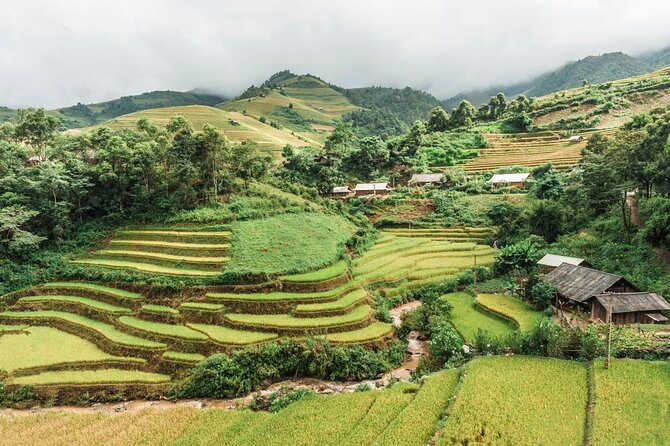
- Limited to 10 travelers for a calmer, more personal pace.
- Round-trip limousine from Hanoi Old Quarter with a fixed pickup time window.
- Homestay overnight + meals included, including breakfast and dinner.
- Moderate 10-kilometer trek along terraced rice fields, hamlets, and bamboo forests.
- Village visits like Ta Van and Giang Ta Chai keep the route grounded in daily life.
- Bring small cash if you plan to buy crafts, since change can be an issue.
Getting from Hanoi to Sapa without playing transport roulette

The tour starts in Hanoi’s Old Quarter. You’re picked up at 6:45 AM and head to Sapa by limousine van. The schedule has you arriving in Sapa around 12:30 PM, which matters because it gives you daylight for village time rather than dropping you off at dusk.
Now, here’s the practical reality. This is a shared-vehicle setup, and there can be some shuffling. A couple of past experiences highlighted problems like being taken to a stop and then told to switch to another car. Also, when transfers get tight, English support can feel limited. You can reduce stress with two simple moves:
- Confirm the exact pickup spot in Old Quarter the day before (not just the street name).
- Keep your phone ready in case the driver or guide needs to redirect you quickly.
One more logistics note: the tour does not drop you at your exact hotel in Hanoi. The drop-off is at the last stop in the Old Quarter area, listed as 160 Tran Quang Khai Street. From there, you can walk back or take a taxi. If you’re staying farther from that area, build in a little buffer.
You can also read our reviews of more tours and experiences in Hanoi.

Day 1 in Sapa: costumes, orientation, and Ta Van village time
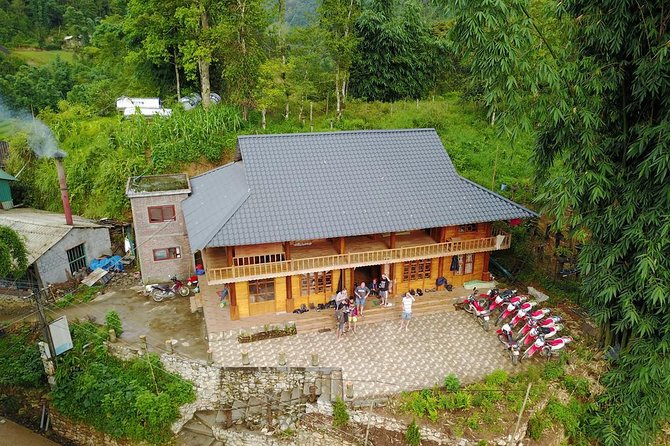
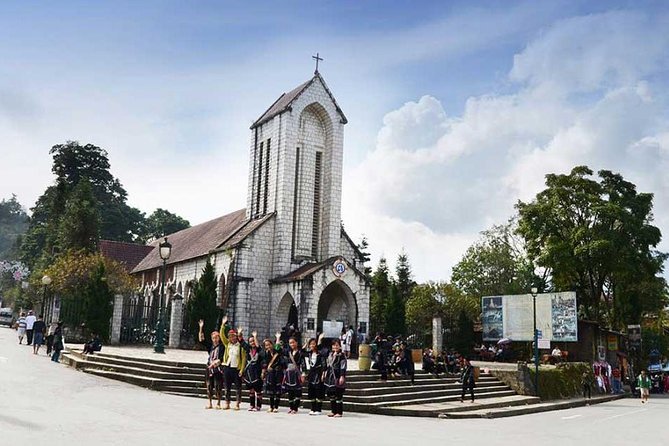
After you arrive, Sapa Town is the on-ramp to what makes this region special: people living in the hills and farming the terraces that shaped the scenery for generations. The day is built so you get that first visual hit right away, including a look at traditional costumes from local ethnic groups such as H’mong, Dzao, and Tay.
Then you shift toward village-based time. The itinerary places you at Ta Van Village as a key Day 1 stop. This is where the tour format starts doing real work for you. A homestay trip works best when someone local guides you through what you’re seeing—where to walk, what’s appropriate to photograph, and how to read the rhythm of daily life.
One thing I appreciate about having an English-speaking guide here is that it turns a village visit from just sightseeing into context. Even if your Vietnamese is limited, a guide can help you connect the visuals: terrace farming, small hamlets, and the way households sit inside the landscape instead of beside it.
Is it all structured down to the minute? Not necessarily. Some tours show up with a detailed script; this one is more about getting you into the area and setting you up for the trek and homestay. If you need a highly timed schedule with minimal flexibility, you might find yourself wishing for more info up front.
Homestay overnight: what the included meals really cover
The homestay is the heart of this experience. You’re not just paying for a bed—you’re paying for meals and village access that would be harder to piece together on your own.
Meals are included according to the itinerary. Expect:
- Breakfast (Day 2, at the homestay)
- Lunch (listed as included twice across the two days)
- Dinner (included)
That matters because it keeps your day from turning into math: how much does lunch cost, where’s the nearest place, what if a restaurant is closed, and can I find something that fits my diet. The tour also asks you to note dietary needs at booking, which is a small but important checkbox.
What about the homestay experience itself? A key theme from feedback is that the homestay people are welcoming and kind. That’s the part you should pay attention to. In a place where daily life is the attraction, kindness from the host family changes everything. If you go in curious and respectful—asking questions, staying flexible, and following basic rules—you’ll likely have an easier time.
Practical comfort tip: the tour suggests you prepare a light pack for the trek the next morning. So avoid overpacking. Think: essentials only, one change of socks if you’re the type who cares, and a water plan. Also remember that drinks aren’t included. Bring a method to buy or carry water. On mountain treks, dehydration sneaks up fast.
Day 2 trek: 10 kilometers through terraces and bamboo forests
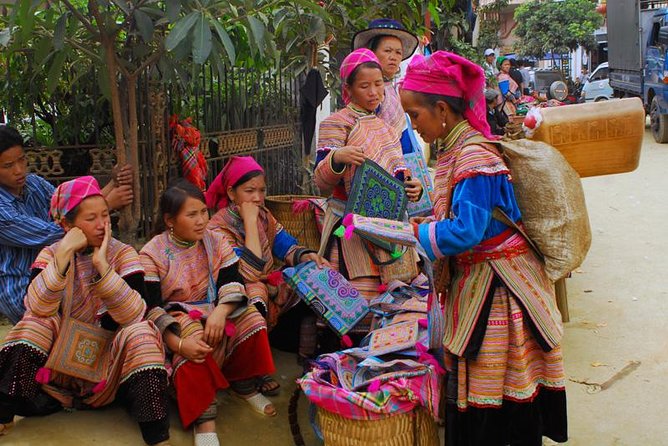
Day 2 starts easy on purpose. You have breakfast between 7:00 and 7:45 AM, then you prep a light pack for the hike. The trekking start is listed for 9:30 AM, which means you’ll get morning light on the rice terraces.
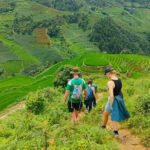
The main hike is described as a moderate trek: 6 miles (10 kilometers). The Day 2 segment is shown as about 3 hours, so the pace is meant to be manageable for most people. You’ll move through:
- Terraced rice fields
- Small hamlets
- Bamboo forests
- The Hoang Lien Son mountain area
This is the kind of hike where the scenery isn’t just “pretty.” It’s doing something. Terrace farming creates lines and textures on the hillsides, so even when you’re walking, your view keeps changing. And hamlets along the route remind you that this isn’t staged scenery; it’s lived-in farming country.
Trek reality check: a “moderate” hike can still be uneven. Paths in terrace regions often involve steps, sloping ground, and occasional muddy patches depending on season. Wear shoes you trust, not just something comfortable in the city. Long pants help with plants and brush.
Also, be ready for conversation and small stops. This tour is designed around village viewing, not speed. Depending on conditions, you might get chances for extra sightseeing like waterfall-hunting mentioned in the broader tour outline, but don’t assume a specific waterfall viewpoint unless your guide confirms it on the day.
Village time at Giang Ta Chai: finishing the loop with real local life
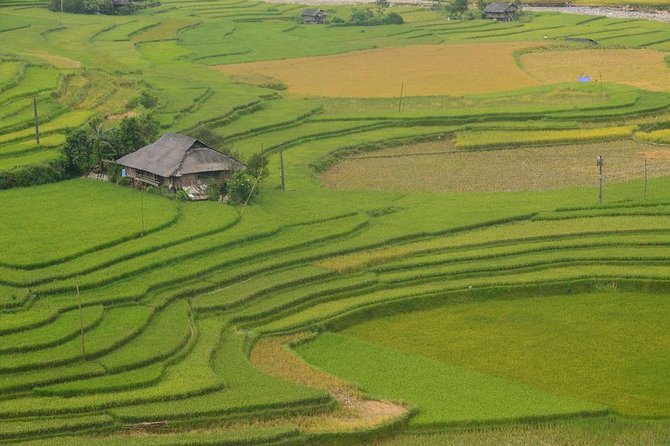
The itinerary highlights Giang Ta Chai Village as a Day 2 stop. In a good guided trek, the finish point is where you shift from watching scenery to understanding it.
Here’s how that translates for you: you’re not just doing a nature walk. You’re moving between communities and landscapes shaped by farming and hillside life. If you want to see Sapa in a way that feels grounded, this is the route style that tends to deliver.
One small travel note: if you’re the sort who loves taking photos, give yourself time to ask before you shoot closely. A friendly ask beats forcing your camera into someone’s daily space.


Price and value: when $118 makes sense
At $118 per person for about 2 days, you’re paying for more than transportation. This price includes:
- Round-trip limousine from Hanoi to Sapa and back
- English-speaking guide
- Homestay overnight
- Meals as per the itinerary (including breakfast and dinner)
- Entrance fee tickets included
- The small-group structure (max 10 travelers)
So what are you not getting? Drinks and tips for the guide are not included.
Is it good value? For many visitors, yes—because you’re buying the whole bundle: get there, sleep inside the experience, and have a guide handle the route. If you tried to book transport, guide, homestay, and meals separately, it’s easy for the costs to creep up fast, plus you’d spend your own time coordinating.
The one caution on value is reliability of the shared limousine logistics. If you’re sensitive to transfers going off-script, the transport part may feel less smooth than you expect for the money. That said, the rest of the package—guide, homestay, meals, trek structure—tends to be the payoff, and that’s where the trip earns its stars.
Who should book (and who should consider another option)

This tour is a strong fit if you want:
- A moderate hike with a guided route
- A real homestay overnight rather than a hotel-only Sapa stop
- A structured itinerary with meals and an English-speaking guide
- A small group (10 travelers max)
It may be less ideal if:
- You dislike shared transport and can’t tolerate possible vehicle changes during transfer.
- You’re expecting a super detailed, minute-by-minute plan from the moment you’re picked up.
- You’re tall: it’s not recommended for travelers more than 190 centimeters.
If you fall into the middle—active but not hardcore hikers—and you’re open to a village-based overnight, this is the right style of trip.
Practical tips that make it feel smoother on the ground
A few moves will help you get the most out of the experience without adding stress.
1) Pre-plan your pickup moment.
Shared limousines can involve stops and reshuffling. Confirm your pickup location the day before and be ready early.
2) Bring small cash for crafts.
A common tip from past experiences is that people may try to sell bracelets and crafts, and change can be a problem. If you want to buy something, carry smaller bills. If you don’t want to buy, a polite no is usually enough—just keep it calm and don’t get stuck in a bargaining loop.
3) Pack lighter than you think.
You’ll be told to prep a light pack for the trek after breakfast. Overpacking makes the hike feel harder than it is.
4) Plan for drinks to be extra.
Drinks aren’t included, so keep water and basic needs in mind.
5) Dress for uneven paths.
Comfortable hiking shoes, long pants, and a weather layer help on terrace hikes. Mountain weather can change quickly.
Should you book this Sapa 2-day trek with homestay?
If your goal is simple—see the rice terraces, walk a moderate 10-kilometer route, and sleep in a homestay with meals—this tour is a solid choice. The small group size, included guide, and the way the days are arranged mean you’ll spend less time coordinating and more time experiencing.
I’d book it if you’re okay with the fact that shared limousine logistics can be imperfect. If that kind of friction ruins your trip vibe, look for an option with a more private transfer setup or one with clearer transport communication.
FAQ
Where is the pickup in Hanoi?
Pickup is from hotels in Hanoi’s Old Quarter only.
What time does the tour depart Hanoi and when do you arrive Sapa?
The pickup is at 6:45 AM, and you arrive in Sapa Town around 12:30 PM.
Is the homestay overnight included?
Yes. An overnight stay at a homestay is included.
What meals are included during the two days?
Meals are included as per the itinerary, including breakfast (B), lunch (L) twice, and dinner (D).
What villages do you visit?
The route includes Ta Van Village and Giang Ta Chai Village, with Lao Chai also mentioned as part of the experience.
How long and how far is the trekking on Day 2?
Day 2 includes a moderate trek of about 6 miles (10 kilometers).
Is there an English-speaking guide?
Yes, an English-speaking guide is included.
Are entrance tickets included?
Yes, entrance fee tickets are included.
Is free cancellation available?
Yes. You can cancel for a full refund up to 24 hours in advance.