REVIEW · KATHMANDU
Ghorepani Poon Hill Sunrise Trek
Book on Viator →Operated by View Nepal Treks and Expedition · Bookable on Viator
Morning darkness, big payoff.
The Ghorepani Poon Hill Sunrise Trek is one of those rare hikes where you’re rewarded with jaw-dropping views on a schedule you can actually plan around. I like the built-in structure: a government-licensed English-speaking guide, permits handled, and comfortable tea-house nights that keep things smooth. One thing to consider is the early start and the weather gamble—sunrise views depend on clouds, and you’ll feel the temperature swings fast as you climb.
After a drive through Pokhara’s valley vibe, the trek shifts gear quickly—from warmer farming terraces to cool rhododendron and pine country right under major Annapurna peaks. The route also gives you more than just photos: you walk through traditional Gurung and Poon-Magar villages and pass through forests that make the whole trek feel like changing altitudes in real time.
In This Review
- Key Highlights Worth Mentally Booking
- Poon Hill Sunrise: Why This Trek Feels Like the Main Event
- From Paddy Terraces to Rhododendron Pines: The Trek’s Temperature Trick
- Village Walking That Actually Has Names
- A Day-by-Day Flow That Keeps You From Guessing
- Guides, Permits, and Tea-House Reality
- Price and Logistics: Is $799 Good Value?
- What You’ll Want to Pack (So the Trek Feels Easy)
- Weather and the Sunrise Gamble (Yes, It Matters)
- Who This Trek Fits Best
- Should You Book the Ghorepani Poon Hill Sunrise Trek?
- FAQ
- How long is the Ghorepani Poon Hill Sunrise Trek?
- What is the meeting point and start time?
- Is this trek private?
- What permits are included?
- Are meals included during the trek?
- What kind of fitness level do I need?
Key Highlights Worth Mentally Booking
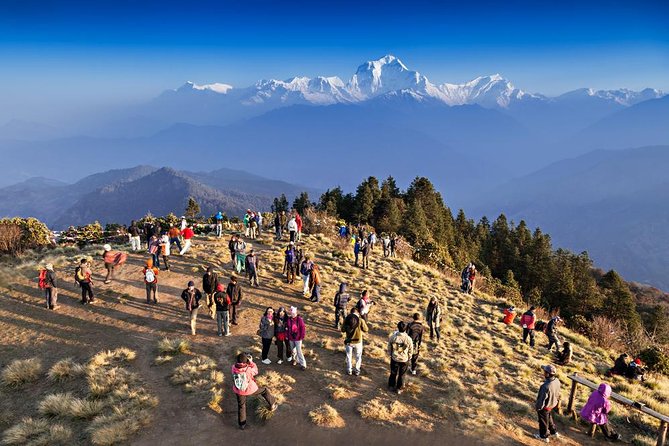
- Poon Hill sunrise + 360° views: a classic Nepal moment with wide mountain views when skies cooperate
- Village walking with Gurung and Poon-Magar culture: more than scenery, you get real daily-life stops
- Forest-to-alpine temperature shift: start warmer, end cooler under rhododendron, pines, oaks, and fir zones
- Trans-Himalayan caravan route views: hints of the old Nepal–Tibet trade paths in the terrain
- Tea-house lodging with B-L-D on trek days: less decision fatigue while you hike
- Private tour format: only your group, with logistics managed door to door in Kathmandu and Pokhara
Poon Hill Sunrise: Why This Trek Feels Like the Main Event
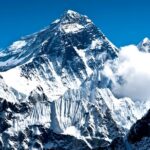
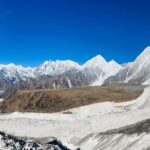
Poon Hill is famous for a reason: it’s a high-enough viewpoint that can open up a wide, dramatic panorama of the Annapurna region and neighboring Himalayan peaks. The trek is designed around that payoff, meaning your climb isn’t random. It’s a short circuit walking style, so you’re not signing up for marathon days—just the right amount of effort for sunrise viewing.
The sunrise part is also why you should be realistic about expectations. Clouds happen. When the sky clears, it feels like a whole mountain wall turning on at once. When it doesn’t, you still get morning trekking energy and big ridgeline views, but you’ll lose that golden-hour magic.
Practical tip: pack for cold morning layers even if you’re coming from warmer Kathmandu or Pokhara weather. Sunrise starts early, and your body will feel it before your brain catches up.
You can also read our reviews of more tours and experiences in Kathmandu.
From Paddy Terraces to Rhododendron Pines: The Trek’s Temperature Trick
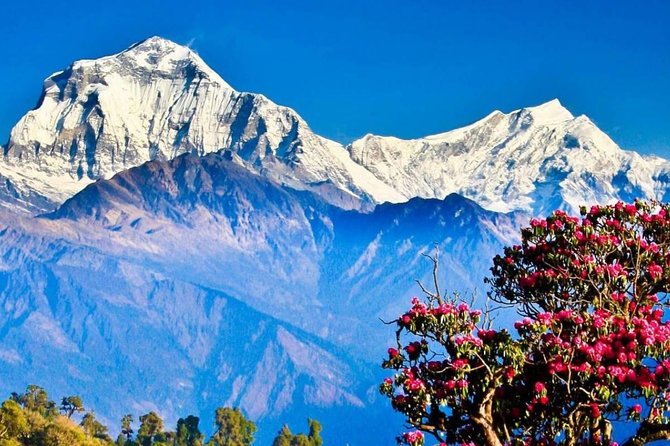
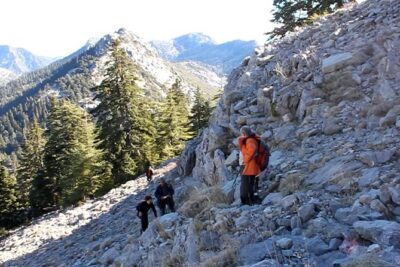
One of the most enjoyable things here is the way the trek changes character. You begin in lower, semi-tropical country with farmland terraces and a softer, greener feel. As you gain altitude, you climb into cooler zones shaded by tall trees—rhododendron, pines, magnolia, oaks, and fir.
This isn’t just scenery variety. It changes how you hike:
- In warmer sections, you’ll likely walk in lighter layers and manage sweat.
- In cooler forest and higher sections, you’ll need warmth while waiting, plus something to block wind.
That temperature shift is also why this trek works well for first-timers. It teaches you what altitude feels like without turning the hike into a technical ordeal.
Village Walking That Actually Has Names
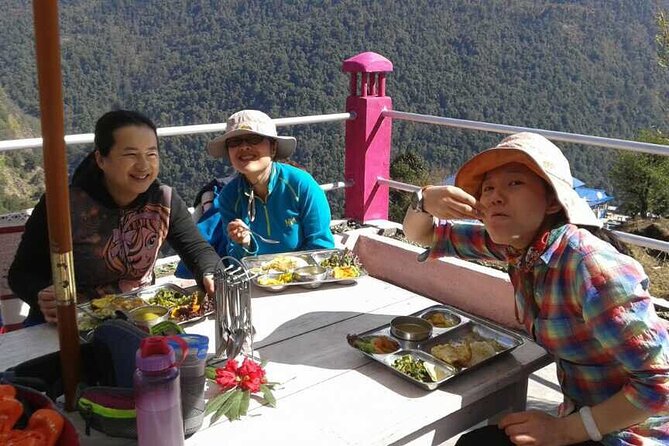
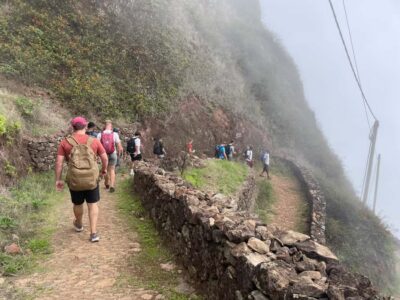
This is billed as a moderate “country walk,” and what that means in real life is that you’re moving through lived-in places. You visit traditional Gurung and Poon-Magar villages along the ridges and rolling hills, not just crossing empty countryside.
A standout stop is Ghandruk Village, where you overnight at about 1,750m. Ghandruk has that ready-made old-hill-village feel—stone and village life packed together, with mountain views woven into daily routine. Even when you’re tired from the hike, that kind of village night changes how you remember the trek.
Another useful cultural piece is the welcome or farewell dinner in Kathmandu at an authentic Nepalese restaurant with cultural programs. It’s not the same as being in a village at sunset, but it’s a good “context day” if you want the trip to feel tied to Nepal, not just mountains.
A Day-by-Day Flow That Keeps You From Guessing
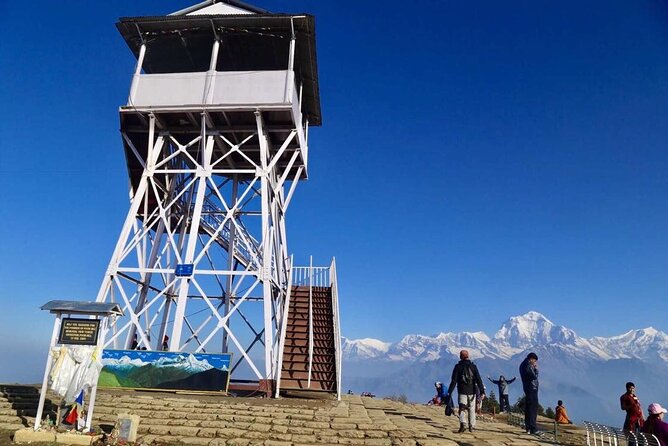
Here’s how the pace and logistics tend to feel across the full trip length (about 8 days):
Day 01: Arrive Kathmandu
You land and get transferred to your Kathmandu hotel. This is your buffer day so you’re not negotiating transport while jet-lagged. You also get the meeting point details set up around Thamel Marg.
Day 02: Fly/drive to Pokhara
You travel to Pokhara, roughly 30 minutes by flight plus about 6 hours by drive. That mix is common in Nepal because it saves time while still letting you see the country. Pokhara is the warm-up location: lakes (like Phewa and Begnas) and a valley vibe that helps you reset before walking days.
Day 03: Nayapul to Tirkhedhunga
You drive to Nayapul (about 1,100m) and start trekking to Tirkhedhunga (~1,450m), around 5–6 hours depending on pace. This day is about getting your legs used to steady uphill and downhill, and letting the rhythm form.
You’ll have breakfast-lunch-dinner included on trekking days, which matters more than people think. When you don’t have to hunt for meals, you spend your energy hiking.
Day 04: Tirkhedhunga to Ghorepani
This is the big climb toward the higher viewpoint base, reaching about 2,874m over roughly 5 hours. Ghorepani is where things start feeling more “trekking”—tea houses, ridgeline routes, and a different cold level at night.
Day 05: Poon Hill sunrise, then to Tadapani and Ghandruk
You do the morning hike to Poon Hill for sunrise views, then continue trekking toward Tadapani (~2,721m) and on to Ghandruk Village for an overnight around 1,750m. This is the longest-feeling day because you’re doing sunrise effort and still finishing strong for the next stop—so your energy management matters.
If you love mountain photography, this day is the reason you booked. If you hate early starts, it’s still worth it because the trek is structured around that one morning moment.
Day 06: Return down to Nayapul, back to Pokhara
You trek down to Nayapul and then head back to Pokhara by vehicle. It’s a “get your wind back” day. Nights in Pokhara are usually a relief after a few days in higher altitude tea houses.
Day 07: Back to Kathmandu, free afternoon
You return to Kathmandu and get free time. This is a good day for eating well and doing low-key walking—no pressure, no packing.
Day 08: Depart
International departure home. The trip wraps cleanly with airport transfers included.
Guides, Permits, and Tea-House Reality
This trek is private, and that’s a big deal in Nepal. Being private means your pace, breaks, and questions can match your group. It also means you’re less likely to get rushed by a “bus schedule” vibe.
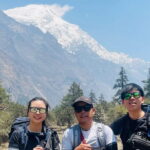
You also get a professional English-speaking government-licensed guide. Based on the guide experiences people shared, the strongest common thread was calm responsibility and day-to-day care. Names that came up include Sonam, Kumar Adhikari, Narayan, Pemba Sherpa, Ram, and Bikash—each described as patient, friendly, and helpful with pacing and local explanations.
If you’re picky about guide quality, look for these signs:
- They explain what you’re walking toward (not just when you’ll reach it).
- They manage your pace on steep parts.
- They answer questions without acting like you’re slowing the group down.
On top of that, the trip handles core paperwork: ACAP (Annapurna Conservation Area Permit) and TIMS. In a region like this, that matters. It keeps your hike legal and supports conservation in the area.
Accommodation is tea house/lodge style on the trek. That’s not a luxury hotel, but it’s practical. You’re paying for a working hiking base: a warm room, beds, and a place to recharge between walking days.
Price and Logistics: Is $799 Good Value?
At $799 per person (for about 8 days, private format), the value comes from what’s included—not just what’s on a brochure.
You’re getting:
- Kathmandu + Pokhara hotel stays (tourist standard, bed and breakfast)
- Airport/hotel transfers
- Deluxe tourist bus to Pokhara and back (plus private car between Pokhara and Nayapul areas)
- A licensed English-speaking guide
- ACAP + TIMS permits
- Trek-day meals (B-L-D from Day 03 to Day 06)
- Tea house/lodge stays
- A welcome/farewell dinner with cultural programs in Kathmandu
So you’re not just buying “a view.” You’re buying reduced stress: transport arranged, passes handled, and daily meals built into the trek days. If you’ve ever tried to coordinate trekking on your own in a place with multiple transit steps, you know how quickly it can turn into chaos.
One note: tips, personal expenses, Kathmandu meals, drinks, and travel/medical insurance aren’t included. Those costs can add up, so budget for them before you assume the $799 is the full story.
What You’ll Want to Pack (So the Trek Feels Easy)
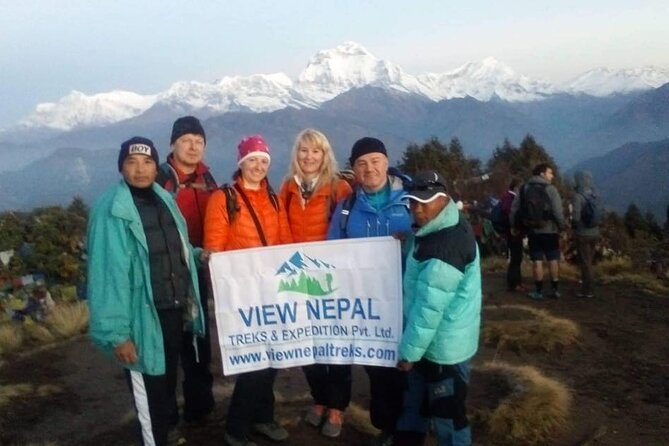
Because this is a sunrise trek with multiple altitude shifts, pack with layers in mind. Even if daytime feels manageable, mornings and shaded forest sections can be noticeably colder.
You should plan for:
- Warm layers for pre-sunrise hours
- Rain protection (especially if you’re hiking in seasons that can bring showers)
- Comfortable trekking shoes and socks you can rely on
- A small daypack for essentials while walking
Also, don’t forget you may be trekking at higher elevations than you’re used to. If you have any medical concerns, bring your own basic medical items, since a personal medical kit isn’t included.
Weather and the Sunrise Gamble (Yes, It Matters)
This trek promises dramatic mountain scenery and specifically calls out sunrise views from Poon Hill. That’s the star attraction, but it comes with a reality check: clouds can change everything.
The good news is that the route still delivers even when skies don’t cooperate. You’re walking through rhododendron forests, village ridgelines, and viewpoint corridors that still feel special. One practical strategy: treat sunrise as a goal, not the only win condition.
In rain or cloudier conditions, your guide’s pacing and route choices matter more. Listen to them. Nepal weather shifts fast, and your safety comes first.
Who This Trek Fits Best
This is a strong choice if:
- You want a moderate, tea-house trek rather than a hard expedition
- You’re chasing Poon Hill sunrise but don’t want weeks of trekking
- You like cultural stops in real villages, especially with an overnight at Ghandruk
- You’d prefer private logistics and not share your trek with strangers
It’s also a better fit for people who can handle early mornings and cooler air. The minimum age is 12, and the trek assumes at least moderate physical fitness.
If you’re extremely sensitive to cold mornings, you may find the sunrise day harder than the average hiker. You can still enjoy the trek, but you should plan layers and a calm mindset.
Should You Book the Ghorepani Poon Hill Sunrise Trek?
If you want Nepal’s “first trek” feeling with real mountain payoff and managed logistics, this is a great booking. The combination of a licensed English-speaking guide, handled permits, tea house stays, and included meals on the trekking days makes it low-stress for the amount of scenery you get.
I’d book it if Poon Hill sunrise is truly on your checklist and you’re okay with early starts and possible cloud cover. I’d think twice if you’re hoping for a guaranteed sunrise spectacle or if you’re allergic to cold mornings and simple tea-house lodging.
FAQ
How long is the Ghorepani Poon Hill Sunrise Trek?
The trek is listed as about 8 days.
What is the meeting point and start time?
The meeting point is View Nepal Treks & Expedition P. Ltd. on Thamel Marg 24, Kathmandu. Start time is 6:15 am.
Is this trek private?
Yes. It’s a private tour/activity, so only your group participates.
What permits are included?
The trip includes the ACAP (Annapurna Conservation Area Project) permit and TIMS (Trekking Information Management Systems).
Are meals included during the trek?
Food in trekking is included as breakfast, lunch, and dinner from Day 03 to Day 06. Meals in Kathmandu are not included.
What kind of fitness level do I need?
It’s recommended for travelers with moderate physical fitness. The minimum age is 12 years.