REVIEW · CHEFCHAOUEN
4 days trekking in the Rif mountains
Book on Viator →Operated by Chefchaouen Adventures · Bookable on Viator
Four days can sound long, until you see the Rif. This trek from Chefchaouen turns Moroccan hills and fir forests into a real walking adventure, with a private guide and nights in mountain-style guesthouses. You’ll spend full days moving through national park trails, rural areas, and waterfall country, with time set aside to slow down at viewpoints (and maybe spot local monkeys).
I especially like that your lodging is built into the hiking rhythm—three nights in mountain lodges with dinner and breakfast—so you’re not juggling daily logistics. I also like the variety: Tissouka fir trees on one day, long ridge walking the next, then canyon and waterfall scenery before you finish back with a panoramic view over Chefchaouen.
The main drawback is the effort. Even if you consider yourself fit, plan for full-day walking with lots of time on your feet and real altitude gain, plus you carry your own bag and gear.
In This Review
- Key things to know before you go
- Four Days in the Rif Mountains: What Makes This Trek Work
- Day 1: From the National Park Through Tissouka Fir Trees to Azilane
- Day 2: The Afaska Rural House Night and a Full-On Trek Day
- Day 3: God’s Bridge Canyon, Viewpoints, Possible Monkeys, and Akchour
- Day 4: A Panoramic Finish Back Over Chefchaouen
- Price and Value: What $329.63 Per Person Actually Buys
- What to Pack and Why This Trek Can Feel Heavy
- Mountain Lodges, Half-Board Meals, and Time with Locals
- Group Size, Privacy, and How the Guide Impacts Your Day
- Who Should Book (and Who Should Consider Another Option)
- Should You Book This Rif Trek?
- FAQ
- How long is the trek?
- Where is the trek based, and how do you start?
- What meals are included?
- Is this a private tour?
- What fitness level do I need?
- What happens if weather is bad?
Key things to know before you go
- Private, exclusive trek means you move at your group’s pace with one guide.
- Mountain lodge half-board covers dinner and breakfast for three nights.
- Long days on the trail (7–8 hours, then about 10 hours) demand good walking shoes and stamina.
- Fir forests and rural dwellings break up the hike, so it’s not just climbing.
- Akchour is a small single-street stop with food options, but don’t expect a big town.
- Barbary macaques are possible if you’re quiet and observant near the canyon/forest areas.
Four Days in the Rif Mountains: What Makes This Trek Work
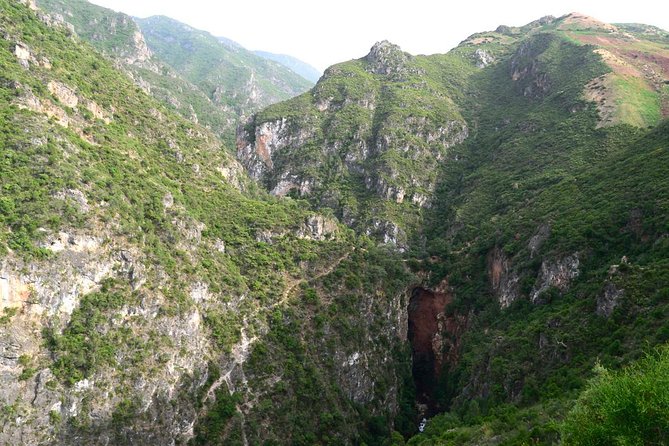
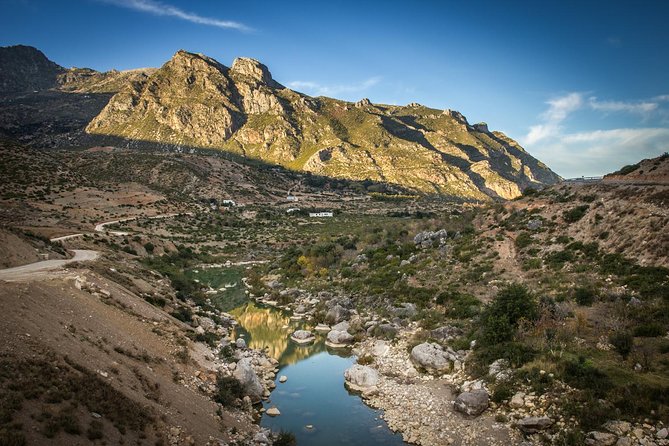
This is the kind of Morocco trip that feels simple on paper and real in your legs. You start near Chefchaouen, then you’re off into the Rif Mountains where the trail weaves through national park terrain, fir forests, and small rural settlements. The pacing is built around staying overnight in mountain refuges/guesthouses, so the trip flows like a traditional trek rather than a series of bus transfers.
The “private” part matters more than you might think. On multi-day hikes, a group that’s too big or too mixed can turn stops into photo-rushes. Here, your guide can slow down when the scenery deserves it—especially around viewpoints and waterfall areas—and keep you moving efficiently between overnight stops.
Also, the trip is built for people who want the real mountain side of Morocco. You’ll pass rural dwellings, stop for picnic lunch, and sleep in places that are meant for hikers (not just hotels that happen to be near trails). If your idea of value is meaningful time outside and good food handled for you, this style fits well.
One practical note: lunches aren’t included. That’s normal for trekking, but it’s still something you should plan for so you don’t end up hungry and grumpy halfway through a long day.
You can also read our reviews of more tours and experiences in Chefchaouen.
Day 1: From the National Park Through Tissouka Fir Trees to Azilane
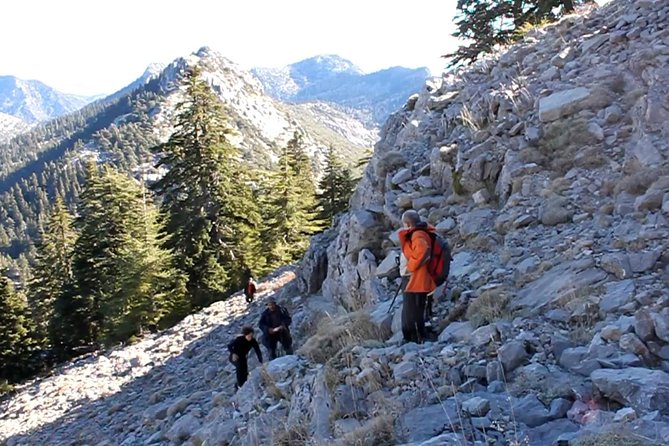
Day 1 starts with breakfast and a trail exit into the national park. You’re looking at 7 to 8 hours of trekking. This is a long first day, but it’s not one giant climb for the whole time—the route typically mixes forest walking and rural passes, so the day feels varied instead of repetitive.
One of the big early-feeling moments is Tissouka fir trees. Fir forests change the whole mood of a hike: lighter air, cooler shade, and sounds that feel closer because the trees close in. You’ll also cross through rural areas, which gives you a sense of how people live near these paths rather than imagining the mountains as empty space.
Lunch is handled in a straightforward trekking way: a picnic. You’ll want to be ready with whatever you bring for your lunch (or any picnic items you’ve been advised to pack), because you’re on the move for a full stretch.
Near the end of Day 1, you reach Gîte montagne Azilane, your mountain refuge for the night. This is where the trip shifts from “hard hiking” to “mountain life.” You get half-board style hospitality—dinner and breakfast—and you arrive before you’re completely wrecked, which matters when tomorrow’s another long day.
Finally, you’ll either get picked up from your hotel in Chefchaouen medina or meet at a chosen point. Either way, you start the trek without having to figure out complicated first-day directions.
Best expectation for Day 1: you’ll probably feel the distance by late afternoon, even if the scenery is constantly good.
Day 2: The Afaska Rural House Night and a Full-On Trek Day
Day 2 is the “workout” day. Expect about 10 hours of hiking, with the overnight stop at Gite d’ Etape Affaska (Afaska rural house).
This is the day to treat your body like a teammate. Start steady. Don’t sprint the early sections just because you can. When the hike runs long, what keeps you comfortable is a consistent rhythm—small breaks, good hydration, and smart pacing.
You’re in rural territory rather than just pure forest trail, which often means the trail can feel a bit more rugged or uneven than you’d like. Since you carry your gear, you’ll feel that every time you slow down to adjust your pack. If you’ve got a tendency to pack too much, this is where it can catch up with you.
What I like about the Day 2 setup is that you’re not doing a “half hike and then nothing.” You hike long enough to feel you earned the overnight stay, and then you sleep somewhere that’s part of the trail world. The overnight at Afaska is exactly what you’d want after a long day: a place to eat and reset so you can handle Day 3.
Potential drawback for Day 2: if you’re not used to long days, 10 hours can feel brutally long even with good views. Build in a little buffer in your expectations.
Day 3: God’s Bridge Canyon, Viewpoints, Possible Monkeys, and Akchour
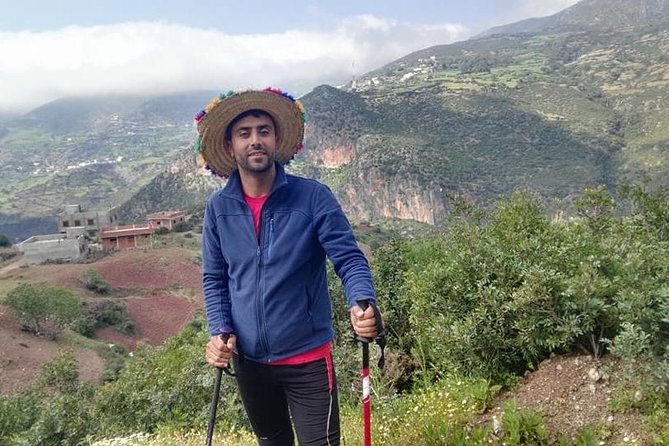
Day 3 is the day for scenery moments. You start with God’s bridge canyon, and along the way you’ll find viewpoints over little cascades and the wider Rif mountain scenes. This is also one of the most interesting “nature watch” parts of the route because you might encounter monkeys—specifically the Barbary macaque, a species found in Morocco’s Rif and nearby regions.
The key here is behavior. If you’re quiet and pay attention, you might hear them moving between trees, and you might spot a family not too far from the hiking trail. It’s not a guarantee, but it’s a very real possibility if you don’t treat the hike like an endless march.
After the canyon and viewpoints, you’ll eventually get to the big water. The itinerary notes that after about two hours from the big waterfalls you arrive at Akchour.
Akchour is described as small, basically one street, with a few restaurants. Don’t assume you’ll have lots of shopping or nightlife. But you will likely appreciate the calm after days of hiking—plus you’ll be close enough to eat something comforting without planning a second trip.
You sleep at the Akchour refuge, with the day’s trekking time around 8 hours. It’s a good end-of-day rhythm: hike hard, take in the canyon and waterfall energy, then settle into a mountain stop before your final day’s finish.
Day 3 highlight idea: this is when the Rif starts to feel like a story—forest, canyon, water, then a small town waiting at the end of the trail.
Day 4: A Panoramic Finish Back Over Chefchaouen
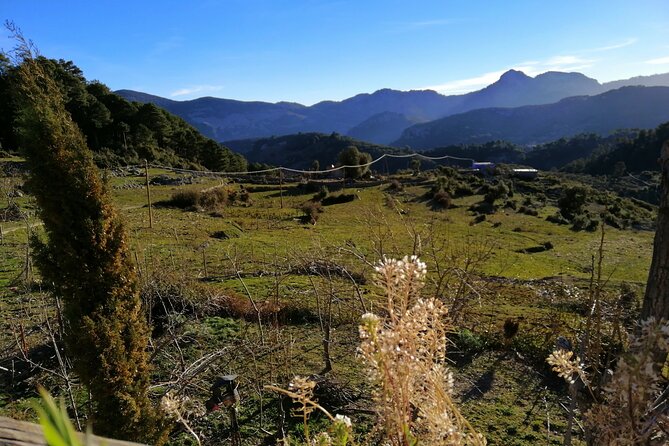
Day 4 doesn’t waste your energy with a surprise “one more long climb” attitude. Your ending is a panoramic view of Chefchaouen, and it’s described as the best ending of the trek.
That matters, because the last day is often where people either enjoy the payoff or get too tired to feel it. A viewpoint finish is a smart move: it lets you look back at what you did without adding extra strain.
By the time you reach the panoramic area, you’ll probably notice your perspective shifting. The medina back in Chefchaouen feels like part of the same landscape you just walked through—just at a different altitude and pace. It’s also the kind of finish that helps you remember the best moments clearly: fir shade, canyon turns, and water sounds that linger even after you leave the spot.
Your team helps make the experience smooth in the final stretch, aligned with the Chefchaouen Adventures approach.
Price and Value: What $329.63 Per Person Actually Buys
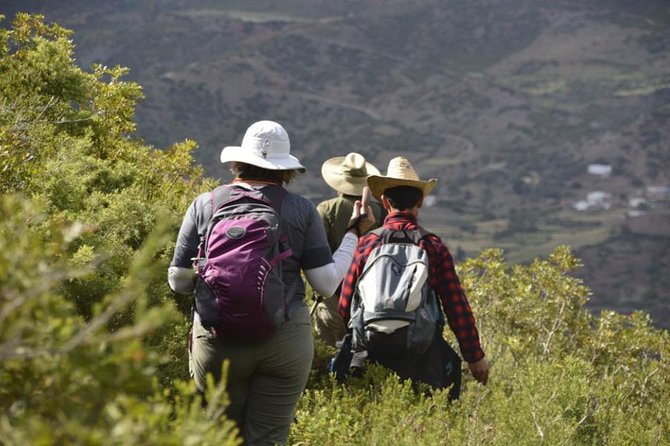
At $329.63 per person, this trek may look “middle priced” until you break down what’s included. What you’re really paying for is not just the guide—it’s the whole structure that makes multi-day hiking practical.
Here’s how the value stacks up from the info you provided:
- Private and exclusive tour: no sharing your guide with random strangers.
- Local mountain guide: you’re not guessing trails or timing stops.
- Three nights of mountain lodge accommodation with dinner and breakfast included.
- Admission ticket support is included on the trekking days where noted.
- Pickup is offered from Chefchaouen medina or you meet at a chosen point.
Now compare that to doing something DIY: you’d still need a guide for route knowledge and permits (and for safety), and you’d still need lodging and meals figured out each night. If you want an experience that feels organized but still authentic, this is the kind of price that often makes sense.
Also, booking tends to happen around 36 days in advance on average. That hints this is a trip people plan intentionally—usually because they want the hiking window and weather conditions to line up.
What to Pack and Why This Trek Can Feel Heavy
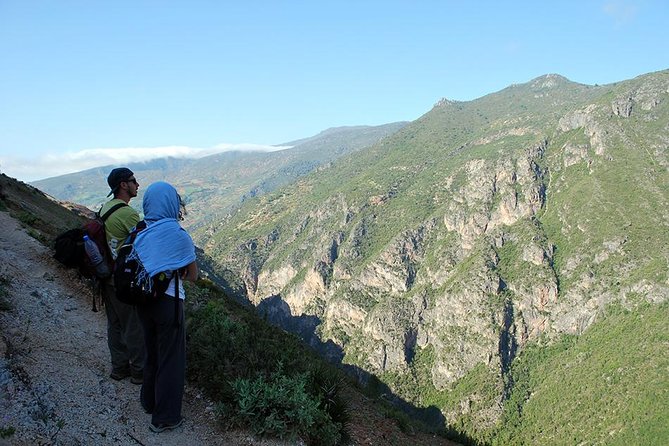
A 4-day trek doesn’t automatically mean it’s easy. The biggest practical warning from the experience details is the “full days” reality. Plan for many miles and meters of altitude gain, and treat this as real hiking rather than a casual walk.
Gear matters because you’re carrying everything yourself. Here’s what I’d take seriously:
- Good walking shoes with real traction (mountain paths can be slippery or uneven).
- A backpack that you can hike in comfortably for hours.
- Rain protection and layers, especially because forest zones and canyon areas can feel cooler or change quickly.
- Enough water planning for long trekking blocks (your body will thank you).
Because lunches aren’t included, you also need a plan for picnic food each day. Even if the route includes a picnic lunch, that doesn’t mean someone else will supply it from nowhere. Bring what you’ll actually want to eat when you’re hungry after hours on the trail.
My simple rule: pack like you’re staying outdoors, not like you’re commuting. You’ll walk more than you expect and you’ll feel every missing comfort item.
Mountain Lodges, Half-Board Meals, and Time with Locals
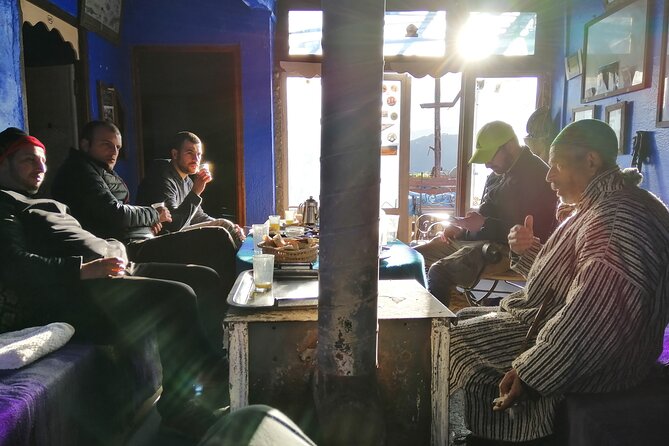
One of the most rewarding parts of this trek is that lodging and food are part of the cultural experience, not just logistical boxes. You sleep in mountain refuges and rural house settings—like Azilane, Afaska, and Akchour—which are built for hikers and people who live close to these trails.
You’ll also share meals that reflect local life. In this kind of setting, dinner is often the highlight because you’re tired, the smells and tastes feel sharper after hiking, and the pace slows down. Even if you don’t know Arabic or local dialects, it’s the kind of environment where conversations can happen through gestures, questions, and shared table time.
The trail itself also runs through rural areas and nearby dwellings, so you’re not just looking at mountains from afar. You’re moving through lived landscapes.
If you want a Morocco trek where you get more than a scenery checklist—if you want the human rhythm too—this format delivers.
Group Size, Privacy, and How the Guide Impacts Your Day
This is a private tour/activity, meaning only your group participates. In practice, that changes how your day feels:
- You’re more likely to get explanations that match your pace.
- Stops can be longer when the group needs it.
- You won’t feel rushed by a larger, faster-moving crowd.
The guide is also local and mountain-trained, which is worth it on multi-day hikes. Even when the trail seems straightforward, route knowledge and timing matter—especially around canyon and waterfall segments.
If you like tours that feel conversational and not stiff, private guided hiking is usually a good fit. You’re also less likely to miss smaller moments, like viewpoint breaks or the chance to listen for monkeys in the trees.
Who Should Book (and Who Should Consider Another Option)
This trek fits best if you:
- have moderate physical fitness and can handle long walking days,
- enjoy walking in nature and want to see the Rif beyond the usual city views,
- want lodging and meals handled so you can focus on the trail.
You might want to think twice if you:
- hate long days on foot or have trouble with altitude gain,
- don’t enjoy carrying your own bag and basic gear,
- expect a light, sightseeing-only walking plan.
Also, if you’re traveling with service animals, the experience allows them. It’s an important detail if you need that accommodation.
Should You Book This Rif Trek?
Yes, if you want a real trekking experience with organized lodging, dinner and breakfast included, and a private guide that keeps the hike personal. The itinerary makes sense for people who can handle 7–8 hours and about 10 hours of walking without needing the day to be “short” just because you’re on vacation.
Book it with confidence if your priorities are nature, canyon and waterfall scenery, and mountain guesthouse stays. Bring the right shoes, pack for long days, and plan for lunch-on-your-own time.
If your idea of Morocco is mostly cities and easy sightseeing, this may feel like too much hiking. But if you want the kind of trip where Chefchaouen’s famous streets are only part of the story—and the Rif Mountains are the main character—this one is a strong choice.
FAQ
How long is the trek?
The experience is about 4 days.
Where is the trek based, and how do you start?
It’s based in Chefchaouen. You can either be picked up from your hotel in the Chefchaouen medina or meet at a chosen point.
What meals are included?
You get three nights of accommodation with dinner and breakfast. Lunches are not included, and you’ll have picnic lunch during the trekking day.
Is this a private tour?
Yes. It’s private and exclusive, so only your group participates.
What fitness level do I need?
The trek is for people with moderate physical fitness.
What happens if weather is bad?
This experience requires good weather. If it’s canceled due to poor weather, you’ll be offered a different date or a full refund.