REVIEW · KATHMANDU
Annapurna Circuit Short Trek
Book on Viator →Operated by Adventure Bound · Bookable on Viator
One of Nepal’s classics, cut to fit your schedule. The Annapurna Circuit Short Trek keeps the big views and big effort, but trims the walking days so you can actually finish. I like that the route starts with real local life in Besisahar and then moves you into tea-house trekking mode with three meals a day.
What won me over is how much is handled for you: permits, a licensed guide, first-aid kit, maps, and even a sleeping bag and down jacket if you need them. Another plus is the way the trip is designed for people with moderate fitness—still serious trekking, just fewer days than the full circuit.
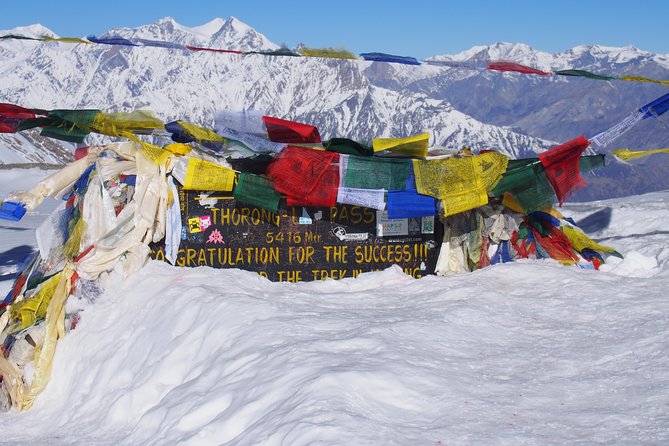
The main consideration: it’s still high-altitude trekking. If you’re not comfortable with long days, steep sections, and the idea of a major pass like Thorong La (5416m) (depending on your version), you’ll want to think carefully before booking.
In This Review
- Key Things I’d Highlight Before You Go
- From Kathmandu to the Trail: The Part You Want Done for You
- Tea Houses and Three Meals a Day: The Daily Rhythm
- Permits, Map, First Aid, and a Real Guide: The Value You Feel Day One
- Short-Circuit Trekking: What Your Walking Days Usually Aim For
- Thorong La and Tilicho Lake: When You Want the Extra Challenge
- Finishing Strong at Jomsom, Then Back to Pokhara
- Price and Logistics: Is $1,180 Actually Good Value?
- Who This Trek Suits Best (and Who Should Rethink It)
- Should You Book This Annapurna Circuit Short Trek?
- FAQ
- Where is the meeting point and when does the trek start?
- How long is the Annapurna Circuit Short Trek?
- What’s included for meals and lodging during the trek?
- Are permits included?
- Do I need to bring my own sleeping bag and down jacket?
- Is a porter included?
Key Things I’d Highlight Before You Go
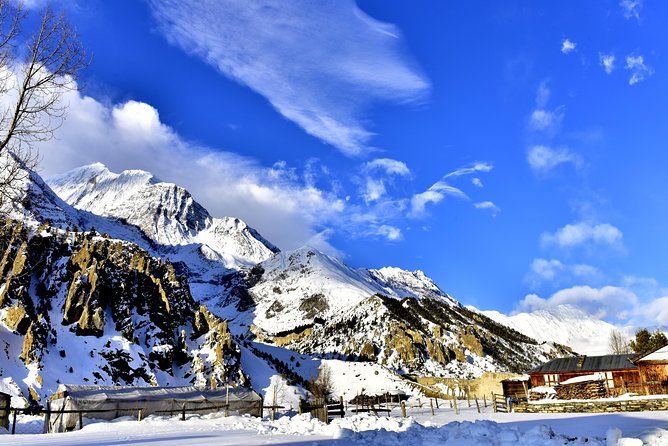
- Besisahar start: river-town energy, village scenery, and potential views of Annapurna II, Machhapuchhre, and Lamjung Himal.
- Three meals a day + tea houses: fewer daily decisions, more time hiking and enjoying the trail.
- Licensed guide support: guides praised for patience and humor, including Santosh, Raj, Bhakta Kubir Rai, Raman Aryal, Bibek, Sandip, and Anja Dhital.
- Gear coverage: sleeping bag and a down jacket are provided (with return required).
- A real finish with flight: your trip can end at Jomsom, then include a flight back to Pokhara.
- Optional high-altitude add-ons: some versions include Tilicho Lake (5000m) and Thorong La pass crossing.
From Kathmandu to the Trail: The Part You Want Done for You
This trek is built around the common problem in Nepal trekking: you want the Annapurna Circuit, but time says no. So you get a shorter circuit-style plan that still delivers the core experience—days of walking, tea-house stops, and the sense that you’re gradually trading city noise for mountain air.
Your day typically begins early, with a 7:15am start time and pickup offered from Kathmandu’s international airport. From there, the package uses a mix of road and air to reduce the number of days you spend in transit. You’ll have bus transport from Kathmandu to Bulbule, and there’s also a flight ticket from Jomsom to Pokhara included, which matters because it cuts out a big chunk of extra walking on the back end.
Before trekking really starts, you also get a useful buffer: one night accommodation with breakfast in Pokhara. Even if you’re the type who wants to go, go, go, that first hotel night can be a relief for laundry, early packing, and just getting your body ready to move again.
Besisahar is where the vibe changes. It’s a subtropical town on the Marshyangdi River with deciduous forests and mountain villages nearby. If conditions are right, it can be your first proper look at peaks like Annapurna II, Machhapuchhre, and Lamjung Himal, which is a great way to start a trek that you’ll be working hard on for days.
You can also read our reviews of more tours and experiences in Kathmandu.
Tea Houses and Three Meals a Day: The Daily Rhythm
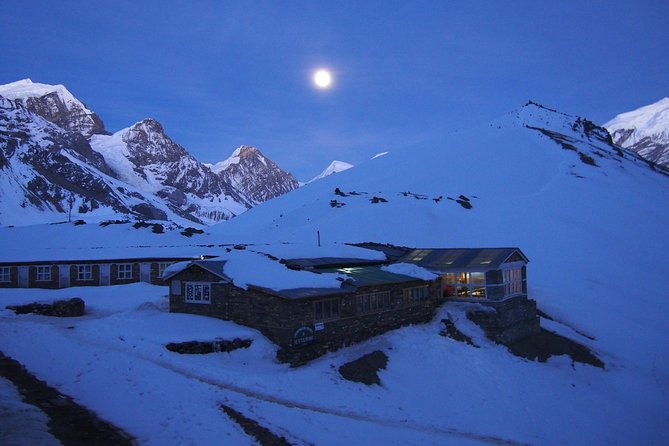
On this trek, you’ll sleep in tea houses, which means you’re not carrying everything for the night. It also means your days follow a familiar pattern: walk, rest, eat, sleep, repeat. That’s not just comfort. It’s a huge practical advantage when you’re trying to keep a shorter trek shorter—less logistics, less decision fatigue, more actual trekking time.
You’ll also get three meals a day (breakfast, lunch, dinner) during the trek. That matters because trekking days are already a rhythm challenge. Knowing lunch is coming, knowing dinner is coming, and not having to hunt for meals lets you focus on pacing instead of spending energy on logistics.
One subtle benefit: meal timing makes it easier to plan hydration. Tea-house trekking is often where people accidentally under-drink because they’re busy walking and stop only when they’re hungry. When your meals are already scheduled, you can be more intentional about water and salts, especially as altitude rises.
A practical reality: tea houses are comfortable enough for most people, but they are still simple mountain lodges. If you’re hoping for hotel-level pillows and silence, you might be disappointed. If you’re okay with basic comfort in exchange for location and flexibility, you’ll be very happy.
Permits, Map, First Aid, and a Real Guide: The Value You Feel Day One
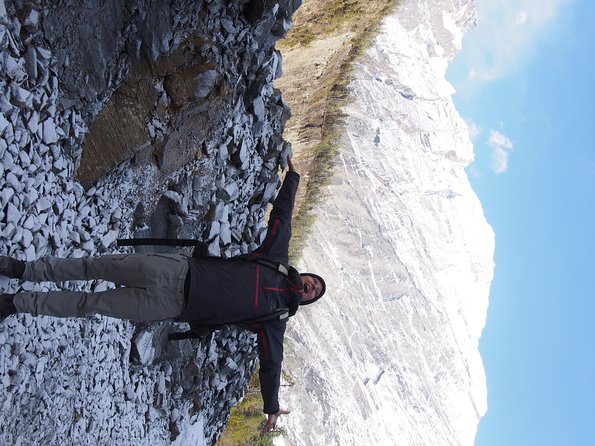
The package includes all necessary permits for the Annapurna Circuit Trek. That’s not glamorous, but it’s one of the best ways to avoid stress once you’re in Nepal. Paperwork in the mountains can be a headache; having it arranged ahead of time keeps your start clean.
You also get a trekking map and a first aid medical kit. The kit won’t replace medical care, but it’s a comfort to know there’s at least basic support on the road. For many people, that turns into peace of mind rather than something you use every day.
The biggest day-one difference is the guide. This is run with a Gov. Licensed experienced helpful and friendly guide, and the reviews consistently emphasize patience and enthusiasm. Names that show up in praise include Santosh, Raj, Bhakta Kubir Rai, Raman Aryal, Bibek, Devi Raman Aryal, Anja Dhital, and Sandip. Porters are also mentioned, including Beesal and Sandip in different accounts, which highlights that the team approach is part of how the trip runs.
Why I think that matters for you: a good guide makes route choices feel easier and turns the tough moments into manageable moments. In high-altitude trekking, the difference between a scary day and a survivable day is often calm coaching, not just fitness.
Also, this is described as a private tour/activity, meaning only your group participates. That generally helps with pace and comfort. In a trek this physical, pace matters. Stop too often and you freeze. Walk too hard and you burn. A private group makes it easier to find your tempo.
Short-Circuit Trekking: What Your Walking Days Usually Aim For
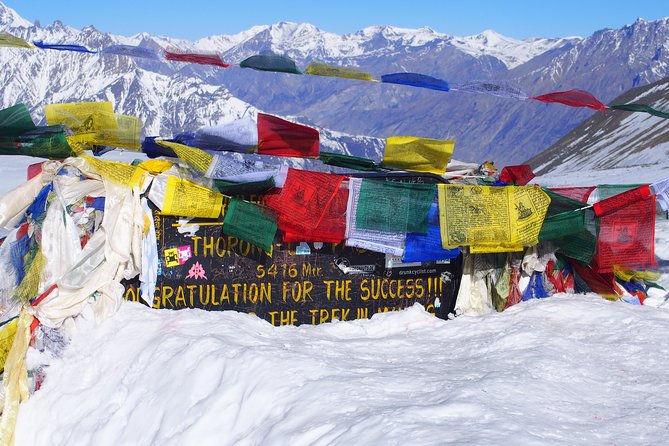
Because this is a short version, the goal is to hit the heart of the circuit without committing to the full classic timeline. The trip is described as doable in about 14 days including arrival and departure, with 12 days approx. for the trip itself.
The exact start and end points can vary based on the chosen route style, and the information you provided confirms multiple walking versions. For example, one version is described as 8 days of walking from Bagarchhap to Jomsom. Another accounts for 11 days of trekking from Jagat to Jomsom. Your plan can also be customized to your interests and schedule.
That flexibility is practical. You can build a route that fits your time and your comfort level rather than forcing yourself into a one-size-fits-all schedule. If you’re short on time, a version that starts and finishes closer together can be the difference between enjoying the mountains and counting days like they’re homework.
One more note from a route detail that stood out: Khopra Danda (3600m) shows up in the information. That suggests that some plans include higher viewpoints beyond the basic trail, giving you another way to enjoy the region even if you’re not trying to go as high as the big pass every day.
Thorong La and Tilicho Lake: When You Want the Extra Challenge
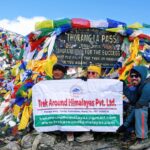
Some groups don’t just want the shortened circuit. They want the big altitude moments too. The data you shared includes versions that add Tilicho Lake (5000m) and a Thorung La Pass (5416m) crossing.
Here’s what that means for you in real life: those elevations are where trekking turns into work-work. You’ll likely be moving slower, and you’ll feel the cold more. The good news is that when the route includes these highlights, it tends to give you stronger peak-and-pass rewards—clear markers of achievement that you can remember for a long time.
If you’re deciding whether to choose the high add-ons, ask yourself one direct question: do you want your trip to feel like a serious expedition, or do you want a shorter circuit that’s intense but more forgiving?
The reviews hint at something important: guides are often credited for patience and care, especially when conditions get demanding. Names that come up with high-pass style routes include Raman Aryal (mentioned with both Tilicho Lake and Thorong La) and others like Raj and Bhakta Kubir Rai on different versions. That’s useful context because it suggests your experience will depend heavily on how the guide manages pace and altitude day by day.
Even with a good guide, altitude still has rules. If you get headaches, nausea, or feel unusually weak, you’ll need to be honest about it and not push through like you’re at the gym.
Finishing Strong at Jomsom, Then Back to Pokhara
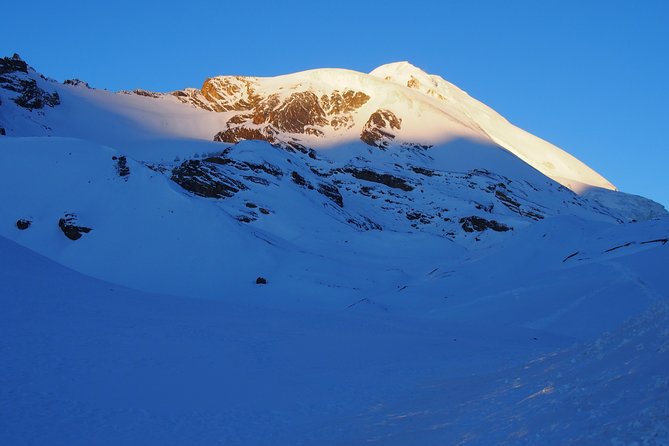
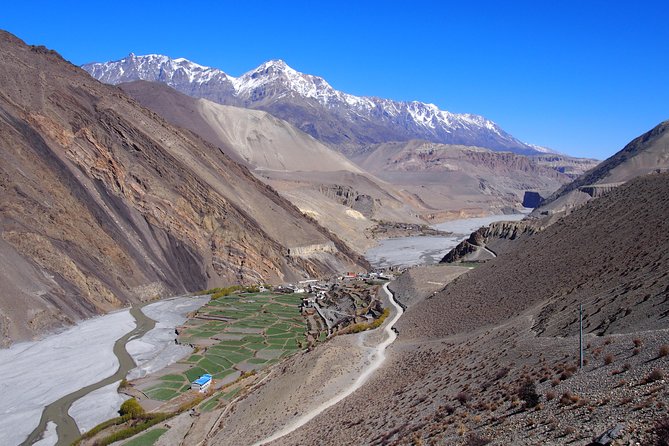
Most short-circuit versions in the details you provided end at Jomsom, and then you get that included flight ticket from Jomsom to Pokhara. That’s a big deal. It turns a potentially exhausting finish into a more comfortable landing, letting you recover sooner rather than adding extra trekking days.
Then you head back toward Kathmandu by tourist bus from Pokhara. One reason this works well is psychological. The day you reach Jomsom feels like the finish line. The flight and bus then feel like a gentle wrap-up, not a second trek.
If your plan matches the Bagarchhap-to-Jomsom or Jagat-to-Jomsom formats mentioned, you’ll want to treat the final days as a serious effort. Not because they’re necessarily harder than earlier days, but because your body is already tired and you still have to walk until you actually reach the point where transport kicks in.
Price and Logistics: Is $1,180 Actually Good Value?
At $1,180 per person, the price is not cheap. But in Nepal trekking terms, it’s also not only paying for a line on a map. This package bundles a lot of the stuff that costs time, stress, and sometimes extra money if you try to do it yourself.
Here’s what your money covers, based on the provided details:
- Pickup from Kathmandu international airport
- One night in Pokhara with breakfast
- Bus transport Kathmandu to Bulbule
- Permits
- Three meals a day during the trek
- Tea house accommodation
- A licensed guide
- Sleeping bag and down jacket if you need them (returned after the trip)
- Trekking map and first aid kit
- Flight from Jomsom to Pokhara
- Tourist bus transport back to Kathmandu
- Government taxes and office service charges
What isn’t included is also important. You’ll need to budget for accommodation in Kathmandu, and you’ll cover personal expenses like phone calls, laundry, battery recharging, bottles, shower costs, and bar bills. Travel and rescue insurance isn’t included. Also, there’s no mention of a porter being included in the package details you provided, so carrying your own pack is something you should assume unless your specific option says otherwise.
So the value question becomes: are you the kind of traveler who wants less friction? If yes, this package tends to fit. You’re buying organization plus the kind of guide support that can make altitude feel safer and more manageable.
If you already know the trail, have gear ready, and don’t need help with permits or transfers, you may feel like you’re paying for services you could assemble on your own. But most people doing a high-altitude trek for the first time prefer not to gamble with planning.
Who This Trek Suits Best (and Who Should Rethink It)
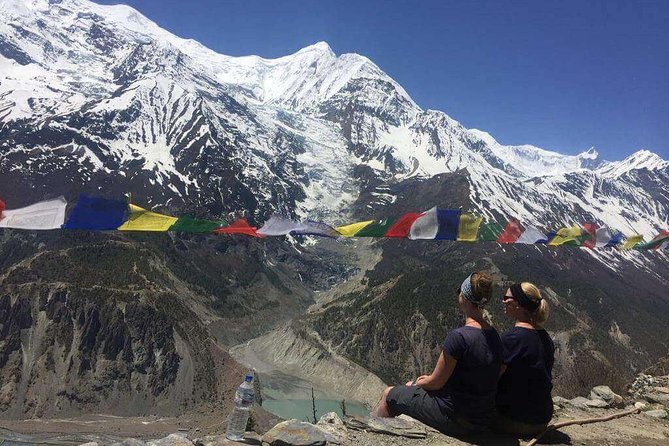
This short Annapurna Circuit-style trek is aimed at people with moderate physical fitness. That sounds soft, but don’t let it fool you. Moderate fitness on the Annapurna Circuit still means you should be able to handle daily hiking, long walks, and changing weather.
It’s a great fit if you:
- Want the famous Annapurna region but can’t commit to the full classic circuit.
- Like having your key logistics handled so you can focus on walking and views.
- Appreciate guided trekking, especially if you like learning from locals.
- Want the option to go for a high pass day like Thorung La (5416m), if your version includes it.
It might not be the best fit if you:
- Want a low-effort trip. This isn’t that.
- Fear altitude or are not comfortable with cold and long days.
- Are counting on a porter being provided automatically.
One more practical thought: this is private for your group only, so it’s easier for the guide to adjust pacing. That makes it a strong option for couples and small groups who don’t want to constantly match someone else’s stride.
Should You Book This Annapurna Circuit Short Trek?
If your heart is set on Annapurna but your calendar is tight, I think this is one of the more sensible ways to do it. The combination of permits handled, meals included, tea-house lodging, and a real back-end flight from Jomsom to Pokhara helps a lot. You end up spending your energy on the trail, not on logistics.
I’d book it if you’re realistic about the physical effort and you pick the version that matches your comfort level. If you’re tempted by add-ons like Tilicho Lake (5000m) and Thorong La (5416m), make sure you truly want the extra altitude challenge, not just the brag.
And if you’re the type who loves learning from a guide who stays calm and encouraging—names like Santosh, Raj, Raman Aryal, Bibek, and others suggest that’s been a consistent strength—you’ll likely feel good about choosing this trip.
FAQ
Where is the meeting point and when does the trek start?
The meeting time listed is 7:15am, with pickup offered from Kathmandu international airport.
How long is the Annapurna Circuit Short Trek?
The trip is described as 12 days (approx.), and it can be completed in 14 days including arrival and departure.
What’s included for meals and lodging during the trek?
You get three meals a day (breakfast, lunch, dinner) and tea house accommodation during the trek.
Are permits included?
Yes. All necessary permits for the Annapurna Circuit Trek are included.
Do I need to bring my own sleeping bag and down jacket?
If you don’t have them, the package includes a sleeping bag and down jacket. You have to return them after the trip.
Is a porter included?
A porter is listed as not included.