REVIEW · CHEFCHAOUEN
2 days trekking from Chefchaouen to Akchour
Book on Viator →Operated by Chefchaouen Adventures · Bookable on Viator
Chefchaouen to Akchour is the kind of hike that swaps busy streets for mountain air. I really love the private guide and the way you get to see real village life, not just famous viewpoints. I also like that the route is built around Talassemtane National Park and ends at God’s Bridge at Akchour. The only real drawback to know up front: this is a sporty trek, with a strong uphill/downhill day and a moderate fitness requirement.
You start with a pickup that handles even the tricky medina streets, then ease into the nature parts through forests, small villages, and rock formations. Day 2 is all about the red-rock canyon feel—short stops that build toward the best light. If you’re looking for something gentle and mostly flat, you’ll want to choose a different option.
In This Review
- Key Takeaways Before You Go
- Chefchaouen Start: Kasbah, Cemetery, Mosque Views, and a Panoramic Warm-Up
- Talassemtane National Park: Forest Paths, Village Stops, and Wildlife Chances
- Afeska Rural House Overnight: Dinner, Quiet Evenings, and Mountain Conversation
- Day 2 at Akchour: Cascades Area, Then God’s Bridge for Sunset Light
- Hiking Reality Check: A Sporty Two Days (With Breaks That Matter)
- Value and Comfort: What $153.37 Buys You in the Rif Mountains
- Who This Trek Suits Best (and Who Might Want a Different Option)
- Should You Book the Chefchaouen to Akchour Trek?
- FAQ
- Where does pickup happen in Chefchaouen?
- Is this trek private or shared?
- How long is the trek from Chefchaouen to Akchour?
- What meals are included?
- Do I need a local guide?
- Is there an overnight stay?
- Do you provide transportation back to Chefchaouen?
- What is the main highlight on Day 2?
- What should I bring for the hike?
- Are there any restrictions for visiting mosques in Chefchaouen?
Key Takeaways Before You Go
- Private guide, personalized pace: you’re not blended into a big herd, and the guide can tailor breaks.
- Afeska rural house overnight (half-pension): you get a real night in the mountains, with dinner included.
- God’s Bridge is the main event: plan your time so you’re there for the sunset light.
- Talassemtane National Park scenery: expect forests, small settlements, and lots of local flora and fauna.
- Pickup even inside the medina: less stress, especially if your hotel is in the narrow maze.
- Picnic lunch not included: you’ll want to be ready for snacks or plan for what’s provided.
Chefchaouen Start: Kasbah, Cemetery, Mosque Views, and a Panoramic Warm-Up
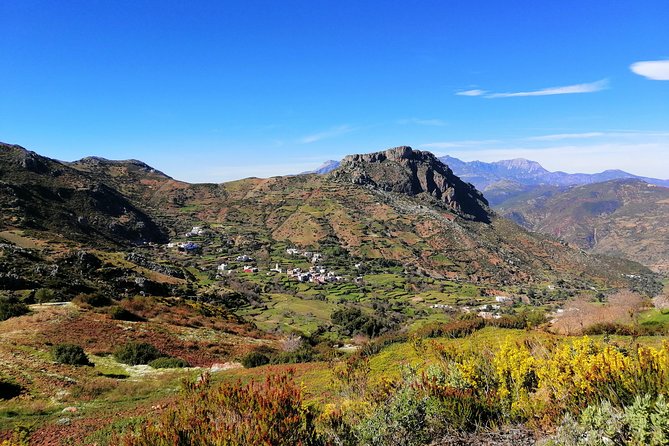
This trek begins right where Chefchaouen feels most alive. The pickup is designed for real travel trouble, not fantasy travel. You can be collected from any hotel in town—even if it’s tucked deep inside the medina and your street feels too narrow for comfort. That one detail is worth something. It saves you time, and it keeps the day from starting with a fight against stairs and wrong turns.
Before you hit the trail rhythm, you get a slow, smart introduction to the city’s landmarks. You’ll pause at the central square, where life clusters around the Kasbah (fortress) area. The Kasbah isn’t just a wall and a view. Inside, there’s a garden plus a small ethnographic museum and an art space for local creators. It’s a good way to understand how Chefchaouen has changed over time without turning it into a checklist.
Then you’ll notice quieter touches that most people skip. The Chefchaouen Cemetery stop gives context through Arabic inscriptions on tombs, and it’s a reminder that this place isn’t a theme park. Next up is the Grande Mosque, with its unusual octagonal minaret—an Andalusian-style influence in stone and shape. One important note: non-Muslim visitors aren’t permitted inside the mosque, so you’ll get the exterior appreciation and the general experience rather than a full interior visit.
Your first true trekking start point is built into the day. You’ll stop at the Bouzafer Mosque for a panoramic look over Chefchaouen—short time, big payoff. It’s the moment when the city fades behind you and you can feel the mountains calling. In my book, a viewpoint warm-up like this helps you adjust mentally before the uphill starts.
You can also read our reviews of more tours and experiences in Chefchaouen.
Talassemtane National Park: Forest Paths, Village Stops, and Wildlife Chances
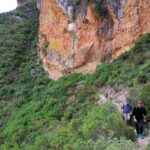
Once you’re rolling into the park area, the vibe changes fast—in a good way. Talassemtane National Park means cold spring in Berber, and that idea fits the experience: the air tends to feel cooler under tree cover, and the route moves through forested stretches where you can actually slow down and look.
This is where you’ll get the “how Morocco really feels” moments: small villages, gentler pauses, and rock formations that look better in person than in photos. The guide keeps things grounded with practical observations—local plants, how the terrain works, and what to watch for. Based on past trekkers’ experiences with guides like Najib and Mohamed, the guiding style tends to be friendly and hands-on, not lecture-mode. Some guides also help you practice Arabic in real conversations, which turns the hike into more than just moving uphill.
You’ll also drive versus walk depending on conditions and how the day is paced. That flexible mix matters. It helps the trek feel manageable even when the total distance is serious, and it gives you time to enjoy the surroundings instead of feeling like you’re sprinting between bus stops.
Nature opportunities do come up too. One past trekker mentioned monkeys spotted at a distance—no guarantee, but it’s the kind of wildlife moment that can happen when you slow your pace and look beyond the next turn. You can also expect plenty of flora and fauna attention, especially when the guide points out what’s growing where and why.
Afeska Rural House Overnight: Dinner, Quiet Evenings, and Mountain Conversation
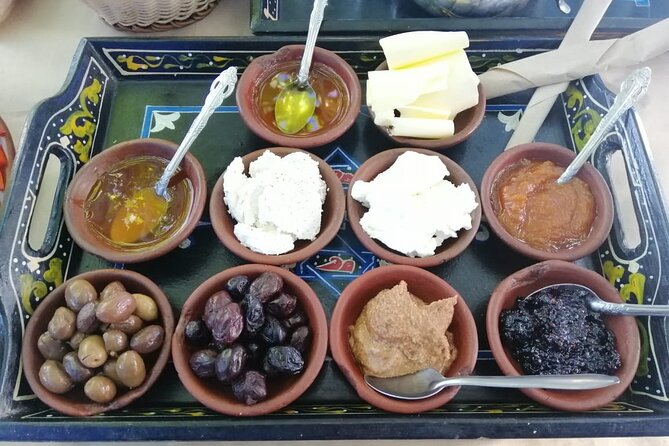
The overnight is a highlight for a reason. You’re not sleeping in a soulless stopover. You’re staying at a rural house in the Afeska area inside the park region. That’s the part that makes this trek feel like a real exchange, not a drive-through nature stop.
The deal includes breakfast and dinner, and the overnight is structured around half-pension. So while you’re still responsible for your own comfort (layers, water, and basic trekking prep), you’re not stuck hunting for meals late at night. This removes stress when the day’s tiredness hits.
What I like about sleeping in this kind of setting is the pace shift after the hiking. Even when the trail is active, the evening tends to be calmer. Past trekkers described mint tea in the mountains and downtime that included conversation and even local board games. That kind of detail sounds small until you’ve had a long day on your feet. Then it becomes the difference between a “logistical night” and a night you remember.
You’ll also learn customs and everyday rhythms from the people around the rural house. Sometimes that learning is formal (through explanation), and sometimes it’s just you asking questions at the right moment. With guides like Nagib (spelled that way in one account), the tone tends to be warm and encouraging—especially if you want to try your Arabic beyond a few memorized phrases.
Day 2 at Akchour: Cascades Area, Then God’s Bridge for Sunset Light
Day 2 starts with the Akchour area and includes a stop connected to Cascades d’Akchour. The schedule then pivots quickly to the star of the show: God’s Bridge. In practice, that means you get time to see the canyon formations and then focus your time on the bridge itself.
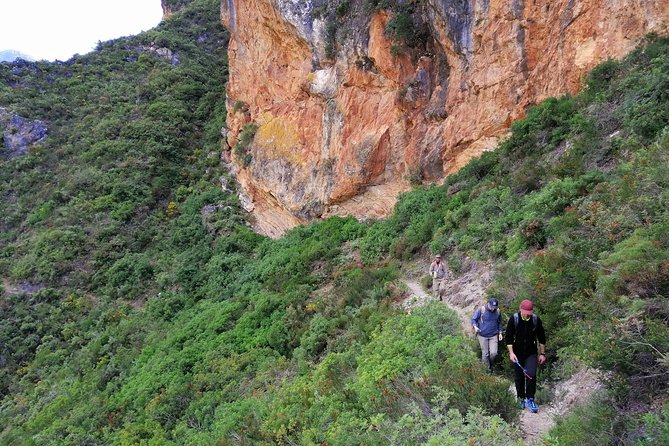
The route toward God’s Bridge includes geological formations along the way—red rock features that look different depending on where the sun hits. Your guide helps you build your timing toward the key moment. The bridge is best when the setting sun makes the rock glow. So if you’re the kind of person who always wants one more photo, plan to stay a bit later than you think. The bridge lighting is the payoff.
When you reach Akchour village, you’ll have a short window for lunch or a mint tea by the river. This is a nice reset. You’ve spent the day moving, and now you can take a breather without the pressure of catching the next bus. Even better: the experience is set up so that once you’re done, you’re not stranded. A taxi transfer from Akchour back to Chefchaouen is included.
One more practical note: this is a 2-day trek, and it’s clearly structured around the bridge/canyon highlights. If you’re specifically chasing every possible water feature in the Akchour area, you might find that one extra day would help you go deeper. But for most hikers, the bridge and sunset viewpoint hits the sweet spot of time versus effort.
Hiking Reality Check: A Sporty Two Days (With Breaks That Matter)
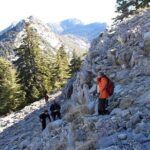
Let’s talk fitness honestly. The description calls for moderate physical fitness, and the route feels more “serious hike” than casual stroll. One past trek account listed about 1,300 meters of positive elevation and 900 meters of negative elevation on day 1, which is a big day in mountain terms. Even if your exact stats vary with the chosen path and conditions, you should assume you’ll be working your legs.
This is also a trek where the private guide can help manage your effort. You’ll get breaks, guidance on where to place your steps, and advice on how to pace. That’s especially helpful if you’re not used to mountain uneven ground.
What I’d pack (based on the nature setup and included meals):
- Layers: mornings can feel cool in the mountains, then warm as you hike.
- Comfortable hiking shoes with grip.
- Water and small snacks if you know you’ll get hungry.
- Sun protection (cap + sunscreen), since you’re mixing forest with open viewpoints.
- A light rain layer, because weather can shift fast in mountainous areas.
Also remember: picnic lunch isn’t included. The schedule includes meals like breakfast and dinner, plus time for lunch/tea in Akchour, but you shouldn’t assume you’ll have a full packed lunch sitting in your bag. If you snack often while hiking, bring your own.
Value and Comfort: What $153.37 Buys You in the Rif Mountains
At $153.37 per person, this trek isn’t trying to be a bargain basement deal. It’s priced like a guided, two-day experience with a real overnight and transfers handled for you.
Here’s where the value shows up:
- Local mountain guide for both days. That matters because guides aren’t just “showing the path.” They point out what you’re walking past—plants, formations, and cultural context.
- Overnight at Afeska rural house with breakfast and dinner included (half-pension). Lodging + meals bundled into the trek price is usually where value hides.
- Pickup in Chefchaouen, including medina hotels. That saves time and hassle at the start.
- Transfer from Akchour back to Chefchaouen by taxi, which prevents the “now what?” feeling after day 2.
The one part not included is the picnic lunch, so you’ll budget a bit for snacks or an extra meal plan. But overall, you’re paying for coordination, guidance, and a genuine night in the mountains—not just a couple hours of walking.
One small planning detail: this trek tends to be booked about 38 days in advance on average. That suggests it’s popular in the season when people want nature without losing comfort. If your dates are fixed, booking earlier is smart.
Who This Trek Suits Best (and Who Might Want a Different Option)
This is a good fit if you want:
- A private guided trek rather than a crowded group.
- Mountain nature with a cultural thread through villages and local storytelling.
- A sunset-focused goal with God’s Bridge at the center of day 2.
- An overnight experience that feels more human scale than hotel scale.
It may not be ideal if:
- You want a flat, low-effort walk.
- You hate timing your day around sunset light.
- You’re very strict about avoiding any hiking intensity.
If you travel solo or as a couple, the private format feels especially worth it. If you’re part of a small group, the tour stays private and flexible, which is a nice middle ground between solo and big group travel.
Should You Book the Chefchaouen to Akchour Trek?
I’d book this trek if you’re the kind of traveler who likes your days to have a shape: start with Chefchaouen landmarks, walk into Talassemtane National Park, sleep in a rural mountain setting, then finish with a real payoff viewpoint at God’s Bridge. The mix of nature + village culture + guided interpretation is exactly the formula I prefer when I want Morocco beyond city photos.
But I’d think twice if you want something easy. This is sporty enough to deserve respect, and the moderate fitness requirement isn’t just fine print. If you’re honest about your hiking level, though, you’ll likely find the overnight and sunset viewpoints make the effort feel worth it.
If you book, plan your day 2 mindset early: your best photos and your best feeling at God’s Bridge come when you’re there for the light, not when you rush through the stop.
FAQ
Where does pickup happen in Chefchaouen?
Pickup is available from any hotel in Chefchaouen, including hotels inside the tricky medina streets.
Is this trek private or shared?
This is a private tour/activity. Only your group participates.
How long is the trek from Chefchaouen to Akchour?
The experience is about 2 days.
What meals are included?
Breakfast and dinner are included. Lunch is not listed as included, and a picnic lunch is not included.
Do I need a local guide?
Yes. The trek includes a local mountain guide.
Is there an overnight stay?
Yes. You’ll stay overnight at a rural house (Afeska) in the mountains, with half-pension included.
Do you provide transportation back to Chefchaouen?
Transfer from Akchour to Chefchaouen by taxi is included.
What is the main highlight on Day 2?
The main focus is God’s Bridge at Akchour, with a timing that allows you to enjoy the red-rock canyon area, especially around sunset.
What should I bring for the hike?
You should have moderate physical fitness and be prepared for hiking. Since picnic lunch is not included, bring snacks if you need them and pack basic trekking essentials like layers and good shoes.
Are there any restrictions for visiting mosques in Chefchaouen?
Non-Muslim visitors are not permitted to enter the Grande Mosque. You can still admire it from outside.