REVIEW · KATHMANDU
Ghorepani Poonhill Trek
Book on Viator →Operated by Luxury Holidays Nepal Pvt. Ltd. · Bookable on Viator
Sunrise at Poon Hill is pure drama. I love how this trek pairs Poon Hill sunrise with lush rhododendron trails, so you get both mountain spectacle and a real walking rhythm through the Annapurna foothills. You’ll also get to spend time in classic village settings and connect with local Gurung culture along the way, plus Kathmandu and Pokhara sights to round it out.
One thing to consider: the hiking days are long enough to take effort, with multiple 5–6 hour stretches and steady uphill climbing. If you’re not used to daily mountain walking, plan on taking it slow and wearing solid boots from day one.
In This Review
- Key highlights worth your attention
- Ghorepani Poonhill: why this trek hits the sweet spot
- Kathmandu day 1 and UNESCO-style sightseeing
- Pokhara transfer: setting the stage for the Annapurna foothills
- From Nayapul to Tikhedunga: start climbing early
- Tikhedunga to Ghorepani: rhododendron season energy
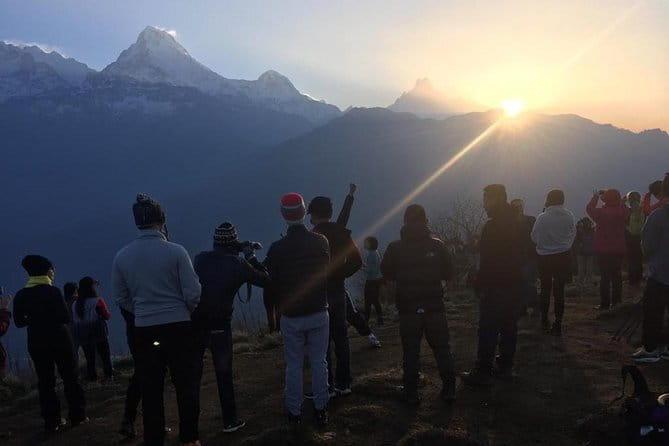
- The Poon Hill moment: sunrise at 3,210 meters and a trek to Tadapani
- Tadapani to Ghandruk: a shorter day with a cultural payoff
- Ghandruk to Nayapul and back to Pokhara: finish strong
- Teahouses and local food: simple comfort that keeps you moving
- Guides and porters: pace, route choices, and real mountain skills
- Price and logistics: why $299 can make sense (and when it won’t)
- What to pack and how to prepare for moderate hiking
- Who this Ghorepani Poonhill Trek fits best
- Should you book this Ghorepani Poonhill Trek?
- FAQ
- How long is the Ghorepani Poonhill Trek?
- What time does the experience start?
- What’s the main mountain highlight?
- Are breakfasts and trekking accommodations included?
- Do you include pickup from the hotel and airport?
- Is vegetarian food available?
- Is there extra cost for solo travelers?
- Can I cancel for a full refund?
Key highlights worth your attention
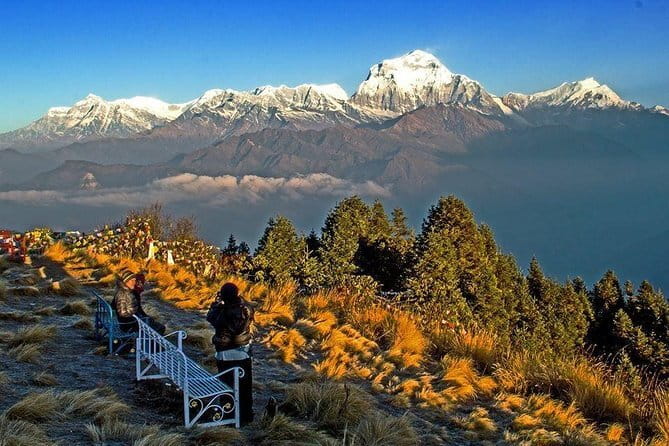
- Poon Hill sunrise views over Annapurna, Dhaulagiri, Manaslu, and more
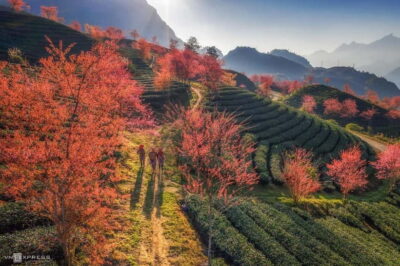
- Rhododendron forests that keep the trail visually interesting as you gain altitude
- Gurung culture stopovers, including time in Ghandruk
- Teahouse nights with local meals, so you’re never far from comfort
- Guide and porters built into the package, including the porter ratio (1 porter for 2 people)
Ghorepani Poonhill: why this trek hits the sweet spot
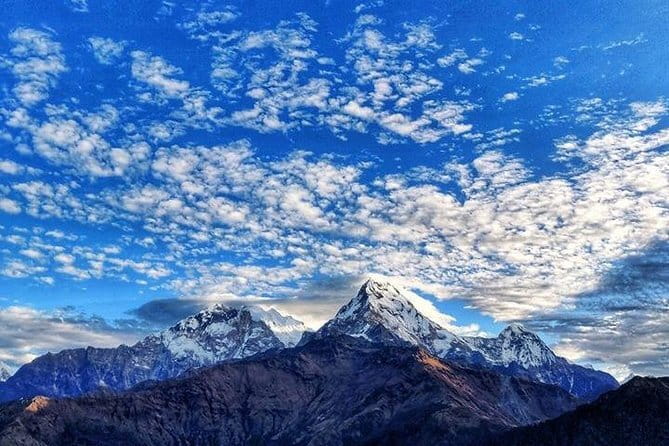
The Ghorepani Poonhill Trek is famous for a reason: it delivers big Himalayan payoff without demanding Base Camp-level logistics. You’re walking through subtropical valleys and classic village routes, then topping it off with one of the most striking sunrise viewpoints in the Annapurna region.
What I like most is the balance. You get scenic variety—rhododendron-covered stretches, stone-step climbs, and village mornings—then a clear “moment” at Poon Hill where the mountains go from silhouette to full drama.
And it’s not just about views. Along the route, you’ll be exposed to everyday Nepal life: small paths between homes, community guesthouses, and a culture that shows up in how people greet you and how they explain their home.
You can also read our reviews of more tours and experiences in Kathmandu.
Kathmandu day 1 and UNESCO-style sightseeing
You start in Kathmandu with arrival and a pre-trip meeting at the hotel. That small step matters because it helps you get your bearings fast—what to expect on the trek, how the team works, and how your first travel day will flow.
Then you get a full day recreational tour around Kathmandu, often described as the city of temple and the capital valley. The day also includes visits to UNESCO World Heritage sites, which gives you an easy way to understand Nepal’s historic layers before you head into the mountains.
This is also a smart pacing choice. You’re not immediately thrown into hiking; you’re grounded in Kathmandu first, then transition to trekking with fewer surprises.
Pokhara transfer: setting the stage for the Annapurna foothills
After Kathmandu, you drive about 200 km (6–7 hours) to Pokhara. It’s a long road day, but it’s also part of the fun—this route is the main gateway into Annapurna trekking, so you’ll feel the country change as you move from city energy toward trail country.
Pokhara then becomes your base for the trek start and end. You’ll drive from Pokhara to the trek starting area at Nayapul, and later you’ll return to Pokhara to enjoy a full sightseeing day.
That sightseeing day is your decompression window. You go from daily climbs and teahouse routines to lakeside-style wandering and time to rest your legs. It’s a practical way to avoid ending the trek “too abruptly.”
From Nayapul to Tikhedunga: start climbing early
Your first trekking day begins after a drive from Pokhara to Nayapul (about 1 hour). Then you hike to Tikhedunga in roughly 3–4 hours.
This leg matters because it introduces the walking style you’ll keep using all week: uphill effort, village-to-village paths, and that rhythm where you’re always one turn away from a new view. It’s not the hardest day, but it’s the day that gets your legs awake.
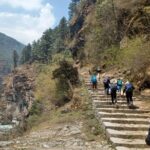
One practical consideration here: stone steps are part of the route in this region, and the early climb sets the tone. Go steady, sip water often, and don’t force pace on day one just because you feel eager.
Tikhedunga to Ghorepani: rhododendron season energy
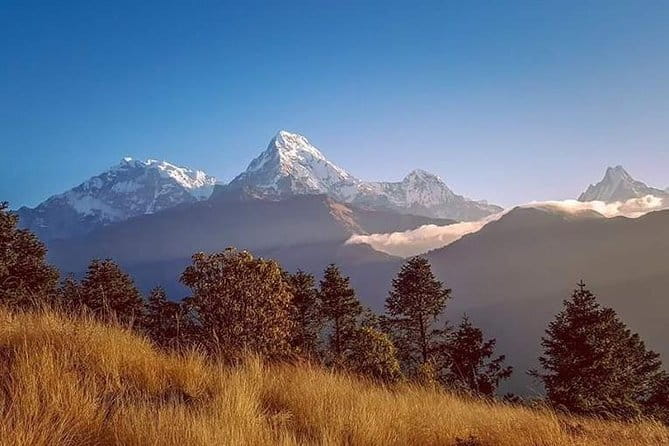
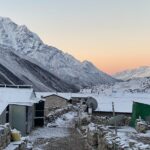
The trek from Tikhedunga to Ghorepani takes about 5–6 hours. This is where the “Annapurna foothills” feeling really shows—lush trail sections and the classic rhododendron vibe, especially when forests are flowering and the air feels alive with birdsong.
Ghorepani is also where you start thinking about the next day’s plan. This is the build-up phase: you’re putting in the walking work now so you can enjoy Poon Hill sunrise later without scrambling.
Expect teahouse-style accommodation here and throughout the trek. That means you’re moving through small rooms, shared dining spaces, and simple comfort. The payoff is that you can focus on the trail instead of planning overnight logistics every day.
The Poon Hill moment: sunrise at 3,210 meters and a trek to Tadapani
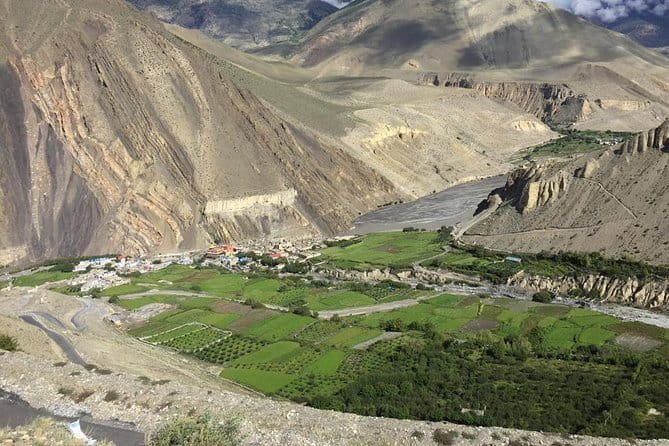
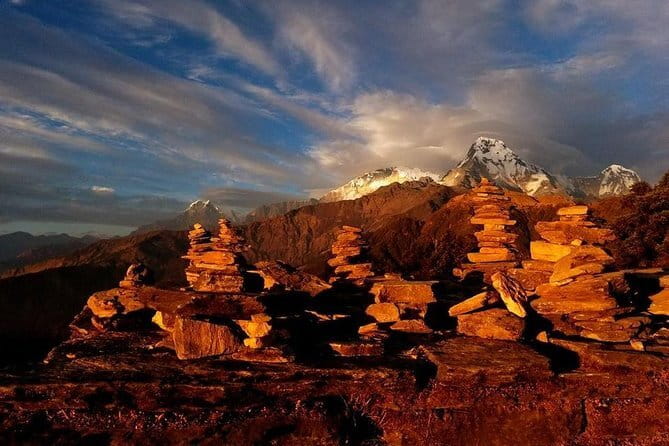
Day 6 is built around the big payoff. You hike up to Poon Hill (3,210 m / 10,530 ft), then continue on to Tadapani (about 5–6 hours total for the day).
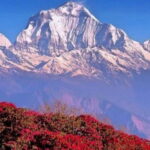
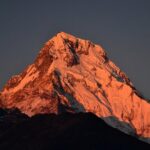
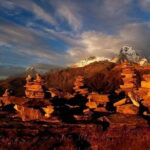
The view list is the reason people come: the Annapurna massif, Gangapurna, Himchuli, Dhaulagiri, Manaslu, and Ganesh Himal. When sunrise hits these peaks, the whole region feels like it’s been turned up a notch.
After that viewpoint high, you still hike to Tadapani. This is one of those “two-part” travel days where sunrise is emotional, but your legs still need to finish the job. Bring snacks, keep layers handy, and expect cold early hours if you’re out before the sun fully warms things.
Tadapani to Ghandruk: a shorter day with a cultural payoff
The day from Tadapani to Ghandruk is about 3–4 hours. That shorter walking window is a real relief after the Poon Hill day, and it gives you time to settle into the village atmosphere.
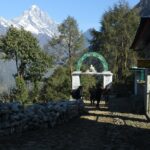
Ghandruk is a key cultural stop. This area is tied to Gurung community life, and it’s one of the places where the trek feels more like living travel than just scenery chasing.
Even if you’re mainly there for mountains, this village time is what makes the trip feel human. You slow down, interact more, and notice how guesthouses work in a real community—not in a tourism bubble.
Ghandruk to Nayapul and back to Pokhara: finish strong
On day 8, you hike from Ghandruk to Nayapul and then return to Pokhara. The hike is about 4–5 hours plus the drive back.
This day helps you close the loop in a clean way: your trek ends where it began, and Pokhara becomes your reset point. It’s also a practical finish because you get back to a town where you can eat freely, shower comfortably, and rest without worrying about tomorrow’s route planning.
Then day 9 is another full Pokhara sightseeing day. You’re essentially choosing what pace feels right: easy strolling, café breaks, and time to enjoy the “city of lakes” mood.
Teahouses and local food: simple comfort that keeps you moving
Throughout the trek, you stay in lodges/guest houses in twin sharing rooms with breakfast included. Rooms are basic by design. That’s not a weakness here—it’s part of how this trek stays affordable and practical.
Food is another strong point. The trek emphasizes local organic food during the walking days, and you’ll eat in the same teahouse system that keeps the trail running. You won’t be eating like you’re at home, but you will be eating in a way that supports the hike.
What to expect day to day is pretty straightforward: breakfast to fuel the morning start, meals at the lodge dining area when you finish hiking, and evenings where you can relax without needing power tools or advanced plans.
Guides and porters: pace, route choices, and real mountain skills
This package includes an experienced guide plus porters, with a 1 porter for 2 people ratio. That matters because it affects how you feel each day. When someone is handling loads, you can keep your focus on breathing, footing, and enjoying the trail.
The value shows up in small things that you only appreciate once you’ve been in the mountains: route direction, timing, and knowing where the best mountain view spots might be. One team experience highlighted how Pradip (guide) and Sunil (porter) helped set a comfortable pace through skill, which is exactly what you want for long days.
Another strong example is guide Rupak Kadel, praised for being attentive, cheerful, and focused on doing the job well. Even if your guide isn’t the same person, the overall role is the same: keep you moving safely, keep you informed, and help you make the most of view opportunities.
And yes, it’s a private setup. This is a private tour/activity, so you’re not sharing the trek plan with random strangers.
Price and logistics: why $299 can make sense (and when it won’t)
At $299 per person, the price feels targeted toward people who want structure without paying for a high-end service level. What’s included is substantial: accommodations in hotels and teahouses (with breakfast), private transfers from hotel and airport, bus transport Kathmandu–Pokhara–Kathmandu, and private vehicle transfers around the trek starting and ending points.
You’re also getting a guide, porter support, government taxes and official expenses, plus down jackets, duffle bags, and trekking route maps if needed. That’s the kind of package bundling that can save you hassle and last-minute spending.
The part to double-check for value is meal coverage. Breakfast is included, and you have a farewell dinner in Kathmandu with a Nepali restaurant and cultural dance program. But lunch and dinner during Kathmandu, Pokhara, and trekking days are listed as not included, so you’ll need to budget for those meals on your own.
If you’re traveling solo, there’s a single supplementary charge of USD 300. In that case, the $299 figure becomes less of a bargain, so you should compare it against the cost of going independently with guides and transport.
What to pack and how to prepare for moderate hiking
The trek suits people with moderate physical fitness. That doesn’t mean it’s easy, just that it’s realistic if you train a bit and keep expectations aligned with daily effort.
Because you’ll be at different elevations and out for early sunrise timing, think in layers. Even with down jackets provided, you’ll still want warm base layers and a good hat/gloves plan for cold mornings.
Footwear is non-negotiable. Steps and uneven trail surfaces demand grip and support. If you show up in brand-new shoes or worn-out soles, your body will notice before your camera does.
Also plan for basic teahouse living: limited space, simple bathrooms, and shared dining areas. That’s normal here, and it’s why travel style matters as much as fitness.
Who this Ghorepani Poonhill Trek fits best
This is a great match if you want:
- A classic Annapurna foothills trek with village life and rhododendron scenery
- Poon Hill sunrise as a top highlight without extreme acclimatization plans
- A guided, organized trip that handles most transport and overnight logistics
- Kathmandu and Pokhara sightseeing built in, so you get a full Nepal taste
It’s less of a fit if you want a fully relaxed stroll every day. The walking hours are often in the 3–6 range, and the itinerary includes climbing and descending through multiple segments.
Should you book this Ghorepani Poonhill Trek?
If you want mountains, sunrise, and real village trekking—without turning the trip into a logistics project—this package is a strong choice. I especially like how it combines the Poon Hill highlight with meaningful stopovers like Ghandruk, then gives you breathing room in Kathmandu and Pokhara.
Book it if your fitness is moderate and you’re okay with teahouse basics. Consider another option if you require a heavy meal plan on every day or if solo travel cost would stretch your budget.
FAQ
How long is the Ghorepani Poonhill Trek?
The trek duration is about 11 days (approx.). It starts with arrival and a pre-trip meeting in Kathmandu, then includes Kathmandu and Pokhara sightseeing, trekking, and a final departure day.
What time does the experience start?
The start time is 9:00 am.
What’s the main mountain highlight?
The main highlight is the sunrise viewpoint at Poon Hill, reached at 3,210 meters (10,530 ft). From there you can see the Annapurna massif and several other major Himalayan peaks.
Are breakfasts and trekking accommodations included?
Yes. Accommodation during the trek is in lodges/guest houses with twin sharing rooms, and breakfast is included (10 breakfasts are listed).
Do you include pickup from the hotel and airport?
Yes. The package includes pickup from and drop off at the hotel and the airport on a private vehicle, plus private vehicle transportation for the trek starting and ending points.
Is vegetarian food available?
A vegetarian option is available. You should advise dietary requirements at the time of booking.
Is there extra cost for solo travelers?
Yes. A single traveler supplement of USD 300 applies.
Can I cancel for a full refund?
Yes, free cancellation is offered. You can cancel up to 24 hours in advance of the experience start time for a full refund.