REVIEW · CENTRAL MOROCCO
Trekking in Morocco / Atlas Mountains and Sahara Trek (5days)
Book on Viator →Operated by Trekking in Morocco · Bookable on Viator
Toubkal plus the Sahara in five days. What makes this trek so special is the mix: High Atlas hiking (including the climb to Mount Toubkal) followed by the camel trek to Erg Chebbi at Merzouga. I love that you’re moving day to day, so Morocco changes right in front of you, from mountain villages to desert nights. I also like the human touch here: you get a qualified guide, plus mules for baggage and food, and the walking pace is planned for real travelers (not just gym heroes). One thing to consider is the walking load: Day 2 is a long one (around 10–12 hours), and you’ll want moderate fitness.
Your trip starts with pickup in Marrakech and heads up to Imlil, where you meet your guide and organize mules, then trek toward Neltner Refuge at 3207m. The second day turns into the big moment—summiting Mount Toubkal (4167m)—with views that open up toward the desert. From there you travel through classic sites like Ait Benhaddou and on to Dades and Todra before dropping into Merzouga for camel time and sleeping under the stars.
If weather changes the plan slightly (refuge vs tent, or how hard the mountain day feels), the trip still holds together. Expect cold mornings in the Atlas and a real gear list in your pack; if you don’t like early starts or layered clothing, this one may feel like hard work.
In This Review
- Key highlights to know before you go
- Price and what $576.88 really buys you
- Starting in Marrakech: the day begins early (8:00 am)
- Day 1: Imlil, mules, and the climb to Neltner Refuge (3207m)
- Day 2: Toubkal summit day (4167m) and the long walk to Ait Souka
- Day 3: Tichka Pass, Ait Benhaddou, and Dades Gorges
- Day 4: Todra Gorge, Merzouga, and the camel overnight to Erg Chebbi
- Day 5: sunrise over dunes, final camel ride, back to Marrakech by ~17:00
- Guides make the difference: Ibrahim, Khaled, and Mohamed’s coordination
- What it’s like to sleep and eat on the route
- What to pack: the list you actually need
- Who this trek is for (and who should skip it)
- Logistics that matter: group size, tickets, and being on time
- So, should you book it?
- FAQ
- What time does the trek start in Marrakech?
- Does the tour include transportation back to Marrakech?
- Are meals included, and what’s not included?
- Will I ride camels, and when?
- Where do you sleep during the trek?
- What should I bring for this tour?
Key highlights to know before you go
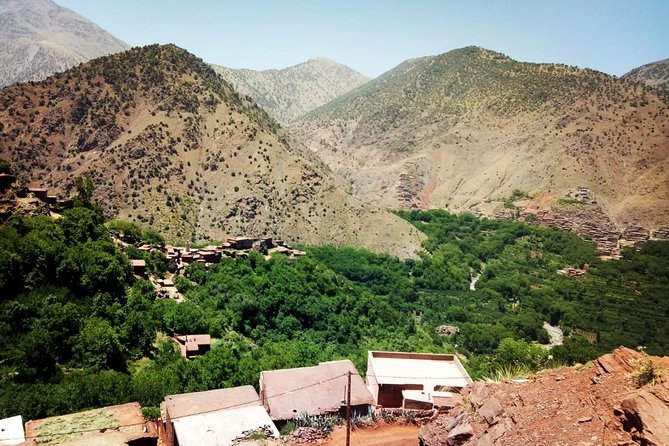
- Mount Toubkal summit day: the big altitude moment at 4167m, with desert views from the top area.
- Imlil to mountain refuges and villages: mules carry baggage and food, so you hike lighter than you might expect.
- Ait Benhaddou and the Tichka Pass drive: built-up cultural stops that break up the walking days.
- Todra Gorge to Merzouga transition: from high Atlas fault-line valley to sand country.
- Erg Chebbi camel trek + night under stars: sunset camel ride and a desert camp experience.
- Max 15 travelers: small enough for a more personal feel, but organized enough to run smoothly.
Price and what $576.88 really buys you
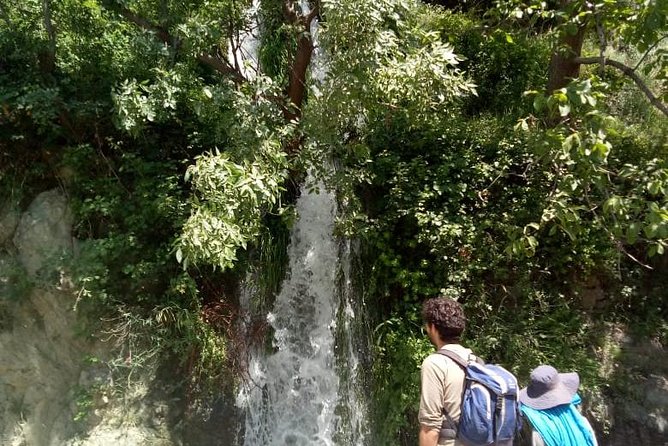
At $576.88 per person for about five days, you’re paying for a lot more than “guiding.” This price covers transport from and back to Marrakech, a qualified guide, mules for baggage and food, transport south during the trip, plus camels for the desert part. You’re also included for four breakfasts, two lunches, and five dinners, which matters because it reduces the daily hassle of finding food on the fly.
The best way to judge value is to look at the moving parts. If you tried to stitch together: a Toubkal-guided trek, mule support, desert camel time, and the long drives between mountain and desert, you’d likely spend more in planning energy and separate bookings. Here, those logistics are bundled, and that’s why the trip works as one clean story.
If you’re traveling in winter (November to April), there’s an extra 30€ per person mentioned for seasonal conditions. That doesn’t change what you’re getting, but it’s a reminder that cold-weather preparation is real on high elevations.
Starting in Marrakech: the day begins early (8:00 am)
Pickup happens from your accommodation in Marrakech, and the start time is 8:00 am. That early departure is not random—it’s how you get enough mountain time to make the hike flow without turning every day into a late-afternoon grind.
From Marrakech you’ll head to Imlil in the High Atlas region. Once you arrive, you meet your guide and mule team, then you begin the trek toward Neltner Refuge at 3207m. Even before the high points, this day gives you that “start climbing, start changing” feeling Morocco is famous for.
Day 1: Imlil, mules, and the climb to Neltner Refuge (3207m)
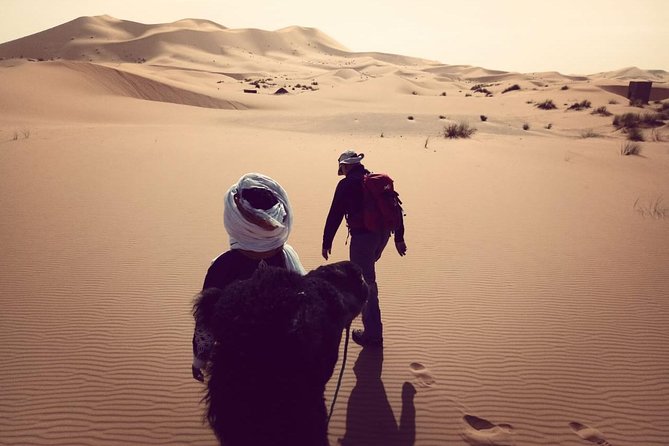
This is a steady first hiking day, about 5 hours on the trail. After lunch along the way, you continue to Neltner Refuge at 3207m, then sleep in either a refuge or tent depending on conditions.
Here’s the practical part: mules carry baggage and food, which keeps you from hiking with everything on your back. You still need your own day gear—layers, sun protection, and comfort items—because what goes “in you” matters as much as what you pack.
If you’re used to city travel, Day 1 is your warm-up. It’s the day that helps you settle into the rhythm: walking pace, breaks, how altitude feels on breathing, and how quickly the weather can shift once you’re higher up.
Day 2: Toubkal summit day (4167m) and the long walk to Ait Souka
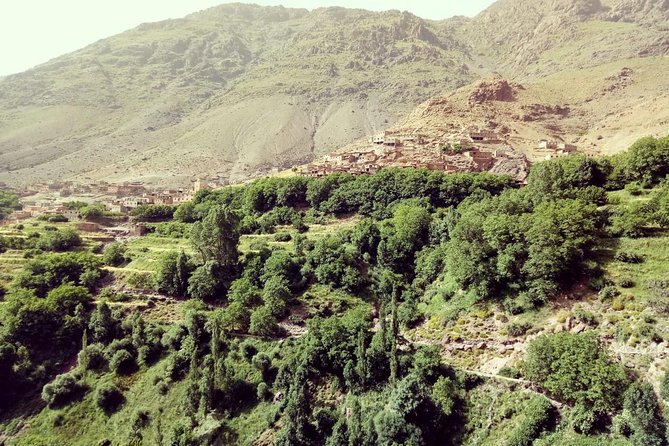
Day 2 is the heavy hitter. You’ll ascend Mount Toubkal, which reaches 4167m, and from the top you can see toward the desert. After the summit, you return to the refuge area for lunch, then continue all the way to Ait souka village, where you stay in a local guest house.
This day runs 10 to 12 hours of walking, so it’s not just about “the summit.” You’re hiking, descending, eating, then hiking again. If you want a single day to prepare for mentally and physically, it’s this one.
What I like about structuring it this way is that the summit doesn’t end the experience—it sets up the rest of the route. When your body is tired and your mind is buzzing from the climb, the transition from mountain altitude toward village life in Ait souka feels earned.
Day 3: Tichka Pass, Ait Benhaddou, and Dades Gorges
On Day 3, you shift from high hiking to sightseeing and travel—still active, but less of a constant climb. You’ll transfer to Ait Benhaddou, a World Heritage site known for being the backdrop for many films. There’s walking time in Ait Benhaddou plus lunch, then you go through Ouarzazat and head toward Dades Valley, staying in the Dades gorges.
Two things make this day worth it. First, it breaks up the altitude rhythm with cultural scenery, so your legs get a change of pace without stopping the trip. Second, moving over the Tichka Pass gives you the “keep going, keep rising” feeling again, even if you’re in the car instead of on a ridge.
The “drawback” on a day like this is simple: after a long Day 2, you can feel travel time more than you expect. If you’re the type who likes to rest between activities, plan to nap when you get the chance and treat Day 3 as a transition day.
Day 4: Todra Gorge, Merzouga, and the camel overnight to Erg Chebbi
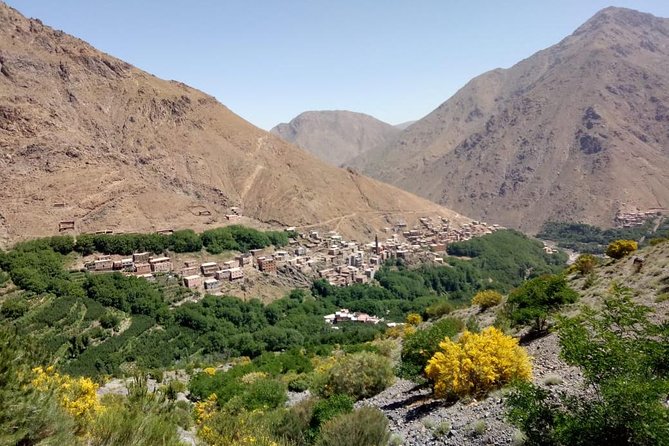
After breakfast, you head toward Todra Gorge, described as a narrow valley and a dramatic fault line dividing the Atlas Mountains, with a rise of about 300m and Berber villages around it. After lunch, the trip pushes deeper into the desert region to Merzouga, where you start the camel trek.
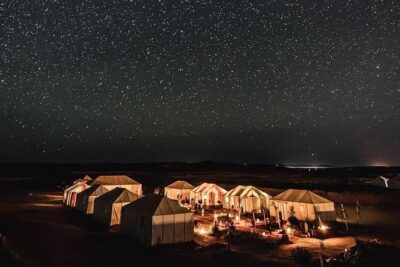
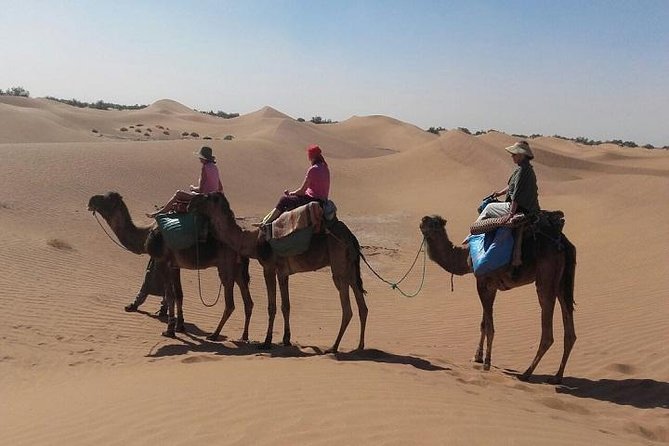
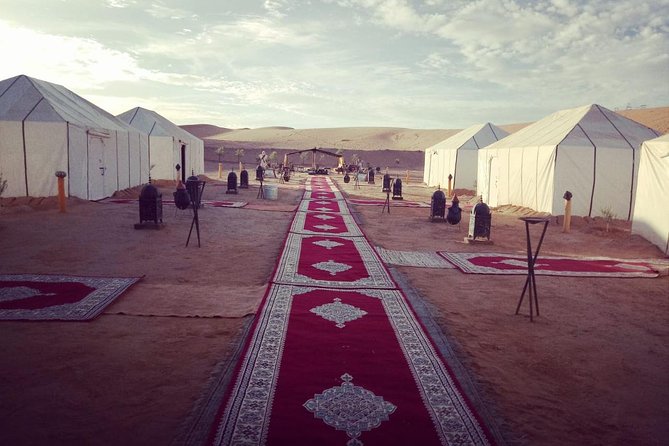
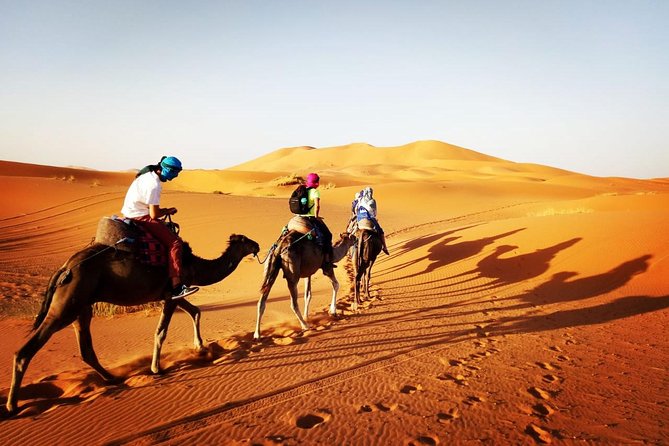
Here’s the key rhythm: you’ll trek overnight with the camels, then reach the Erg Chebbi dunes, noted as the highest dunes in Morocco. You’ll sleep at a desert camp and have a welcome Berber meal. Then comes the sunset camel ride, about 1.5 hours, followed by starry desert time.
This is the day that turns your trip from “hike and see” into “live the setting.” Camels slow you down in a way that feels different than walking. You’re still moving, but you’re absorbing the dunes, the colors around sunset, and the quiet that sets in after the last village disappears.
If you’re concerned about sleeping arrangements: it’s good that the itinerary clearly says you’ll sleep—don’t worry is part of the promise here. Still, you should pack for cold nights, because desert weather can surprise you.
Day 5: sunrise over dunes, final camel ride, back to Marrakech by ~17:00
Day 5 starts with sunrise views in the desert. Then you’ll do another camel ride, about 1.5 hours, along the dunes. After that, you meet the driver and head back to Marrakech, arriving around 17:00.
This last day is shorter in “effort hours,” but it’s not an empty finish. Sunrise is one of those moments that makes the earlier long walking feel worth it. And getting back by late afternoon means you still have time to eat well in Marrakech without sacrificing the whole day.
Guides make the difference: Ibrahim, Khaled, and Mohamed’s coordination
A trek like this is only as good as the team running it. In the Atlas portion, the guide name Ibrahim shows up with praise for being exceptional and hosting the whole experience well. On the Sahara side, Khaled is specifically credited for making the desert days smooth and friendly.
On the planning side, Mohamed is mentioned for quick, helpful pre-trip communication and for being organized. I like that the trip has an operator structure where the person you talk to before you go connects to the guide team in the field. It’s the kind of continuity that reduces confusion when you’re tired and altitude is involved.
If you’re picky about service (you should be), pay attention to that relationship between pre-trip support and on-the-ground guides.
What it’s like to sleep and eat on the route
Your included meals are four breakfasts, two lunches, and five dinners. Meals during the desert portion include dinner (listed), but drinks and lunches during the desert trip are not included. That means you’ll want cash or a plan for water and extra food when needed.
Sleeping arrangements shift by day. In the mountains you’ll sleep in either a refuge or tent depending on conditions. In Ait souka village, you stay in a local guest house. In the desert, you sleep at a desert camp under the stars.
Bottom line: expect basic but functional comfort. This is not a “hotel in the mountains” trip, and it’s not trying to be. It’s built around time outdoors and the logistics of moving between ecosystems.
What to pack: the list you actually need
The trip provides clear packing guidance, and you should follow it. Bring sleeping bags, walking boots, and jacket(s), plus a mix of warm and light clothing for layer control. Add hats, gloves, head torch, sunglasses, and sunscreen.
One note: you’ll be walking long days and also dealing with elevation changes, so a head torch is not optional convenience. If you’re in a tent or refuge scenario, light helps you move safely and find what you need without turning it into a stress event.
Who this trek is for (and who should skip it)
This tour fits people with moderate physical fitness. You should be comfortable with long walking hours and the idea that you’ll hike early and stay active most days.
It’s especially good if you want one Morocco trip that hits both worlds: Atlas villages and a real summit day, followed by camel time on Erg Chebbi dunes. If you’re short on vacation time but want variety, this is a strong match.
Skip it if you can’t handle a 10–12 hour walking day or if you hate cold mornings and layered packing. Altitude days aren’t forgiving if you’re unprepared.
Logistics that matter: group size, tickets, and being on time
The maximum group size is 15 travelers, which helps keep things organized without feeling like a conveyor belt. You’ll also receive a mobile ticket, which is practical if you like handling everything on your phone.
Start time is firm at 8:00 am, and pickup is from your accommodation. This kind of schedule is why packing matters too: once you’re on the road, there’s little room for last-minute shopping.
So, should you book it?
I’d book this trek if you want a trip that genuinely combines Mount Toubkal with Sahara desert time in one coherent route, without making you plan the camel logistics yourself. The value is strong because the big-ticket essentials—guides, animals for carrying and transport, meals, and the long drives—are already in place. Plus, having guides like Ibrahim and Khaled called out for performance is a good sign the team knows what they’re doing.
I wouldn’t book it if long walking days sound miserable, or if you need hotel comfort every night. This is outdoor travel with real effort. But if you’re game for it, you’ll come away with Morocco in two distinct forms—mountain air and desert stars—within the same week.
FAQ
What time does the trek start in Marrakech?
The start time is 8:00 am, and pickup is offered from your accommodation in Marrakech.
Does the tour include transportation back to Marrakech?
Yes. It includes transport from and back to Marrakech, plus transport during the trip south.
Are meals included, and what’s not included?
Meals included are four breakfasts, two lunches, and five dinners. Drinks and lunches during the desert trip are not included.
Will I ride camels, and when?
Yes. You’ll ride camels for about 1.5 hours at sunset on Day 4, and again for about 1.5 hours during the morning on Day 5.
Where do you sleep during the trek?
You’ll sleep in a refuge or tent on Day 1 (depending on conditions), in a local guest house in Ait souka on Day 2, and in a desert camp on the Erg Chebbi dunes after the camel trek.
What should I bring for this tour?
Bring sleeping bags, walking boots, jackets, warm and light clothes, hats, sunscreen, sunglasses, gloves, and a head torch. In winter (Nov–Apr), an extra fee is added per person.