REVIEW · KATHMANDU
Everest Base Camp Trekking
Book on Viator →Operated by Trek Mania Nepal · Bookable on Viator
Everest Base Camp is the kind of trip where your feet do the work and your brain catches up later. This 12-day trek from Kathmandu to Lukla and back is built around classic Khumbu staging plus a day for Kala Patthar (5,550m), where the Everest views get ridiculously clear if the weather plays along. I like the way the itinerary mixes trail days with intentional acclimatization stops in Namche and Dingboche.
Two things I really value here: you get a government-licensed trekking guide, and you also get practical gear support (duffle bag, sleeping bag, down jacket) so you’re not starting from zero. One thing to think about: flights into and out of Lukla can be weather-dependent, and the trek is explicitly sensitive to conditions, so plan for flexibility.
In This Review
- Key highlights worth planning for
- First flight into the Everest region: Ramechhap and Lukla
- Phakding to Namche Bazaar: suspension bridges and your first big climb
- Namche acclimatization day: museum, food breaks, and altitude logic
- Tengboche and the prayer-wheel culture: monastery day done right
- From prayer ceremonies to Lobuche: Dingboche and the higher-feeling days
- Gorak Shep and Kala Patthar: the closest summit-style payoff
- Everest Base Camp day from Pheriche: big emotion, limited line-of-sight
- The return trip: Tengboche then Namche then Lukla
- Price and value: what $1,300 covers and what you’ll still budget
- Safety and guide care: what the best-run departures focus on
- Who this trek suits (and who should think twice)
- Should you book Everest Base Camp trekking with Trek Mania Nepal?
- FAQ
- How long is the Everest Base Camp trek?
- Where does the trip start and end?
- What’s included in the price?
- Are permits included?
- What trekking gear is provided?
- Which months are best for this trek?
- What if poor weather affects the trip?
- FAQ
- How long is the trek in total?
- What does the trek include for meals?
- Is the tour private?
- What are you responsible for paying that is not included?
- Are hot showers included?
- Can I cancel and get a refund?
- What’s the toughest viewpoint day?
Key highlights worth planning for
- Ramechhap to Lukla transfer: a smart alternative gateway setup for peak season
- Namche acclimatization: Sherpa Culture Museum plus optional hikes like Everest View Hotel
- Tengboche and monastery visits: prayer-wheel culture and one of the region’s most important monasteries
- Gorak Shep plus Kala Patthar: a classic “closest summit-style” viewpoint day
- Everest Base Camp day: the emotional, glacier-scale experience even without a direct summit view
First flight into the Everest region: Ramechhap and Lukla
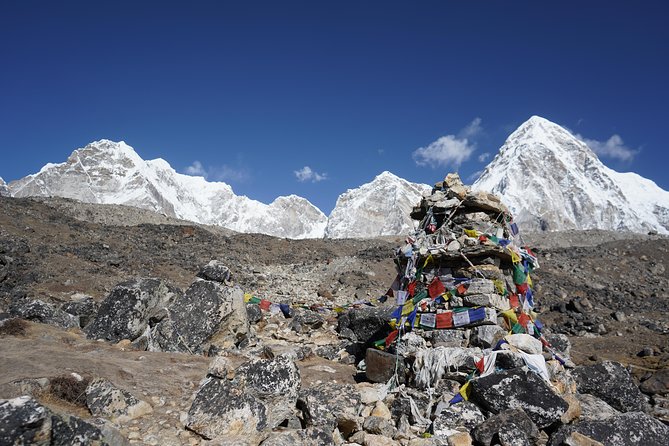
Day 1 starts with a road transfer from Kathmandu to Ramechhap (about five hours). That part matters more than it sounds. It’s early logistics that can help smooth your overall trip in busy season, because Ramechhap is used as an alternative gateway to the Everest area.
Then you fly into Lukla. Lukla’s airport is famous for its short runway and dramatic setting, so your arrival already feels like you’re stepping into the mountains rather than traveling through them. The practical catch is simple: flights here can be unpredictable because of weather.
You end the day trekking toward Phakding, which is the first real foot-on-trail intro. You’ll walk through farmland and traditional Sherpa villages, cross suspension bridges, and see mani stones—little pieces of Buddhist prayer carved into rocks along the trail. Phakding sits beside the Dudh Koshi River, so it’s a gentler setup before the climb toward Namche.
You can also read our reviews of more tours and experiences in Kathmandu.
Phakding to Namche Bazaar: suspension bridges and your first big climb
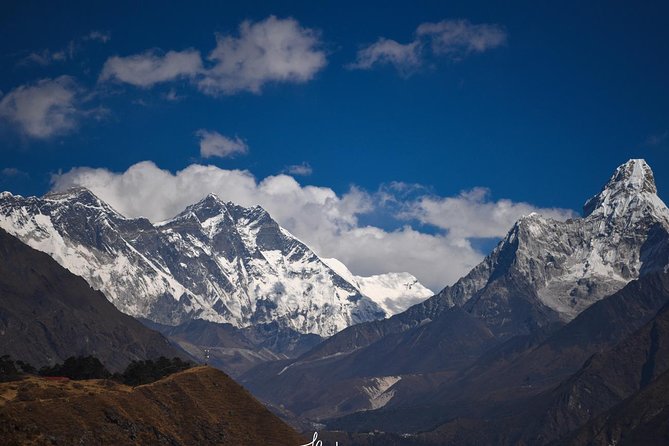
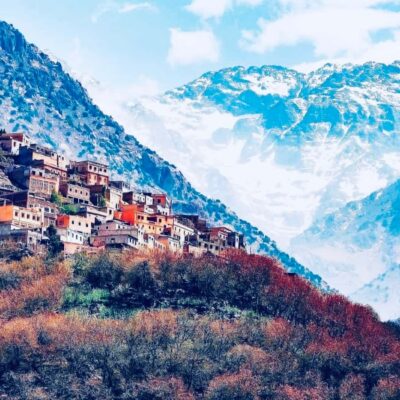
The second day is about settling into the Khumbu rhythm. The Phakding to Monjo stretch follows the west bank of the Dudh Koshi River and is relatively gentle, with pine forest sections and small Sherpa villages such as Toktok and Bengkar. Suspension bridges keep showing up, and they’re not just scenery—they break up the walk and give you quick landmarks.
A small but useful detail: Monjo is where your Sagarmatha National Park entry is checked. That’s good to know because permits are part of why this trek runs smoothly, and they’re included as part of the package.
Jorsale is the last village before Namche. It’s a shorter, calmer walk (around 30–45 minutes typically), and it works like a buffer day segment before you tackle the Namche climb.
Then comes the Namche Bazaar entry. From Jorsale to Namche takes roughly 2.5–3 hours and gets steep, with switchbacks through pine and rhododendron forests. On a clear day, there’s a viewpoint partway up where you may catch your first glimpse of Everest along with Lhotse and Nuptse. You finish in Namche Bazaar, recognizable by its Kani gate and chorten, in an amphitheater-style setting that makes every arrival feel earned.
Namche acclimatization day: museum, food breaks, and altitude logic
Day 3 is your acclimatization day in Namche. This is not “extra time.” This is how you make the harder days safer and more comfortable.
Namche Bazaar is also a hub for trekkers, so you’ll have options to rest, refuel, and take short hikes. There’s even an Irish Pub stop built into the schedule, which gives you a concrete place for lunch, tea breaks, and people-watching while you adjust to altitude.
I like that the day includes culture and history, not just altitude management. The Sherpa Culture Museum is a highlight. It’s the kind of stop that helps you understand how Sherpa life connects to the mountains, and it also includes mountaineering-related items and early Everest expedition stories. That context can make the later big moments feel less random.
You also have two specific side hike directions for acclimatization:
- Everest View Hotel for panoramic viewpoints of Everest, Lhotse, Ama Dablam, and nearby peaks
- Khumjung and Khunde villages, including monastery visits and the famous “Yeti scalp” at Khumjung Monastery
Either way, the goal stays the same: gentle movement to help your body adjust without frying your legs.
Tengboche and the prayer-wheel culture: monastery day done right
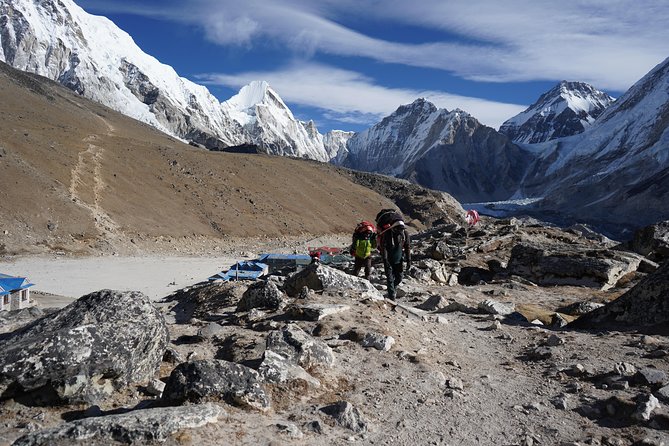
On Day 4, you leave Namche and start moving deeper into the classic Khumbu spiritual core. The trail goes past a memorial stupa for Tenzing Norgay Sherpa. That’s a moment that gives the day emotional weight, especially because you’re hiking instead of riding past a monument.
You then reach Phunki Thanga, a viewpoint-friendly segment with broad vistas of Ama Dablam, Lhotse Shar, Taboche, Kangtega, and Thamserku (weather permitting). After that, you descend toward a riverside hamlet called Phunke Tenga, where you’ll see a line of seven water-powered prayer wheels. These keep turning with the river’s flow, and local belief says each spin equals the reciting of Om Mani Padme Hum. It’s one of those small cultural details that makes the day feel real.
Next is Tengboche. The walk includes a steady climb through meadows like Saso Kharka, and as trees thin you get more open mountain views. Tengboche is where the itinerary lands for a monastery visit. Tengboche Monastery is described as the largest and most significant in the Everest region, set against dramatic mountain backdrops. It’s a calm stop in the middle of a demanding trek.
From prayer ceremonies to Lobuche: Dingboche and the higher-feeling days
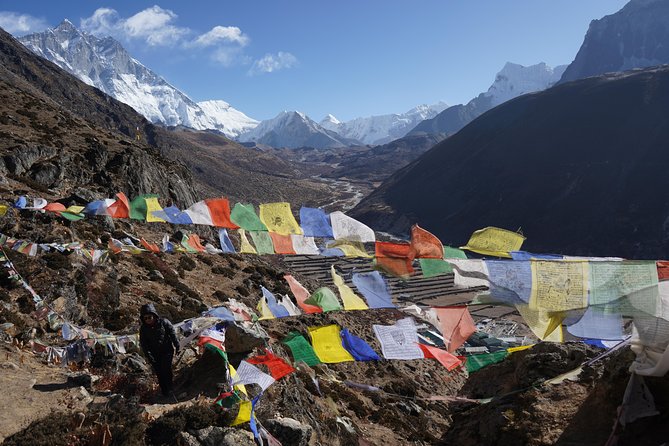
Day 5 continues the monastery-to-mountains rhythm. You start early at Tengboche for prayer ceremonies and time to explore monastery interiors and exteriors. Expect traditional wall paintings featuring Buddha and Guru Rinpoche—art that helps you slow down and pay attention.
From there you head toward Deboche and then follow a route that crosses a bridge and keeps you on the west side of the Imja Khola. Along the way, you pass large black overhanging rocks that historically provided shelter for porters and ponies when lodge facilities didn’t exist. That detail makes the trek feel connected to how the trail used to work.
The day ends at Dingboche. It’s a traditional village stop, and it’s also a place where the trek starts to feel more like high-altitude trekking than village trekking.
Day 6 is another acclimatization stop in Dingboche. The itinerary focuses on a stone wall story created by years of stone deposition. Farmers separated rocks from soil while plowing and piled them up over time. Whether that origin story is 100 percent literal or more local lore, the effect is the same: you get a meaningful, grounded way to understand how people live here and how the land shapes daily routines.
Day 7 heads for Lobuche. The route from Dingboche to Lobuche runs mostly along moraines. You can expect a ridge feel with occasional pasture segments, and it’s usually broken into parts, including a stop at Dughla before continuing.
This is where the air gets thinner and the terrain gets more glacier-neighboring. You’re not just walking—you’re adapting.
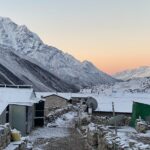
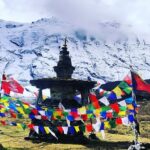
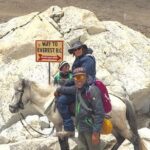
Gorak Shep and Kala Patthar: the closest summit-style payoff
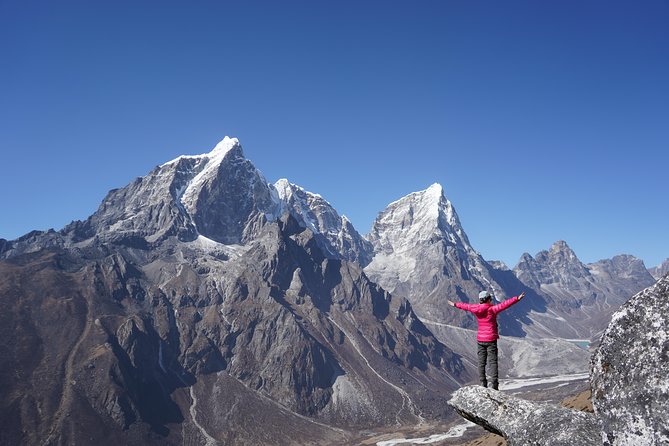
Day 8 starts early with a trek from Lobuche to Gorak Shep. The path follows the lateral moraine of the Khumbu Glacier. Elevation gain may not sound extreme on paper, but at altitude, every step asks for more effort than you expect.
The views can be dramatic: Pumori, Nuptse, and Everest ridges may appear in the distance as the trail edges higher. You reach Gorak Shep, which sits at about 5,140m and is the last settlement before Everest Base Camp.
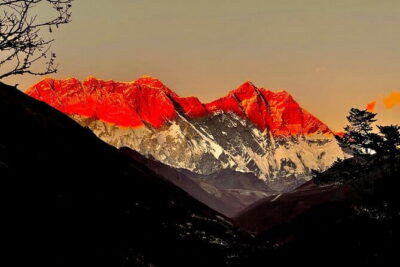
Then comes the money climb: Kala Patthar (about 5,550m). The ascent is described as around two hours, steep and steady, with loose rock and dusty switchbacks. This is the day where you’re often rewarded with the clearest, closest panoramic view of Everest’s summit area because you’re positioned differently than at Base Camp.
I like how this day is designed for payoff. It’s not just “get higher.” It’s a targeted viewpoint day with a 360-degree panorama expectation: Everest dominates the skyline, with Lhotse, Nuptse, Pumori, and Ama Dablam in the mix. Then you descend carefully back to Gorak Shep for overnight.
Everest Base Camp day from Pheriche: big emotion, limited line-of-sight
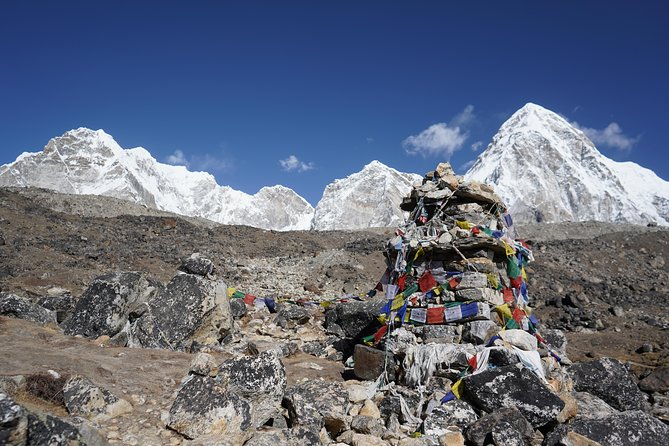
Day 9 is built around the Everest Base Camp experience. You leave early from Pheriche for the long push to Base Camp. The trail can be slippery, and there are sections with narrow snow or icy edges, so trekking poles and steady footwork matter.
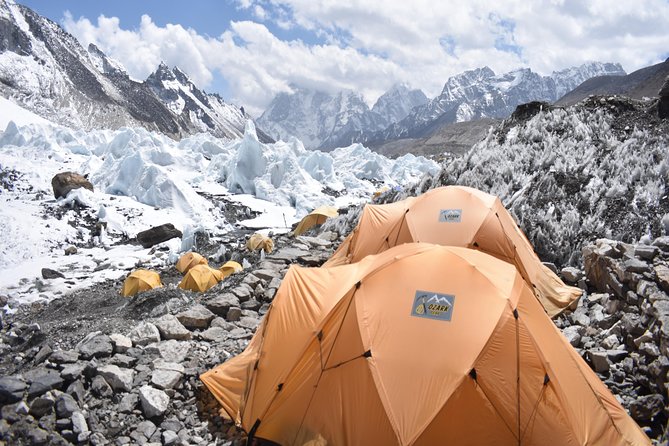
At Base Camp (about 5,364m), you’re at the foot of the Khumbu Icefall. You still can’t see the Everest summit directly from Base Camp, but the surrounding glacier scale is the point. During climbing season, the glacier can fill with expedition tents, making the scene feel raw and mission-focused.
The itinerary’s tone here is honest: this is emotional. You get that sense of standing at the start line of something extreme. For many people, the achievement moment comes from being physically present in that remote, real place—not from spotting the summit from afar.
After Base Camp, you head back, and you’ll return to Pheriche for the night.
The return trip: Tengboche then Namche then Lukla
On Day 10, you trek from Pheriche back toward Tengboche, then continue down to Namche Bazaar. This is mostly described as a gentle descent through valleys and rhododendron forests. Tengboche again becomes a welcome landmark, with its monastery on a ridge and views back toward Everest and Ama Dablam.
Then you drop into Namche Bazaar, which is the practical center for resupply and rest. You’ll see small Sherpa villages and wooded paths as you descend. It’s also where you can finally exhale after high-altitude days.
Day 11 brings the trek back toward Lukla along the same route you earlier used to go up. The body usually feels different on the way down: your legs work, but the fear factor is often lower. Still, downhills can be tough on knees, so pace is everything.
Day 12 ends the mountain arc with a flight back from Lukla to Kathmandu, then time around Thamel for shopping and city downtime. After a trek this physically structured, a gentle final day is a nice way to land the trip.
Price and value: what $1,300 covers and what you’ll still budget
At $1,300 per person, this trek is priced like a full-service package for a premium destination. What makes it feel like value is not just the destination—it’s the included structure.
Included costs cover:
- Domestic flights Kathmandu to Lukla and back (as in the route plan)
- Permits: Sagarmatha National Park permit and Khumbhu Pasang Lhamu Rural Municipality tax
- A licensed trekking guide
- Trekking accommodation plus a Kathmandu hotel
- Meals for the trek days: breakfast, lunch, and dinner across the planned days
- Rental trekking gear: duffle bag, sleeping bag, down jacket, returned after the trek
- Private transportation on the Kathmandu side, plus pickup offered
What’s not included means you should plan for extras:
- Drinks and any extra meal costs if you add nights
- Personal expenses like laundry and electronic device charging
- Travel insurance and any rescue operation costs
- Airport or departure taxes
- Nepal visa and international airfare
- Hot and cold shower options (they’re not included)
- Tips for your guide
If you want to make this budget-friendly, treat the included meals and gear rental as the baseline, then add only what you truly need for comfort (especially drinks). Also, if you’re thinking of skipping insurance, don’t. Rescue costs are explicitly not covered.
Safety and guide care: what the best-run departures focus on
A huge part of what makes Everest Base Camp tolerable is how your guide manages pace, rest, and altitude realities. You’re trekking at high elevation and you’re often moving over uneven, sometimes slick ground. That’s why the guide credential matters here.
In past departures, guides such as Moti and Bhim have been highlighted for professionalism and kind, safety-first pacing. Another name that comes up is Ram, described as witty and optimistic, which can be more than personality—it’s morale when the trail gets heavy. Tika Dhakal and Him are also cited as caring and skilled at guiding, including helping people move confidently along the route.
I’d take that as a signal to do one simple thing before you go: ask who your guide and porter team are, and make sure you feel comfortable with their plan. A good team doesn’t just know the trail. They read your energy, your pace, and the weather pattern.
Who this trek suits (and who should think twice)
This is listed as a moderate physical fitness trek. If you’re comfortable hiking daily for hours at altitude, you’ll probably love the structure. You also get two dedicated acclimatization stops (Namche and Dingboche), which helps you manage altitude without pretending the climb is linear.
You might want to think twice if:
- you have no experience walking on steep or icy/slippery trail sections
- you dislike weather-dependent flight risk
- you’re not able to handle the idea that the trip can be adjusted because conditions change
The flip side: if you want an organized Everest route that hits the main viewpoints—Namche, Tengboche, Kala Patthar, and Base Camp—this plan is built for that goal.
Should you book Everest Base Camp trekking with Trek Mania Nepal?
Book it if you want a full-service Everest Base Camp plan where logistics are handled: flights, permits, a licensed guide, meals, and key gear rental are already part of the package. You’ll also like it if you care about acclimatization stops, because the itinerary uses them in practical places rather than just stacking days.
Skip it or at least ask lots of questions if you’re hoping for summit views from Base Camp (you generally won’t get that direct line-of-sight) or if you’re not comfortable with mountain weather affecting flights. This is an adventure, not a controlled city tour.
FAQ
How long is the Everest Base Camp trek?
The trek is about 12 days.
Where does the trip start and end?
It starts in Kathmandu, and it ends back in Kathmandu after flying from Lukla.
What’s included in the price?
The package includes private transportation, Kathmandu–Lukla–Kathmandu domestic flights, permits, a licensed trekking guide, trekking gear rental (duffle bag, sleeping bag, down jacket), trek accommodation, a hotel in Kathmandu, and breakfast, lunch, and dinner for 12 days.
Are permits included?
Yes. The Sagarmatha National Park Permit and the Khumbhu Pasang Lhamu Rural Municipality tax are included.
What trekking gear is provided?
Trek Mania Nepal provides rental gear including a duffle bag, sleeping bag, and down jacket, and it’s returned after the trek.
Which months are best for this trek?
The best months listed are March, April, May, September, October, and November.
What if poor weather affects the trip?
This experience requires good weather. If it’s canceled due to poor weather, you’ll be offered a different date or a full refund.
FAQ
How long is the trek in total?
The duration is approximately 12 days.
What does the trek include for meals?
Breakfast, lunch, and dinner are included for 12 days during the trek.
Is the tour private?
Yes. It’s a private tour/activity and only your group participates.
What are you responsible for paying that is not included?
Drinks, personal expenses (like laundry and charging costs), travel insurance and rescue operation costs, airport/departure tax, Nepal visa, international airfare, and guide tips are not included.
Are hot showers included?
Hot and cold showers are not included.
Can I cancel and get a refund?
Free cancellation is offered if you cancel up to 24 hours in advance for a full refund.
What’s the toughest viewpoint day?
Kala Patthar is the high viewpoint day, climbing to about 5,550m for major Everest panorama views.