REVIEW · KATHMANDU
Annapurna Circuit Trek in Nepal (9 Days)
Book on Viator →Operated by Recreation Holidays Pvt. Ltd. · Bookable on Viator
Early starts and big-mountain payoffs. This 9-day Annapurna Circuit route pairs Thorong La (5,416m) with tea house nights and real village stops.
I like two things a lot: the plan is built around a clear rhythm with a dedicated acclimatization day in Manang, and you get a licensed English-speaking guide plus support that keeps the logistics sane.
The one drawback to think about is the schedule’s intensity. It’s not a stroll, and the early 3 AM pass push plus optional porter costs mean you should plan your fitness and budget carefully.
In This Review
- Key highlights to know before you go
- Annapurna Circuit in 9 Days: What You Gain (and what you skip)
- The Real Value of an $880 Trek Package
- Day 1: Kathmandu Pickup to Bhulbhule and Your First Big Ride
- Day 2: Chame and the Lower-Alpine Village Walk
- Day 3: Forest Turns, Suspension Bridges, and Paungda Danda
- Day 4: Manang Setup with Views Toward Annapurna Peaks
- Day 5: Acclimatization in Manang (Why This Day Matters)
- Days 6-7: Yak Kharka to Thorong Phedi for a Smarter Pass Push
- Day 8: Crossing Thorong La at 5,416m and Reaching Muktinath
- Day 9: Descent to Pokhara and Your Post-Trek Reset
- Tea Houses, Meals, and What Day-to-Day Comfort Really Means
- Who This Trek Suits Best (and who should plan differently)
- Should You Book This Annapurna Circuit Trek?
- FAQ
- How long is the Annapurna Circuit trek?
- What time does the trek start, and is pickup included?
- Where does the trek start and end?
- What kind of accommodation is included during the trek?
- Are meals included?
- Is a guide included, and what languages are they?
- Are trekking permits included?
- Is porter service included in the price?
- What is the highest point on the route?
- What’s included for emergencies and medical support?
Key highlights to know before you go
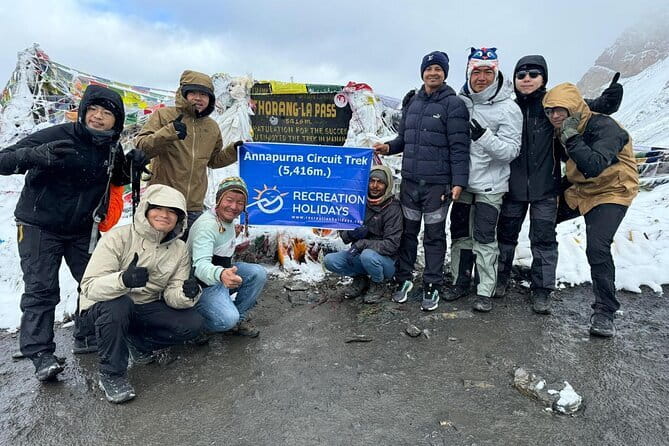
- Thorong La timing: the trek shifts into pass-mode with an early start on Day 8.
- Manang acclimatization built in: you don’t just race higher; you adjust and move smart.
- Tea-house stay and meals included: 8 breakfasts, 8 dinners, and 9 lunches keep you fueled.
- Village routes, not just views: Tibetan villages, apple orchards, and Manang village make the days feel human.
- Professional guidance: licensed, English-speaking leadership with extra assistant support for larger groups.
- Luggage storage while trekking: small comfort, big relief when you’re carrying daypacks.
Annapurna Circuit in 9 Days: What You Gain (and what you skip)
A 9-day Annapurna Circuit isn’t trying to be the longest possible version. What it does well is give you the classic arc of scenery and culture while still giving your body one key chance to adapt—especially with that full Manang acclimatization day.
You’ll feel the contrast of the route as you go: lower-alpine village walking, forested sections with bridges, and then the high-altitude push toward Thorong La. If you want a trek that mixes hard effort with good pacing, this kind of schedule makes sense.
Still, a tight timeline means you’ll need to respect the climb. This is not a trip for slow, stop-every-5-minutes wandering. Your legs will work every day, and the pass day is the loudest reminder.
You can also read our reviews of more tours and experiences in Kathmandu.
The Real Value of an $880 Trek Package
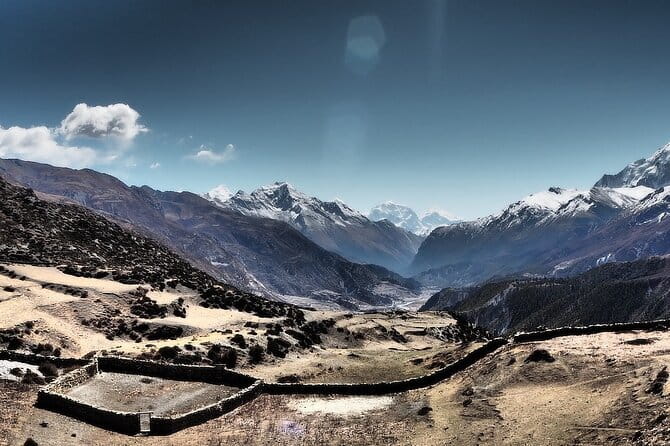
At $880 per person, the value comes from what’s covered rather than the ticket price itself. You get 8 nights of tea house accommodation (twin sharing), a licensed English-speaking guide, trekking permits, and a full meal plan during the trek (8 breakfasts, 8 dinners, 9 lunches).
That matters because Annapurna logistics add up fast when they’re not organized for you. Here, local transport is included for the main trek connection—getting you from Kathmandu toward the trail start area—and you also have emergency evacuation support tied to travel insurance. You also get complimentary luggage storage during the trek, which helps keep your daypacks realistic.
What to budget extra for: Nepal’s entry visa, international airfare, travel and medical insurance, accommodation in Kathmandu and Pokhara, and optional porter service ($240 per porter if you request it). If you don’t plan for those items up front, the final cost can surprise you.
Day 1: Kathmandu Pickup to Bhulbhule and Your First Big Ride
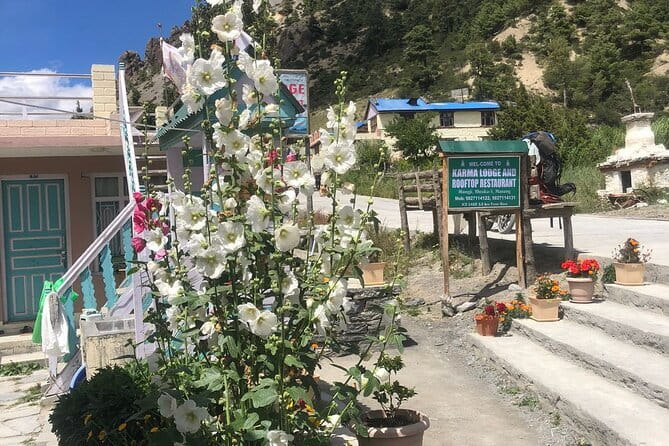
Your trek starts early. Pickup happens around 6/7 AM from your hotel in Kathmandu, with the experience noted to begin at 6:15 am. You’ll ride by bus toward Bhulbhule via Besisahar, then switch to a shared jeep for the last stretch to the trek start area.
This day isn’t about big elevation gains. It’s about transition and getting your bearings—seated time, scenery, and the shift from city routine into mountain time. It’s also when good organization pays off, because you’re moving with a plan rather than figuring out transport on the fly.
A practical tip: treat this as your warm-up day. Hydrate, keep your daypack light, and don’t load it like you’re packing for a week at a cabin.
Day 2: Chame and the Lower-Alpine Village Walk
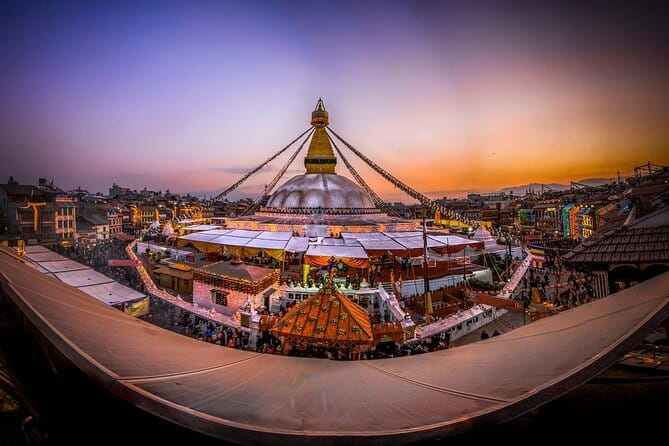
Day 2 heads toward Chame, moving into cooler alpine regions with views that start to feel more serious. The route takes you through Tibetan villages such as Bagarchhap and Danakyu, and you’ll spot apple orchards along the way.
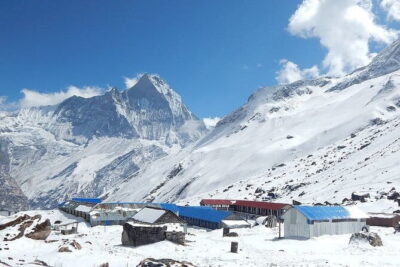
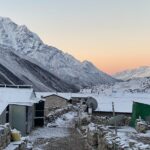
This is one of the “life on the trail” days. You’re not just staring up at peaks; you’re walking through communities that have their own rhythm. Tea houses here (like later) are usually basic, but that’s part of the deal: you get a simple place to eat, sleep, and reset.
Potential drawback: it can be a long day. The schedule lists around 12 hours, so pack your patience. If you’re the type who hates slow-moving uphill grinds, remind yourself that these early stretches are setting you up for later.
Day 3: Forest Turns, Suspension Bridges, and Paungda Danda
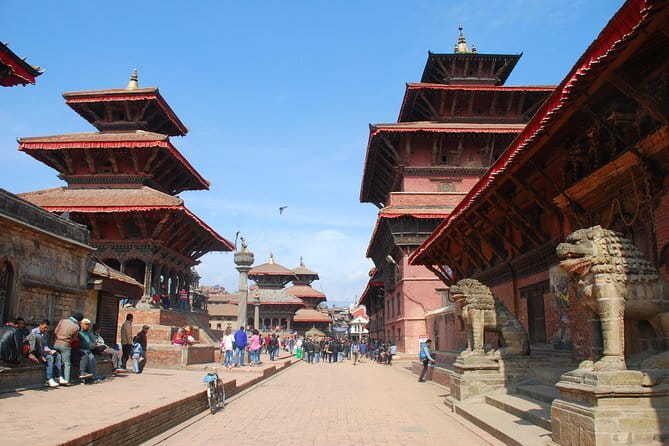
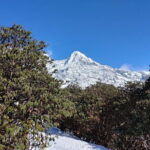
On Day 3, the scenery shifts again. The trek passes through dense rhododendron and pine forests, plus meadows and steep ascents. You’ll cross multiple suspension bridges before arriving at Paungda Danda, described as a majestic curved rock face.
Bridges are a funny thing on treks: they look quick on the map, but on a real trail they can feel like mini-workouts. Still, they add variety, and they break up the monotony that can happen when all you’re doing is uphill and uphill.
This is also a day where you’ll appreciate steady pacing. The route has multiple “sections,” so you can take breaks that feel earned rather than forced. Expect another long day (about 12 hours on the schedule).
Day 4: Manang Setup with Views Toward Annapurna Peaks
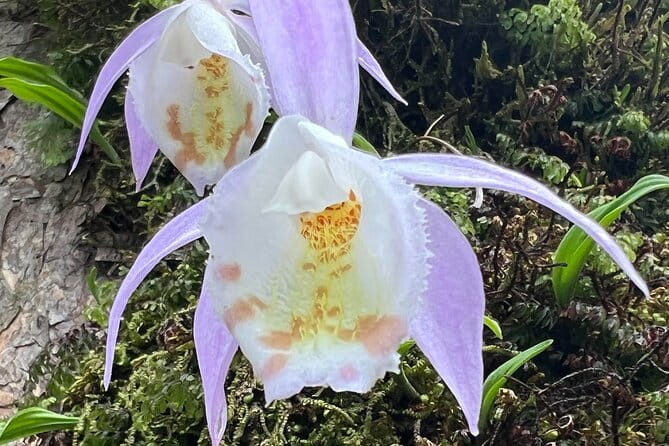
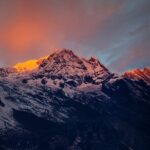
Day 4 is about getting into the Manang area, one of the biggest highlights of the Annapurna Circuit experience. After breakfast, you trek toward Manang with a flat start and then a gradual ascent to Humde, with panoramic viewpoints along the way.
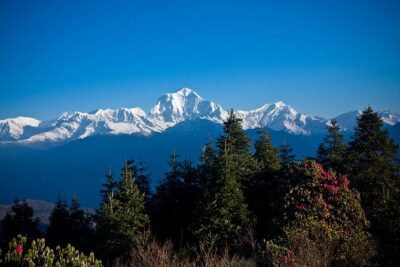
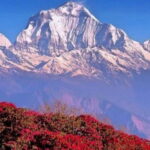
The description calls out views toward Annapurna II, III, and I. Whether the weather is crystal clear or just decent, those sight lines matter because they give you a sense of where you are in the big picture of the massif.
One note to keep you comfortable: Day 4 is not the pass, but it’s still a high-altitude transition day. Your body will feel it, even if the climb seems gradual. Go slow, breathe, and avoid the urge to “make up time.”
Day 5: Acclimatization in Manang (Why This Day Matters)
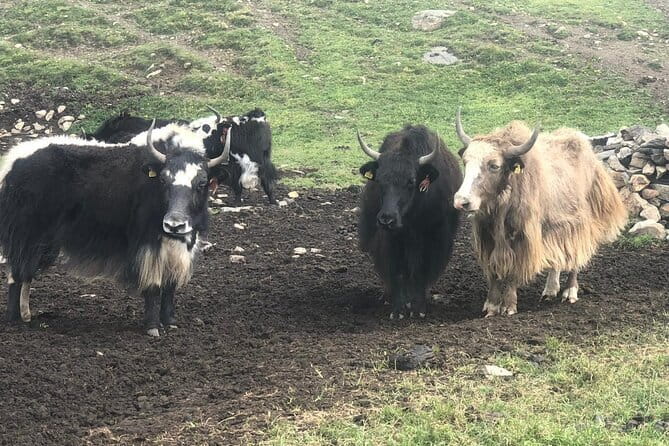
Day 5 is reserved for acclimatization, and this is a big deal. Instead of pushing higher every day, you get time to adjust your breathing and energy levels.
You can explore Manang village, hike up to glacial lakes at the base of Gangapurna, or visit local monasteries. That flexibility is useful because some people feel ready to walk more and others just need a gentle day to recover.
This day is also where a good guide helps most. You can follow the plan, but the goal is to choose movement that supports acclimatization rather than punishes it. Think of it as training your body for the pass—not as a free day to sprint.
Days 6-7: Yak Kharka to Thorong Phedi for a Smarter Pass Push
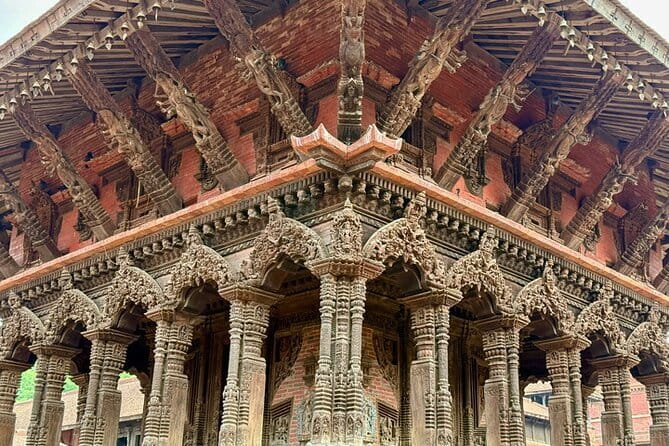
Day 6 heads to Yak Kharka, passing settlements and cultivated farmlands. The ascent is described as steady but moderate, which is exactly what you want before the hardest parts. There’s also mention of crossing a suspension bridge, so expect more trail variety.
On Day 7, you hike to Thorong Phedi. The schedule says about 4–5 hours with a gradual incline, but the altitude makes the pace slower. The key advice built into the plan is to take plenty of breaks and hydrate.
These two days are where many people either learn how to move efficiently or get frustrated. If you’ve never trekked at altitude, here’s the simple rule: your job is to keep moving at a pace your lungs can support. You’re saving energy for the next sunrise.
Day 8: Crossing Thorong La at 5,416m and Reaching Muktinath
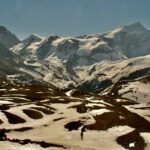
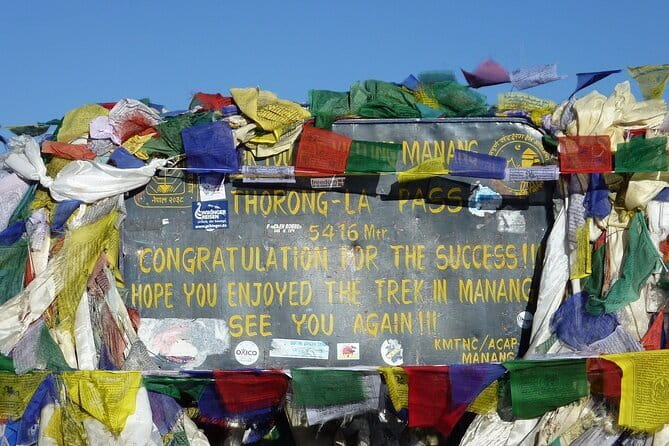
Day 8 is the signature day. You start early—around 3 AM—to tackle Thorong La Pass, the highest point on the circuit route at 5,416 meters. This is described as the trek’s most thrilling day, with sweeping panoramic views at the summit.
A sunrise pass can feel unreal. It’s also a physically demanding rhythm: cold start, steady hike, and the concentration needed to keep your pace calm. If you’re tired, remember that the goal isn’t to race—it’s to cross safely and stay focused.
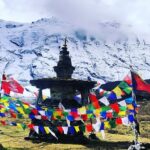
After the summit, you continue to Muktinath. Muktinath is the dramatic payoff where the high route meets a different kind of spiritual stop. It’s also a relief day in a practical sense: you’re switching from “climb mode” to “arrive and recover.”
Day 9: Descent to Pokhara and Your Post-Trek Reset
You finish at Pokhara. The plan moves from Muktinath to Pokhara by jeep or bus, with the drive described as scenic as you descend into the lower Mustang Valley.
This descent day is for recovery and emotion. Your body may still feel the trek, but your brain shifts gears fast once you’re not walking uphill. Once in Pokhara, you’ll have a chance to celebrate finishing the circuit.
If you want a smart move: don’t schedule anything too ambitious that night. Pokhara is a great place to eat well and sleep properly, but treat the first hours like a decompression window.
Tea Houses, Meals, and What Day-to-Day Comfort Really Means
One of the underrated parts of this trek is that the essentials are handled. You get tea house accommodation for 8 nights in twin sharing, plus a meal plan that covers 8 breakfasts, 8 dinners, and 9 lunches.
Tea houses on routes like this are simple. What you should expect is practical warmth, basic rooms, and food that helps you keep going. With meals planned, you won’t waste time hunting for dinner or wondering if you’re meeting your energy needs.
Also look at the included extras: permits are covered, a first-aid medical kit is included, and you have an achievement certificate available on request. Small touches, but they add to the feeling that the trip is run by people who’ve done this before—feedback on the company consistently highlights professionalism and clear communication, including a hands-on presence tied to founder Hari.
Who This Trek Suits Best (and who should plan differently)
This trek is best for people with moderate physical fitness. The route includes long walking days, altitude exposure, and a demanding pass schedule. If you’ve got basic hiking stamina and you’re willing to take it slow on climbs, you’ll fit well here.
You’ll also enjoy it if you like a blend of mountain and culture. You’re walking through village areas like Bagarchhap and Danakyu, spending time in Manang, and ending at Muktinath rather than just “peak-chasing.”
Who might reconsider: if you need a very lightweight itinerary, frequent rest days, or a less intense pass schedule, a shorter or longer trip with a different altitude profile might suit you better. And if you’re worried about carrying weight, remember porter services are optional ($240 per porter), with a suggested ratio of 1 porter for every 2 trekkers.
Should You Book This Annapurna Circuit Trek?
If you want a well-run Annapurna Circuit with a 9-day structure, included meals, permits, tea house stays, and a guide-led pace, this is a strong match. The Manang acclimatization day and the guided support for safety and logistics are the two practical reasons this plan feels reasonable instead of chaotic.
I’d book it if you value clarity: early starts, known trekking days, and a schedule that aims to keep you moving intelligently. It’s also a good choice if you want pickup included and don’t want to juggle Kathmandu and trail transport on your own.
I’d think twice if you hate early mornings, you’re very concerned about altitude, or you’re trying to travel as ultra-budget as possible. In that case, price comparisons need to include the extras that are not included here (visa, travel insurance, Kathmandu/Pokhara lodging, and possibly a porter).
FAQ
How long is the Annapurna Circuit trek?
It runs for 9 days approximately.
What time does the trek start, and is pickup included?
Pickup is offered from your hotel in Kathmandu around 6/7 AM, and the start time is listed as 6:15 am. The meeting start point is Tribhuvan Airport, Kathmandu.
Where does the trek start and end?
It starts around Kathmandu (with pickup near the start point) and ends in Pokhara, Nepal.
What kind of accommodation is included during the trek?
The package includes 8 nights of tea house accommodation in twin sharing during the trek.
Are meals included?
Yes. The trek includes 8 breakfasts, 8 dinners, and 9 lunches.
Is a guide included, and what languages are they?
A licensed English-speaking guide is included. An assistant guide is included for groups of 8+.
Are trekking permits included?
Yes. All necessary trekking permits are included.
Is porter service included in the price?
No. Porter services are available upon request for $240 per porter (with 1 porter for every 2 trekkers).
What is the highest point on the route?
The highest point is Thorong La Pass at 5,416 meters.
What’s included for emergencies and medical support?
A first-aid medical kit is included, and emergency evacuation support is covered by travel insurance.