REVIEW · KATHMANDU
Everest Gokyo Valley Trek – 12 days
Book on Viator →Operated by Trekking Planner Nepal · Bookable on Viator
Gokyo Ri hits before your legs catch up, and this 12-day Everest Gokyo Valley trek strings together Lukla flights, Sherpa villages, and the famous emerald lakes with nonstop views of Everest, Lhotse, Cho-Oyu, and more.
I love the way the pacing builds for altitude with a proper rest day in Namche Bazaar plus early-morning hikes when the mountain light is best.
I also love the practical support: a highly experienced English-speaking guide and a porter setup where 2 guests = 1 porter, with the porter covered by insurance, salary, food, accommodation, and gear.
One real heads-up: Lukla flights can shift with weather, and during the trek you only get breakfasts included (lunch and dinner are not).
In This Review
- Key reasons this trek earns strong marks
- The Everest–Gokyo Valley route: why it feels special
- Price and logistics: what $1,399 covers (and what it doesn’t)
- Day 1: Lukla to Phakding starts with a short plane flight and river crossings
- Day 2: Phakding to Namche Bazaar via Sagarmatha National Park
- Day 3: Namche acclimatization with an early Everest sunrise
- Day 4: Phortse and the Khumjung hill area—scenic, but watch your footing
- Day 5: Rhododendron forests to the trail up toward Gokyo Lakes
- Day 6: Machhermo—views of Cho Oyu and the first serious high-alpine feeling
- Day 7: The Ngozumpa glacier terminal moraine climb to Gokyo
- Day 8: Gokyo Ri sunrise (5,463m) plus an afternoon lake wander
- Day 9: Retrace to Dole via Machhermo—Gokyo to the quieter stretch
- Day 10: Dole back toward Namche—big descents, then a steady climb
- Day 11: Namche to Lukla—nearly there, with a few ups and downs
- Day 12: Fly back to Kathmandu and get a real bed again
- Meals, tea houses, and what to budget day to day
- Fitness level and realistic expectations
- Lukla weather: why flexibility is not optional here
- Who should book this trek (and who should pause)
- Should you book the Everest Gokyo Valley Trek?
- FAQ
- Where does the trek start?
- How long is the Everest Gokyo Valley trek?
- Is airport pickup included in Kathmandu?
- Are flights to Lukla included?
- Do you include park fees and TIMS?
- What meals are included on the trek?
- Do you provide a porter?
- What kind of fitness level do you need?
- What if the flights or trek can’t run due to weather?
- FAQ
- Is this a private tour?
Key reasons this trek earns strong marks
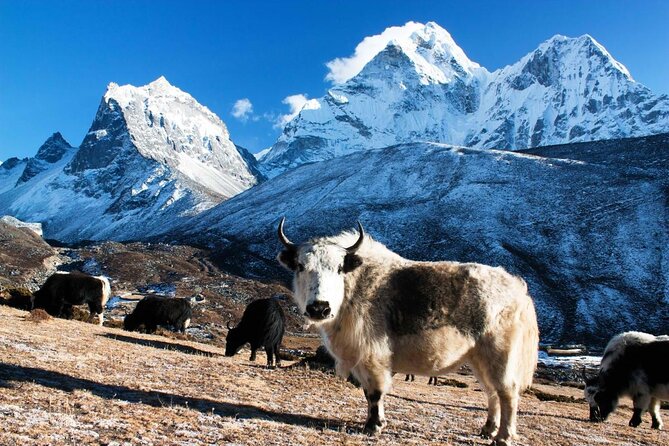
- Lukla flight + dramatic first steps: a short, scenic jump into the Everest region
- Namche acclimatization built in: a rest day that still includes a sunrise hike
- Gokyo is the main event: emerald lakes, big glaciers, and Cho-Oyu views
- Gokyo Ri sunrise at 5,463m: early lift to see Everest and Cho-Oyu with the valley below
- Ngozumpa glacier moraine climbing: a tough, memorable climb to reach Gokyo at 4,750m
- Team support that handles details: guide + porter structure so you’re not managing everything yourself
The Everest–Gokyo Valley route: why it feels special
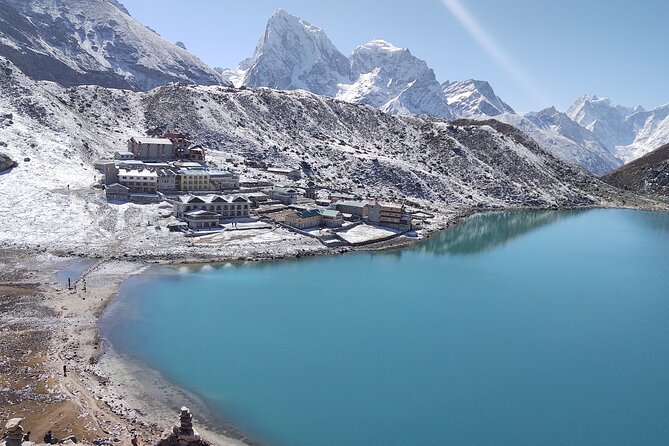
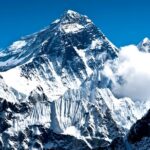
If your mental picture of the Everest region is Everest Base Camp only, this trek gives you a different highlight reel. You still get the big names—Mt. Everest, Mt. Lhotse, Mt. Cho-Oyu, and even Makalu toward the east—but the emotional center is Gokyo Valley and its chain of lakes.
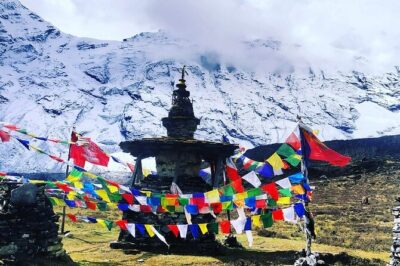
What I like about this route is how often your day ends with a view that feels earned. You start in the Dudh Koshi river corridor, you climb into the Sherpa world around Namche, and then you gradually tilt north toward ice. By the time you reach the Gokyo area, the scenery changes from forested trails to places that feel almost otherworldly—prayer flags, mani stones, and wide glacier country under harsh light.
Another smart piece: the itinerary isn’t just about walking uphill. It’s also about seeing. That includes an early sunrise hike above Namche and a sunrise push to Gokyo Ri, where the skyline opens in a way that’s hard to replicate from lower elevations.
You can also read our reviews of more tours and experiences in Kathmandu.
Price and logistics: what $1,399 covers (and what it doesn’t)
At $1,399 per person for about 12 days, the best way to judge value is by what’s actually handled for you.
Included basics that matter on this trek:
- Private airport transfers in Kathmandu (pick up and drop off)
- Kathmandu ⇄ Lukla flights, including airport departure tax
- National park entrance fee plus TIMS card
- A highly experienced English-speaking guide, with guide costs covered (salary, food, accommodation, insurance)
- Porter support with a clear ratio: 2 guests = 1 porter, and the porter has insurance, salary, food, accommodation, and equipment covered
- Twin/double sharing mountain accommodation
- Breakfast included for 11 days (plus breakfast in Kathmandu on the start/end day)
What’s not included:
- Your international airfare and Nepal visa
- Lunch and dinner during the trek, plus meals and accommodation in Kathmandu
- Personal health/travel insurance and insurance for helicopter evacuation
- Tips for trekking crew and driver
So the value equation looks like this: you’re paying for a guided, permit-covered trek with flights handled and real manpower support via a porter system. That’s especially useful if this is your first multi-day trek in Nepal, or if you want your energy spent on the trail instead of admin.
Day 1: Lukla to Phakding starts with a short plane flight and river crossings
Day 1 is built around a 35-minute scenic flight to Lukla and then a trek of about 3 hours to Phakding. The quick flight matters more than it sounds. It gets you into the Everest region fast, and the day feels like a proper transition into high-mountain travel instead of a long slog through lower foothills.
On the hike to Phakding, you’ll walk along the Dudh Koshi River with a few ups and downs. Expect that classic mix: you’re never working at full intensity, but you’re also not strolling on flat ground.
Why this day is a good start:
- Your body wakes up gradually after landing.
- You get used to the tea house rhythm without “major altitude drama” right away.
- Suspension bridges show up early, with prayer flags adding color and texture to the route.
Night 1: you’ll stay in a tea house in Phakding. Breakfast is included.
Day 2: Phakding to Namche Bazaar via Sagarmatha National Park
Day 2 moves you to Namche Bazaar, roughly 6 hours of trekking. You follow the Dudh Koshi again and cross the river on exciting suspension bridges decorated with prayer flags. That repeated bridge pattern is useful: it trains your legs on uneven footing while keeping the route varied.
Then you enter Sagarmatha National Park, and from the Larja Dobhan area the trail climbs steeply toward Namche, which is the gateway town for the Everest region.
What makes this day feel meaningful:
- You’re not just climbing; you’re transitioning from valley travel into a high-altitude culture zone.
- The park entry gives the trek an official sense of place and seriousness.
- Namche arrives as a real reward town: shops, vendors, and food options tend to make it feel like a hub instead of a lonely outpost.
You overnight in Namche Bazaar at a tea house with breakfast included.
Day 3: Namche acclimatization with an early Everest sunrise
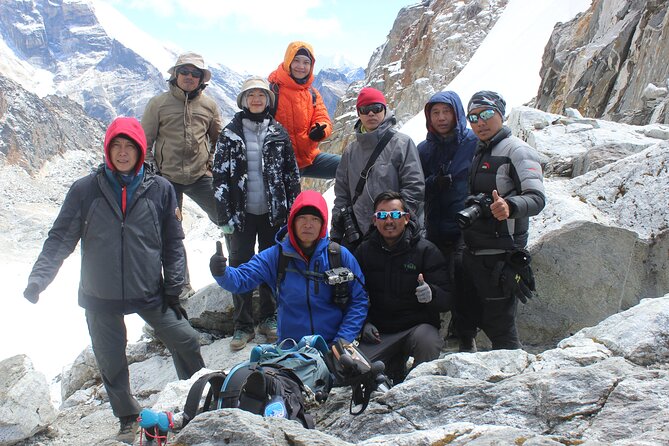
Day 3 is a rest and acclimatization day, and it’s one of the smartest choices in the whole itinerary. Instead of treating rest as “do nothing,” you get an early hike above town, ideally before clouds move in.
This is where the mountain photography chances get serious. On a clear morning, you can catch a spectacular view that includes Mt. Everest, Lhotse, Ama Dablam, and more. That early timing matters because humidity and cloud cover can change the entire mood of the sky.
You also have optional cultural add-ons:
- You can visit the Sherpa Museum in Namche, with exhibits on traditional Sherpa lifestyle
- There’s also a photography display by a local Nepalese naturalist
This isn’t just sightseeing. It gives you context for why the Sherpa presence dominates the Everest region, and it helps you understand the people you’ll meet on the trail.
Night 3: tea house in Namche. Tea/coffee is included.
Day 4: Phortse and the Khumjung hill area—scenic, but watch your footing
Today you head toward Phortse with a route that includes a climb to Khumjung hill, then a descent through a broad valley. The itinerary mentions a chorten on a ridge top and notes the route passing down steep switchbacks on a sandy slope.
This day is useful for two reasons:
- It gives you more practice managing steep descents, which often hit harder than the climbs.
- You get the sense of leaving the most “town-like” path behind and moving deeper into higher, quieter trekking country.
You’ll also visit Mohang, described as the birth place of the re-incarnate Lama connected to the Rongbuk monastery of Tibet and the introduction of Buddhism in the Khumbu region. That adds cultural weight to a day that could otherwise feel like “just another trek day.”
Night 4: tea house. Breakfast included.
Day 5: Rhododendron forests to the trail up toward Gokyo Lakes
Day 5 starts steeply out of the valley through rhododendron forests, then you’ll pass through Kharkas (summer grazing settlements used by Sherpas with yaks). You pass by places like Tongba (around 3,950m) and Gyele (around 3,960m).
This is a nice mid-trek transition day because the forest makes the altitude feel a bit gentler than the later ice-and-glacier stages. But the climb continues, and you’re clearly positioning yourself for the Gokyo Valley.
Night 5: tea house on the way toward the Gokyo area (the itinerary frames this around reaching the lakes region). Breakfast included.
Day 6: Machhermo—views of Cho Oyu and the first serious high-alpine feeling
On Day 6, you trek from the Dole area up into higher terrain. The itinerary describes rhododendron forest giving way to scrub juniper as altitude increases, with summer yak settlements along the route.
You’ll arrive at Machhermo (about 4,410m) around lunch time, and the highlight is the excellent view of Cho Oyu. The itinerary also notes Kantiaga and Thamsherku in the background.
Why I’d call this a turning point:
- You start feeling that you’re walking in a landscape where the air is thinner and conditions can change fast.
- Your “peak mountain viewing” starts to become consistent, not occasional.
- You still have a relatively short day feel compared to the hard moraine climb coming later.
Night 6: tea house. Breakfast included.
Day 7: The Ngozumpa glacier terminal moraine climb to Gokyo
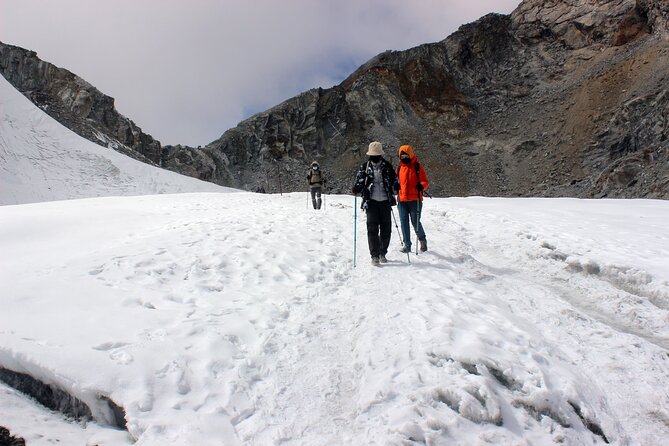
Day 7 is the big climb day on the classic Gokyo route logic. After Machhermo, you cross a ridge for a view down the valley and up toward Cho-Oyu. Then the itinerary heads toward Pangram (about 4,390m), descends to the river bank, and begins the climb to the terminal moraine of the Ngozumpa glacier.
The key phrase here is steep moraine climbing. Moraine terrain is not like a steady stone staircase. It can be uneven, gritty, and tiring in a different way. You might feel your legs more because your stride constantly adjusts.
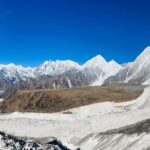
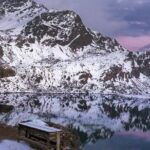
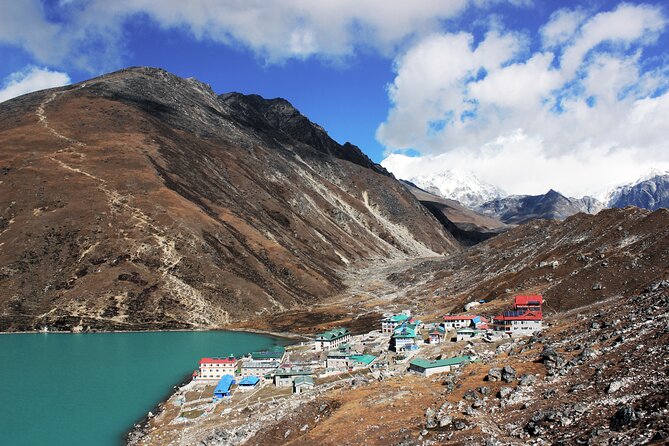
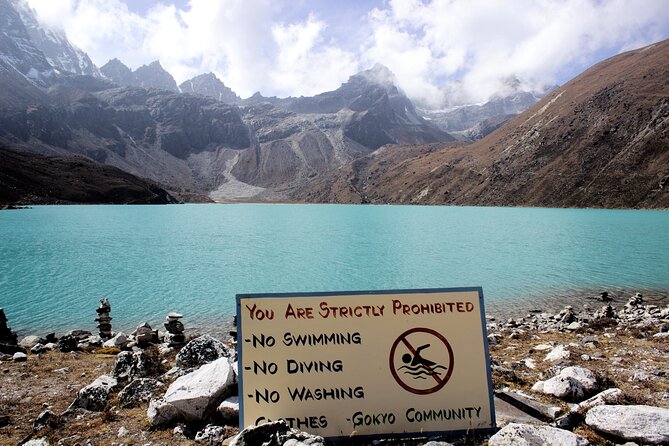
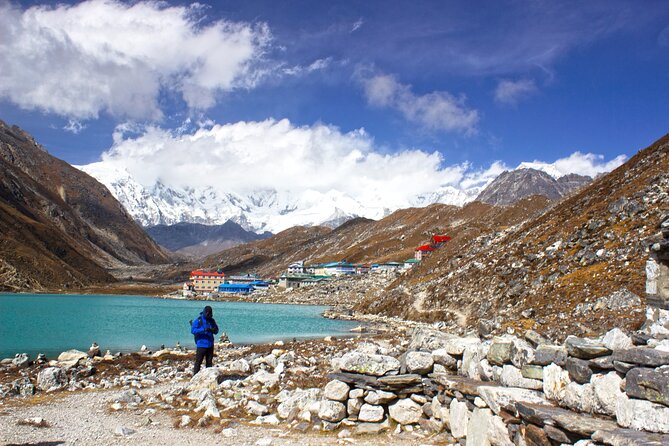
After that steep push, the route levels out as you follow the valley and pass a second lake called Longponga (about 4,690m), with Lama footprints mentioned near the lake. Then you reach Gokyo (about 4,750m) near the edge of the third lake.
Night 7: tea house in Gokyo. Breakfast included.
Day 8: Gokyo Ri sunrise (5,463m) plus an afternoon lake wander
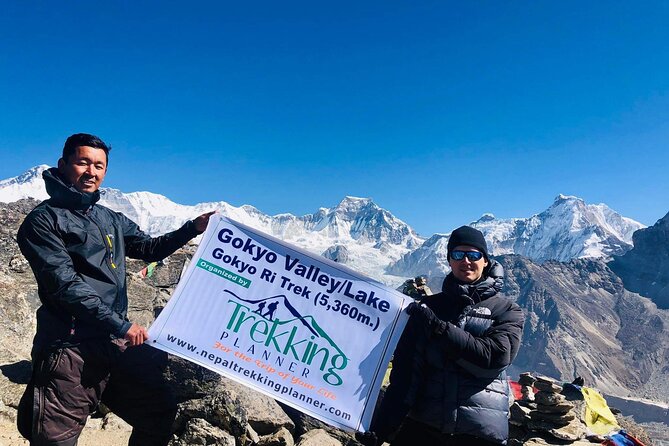
This is the showpiece day. You go early to Gokyo Ri (5,463m) for sunrise. The itinerary highlights that this viewpoint gives you a sweeping look toward Everest and Cho-Oyu along with the valley below and the big glacier presence in the region.
Then later you return for breakfast, and in the afternoon you have time to explore up to the fifth lake, passing the fourth lake along the way, while enjoying more views.
What you’ll feel on this day:
- The morning is about the sky and the skyline—big peaks, long light, and sharp contrast.
- The afternoon is about getting your eyes back into the valley—lakes, edges of glaciers, and that slow, grounding sense of place.
If you like hikes with clear payoffs, this is where the trek earns its reputation.
Night 8: tea house.
Day 9: Retrace to Dole via Machhermo—Gokyo to the quieter stretch
Day 9 is described as retracing your steps back to Dole via Machhermo, with 6 hours of trekking and an overnight tea house stay.
This is a smart move in an itinerary like this. The hardest parts are the outward journey and reaching the viewpoint/lakes area. On the way back, you get the chance to revisit scenery with different light angles and to recover a bit mentally while still keeping you moving.
Night 9: tea house. Breakfast included.
Day 10: Dole back toward Namche—big descents, then a steady climb
Day 10 is listed as trekking with a big descent toward Phortse Tanga, then ascending to Mongla Dada, after which the trail slows down all the way to Namche.
This kind of day is where your trekking rhythm matters. Big descents can be hard on knees and ankles even if they feel shorter on paper. The mention of a pass area (Mongla Dada) tells you it’s not just downhill; you’re still earning the return to town.
Night 10: tea house in Namche. Breakfast included.
Day 11: Namche to Lukla—nearly there, with a few ups and downs
Day 11 retraces the trail back to Lukla with 6 hours of trekking. This is the “finish strong” day. You’ve already adapted to altitude, so the bigger challenge becomes staying motivated and steady through fatigue.
You’ll overnight in a tea house in Lukla.
Day 12: Fly back to Kathmandu and get a real bed again
Day 12 is a morning short, scenic flight from Lukla back to Kathmandu. Then you’re picked up and transferred to the hotel by the airport representative.
The practical value of this final day is simple: it closes the loop cleanly. You get out of the high-elevation trekking environment and into normal comfort without extra transfers piling on.
Breakfast is included.
Meals, tea houses, and what to budget day to day
You’ll be staying in tea houses throughout the trek. Your included meals are mostly breakfast (and in Kathmandu, breakfast on the start/end days). Since lunch and dinner are not included, you’ll want to budget for those meals directly along the route.
This can actually help your trip feel flexible. If you’re hungrier on a steep day, you can adjust. If you’re more tired and want lighter food, you can do that too. Just don’t treat it as “unlimited.” Higher elevations can mean higher prices and fewer choices.
Also, since accommodation is twin/double sharing during the trekking period, you’ll want to be comfortable sharing space in mountain conditions. The upside: the porter structure reduces the load you personally carry.
Fitness level and realistic expectations
The tour is aimed at people with moderate physical fitness. That doesn’t mean it’s easy—it means the route has been structured with an acclimatization rest day in Namche and staged climbs toward Gokyo.
The two pieces that demand your full attention are:
- Steep ascent days near Namche and the move toward the Gokyo region
- The terminal moraine climb to reach Gokyo, which can be physically and mentally demanding due to uneven footing
If you’re used to hiking and can handle long days on a trail, you’ll likely find this manageable. If you’ve struggled with steep descents in the past, take that seriously and plan training before you go.
Lukla weather: why flexibility is not optional here
This itinerary depends on the Lukla flight, and Lukla is famous for weather-related disruptions. The good news is that the operator’s support system shows up in real-world experiences: people credited their team for handling flight changes calmly and getting them onto the next available option.
Still, you should plan like a grown-up about altitude travel: pack patience. If clouds, wind, or fog shut down flights, your start dates or day order may need to bend. The experience also notes it requires good weather, and if it’s canceled due to poor weather, you’ll be offered a different date or a full refund.
Practical approach:
- Keep your schedule open around the trek dates.
- Don’t book anything tight right after Day 12 unless you like risk.
- Bring layers you can handle in cold mornings and warmer afternoons.
Who should book this trek (and who should pause)
This trek fits you best if:
- You want a classic Everest-region experience with a major twist toward Gokyo Lakes and Gokyo Ri sunrise
- You like guided structure but still want time outdoors and scenic freedom
- You value experienced leadership—people have praised guides like Sonam and Kiran, FT Sherpa, Dibash, Dipendra, Ananta, and Pasang for being helpful, informative, and supportive on tough moments
You might pause if:
- You hate any risk around flight timing and prefer a destination where planes are more predictable
- You’re counting hard on total food costs being low, since lunch and dinner during the trek aren’t included
- You want a very easy hike. This is moderate-to-challenging trekking at elevation.
Should you book the Everest Gokyo Valley Trek?
If your dream is emerald lakes, serious glacier scenery, and skyline views that include Everest and Cho-Oyu, this is a strong choice. The itinerary has the right kind of altitude logic (Namche rest day, staged climbs) and the “money moments” are built in: sunrise above Namche and sunrise at Gokyo Ri.
Book it if you can handle steep sections, you’re ready for tea house life, and you’re okay budgeting lunch and dinner separately. Skip it if you need a perfectly predictable flight schedule or you want a trip where the budget is all locked in.
FAQ
Where does the trek start?
It starts at Tribhuvan Airport in Kathmandu, Nepal, with a start time of 6:15 am.
How long is the Everest Gokyo Valley trek?
The duration is approximately 12 days.
Is airport pickup included in Kathmandu?
Yes. You get airport pickup and drop-off by private vehicle.
Are flights to Lukla included?
Yes. Kathmandu to Lukla to Kathmandu flights are included, including airport departure tax.
Do you include park fees and TIMS?
Yes. The national park entrance fee and the Trekkers’ Information Management System (TIMS card) are included.
What meals are included on the trek?
Breakfast is included for 11 days. Lunch and dinner during the trekking days are not included, and meals in Kathmandu (other than breakfast) aren’t included either.
Do you provide a porter?
Yes. For every 2 guests, there is 1 porter, and the porter’s insurance, salary, food, accommodation, and equipment are included.
What kind of fitness level do you need?
The guidance is for travelers with a moderate physical fitness level.
What if the flights or trek can’t run due to weather?
The experience requires good weather. If it’s canceled due to poor weather, you’ll be offered a different date or a full refund.
FAQ
Is this a private tour?
Yes. It’s a private tour/activity, and only your group participates.