REVIEW · KATHMANDU
14-Day Annapurna Base Camp Trek from Kathmandu
Book on Viator →Operated by Outfitter Himalaya Holidays P. Ltd · Bookable on Viator
The Annapurna route mixes culture and altitude fast. This 14-day trek takes you from Kathmandu temples to Pokhara lakes, then into terraced villages, rhododendron and bamboo forests, and finally the Annapurna Base Camp at 4170m. You also get a classic wildlife-and-scenery rhythm: birds and waterfalls early on, Buddhist and animist hillside life mid-trek, and big sunrise views around Poonhill.
What I like most is how the trip is built around acclimatization, not just checking a summit box. The itinerary gives you breathing room on the way up (and smart descents on the way down), plus a guided day plan that keeps the route feeling clear. I also really like the people-side support: an experienced guide is included, and past trekkers have highlighted guides such as Raj, Bier, Bhim, Soraj, Amrit, Suraj, Indra, and Pralad for keeping things organized, safe, and well paced.
One consideration: the physical work is real. You’ll deal with steep climbs and lots of stairs on and off day hikes, then you’ll still be walking after a high-altitude day—so plan for slower legs on the return.
In This Review
- Key points to notice before you go
- Kathmandu to Pokhara: a smooth on-ramp, not a messy start
- Day 4 to Day 5: from easy village walking to the first serious climb
- Poonhill sunrise on Day 6: the view payoff before the Base Camp grind
- Chomrong and the Annapurna approach: forests, stairways, and that gateway feeling
- Day 9: Bagar meadow and the final push into Base Camp territory
- Day 10: Base Camp morning, then a smart descent to Dovan
- Day 11: Bamboo to Chhumrong and a hot springs reset
- Days 12 to 13: Nayapul back out to Pokhara, then the ride to Kathmandu
- Price and value check: what $950 covers (and what it doesn’t)
- Accommodation, meals, and the rhythm of a supported trek
- Who this ABC trek suits best (and who should be cautious)
- Should you book this 14-day Annapurna Base Camp trek?
- FAQ
- Where does the trek start?
- How long is the Annapurna Base Camp trek?
- What permits are included?
- Are meals included?
- How do you get between Kathmandu and Pokhara?
- Is a porter included?
Key points to notice before you go
- Small group size (max 14) helps you move as a unit without feeling stuck.
- Permits are included: Annapurna conservation entry + TIMS.
- Poonhill sunrise is built in, with a full early-morning lineup of peaks depending on conditions.
- Long scenic drives are scheduled so you get Pokhara and Kathmandu without last-minute scrambling.
- Hot springs stop on the way down gives your legs a much-needed break.
- Porters are optional (you can add one), so pack choices matter.
Kathmandu to Pokhara: a smooth on-ramp, not a messy start
Day 1 keeps things simple. You’re met at Tribhuvan Airport, transferred to a hotel, and left with an evening free to settle in. For most ABC trips, this matters more than it sounds. Nepal’s a little chaotic at first, and having a standby pickup helps you get your bearings before you start changing altitude.
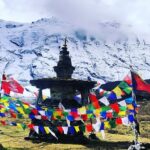
Day 2 is your Kathmandu orientation day. You get a guided loop through Kathmandu Durbar Square, Monkey Temple (Swayambhu), Pashupatinath Temple, and Boudhanath Stupa. It’s a good mix: history in Durbar Square, sweeping views and monkeys at Swayambhu, the river-temple atmosphere at Pashupatinath, and the calm, prayer-flag vibe at Boudhanath. You’ll also have time to shop for trekking gear, which is handy if you forgot something basic like decent socks or a warm layer.
Day 3 is the classic transfer to Pokhara. The drive follows the Trisuli and Marsyangdi River corridors, and the route is scenic enough that you’ll likely enjoy it even if you’re not a “road trip” person. On clear stretches, you may see Ganesh Himal and the Manaslu peak in the distance. When you arrive, you land in Pokhara, a place designed for travelers—lakes, caves, temples, and easy wandering before your first real hike.
Practical note: these early travel days are when you should be most careful with hydration and sleep. If you’re going to feel tired later, it’s best that it starts with a reason you can control.
You can also read our reviews of more tours and experiences in Kathmandu.
Day 4 to Day 5: from easy village walking to the first serious climb
Day 4 begins with a short drive to Nayapul (about 1.5 hours), then your first trek segment toward Tikhedunga (1577m) via Birethanti (1065m). This is the “warm-up” day. The trail is described as easy and relatively flat early on, passing through small lively villages and settlements. If you’ve never done stairs at altitude, this is also where you learn your pace. Don’t force it. Let your breathing set the rhythm.
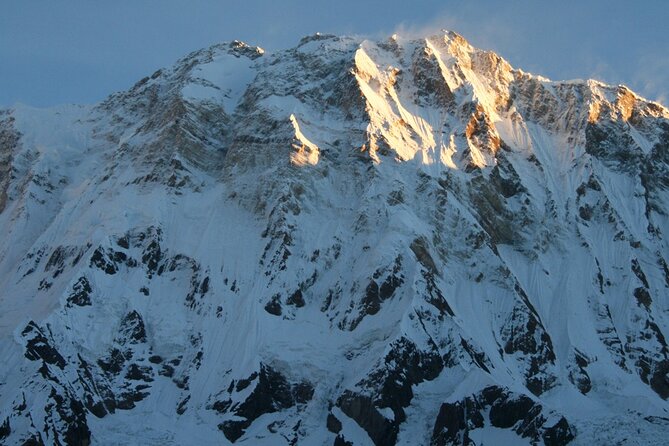
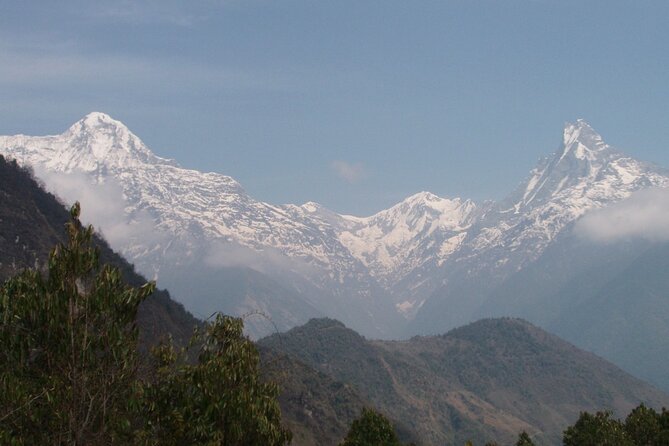
Day 5 ramps up. After breakfast at your guest house, you ascend steeply for the first couple of hours, then move through Ulleri (2070m) and Banthanti. You get some big-window mountain views as you climb—Machhapuchhare (Fish Tail), Hiunchuli, and Annapurna south show up along the way. Then the trail shifts into rhododendron and shadowy forest walking with plenty of bird sounds.
What makes these days valuable isn’t just the scenery. It’s the mix of effort and reward that trains you for the rest of the trek. You’ll go from village paths to forest trails before you spend days higher up, which reduces the “shock” factor when the altitude starts stacking up.
Poonhill sunrise on Day 6: the view payoff before the Base Camp grind
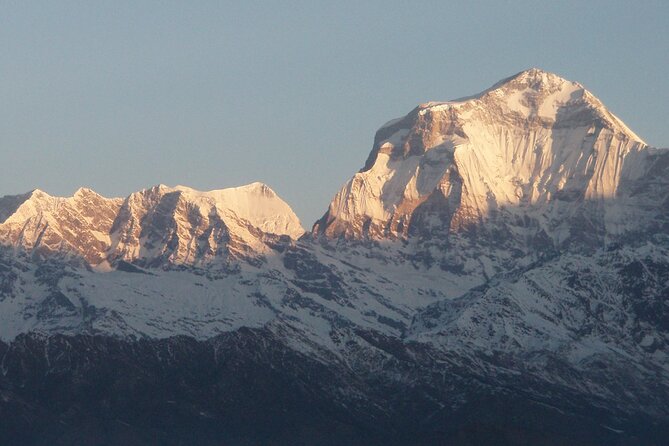
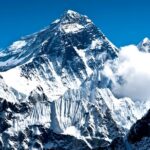
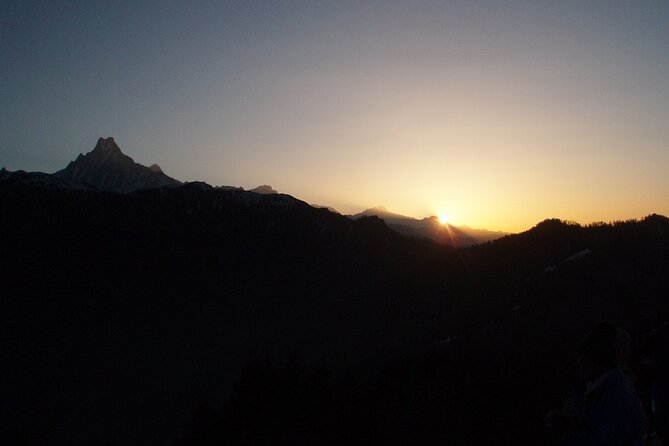
Day 6 is your Poonhill day, and it’s timed for sunrise. You hike up to Poonhill (3232m) to catch views over a long list of peaks—Dhaulagiri, Tukuche, Nilgiri, Varaha Shikhar, Annapurna I and South, plus Machhapuchhare and several others depending on conditions. After sunrise, you hike back down to Ghorepani.
Then the day doesn’t end at breakfast. There’s a hot breakfast at the lodge, and you continue onward to Tadapani (2650m). Most of your trail is through rhododendron forest, and if you’re traveling in bloom season, this stretch can feel almost like a living tunnel of color.
Why this day works: it gives you an early “big view” moment while you’re still building conditioning. You come away motivated, not just tired. Also, you’re training your body to wake up early and move—something that matters a lot on later high-altitude mornings.
Chomrong and the Annapurna approach: forests, stairways, and that gateway feeling
From Day 7 onward, the trek leans into the classic Annapurna feel: dense woods, repeated elevation changes, and villages that mark real progress. Day 7 starts with descent through rhododendron, oak, and other dense forest, with bird sounds along the way. Then you switch to a steep ascent and walk at a flatter level for a bit before reaching Chomrong.
Chomrong is described as the gateway to Annapurna Base Camp, and it sits at the base of Himalchuli. That phrase is helpful because it sets expectations. This isn’t the moment where you’re fully “there” yet, but it is where the trek starts to feel like the real mission.
Day 8 includes a stone stairway descent, a suspension bridge crossing the Chhomrong Khola, and then a climb out of the side valley. You’ll pass bamboo, rhododendron, and oak forests, reach Sinuwa around 2350m, then tackle another long steep staircase into bamboo and rhododendron forests. You end up walking toward Bamboo, and then onward toward Dovan and Himalaya areas as described.
If you’re worried about walking fatigue, Day 8 is the one to respect. It’s not just steep. It’s steep in segments, which means your legs take frequent hits. The earlier you learn a steady pace here, the easier later days feel.
Day 9: Bagar meadow and the final push into Base Camp territory
Day 9 is described as the valley widening and becoming less steep. You’ll pass through avalanche track areas on a narrow trail that hugs the cliffs. That detail matters: this isn’t a leisurely trail stroll. You’ll want sure footing and calm movement—no rushing for photos.
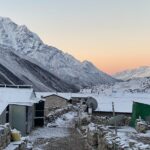
You reach Bagar (3310m), described as a green meadow with some abandoned hotels. It’s a strange scene in the best way: like the trek has room for both nature and human ambition, even if that ambition didn’t stick.
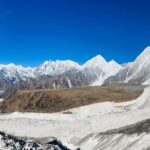
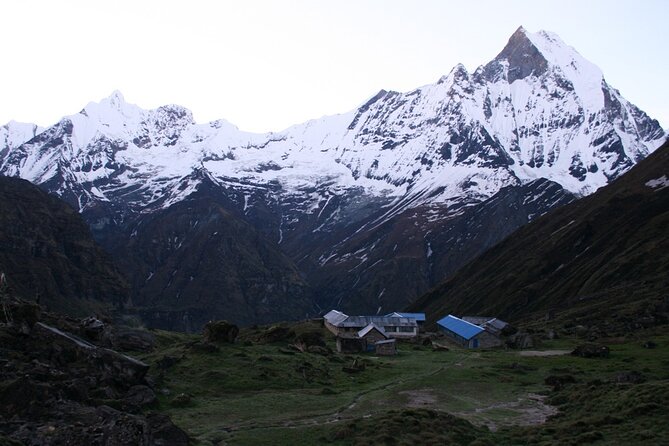
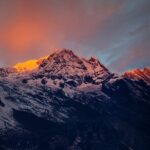
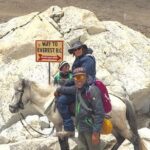
As you go deeper toward the sanctuary, the trail moves through alpine meadows and gentle upward sections. Then you begin approaching Annapurna Base Camp at 4170m. When you arrive, the trip shifts from “trekking day” to “destination day.” The itinerary then frames this as reaching the holiday goal.
This is the part where a tour’s pacing design pays off. If the days before you were too aggressive, Day 9 can feel brutal. If you paced well, the ascent feels like effort with a clear finish line.
Day 10: Base Camp morning, then a smart descent to Dovan
On Day 10, you visit Annapurna Base Camp and take in the surrounding views. The focus here is that base camp scenery can be amazing, and the itinerary encourages you to spend time there before moving.
Then you start trekking back down to Dovan, about six hours. The phrasing here is practical: going down is easier, but the itinerary also notes that some trekkers may have issues going down due to shaking or wobbling legs after fatigue. So this route choice is built to help you keep control and reduce risk on the descent.
This is where you’ll feel the difference between a trip that’s only “possible” and a trip that’s designed to be finished comfortably. You don’t want your most dangerous moment to be in the final third of the trek.
Day 11: Bamboo to Chhumrong and a hot springs reset
Day 11 brings you down through rhododendron, oak, and bamboo forest, reaching Bamboo. Then there’s a steep climb for about an hour to Sinuwa, followed by flatter walking until you move toward Chhumrong Khola.
You’ll trek gradually descending to Chhumrong and follow a stone staircase for almost an hour to reach it, then go steeply down to Jhinudanda. After you check into the guest house, there’s an optional stop at hot springs to refresh in warm natural hot water.
This is one of the best “quality-of-life” elements of the whole itinerary. Even if you’re not a spa person, heat on tired feet can make the next morning feel less scary. It also helps you mentally transition from the hard part being done.
Days 12 to 13: Nayapul back out to Pokhara, then the ride to Kathmandu
Day 12 starts with a descent and then flatter walking through flat land until Birethati. You stop for lunch in Birethati and then walk about 30 minutes to Nayapul. From there, your car or van is waiting to bring you back to Pokhara.
This day is valuable because it breaks the trek into a clean finish. Instead of doing one more long climb back into the mountains, you’re stepping out into civilization with a clear plan.
Day 13 has you take a tourist bus at 7 AM after breakfast to drive back to Kathmandu. The drive is described as fantastic, passing satellite towns, rural settlements, gushing rivers, terraces, and green rural landscapes. After roughly six hours, you arrive in Kathmandu.
Then Day 14 is straightforward: transfer to the international airport for your departure.
Price and value check: what $950 covers (and what it doesn’t)
At $950 per person, this trek is priced as a guided, permit-included, full-service package for a full 14-day itinerary.
Here’s what’s included in the cost as listed:
- 13-night accommodations during the tour
- Kathmandu sightseeing with entrance fees for Day 2 sites
- Annapurna conservation entry and TIMS permit
- Ground transportation Kathmandu–Pokhara–Kathmandu (tourist bus)
- An experienced guide
- Meals: breakfast (12), lunch (9), dinner (8)
What you should budget separately:
- Nepal visa fee
- Travel insurance (compulsory)
- International airfare
- Alcohol and nonalcoholic drinks not specified in the itinerary
- Tips for guide, porter, and driver
- Optional porter cost if you want one (the listing says porter is not included if you need)
- Any extra expenses outside the included section
Value thoughts: you’re paying for a route that’s already organized around acclimatization and a real guiding presence, plus permits and Kathmandu sightseeing. Those add up fast in real life, especially on a high-profile trek like Annapurna. If you already have your own gear, enjoy a small-group pace, and want minimal logistics stress, this price can feel fair.
Accommodation, meals, and the rhythm of a supported trek
This itinerary includes multiple meal times, but not every meal is specified. So you should expect that some lunches or dinners could vary by lodge availability and what’s arranged on the ground. The trip includes breakfast every trek day count listed (12 breakfasts), plus several lunches and dinners.
Accommodation is included for 13 nights. On ABC routes, rooms are typically basic and focused on warmth and sleep, not luxury. That means your packing matters: layers, a good sleep strategy, and keeping your day bag organized.
The good news from past experiences (as reflected in the guide names and consistent praise) is that the practical side tends to be handled well. Guides are repeatedly described as supportive and attentive, and that can make a huge difference when you’re tired and altitude is messing with your appetite.
Who this ABC trek suits best (and who should be cautious)
This tour is aimed at people with at least moderate physical fitness. If you can walk several hours with elevation changes, you’re in the right zone. The daily structure—some easy/flat segments early, then forest and stair-heavy stretches later—works well if you pace steadily and don’t treat each day like a race.
It’s also a good match if you like:
- A small group (max 14)
- Guided structure and route clarity
- A mix of culture time (Kathmandu temples) and mountain time (ABC and Poonhill)
Consider a different approach if you:
- Struggle with lots of stairs or steep descents
- Hate waking up very early for sunrise views
- Want fully guided, private logistics with no group walking (this is group-based)
Should you book this 14-day Annapurna Base Camp trek?
I’d book it if you want a structured, small-group ABC trek with the key pieces already lined up: permits, guiding, Kathmandu sightseeing, transport between cities, and a route designed for gradual acclimatization. The Poonhill sunrise day is also a strong selling point because it gives you that big-mountain payoff before the hardest walking days.
I wouldn’t book it if you’re looking for an easy stroll or if you’re unsure about handling steep stair sections and a long descent rhythm. This is a tough trek, and the best outcome comes when you match your expectations to the effort.
FAQ
Where does the trek start?
It starts with a meeting point at Tribhuvan Airport in Kathmandu, Nepal.
How long is the Annapurna Base Camp trek?
The itinerary is for 14 days approximately.
What permits are included?
The package includes Annapurna conservation entry and TIMS permit.
Are meals included?
Yes. Breakfast is included (12 times), lunch (9 times), and dinner (8 times). Other meals or drinks not specified may cost extra.
How do you get between Kathmandu and Pokhara?
Ground transportation is included from Kathmandu to Pokhara and back to Kathmandu by tourist bus.
Is a porter included?
A trekking porter is not included if you need one. The listing suggests porter costs are extra if you choose to add one.