REVIEW · KATHMANDU
Kathmandu Valley Trek
Book on Viator →Operated by High Route Adventure · Bookable on Viator
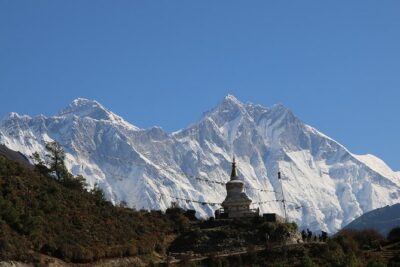
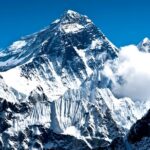
One early-morning view can change your whole trip. This Chisapani to Nagarkot trek makes sunrise the main event, with two nights stretching from forests and villages into classic Himalayan viewpoints. I also love how solid the human support feels, especially with guide Bhumi creating calm, steady momentum from the first steps.
The only real drawback to plan for is the early wake-up. You’ll be up before daybreak for sunrise viewing, and the rest of the days keep a trekking rhythm, not a slow city stroll.
In This Review
- Key highlights to look for
- Kathmandu valley trekking: why this route works
- Price and logistics: what $283 buys you (and what it doesn’t)
- Day 1: From Sundarijal up to Chisapani (and getting your legs ready)
- Day 2: Sunrise planning in Chisapani, then onward to Nagarkot
- Day 3: Changunarayan lunch, then back to Kathmandu
- Lodging and meals: teahouse vs hotel, and why that balance matters
- The guide factor: why Bhumi makes a difference
- What to expect on the trail: walking, timing, and pacing
- Who this trek is best for (and who should think twice)
- Practical tips for enjoying Chisapani and Nagarkot more
- Should you book the Kathmandu Valley Trek?
- FAQ
- What is the duration of the Kathmandu Valley Trek?
- How much does the trek cost?
- Does the tour include pickup in Kathmandu?
- Is this a private tour?
- Are tickets provided?
- Where does the trek start?
- Are meals included?
- Where is lodging included?
- Do I need to pay for admission tickets for the stops?
- What is not included in the price?
- Can I cancel for a full refund?
Key highlights to look for
- Sunrise from Chisapani and Nagarkot with big-open sky timing
- Bhumi’s patient guidance and confidence-building pace
- Shivapuri National Park trails between hill stations and village stops
- Real lodging balance: teahouse in Chisapani, hotel in Nagarkot
- Pickup plus mobile ticket for smoother Kathmandu start-to-finish
Kathmandu valley trekking: why this route works
This is a short trek that still feels like you left Kathmandu behind. You’re not doing a long marathon. Instead, you’re stepping into a very Nepal way to travel: short days, frequent scenery changes, and a guide who handles the moving parts so you can focus on walking and views.
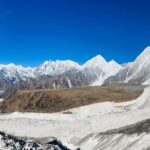
What makes this itinerary smart is the way it uses altitude and timing. Day 2 is built around early sunrise, and the route connects two famous hill stops—Chisapani and Nagarkot—through Shivapuri National Park and the surrounding ridgeline paths. That means you get that classic valley look without needing days and days of hiking.
If you like the idea of fresh air, village lanes, forest shade, and then a payoff from above, you’ll like the pacing. It’s also a good option if you want a trek but you’re not sure you want to commit to something much longer.
You can also read our reviews of more tours and experiences in Kathmandu.
Price and logistics: what $283 buys you (and what it doesn’t)
At $283 per person for about 3 days, this trek can be a strong value because several key pieces are included:
- A tour guide (and that matters a lot on trekking days)
- Lodging: hotel in Nagarkot and a teahouse in Chisapani
- Breakfasts (3)
- Fuel surcharge plus all official expenses and government taxes
- Pickup offered and a mobile ticket
What’s not included keeps the budget more straightforward than you might expect:
- Nepal visa fee
- Travel insurance
- Tips
Here’s the practical way to think about it: you’re paying for a guided, organized trek with two kinds of overnight stays and daily structure. You’re not just buying a scenic walk. For many people, that’s the difference between a trip that feels manageable and one that turns into a headache.
Also, this is described as a private tour/activity, meaning it’s only your group. That usually translates into less waiting, more flexibility with your pace, and a more personal feel around viewpoints and timing.
Day 1: From Sundarijal up to Chisapani (and getting your legs ready)
Your trek begins with a set-up that’s made for real-world travel days, not just perfect conditions. You start with hotel breakfast, then check out, followed by a scenic drive to Sundarijal. From there, you do a gear check and final trek prep before heading toward the Shivapuri National Park entrance.
Then comes the trekking portion: stone steps and uphill paths leading you toward Chisapani. Even if you’re an active traveler, expect your legs to notice the climb. This is where a guide becomes more than a map holder. A good guide helps you settle into a rhythm that’s sustainable—steady, not frantic.
The stop named Chisapani Taal adds a nice rhythm to Day 1. It’s a chance to break up the climb, take in the area around Chisapani, and reset before your overnight. The itinerary also shows admission as free for this day’s listed stop, so you’re not paying extra just to enjoy the viewpoint time.
Why I like Day 1 here: it introduces you to the feel of the trek without throwing you into a “do or die” day. You build altitude and effort, then land in Chisapani for the real highlight later.
Small consideration: your comfort level on stairs and uphill footing matters most on Day 1. Comfortable shoes and a patient pace are the winning combo.
Day 2: Sunrise planning in Chisapani, then onward to Nagarkot
Day 2 is where the itinerary shifts from trekking to watching. You’ll get an early wake-up call so you can enjoy sunrise views from Chisapani. This is the kind of plan that’s worth treating seriously. Sunrise works best when you’re not rushing, so getting up on time actually improves the experience.
After sunrise, you’ll have hotel breakfast and check out, then continue through Shivapuri National Park. From there, the route heads down toward Chauki Bhanjyang, and you continue onward toward Nagarkot.
A few things make this day feel good even when you’re tired:
- You’re never just walking blindly. You know there’s a payoff baked into the schedule.
- You get alternating effort and scenery changes—uphill and downhill segments that can feel easier than one long grind.
- You move through a national-park zone, so the air and surroundings tend to feel more “out there” than urban outskirts.
The itinerary lists the day’s stop time at about 4 hours, which suggests a manageable trek length. That matters because on a short trek, energy is currency. You’ll want enough left in your body to enjoy Nagarkot once you arrive, not just make it to the hotel and collapse.
Where sunrise viewing connects to the Nagarkot name: Nagarkot is famous for early morning Himalayan perspectives and a sweeping look back down at the Kathmandu Valley below. The route is designed to give you that viewing moment—then move you along at a pace that still feels like a trek, not an all-day transport marathon.
Potential drawback: if you hate waking up early, Day 2 will be tough. There’s no getting around the sunrise timing.
Day 3: Changunarayan lunch, then back to Kathmandu
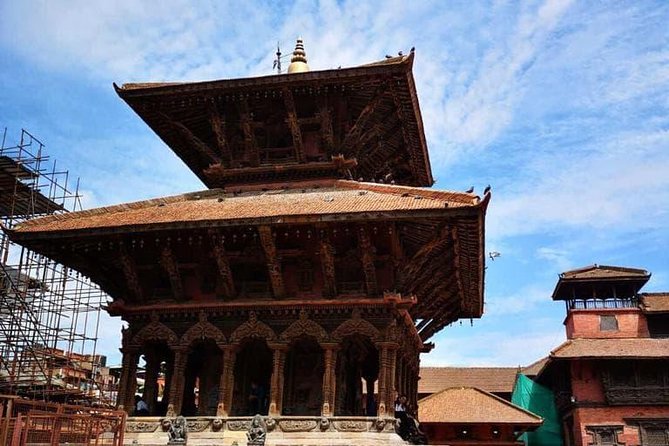
Day 3 keeps things civilized. You start with hotel breakfast and check out, then trek toward Changunarayan. You’ll have lunch at Changunarayan, then drive to Kathmandu, with hotel check-in and your own overnight stay in Kathmandu.
This day is a good ending because it’s not trying to squeeze in a final big push uphill. It’s a gentle transition back to normal life: walking, one last meaningful stop, and then the comfort of a Kathmandu hotel.
What makes the Changunarayan stop appealing is that it breaks the trek with something grounded in the region. You’re not just moving through space—you’re connecting with a known destination area and resetting with a meal before heading back.
For many trekkers, the Day 3 lunch is the moment you finally feel like you finished something. Your feet are tired in a satisfying way, your body is ready for a shower, and you’re still in Nepal travel mode long enough to remember the morning air.
Lodging and meals: teahouse vs hotel, and why that balance matters
One underrated part of this trek is the lodging swap:
- Teahouse in Chisapani
- Hotel in Nagarkot
That mix is practical. A teahouse stay often gives you that traditional trekking atmosphere—basic comforts, warm communal energy, and a sense of being in the trekking world. Then the Nagarkot hotel gives you a more standard travel setup at the end, which can feel like a reward after walking days.
Meals are also included in a simple way: breakfast each morning (3 total). That means you don’t have to plan breakfast logistics or worry about whether the timing will match your trekking schedule.
For value-minded travelers, this matters. Lodging and meals can inflate the real cost of a trek fast if you’re paying everything separately. Here, you know what’s covered.
The guide factor: why Bhumi makes a difference
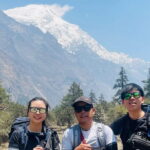
One of the clearest wins from this trek is guidance quality—specifically with Bhumi. The feedback about him is consistent: easy to talk to, patient, and extremely competent. Most importantly, he doesn’t just manage the route. He helps you feel confident.
That’s huge on a trek. When you’re on uneven steps, moving between viewpoints, and waking early for sunrise, your brain wants reassurance. A guide like Bhumi helps you get your bearings fast and keeps the pace human—so you’re enjoying the trek instead of wrestling it.
If you’re the type who worries about timing, directions, or whether you’re keeping up, a steady guide is worth more than a cheaper itinerary with no guidance.
What to expect on the trail: walking, timing, and pacing
This trek is a hill-hike style route. Expect:
- Stone steps and regular uphill segments
- Forest paths as you head toward and through Shivapuri National Park
- A rhythm that matches early starts, especially on Day 2
- Viewpoints that justify the effort, rather than making you hike forever without a payoff
Because the itinerary includes early sunrise time, your day doesn’t start when you wake up. It starts when you’re ready to be out there with the sky. That means planning your evenings for rest, staying warm, and keeping your energy up.
One more practical note: the tour is private, so your group’s pace affects how the walk feels. If your group likes frequent photo stops, you may move slower. If you keep breaks short, you’ll likely feel the trek stays comfortable.
Who this trek is best for (and who should think twice)
This experience is labeled as suitable for most travelers, which makes it a strong fit for people who want a trek without a huge time commitment. It also works well if you:
- Want classic Nepal hill views, especially sunrise
- Like guided travel that removes guesswork
- Prefer short days and a clear structure
- Are comfortable with some uphill hiking and steps
Think twice if you:
- Hate early mornings and sunrise schedules
- Have limited tolerance for stair-heavy uphill walking
- Want a fully flexible itinerary with no set-day timing
The trek is short, but it still asks your body to cooperate.
Practical tips for enjoying Chisapani and Nagarkot more
You don’t need to overthink this trek, but a few smart choices can make it smoother:
- Wear shoes with real grip for steps. Loose footing is the main annoying risk on stair routes.
- Plan for cold at sunrise. Even when Kathmandu feels mild, early morning hill air can bite.
- Keep water and light snacks handy when the route allows, especially if you’re sensitive to energy dips.
- Bring a layer for sunrise and then expect to warm up while trekking.
- If you’re with a group, decide how often you’ll pause for photos so the pace stays comfortable.
These are basic, but they’re the difference between enjoying the views and constantly recalibrating.
Should you book the Kathmandu Valley Trek?
If you want a short trek with a strong payoff and an organized flow, I’d say yes. The value comes from the combination of guided logistics, included breakfasts, and the lodging plan that gives you both teahouse character and hotel comfort. You’re also paying for a sunrise-focused itinerary that uses the hills the right way.
Book it if:
- Sunrise views are your top priority
- You want a private, guided experience with minimal hassle
- You’re fine with early mornings and uphill steps
Skip it if:
- Early wake-ups aren’t your thing
- You’re looking for a flat walk or a low-effort sightseeing day
Overall, this trek is a practical choice for seeing real trekking Nepal in only a few days—especially because the guide support (including Bhumi’s calm competence) makes the experience feel steady, not stressful.
FAQ
What is the duration of the Kathmandu Valley Trek?
It runs for about 3 days (approximately).
How much does the trek cost?
The price is $283.00 per person.
Does the tour include pickup in Kathmandu?
Yes, pickup is offered.
Is this a private tour?
Yes. It’s described as private, with only your group participating.
Are tickets provided?
You’ll receive a mobile ticket.
Where does the trek start?
The trek involves a drive from Kathmandu to Sundarijal, which is used as the starting point.
Are meals included?
Yes. Breakfast is included for 3 days. Meals beyond breakfast are not listed as included.
Where is lodging included?
Lodging is included as a hotel in Nagarkot and a teahouse in Chisapani.
Do I need to pay for admission tickets for the stops?
Admission is listed as free for the trek’s listed admission-marked stop(s).
What is not included in the price?
Not included are the Nepal visa fee, travel insurance, and tips.
Can I cancel for a full refund?
Yes, you can cancel for free up to 24 hours in advance for a full refund. If you cancel less than 24 hours before, the amount is not refunded.