REVIEW · MINCA
Coffee, Cocoa and Trekking Tour in Minca: Nature, Crops and Production
Book on GetYourGuide →Operated by Macondo Project Tourism · Bookable on GetYourGuide
Smell coffee. Walk jungle trails. I like how this Minca tour pairs sustainable farm learning with organic coffee and cocoa tastings, then sends you along Sierra Nevada de Santa Marta trails.
I also like that the guiding stays practical, covering cultivation, harvesting, and transformation methods farmers use, plus breaks with views and cool natural water stops.
One watch-out: this is a short hike with a real uphill, so plan on sturdy shoes and a steady pace.
In This Review
- Key things I’d watch for
- Coffee, cocoa, and trekking in Minca: what this tour is really about
- Meeting at Minca’s Central Park and the first trail section
- Puente de Minca and Minca Park: views, plants, and local stories
- Finca San Rafael: where coffee and cocoa become real
- Tastings of organic coffee and handmade cocoa: how to make it count
- The hike reality: time, pace, and what to bring
- Price and value: why $41 can make sense here
- Who this tour is best for (and who should skip it)
- Should you book this coffee, cocoa and trekking tour?
- FAQ
- How long is the Coffee, Cocoa and Trekking Tour in Minca?
- Where does the tour start and end?
- What’s included in the price?
- Is food or drinks included?
- What languages are the guides available in?
- What should I bring?
- Is the tour suitable for children?
- Is it accessible for wheelchair users?
- What’s not allowed during the activity?
- FAQ
- Can I cancel for a full refund?
- How do I handle the weather?
Key things I’d watch for
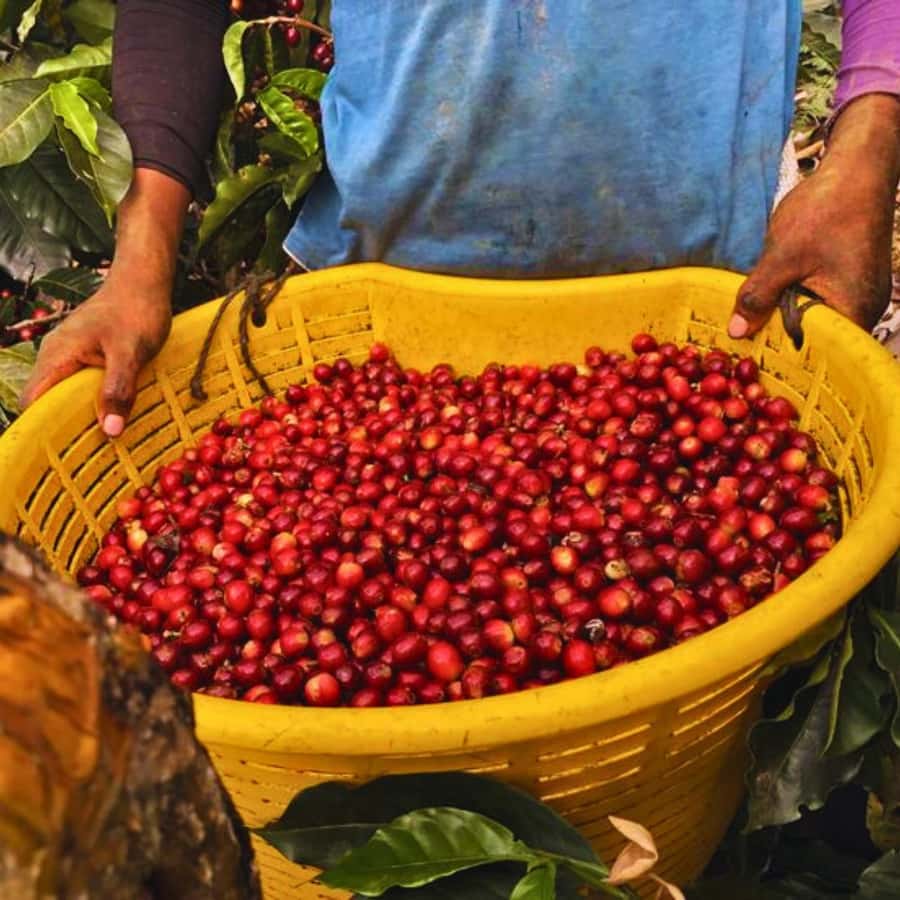
- Coffee + cocoa, in one coherent farm visit, with explanation from plant to product
- Tastings on-site of organic coffee and handmade cocoa
- Guided trail time in the Sierra Nevada, including native flora and fauna spotting
- Rest stops with panoramic views and access to natural water for refreshment
- Guides like Albert, John, and Jorge show up in past groups, and the info tends to be clear and question-friendly
Coffee, cocoa, and trekking in Minca: what this tour is really about
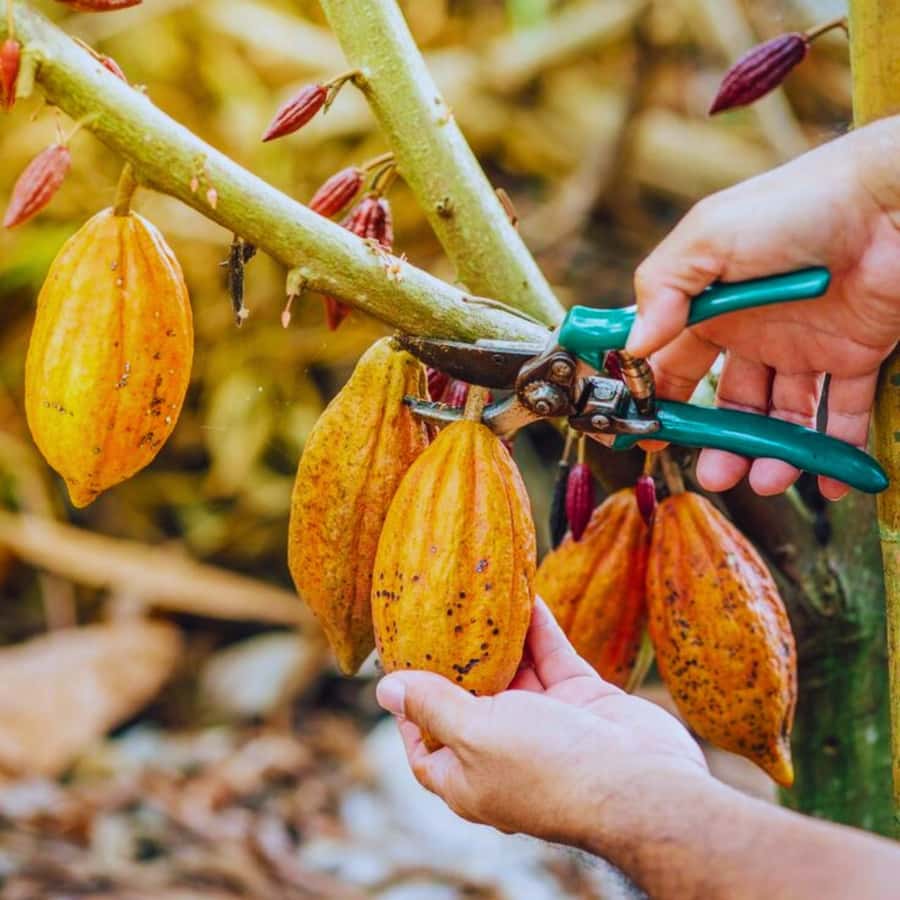
Minca is famous for cool mountain air and rainy-day green, but this kind of tour gives you more than photos. You’re getting a hands-on look at how two crops—coffee and cocoa—shape life here in the Sierra Nevada region of Magdalena, Colombia.
The best part is the pairing: you walk through natural areas, then you step into a farm where people explain what they grow and why. That mix matters. It turns coffee and chocolate from store products into something you can picture: the elevation, the soil, the shade trees, the harvesting rhythm, and the careful steps that transform beans and pods into drinks and sweets.
At about $41 per person for roughly 4.5 hours, the value is mostly in what’s included: a specialized local guide, farm access with process explanations, tastings, a guided hike, and even assistance insurance during the activity. The big things not included are also clear—no food and no transportation—so you’ll want to plan around that (more on how later).
You can also read our reviews of more tours and experiences in Minca.
Meeting at Minca’s Central Park and the first trail section
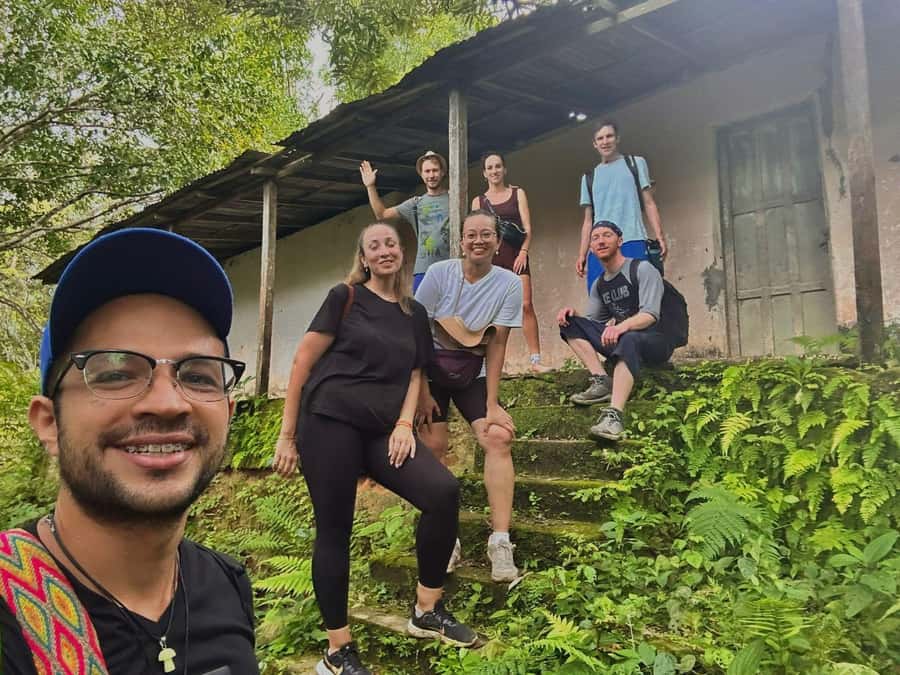
Most mornings (or afternoons) start at the Central Park of Minca, near the church or small chapel. From there, you’ll head toward Parque de Minca and then into the Puente de Minca area as part of the guided route.
This early portion is useful even if you’re not in “big hike” mode. You get oriented fast—how the guide talks about the area, what to look for, and how the hike will feel. You’ll also start learning the human side of Minca: how local farming and community-based tourism connect people to the land.
If you’re sensitive to uneven ground, pay attention right away. The tour is not described as long-distance trekking, but it’s also not flat. Several visitors highlight an uphill that ramps up more than expected—so take it easy at the start and let your lungs warm up.
Puente de Minca and Minca Park: views, plants, and local stories
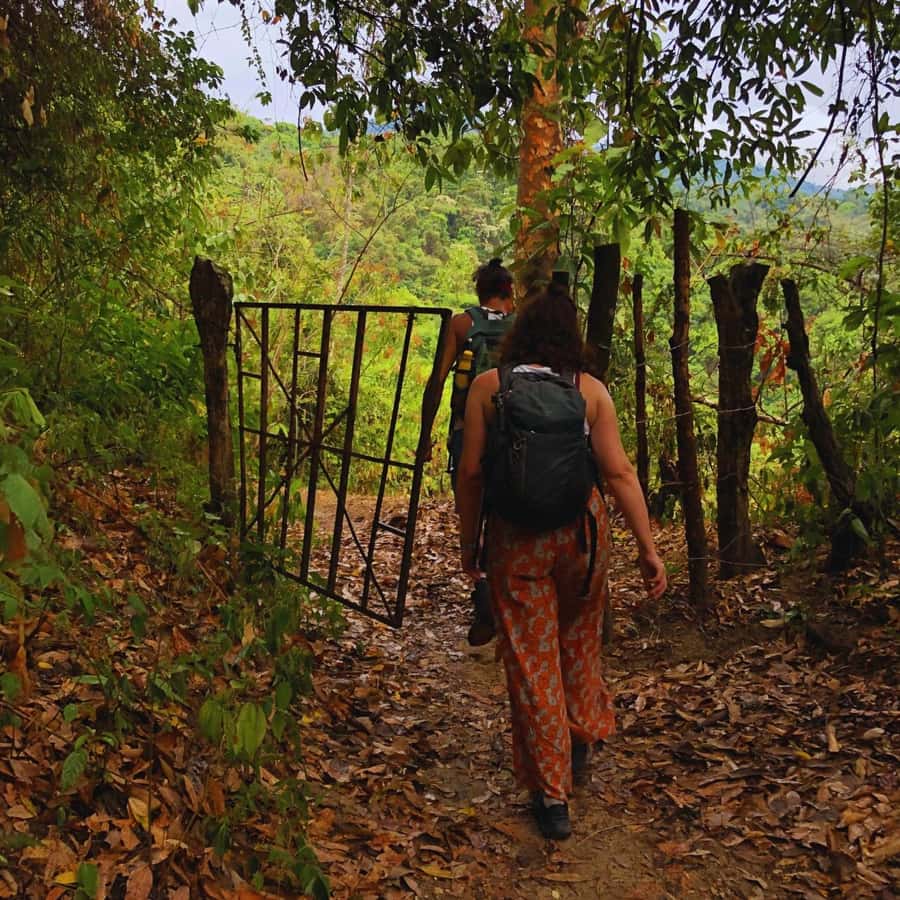
After the initial walking time, the route moves through the Puente de Minca stretch (about an hour of guided time) and then into Minca Park (a longer guided segment).
This is where you’ll likely feel the Sierra Nevada setting in a grounded way:
- You’ll be guided along natural trails rather than a car-to-car checklist.
- You’ll have chances to observe native flora and fauna.
- You’ll stop at rest areas with panoramic views—the kind where you actually pause and look instead of snapping and moving on.
Minca’s location brings something special: different elevation bands. As you walk, you’re moving through areas that can feel noticeably different in temperature and vegetation. That’s one reason biodiversity is part of the experience. It’s not just a “nature walk.” The guide will connect what you see to how the crops and ecosystems work together.
The vibe you’re aiming for here is simple: slow your pace, ask questions, and let the guide’s knowledge turn the sights into context. If you enjoy explanations—especially about how people farm in the Sierra Nevada—you’ll get a lot out of this segment.
Finca San Rafael: where coffee and cocoa become real
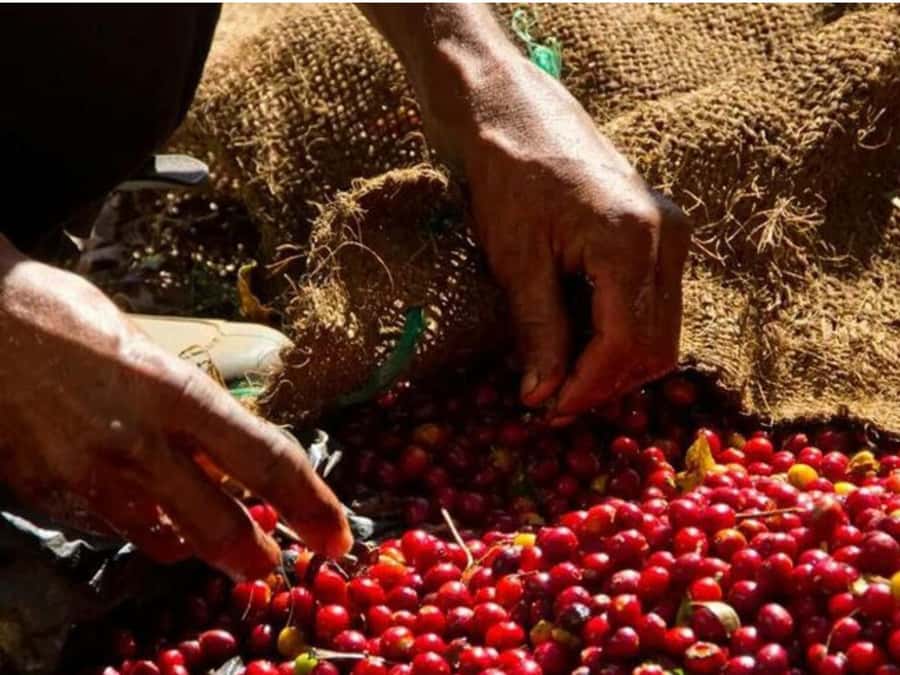
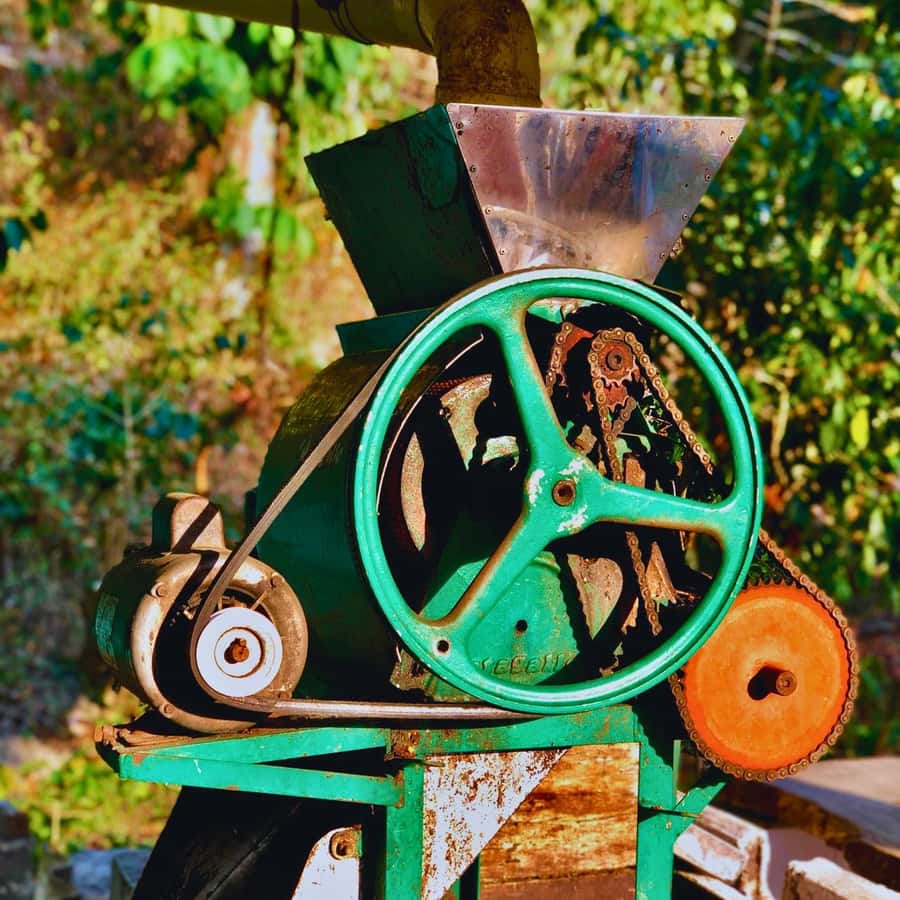
The farm part centers on a sustainable farm visit (Finca San Rafael) where farmers from the Sierra Nevada share how coffee and cocoa are cultivated and processed.
This is the heart of the tour. Coffee and cocoa aren’t just tastings here; you’re meant to understand the chain of work:
- how crops are grown and managed,
- how harvesting works,
- and how transformation steps turn raw materials into the final products you taste.
One strong point is that the tour is framed as a shift from older methods toward more sustainable agroecological practices. You don’t need a farming degree to follow along. If anything, it helps to think like this: sustainability isn’t a slogan here—it’s shade management, soil care, water awareness, and practices that fit the local environment.
You might also see cacao production shown manually, depending on the day and flow of the visit. Past groups have described the process as hands-on and explained in a way that makes chocolate feel less mysterious and more like real work.
And yes—sometimes farm timing lines up with a chance to cool off. One visitor notes time for a short swim in a small natural lake near a waterfall. That isn’t something you should plan on as a guarantee, but it’s a good hint that the route can include rewarding nature breaks when conditions allow.
Tastings of organic coffee and handmade cocoa: how to make it count
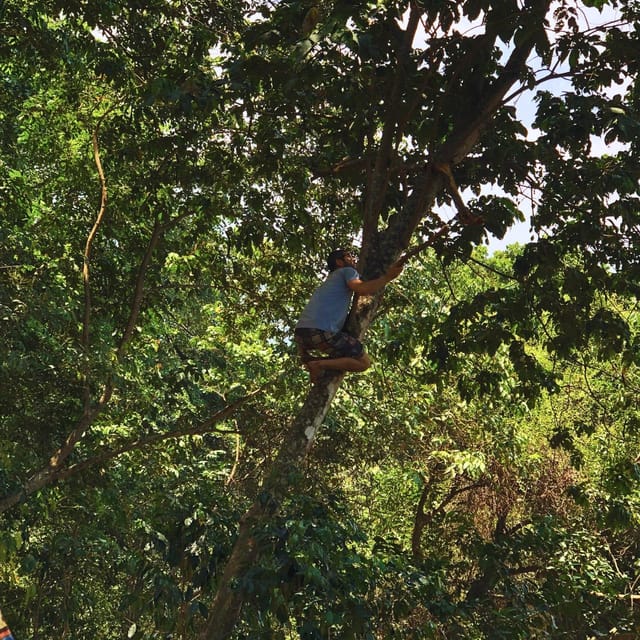
The tasting is included: organic coffee and handmade cocoa.
This is where you can switch from passive tourism to active appreciation. Here’s how to get more from the tasting without turning it into a chemistry class:
- Ask what they grind or roast, and why. (The guide can usually connect it to how the beans and fermentation were handled.)
- Taste once straight, then again with small attention—aroma first, then flavor, then the finish.
- Use your hike context: if the farm is at a particular elevation band, ask how that environment affects the crop.
The tour sells “senses” for a reason. When you can match a flavor to a place—jungle, shade trees, harvest season—you’ll remember it longer than the average souvenir stop.
If you’re a coffee person, focus on aroma and balance. If you’re more of a cocoa person, ask about how cocoa is prepared before it becomes a drink or a chocolatey product. Even if you’re not buying anything, the tasting helps you understand what you’re looking at during the farm explanation.
The hike reality: time, pace, and what to bring
This is listed as 4.5 hours total. That time usually feels about right for a route that mixes trail walking, guided farm explanation, and tastings with short breaks.
Fitness-wise, it’s “short hike” in duration, not “short hike” in effort. A hearty uphill is specifically called out in past experiences, so expect to work a bit. You don’t need to be an athlete, but you do need to be comfortable walking on uneven natural ground.
Bring:
- Comfortable shoes or proper hiking shoes
- Water (and a reusable bottle)
- Biodegradable sunscreen and a hat
- Biodegradable insect repellent
- Clothes that can get dirty, plus light rain/wet-weather gear if you have it
- Trekking pants or long pants if you prefer more protection on trails
Also note what’s not allowed: weapons or sharp objects, alcohol and drugs, baby strollers, and nudity. If you’re traveling with kids, the age limit is important—this activity isn’t suitable for children under 8.
Price and value: why $41 can make sense here
A $41 ticket in Minca can either feel cheap or pricey depending on what’s included, and here the value is pretty tangible. You’re paying for:
- a local tour guide specialized in coffee, cocoa, and biodiversity
- a sustainable farm visit with cultivation and production explanations
- tastings of organic coffee and handmade cocoa
- a guided hike through natural trails in the Sierra Nevada
- observation of native flora and fauna
- rest areas and access to natural water sources for refreshment
- assistance insurance during the activity
- direct contribution to the local community and environmental conservation
What you should budget separately:
- Food and beverages are not included
- Transportation is not included
So, the smartest move is to eat before you go, or plan a small snack you can carry. If you rely on buying food during the tour, you might end up hungry. Also, make sure you have a plan for getting to the meeting point in Central Park of Minca.
Who this tour is best for (and who should skip it)
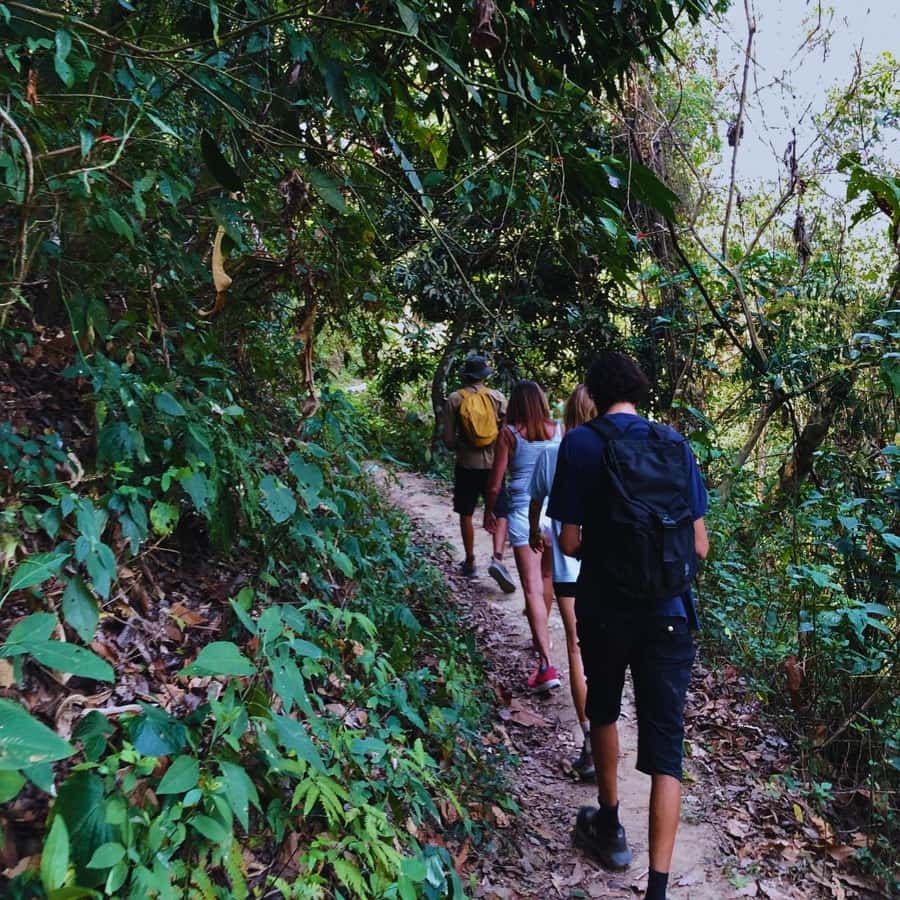
This tour fits best if you like nature with a purpose—walking plus learning plus tasting. It’s a good choice when you want to connect Minca to real production, not just views.
You’ll likely enjoy it if you:
- love coffee or cocoa and want the story behind them
- like guided hikes with chances to spot plants and animals
- enjoy asking questions and getting clear explanations
You should consider skipping if you:
- need wheelchair access (not suitable for wheelchair users)
- have respiratory issues (not recommended)
- are pregnant (not suitable)
- have mobility limits that make uphill trail sections difficult
- travel with very young kids (not suitable for children under 8)
- are older and want to avoid risk (the activity lists not suitable for people over certain ages)
Should you book this coffee, cocoa and trekking tour?
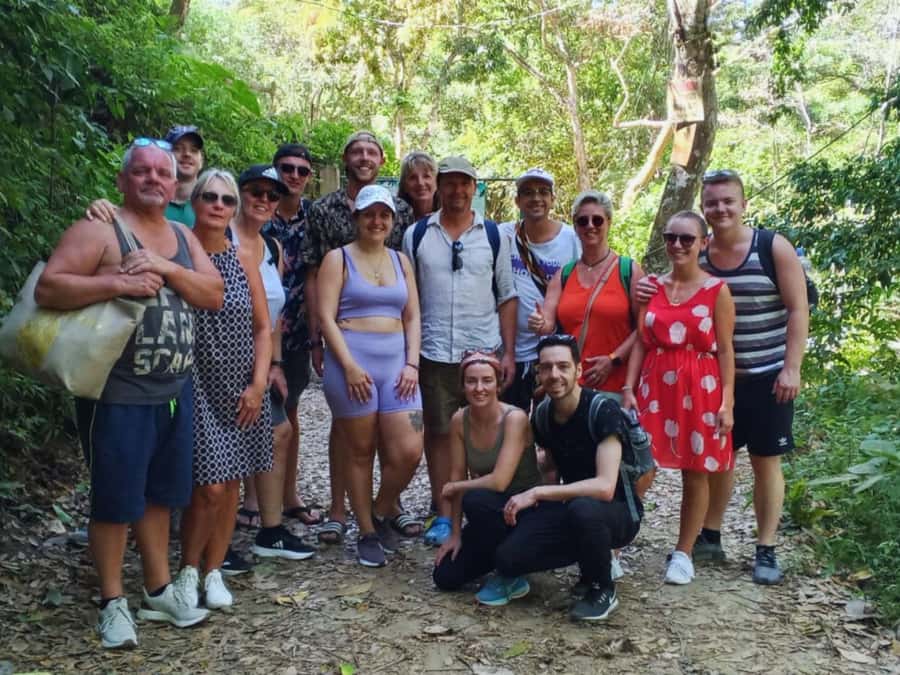
If you’re already in Minca and you want one activity that combines trail time, hands-on farming knowledge, and tastings at the source, I’d lean yes. The value comes from the whole package: guide + farm + hike + tastings + nature stops.
Skip it if your idea of a good trip is a flat, easy stroll or if you can’t handle an uphill effort. Also, go in with the right expectation: you won’t be fed on the tour, and transportation isn’t handled for you.
If you want, I can also help you pick the best time of day to do it based on your other plans in Minca (and whether you’re trying to avoid the wettest hours).
FAQ
How long is the Coffee, Cocoa and Trekking Tour in Minca?
The tour lasts 4.5 hours.
Where does the tour start and end?
It starts at the Central Park of Minca (near the church or small chapel) and ends back at the same meeting point.
What’s included in the price?
A specialized local guide, a sustainable farm visit with cultivation and production explanations, tastings of organic coffee and handmade cocoa, a guided hike on natural trails, native flora and fauna observation, rest areas with panoramic views, access to natural water sources for refreshment, assistance insurance during the activity, and direct contribution to the local community and environmental conservation.
Is food or drinks included?
No. Food and beverages are not included.
What languages are the guides available in?
Guides speak Spanish and English.
What should I bring?
Bring comfortable shoes or hiking shoes, water (ideally a reusable bottle), biodegradable sunscreen, hat, biodegradable insect repellent, comfortable clothes that can get dirty, and waterproof clothing if you have it.
Is the tour suitable for children?
It is not suitable for children under 8 years old.
Is it accessible for wheelchair users?
No, it is not suitable for wheelchair users.
What’s not allowed during the activity?
Weapons or sharp objects, baby strollers, alcohol and drugs, and nudity are not allowed.
FAQ
Can I cancel for a full refund?
Yes, you can cancel up to 24 hours in advance for a full refund.
How do I handle the weather?
Bring water and sunscreen, and pack waterproof clothing if rain is likely. Comfortable clothing and shoes that can get dirty will help you stay comfortable in changing conditions.