REVIEW · KATHMANDU
12 Days Everest Base Camp Trek
Book on Viator →Operated by himalayan sanctuary adventure private limited · Bookable on Viator
Everest starts with a bumpy sprint to the sky. This trek is built to reduce the usual stress: you get permits and paperwork handled, plus a licensed, English-speaking guide and trek support that keeps your days moving.
I also like that the route is paced with teahouse stays and meals already included, so you’re not constantly budgeting or hunting for logistics at every stop.
One real consideration: the Lukla flights can be weather-dependent, so you should expect delays or waiting at Kathmandu or Lukla at the start or end of the trip. And since the trek kicks off with an early start, you’ll want to treat jet lag carefully and plan your energy from day one.
In This Review
- Key things that make this Everest Base Camp trek work
- How this package removes the Everest headache (permits, flights, and day-to-day logistics)
- Kathmandu to Lukla: the 5:15am start that kicks everything off
- Phakding, Namche Bazaar, and the first real altitude “pause”
- Day 1: Lukla to Phakding
- Day 2: Phakding to Namche Bazaar
- Day 3: acclimatization in Namche
- Tengboche to Dingboche: monasteries, high views, and smart acclimatization
- Day 4: Namche to Tengboche (via Phunki)
- Day 5: Tengboche to Dingboche
- Day 6: Dingboche acclimatization day
- Lobuche to Gorak Shep and Everest Base Camp: the days that test your pace
- Day 7: Dingboche to Lobuche
- Day 8: Lobuche to Gorak Shep, then to Everest Base Camp
- Kala Patthar and the descent back to Namche: where your effort pays off
- Day 9: Gorak Shep to Kala Patthar to Pheriche
- Day 10: Pheriche to Namche Bazaar
- Lukla and Kathmandu: the emotional landing, plus what you get in town
- Price and logistics: what $1,390 really buys you
- Who this trek is best for (and who should adjust expectations)
- Should you book this Everest Base Camp trek package?
- FAQ
- What’s included in the trekking price?
- Are trekking permits arranged for you?
- How do the flights work for this trek?
- Where do you stay while trekking?
- What’s not included in the cost?
- Is this tour private?
Key things that make this Everest Base Camp trek work
- Permits handled up front (TIMS + National Park permit), so you spend less time worrying and more time walking
- Domestic flights Kathmandu–Lukla–Kathmandu included, which is the big logistical hurdle for most people
- Teahouse meals included (breakfast, lunch, dinner on trek days), with comfort where you can get it
- Acclimatization built in at Namche and Dingboche, not just “keep going and hope”
- Porter service (2 trekkers : 1 porter) to help you move over long, high days
- Guided support you can actually ask questions to, including an on-route medical kit carried by the trek leader
How this package removes the Everest headache (permits, flights, and day-to-day logistics)
If you’ve never trekked in Nepal’s Himalaya, here’s the honest part: Everest planning can turn into a paperwork exercise before you ever see a mountain. This package is designed to take those friction points out of your hands.
You’re covered for the big administrative items: trekking permits (TIMS and National Park permit) are arranged, plus you get government and local taxes included. On top of that, you’ll have an English-speaking, government-licensed trekking guide and a medical kit carried by the trek leader. Translation: when something goes wrong (or feels sketchy), you have a real person responsible for the details, not just a group chat.
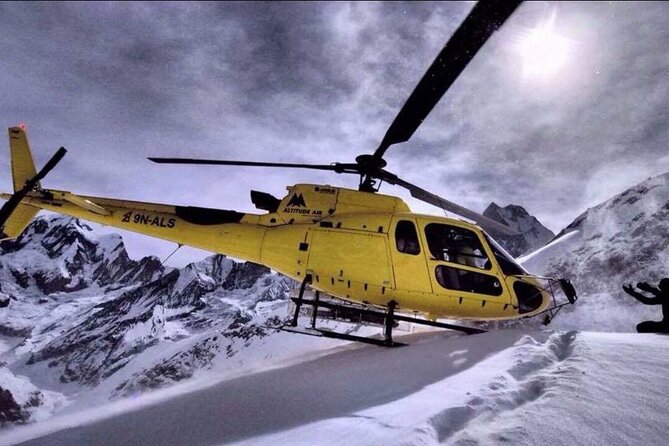
Then there’s the transportation piece, which is where most people get stuck. You get domestic flights between Kathmandu and Lukla included, plus airport pickup and drop in Kathmandu. That means your Everest countdown starts with movement, not spreadsheets.
You can also read our reviews of more tours and experiences in Kathmandu.
Kathmandu to Lukla: the 5:15am start that kicks everything off
This trip’s “start time” is 5:15am. That’s early enough that you’ll feel it, even if you sleep well. The payoff is that you’re lined up for the early flight that connects Kathmandu to the high-altitude airstrip of Lukla.
The day starts with flying to Lukla, then trekking to Phakding (2,651m / 8,700ft). It’s not a brutal climb that first day—your goal is to get your legs working and get your head around altitude and trail rhythm.
One more practical note: the operator specifically warns that Kathmandu–Lukla–Kathmandu flights often get delayed or canceled due to weather, even in good seasons. So I treat this kind of trek like a “plan with flexibility” trip. If you’re the type who needs perfect timing, you’ll want to mentally prep for waiting at airports.
Phakding, Namche Bazaar, and the first real altitude “pause”
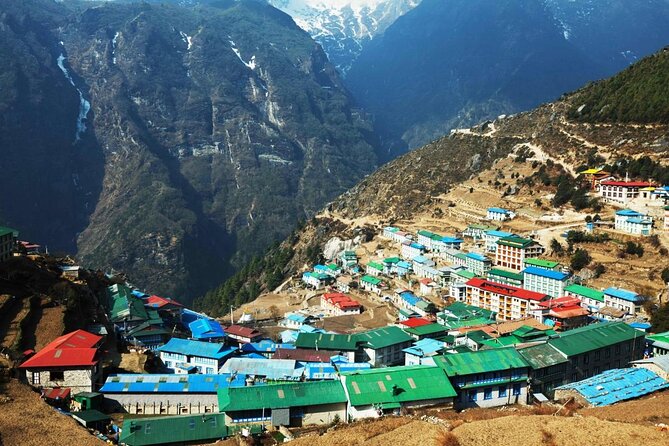
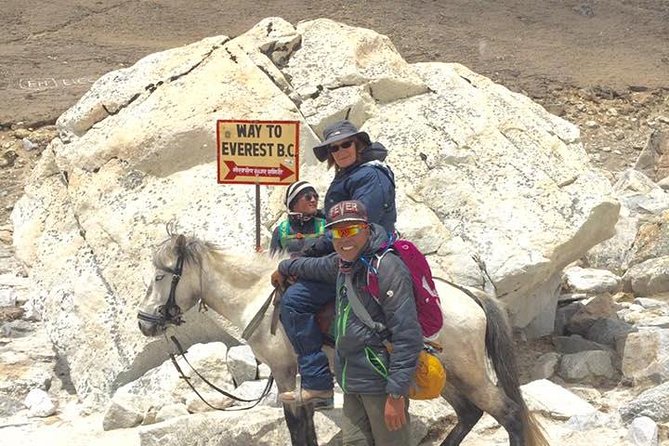
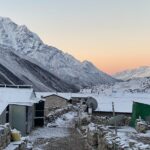
The first couple of days set the tone: steady walking, changing valleys, and then the big arrival moment at Namche Bazaar (around 3,438m / 11,280ft).
Day 1: Lukla to Phakding
After landing in Lukla, your trek heads toward Phakding via Cheplung village. The route includes a classic first glimpse of the Himalaya—specifically a view of Mt. Khumbila, described as sacred and unsummited. Even if you’re not big on mountain mythology, it helps to know you’re walking a sacred, culturally meaningful route, not just a scenic hiking path.
You’ll spend the night in Phakding with your teahouse accommodation, and since breakfast, lunch, and dinner are included during the trek, you’re not constantly making decisions about food prices.
Day 2: Phakding to Namche Bazaar
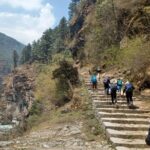
This day is your main “get higher” step: around 4 to 5 hours, crossing rivers and passing villages on the way into the Everest National Park area.
You’ll cross Dudh Koshi River, pass Chumoa and Monjo, and enter the park region. Then the trail continues with more suspension-bridge moments and river-hugging sections as you approach Namche Bazaar, where you spend the night.
Day 3: acclimatization in Namche
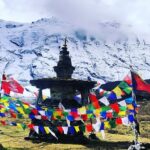
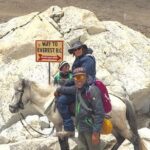
The best part of early Everest planning is not the “hard stuff.” It’s the day you don’t push too hard and you let your body adjust. You explore Namche and do a hike-up toward Sagarmatha National Park areas, with a focus on morning views over peaks including Mt. Everest, Lhotse, Nuptse, Ama Dablam, Thamserku, and Kongde.
If you want a little extra, there’s also an option for a day hike to Khumjung village. This is your chance to practice the most important trekking habit: move at a pace you can sustain, so altitude doesn’t steal your energy.
Tengboche to Dingboche: monasteries, high views, and smart acclimatization
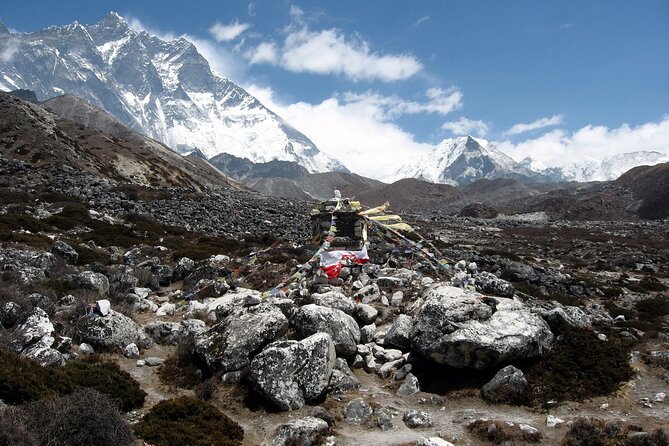
After Namche, your trek climbs again—this time toward the monastery country of the Khumbu region.
Day 4: Namche to Tengboche (via Phunki)
Expect about 5 to 6 hours. Your route includes a stretch that’s described as easier until Phunki, then you ascend toward Tengboche village.
Here’s what makes Tengboche special: Tengboche Monastery. It’s described as the biggest monastery in the Everest region and sits in the UNESCO Sagarmatha National Park area. The monastery opens at 3:00 pm, and if you arrive around 4:00 pm, you may be able to observe a Buddhist religious ceremony. That timing can add real emotion to your trek, because you’re not only hiking past scenery—you’re stepping into a living place.
Day 5: Tengboche to Dingboche
This day moves from forests and monastery atmosphere toward open, high-altitude terrain. You descend toward Debuche, cross the Imja River, pass through Pangboche, and explore Pangboche Monastery. Then you continue onward to Dingboche (around 4,360m / 14,300ft).
You’ll walk about 5 to 6 hours, and the terrain feels like it’s “loosening” from village life into the real high country.
Day 6: Dingboche acclimatization day
This is the second key acclimatization stop. You spend the day in Dingboche and can hike to a viewpoint about four hours behind Dingboche. The peaks listed include Lhotse, Makalu, and Cho Oyu.
Even if you choose only part of that hike, this is a practical day. I treat these acclimatization days as a chance to lock in your routine: how fast you want to go, how often you’ll stop, and what water strategy you can stick with.
Lobuche to Gorak Shep and Everest Base Camp: the days that test your pace
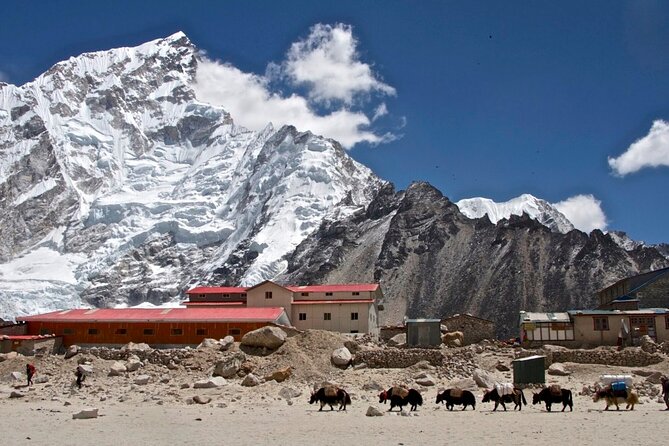
This is where Everest turns into a long, high-effort trek. You can feel it in the distances and in the fact that the mountain is always closer than it used to be.
Day 7: Dingboche to Lobuche
You trek around 7 hours (about 9 km) toward Lobuche, including the Dughla pass area. The day is described as heading toward the world-famous base camp region, and it leans into that “circling the mountain” feeling.
It’s also a day where you’ll appreciate having a porter. Your package includes porter service (2 trekkers : 1 porter), which can make the difference between arriving feeling okay and arriving drained.
Day 8: Lobuche to Gorak Shep, then to Everest Base Camp
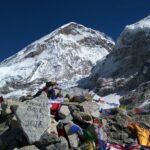
This is the long one. Your route is described as nearly 12 hours (about 17 km) from Lobuche to Gorak Shep (around 5,160m), then you check in, eat, and walk from Gorak Shep to Everest Base Camp (around 5,365m).
You get views of Nuptse, Khumbutse, and Pumori mentioned around the base camp area. Then you hike back to Gorak Shep for overnight.
Here’s my blunt advice: treat this as two days glued together. You won’t feel good if you try to “tour” while you’re also doing a big altitude effort. Slow down. Smile when you reach base camp, then focus on the return hike, because that return is where fatigue gets dangerous.
Kala Patthar and the descent back to Namche: where your effort pays off
After Base Camp, you get a chance to see Everest from a higher viewpoint—then you spend time coming back down through villages.
Day 9: Gorak Shep to Kala Patthar to Pheriche
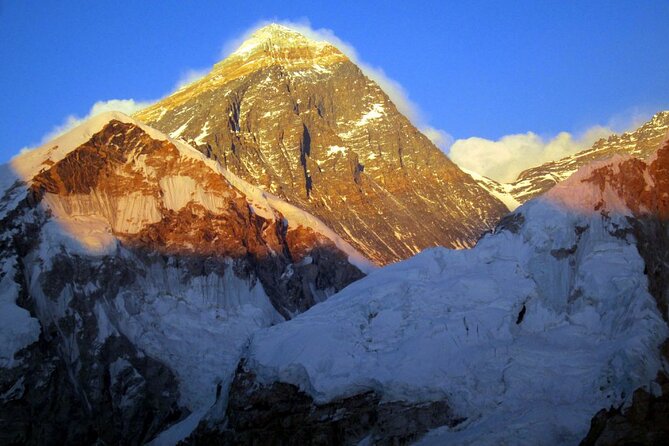
You start with an early breakfast, then hike up to Kalapatthar / Kala Patthar (around 5,555m). The climb is about three hours to the summit as described, and it’s set up for major panoramic views of Everest and nearby peaks such as Lingtren, Khumbutse, and Changtse.
After that, you return to Gorak Shep for lunch, then descend to Pheriche for the night. The descent part matters because it’s easier terrain, but altitude still makes every step feel like work.
Day 10: Pheriche to Namche Bazaar
This is your getting-out-of-the-alti-zone day. You walk through Pangboche and Tengboche before returning to Namche Bazaar, around 5 hours.
It’s a shift from big, icy mountain focus back to human-scale villages and a more social trekking atmosphere. You overnight at a guesthouse in Namche.
Lukla and Kathmandu: the emotional landing, plus what you get in town
When you return to Lukla (around 2,804m) after trekking days, your body is tired but your brain is usually busy replaying everything you saw. This day is described as about 5 to 6 hours, and the afternoon is free for relaxing, wandering, and even a hot shower if the guesthouse offers it.
Then you fly back to Kathmandu the next morning. Kathmandu arrival includes a transfer to your hotel, plus a cultural dinner in the evening described for Kathmandu.
This is one place where the package feels thoughtful: you’re not just dropped off at the airport and told good luck. You get a proper end to the story in Kathmandu, including a formal celebration meal at the end of the trip.
Price and logistics: what $1,390 really buys you
At $1,390 per person, the big question is value, not just cost. Here’s what’s included that usually costs real money when you try to piece it together yourself:
- Domestic flights Kathmandu–Lukla–Kathmandu
- Teahouse accommodation plus breakfast, lunch, and dinner during the trek
- A licensed English-speaking trekking guide
- Porter service with a 2 trekkers : 1 porter ratio
- Farewell dinner
- All necessary paperwork and trekking permits (TIMS + National Park)
- Medical kit carried by the trek leader
- Airport pickup and drop
What’s not included (and can add up if you’re not careful):
- Nepalese visa fee
- International flights
- Travel and rescue insurance
- Tips for guide(s), porter(s), and driver(s)
- Extra Kathmandu nights if your flight timing forces it
- Lunch and evening meals in Kathmandu
- Personal expenses like phone calls, laundry, charging batteries, bottle/boiled water, showers, and the usual drink costs
- Entrance fees for sightseeing (where applicable)
So if you want one clean plan with fewer decision points, this price can be fair. If you’re a super-planner type who already knows Nepal trekking permits, already has guides lined up, and already has a flight strategy, you might find cheaper DIY routes. But “cheaper” often means “more stress” when you’re dealing with Lukla weather.
Who this trek is best for (and who should adjust expectations)
This trek is described as suitable for people with moderate physical fitness. That doesn’t mean it’s easy. It means the structure is there for you: acclimatization days, managed stages between villages, and real support from guide and porters.
This package is a good fit if:
- You want a guided, all-in-one logistics plan
- You prefer teahouse comfort with meals handled
- You want the route built around acclimatization (Namche + Dingboche)
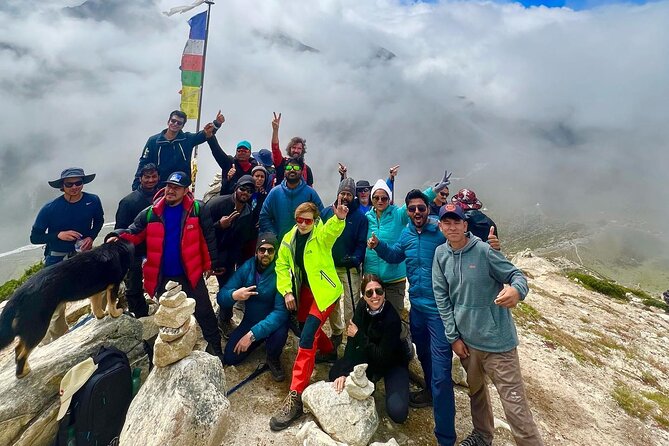
- You like the idea of walking as a group, with people to share goals with
It might not be ideal if:
- You hate uncertainty around flights to Lukla
- You want maximum freedom to freestyle your route every day (this is a structured trek)
Should you book this Everest Base Camp trek package?
Yes, if your priority is a smoother trip where the critical parts are organized: permits, flights, guide support, teahouse meals, and acclimatization stops.
If you’re booking, do two things to stack the odds in your favor. First, treat Lukla weather delays as normal, not as a disaster. Second, respect the acclimatization days and don’t turn them into “extra credit” hikes. On Everest routes, the best decision is usually the boring one: pace well, drink water, and save your legs for the Kala Patthar day.
If that sounds like your style, this trek delivers the classic Everest experience with fewer headaches—and that’s a big deal at 5,000m+.
FAQ
What’s included in the trekking price?
The price includes airport pickup and drop in Kathmandu, teahouse accommodation with breakfast, lunch, and dinner during the trek, a farewell dinner, domestic flights between Kathmandu and Lukla and back, an experienced English-speaking licensed trekking guide, porter service (2 trekkers : 1 porter), a medical kit carried by the trek leader, all required paperwork and trekking permits (National Park permit and TIMS), and government and local taxes.
Are trekking permits arranged for you?
Yes. The package includes arranging the necessary paperwork and trekking permits, including the National Park permit and TIMS.
How do the flights work for this trek?
You fly domestically between Kathmandu and Lukla and then back to Kathmandu. The trip description also notes that the Kathmandu–Lukla–Kathmandu flights can be delayed or canceled due to weather, so you should be prepared for waits at Kathmandu or Lukla airports.
Where do you stay while trekking?
You stay in teahouses with pre-arranged accommodation during the trek. Meals during the trek (breakfast, lunch, and dinner) are included.
What’s not included in the cost?
Not included are the Nepalese visa fee, excess baggage charges, entrance fees for sightseeing, extra night accommodation in Kathmandu if needed due to schedule changes, lunch and evening meals in Kathmandu, international flights, travel and rescue insurance, personal expenses (like phone calls, laundry, bar bills, charging batteries, water, and showers), and tips for guide(s), porter(s), and driver(s). Hot and cold drinks and mineral water are also not included.
Is this tour private?
Yes. This is a private tour/activity, so only your group participates.