REVIEW · SICILY
ETNA – Trekking to the Craters Eruption of 2002
Book on Viator →Operated by Gruppo Guide Etna Nord · Bookable on Viator
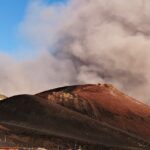
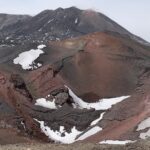
Etna craters, right near Linguaglossa. I like how this hike brings you close to the 2002 eruption story without spending all day driving around, and Piano Provenzana sets you up for a walk through lava and forest. You’re led along the 2002 eruption fracture line to side craters like a bottoniera, with a guide who adjusts the route based on wind and sulphur.
Two things I really like: the guidance feels practical and safety-minded, and the talk goes beyond “volcano facts” into how the activity works. With guides such as Fabio, Sylvia, Giuseppe, and Marco, you get frequent stops for explanations, plus help through the trickier bits when the ground gets less friendly.
One consideration: this is short, and you don’t get basics like bottled water or snacks included—so plan for your own supply and pack for wind. Also, the operator requires good weather, so you’ll want a little flexibility in your schedule.
In This Review
- Key things to know before you go
- Piano Provenzana and the 2002 fracture: why this trek works
- The trek itself: lava ground, forest breaks, and a bottoniera
- Your guide on Etna Nord: explanations plus pacing that keeps you moving
- What’s included, what isn’t, and what to pack for wind
- Timing, meeting point, and how the small-group format feels
- Price and value: what $36.14 buys you
- Who this Etna Craters trek is best for
- Should you book the Etna 2002 craters trek?
- FAQ
- How long is the Etna trek to the 2002 craters?
- Where do I meet for the tour?
- What time does the tour start?
- Is the tour offered in English?
- What’s included in the price?
- What should I bring since it’s not included?
- How big is the group?
- Is cancellation free?
- Is the tour dependent on weather?
- Are service animals allowed?
Key things to know before you go
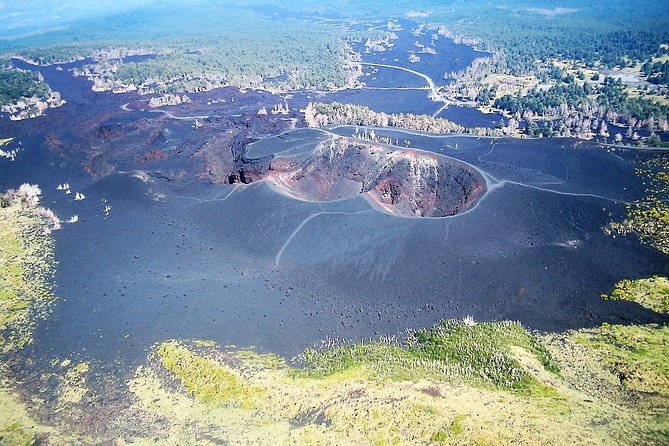
- 2002 eruption focus: You hike the eruptive fracture line and reach side craters like a bottoniera.
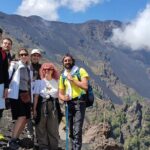
- Small group size: Maximum 12 travelers, which makes it easier to ask questions and keep a comfortable pace.
- Poles included: Telescopic poles are part of the package, helpful on uneven ground.
- Guides that teach: From volcanic chemistry talk to flora explanations, you’ll understand what you’re seeing.
- Wind and sulphur matter: The guide’s route choices react to conditions near the craters.
- Admission included: The trek includes your ticket for the crater area you visit.
Piano Provenzana and the 2002 fracture: why this trek works
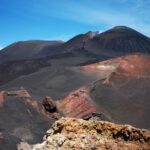
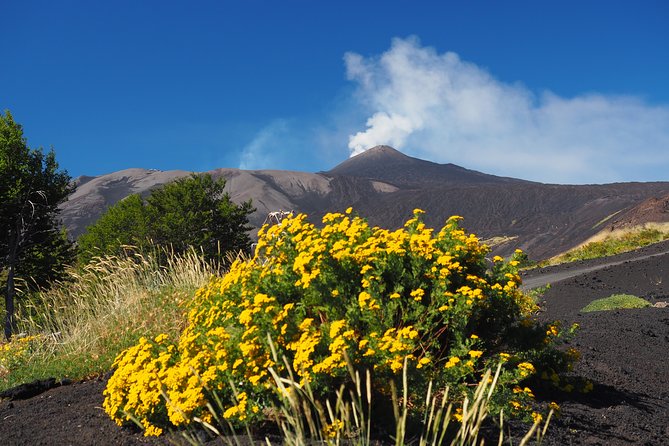
If you want Mount Etna without the whole-day grind, this is a smart fit. Starting at Piano Provenzana (Etna nord, via Provenzana, near Linguaglossa), the hike takes you along part of the 2002 eruptive fracture. That phrase might sound technical, but in practice it means you’re walking through the same kind of hardened volcanic path that shaped what you’ll see at the crater sites.
What I like about this format is that you get variety in a few hours. You move from lava ground to beech and laricius pine woods, so it doesn’t feel like you’re staring at rock the entire time. Then the walk connects you to side craters, including a bottoniera, which adds that “I’m not just viewing, I’m actually hiking into the story” feeling.
A nice bonus: the guided nature changes what “seeing” means. Instead of you trying to read the terrain alone, your guide gives context as you go, so the eruption isn’t just a photo backdrop.
You can also read our reviews of more tours and experiences in Sicily.
The trek itself: lava ground, forest breaks, and a bottoniera
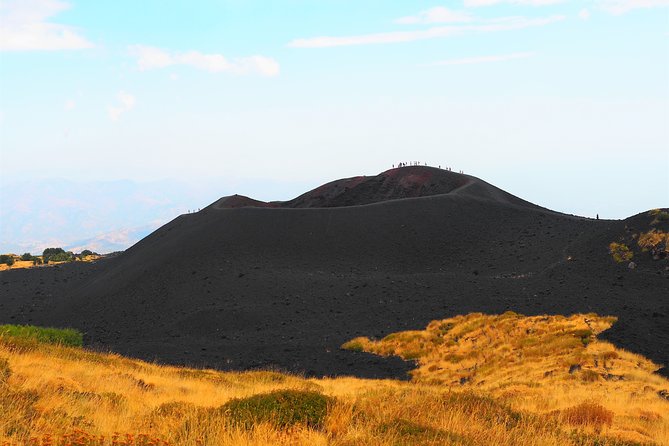
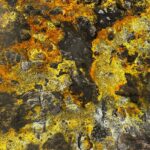
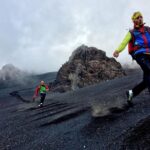
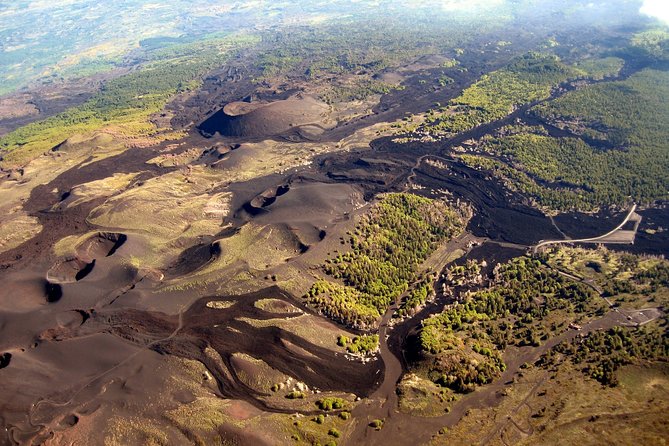
Expect the trail to follow the 2002 eruptive fracture, with the ground shaped by lava. That typically means uneven footing and sections where it helps to keep your steps deliberate. The good news is the hike is designed for most travelers who can manage walking for about a few hours, and the small group keeps things calmer.
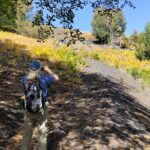
Along the route, you’ll also get breaks in the form of woodland. You pass through areas of beech and laricius pine forest, which is a real change of pace when wind picks up near the crater zones. It also helps you notice how quickly Etna’s environment can shift from volcanic rock to living plant zones in the same general area.
Then you reach the side crater feature mentioned as a bottoniera. A side crater isn’t as famous as the big headline viewpoints, but that’s exactly why it feels special: you’re close enough to feel the raw scale of the eruption without the same “just look from far away” effect.
The route is also shaped by the day. One of the most helpful details from past experiences is how guides factor in the sulphur and wind combination. That matters because it changes how comfortable it is to spend time near active-feeling crater areas, even when the terrain is passable.
Your guide on Etna Nord: explanations plus pacing that keeps you moving
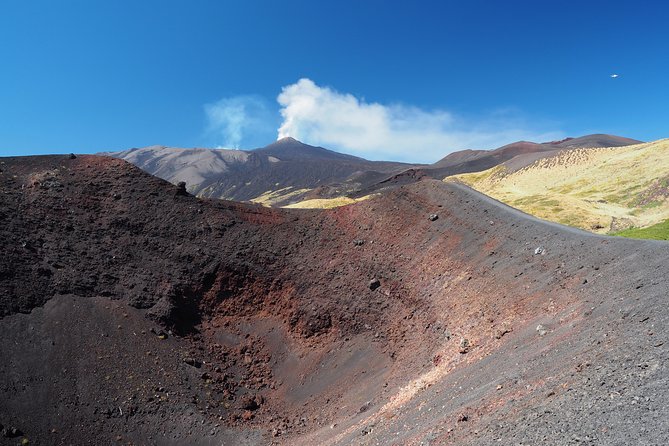
This kind of hike lives or dies on the guide. The strong pattern here is that guides combine volcanic know-how with a pace that fits real bodies, not just “fit people in running shoes.”
I like that the guides frequently stop and explain. People mention guides like Fabio and Sylvia, and the common thread is clear communication: not just pointing, but connecting what you’re seeing to volcanic activity and how it behaves. One guide even leaned into the science of chemistry and volcanic processes, which you’ll appreciate if you want more than simple narration.
You’ll also notice a coaching style, especially when the route gets more demanding. For example, Sylvia is described as helping during harder parts of the route, and Giuseppe managed the group well by setting a pace that kept everyone feeling safe. That’s more than hospitality; it’s part of how you enjoy an Etna trek—less rushing, more understanding.
And if you care about language, this trip is offered in English. Some guides also work in other languages, so you’re more likely to get clear instructions even if your Italian is limited.
What’s included, what isn’t, and what to pack for wind
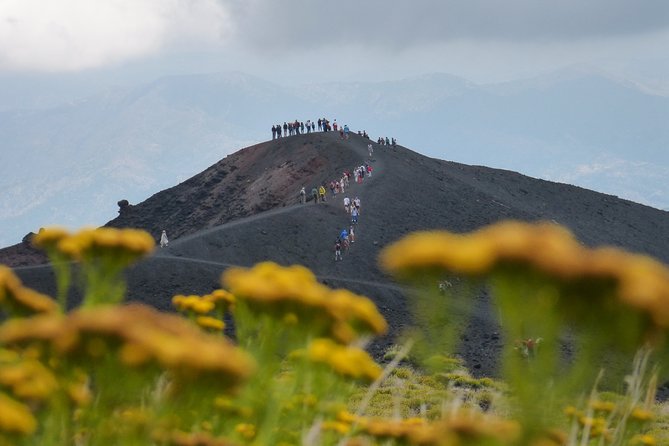
Here’s the practical part: telescopic poles are included. That alone is a value boost, because Etna ground can be uneven, and poles reduce strain on knees and calves on rocky stretches.
What’s not included is also important. You won’t get bottled water, and there’s no coffee or tea or snacks provided. For a 2–3 hour outing, that means you should plan a small personal pack with what you need for comfort. Even if you’re not hiking for hours and hours, crater areas can be windy, and dehydration sneaks up fast.
Comfort items can also matter more than people expect here. Some guides have provided gear like walking shoes, windbreakers, and sticks at no extra charge, which can be a huge help if you show up in city shoes or forget something for the wind. Don’t assume it’s automatic every single day, but it’s worth being aware that this service has been part of the experience.
If you’re packing for the day, aim for:
- good footwear for uneven ground
- a wind-resistant layer
- water and a small snack of your choice
That’s the difference between an “interesting walk” and a trek you actually remember well.
Timing, meeting point, and how the small-group format feels
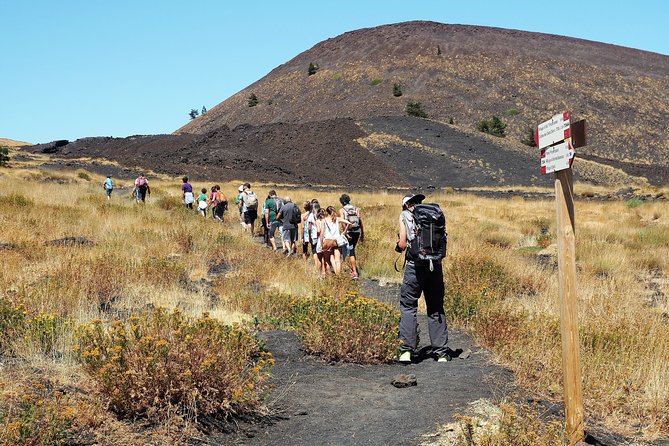
You start at 10:00 am at Piano Provenzana – Etna nord, via Provenzana, 95015 Linguaglossa CT, Italy. The tour ends back at the meeting point, so you’re not stuck planning a second pickup.
Duration is listed as about 2 to 3 hours, and the planned stop for the crater-area trekking is around 3 hours. In real life, that means you should treat this as a focused half-day activity with plenty of time for explanations and short breaks, not a quick “walk and go” tour.
The group limit is up to 12 travelers, which changes the whole vibe. You get enough space to move safely and keep momentum, and your guide can actually engage with questions. It’s also easier to hear instructions when conditions shift.
One more thing: the operator requires good weather. If conditions are poor, you’ll be offered a different date or a full refund. That’s a key detail because Etna can go from clear to windy fast, and the craters are where the weather effects show up most.
Price and value: what $36.14 buys you
At about $36.14 per person, this tour looks modest on paper. The value comes from what’s included, not from a long list of add-ons.
You get:
- a guided trek on Etna Nord
- telescopic poles
- an admission ticket included for the crater-area part you visit
- a small group size that makes the guidance more usable
You’ll still need to budget for what’s not included—especially water and snacks—but you’re not paying extra for basic equipment like poles.
A short guided crater trek can easily end up feeling expensive if you’re paying for a generic walk. Here, the guiding is clearly the point: guides like Fabio, Sylvia, Giuseppe, and Marco are described as passionate and informative, with frequent explanation stops. For that reason, I think this price is fair if you want both the hike and the context.
Who this Etna Craters trek is best for
This works well for people who want action plus understanding. If you like geology, volcanic processes, or even just learning why places look the way they do, you’ll get more from this trek than a simple viewpoint stop.
It’s also a good match if you prefer a shorter outing. You’re not signing up for a long, all-day march, and it’s built for travelers who can participate in a few hours of walking.
Families can also find it workable. One description highlights that teenagers enjoyed it, and that makes sense: the combination of lava terrain, crater proximity, and guide storytelling tends to keep younger hikers engaged.
Who might not love it:
- If you’re very sensitive to wind or smell near crater areas, you might find it harder even if the route is adjusted.
- If you don’t bring water, you’ll likely feel it after the walk gets active near the crater zones.
Should you book the Etna 2002 craters trek?
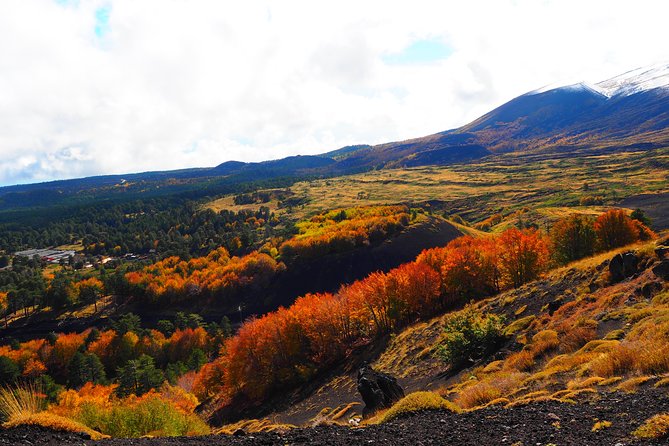
I’d book it if you want a guided walk that actually explains what you’re standing on. The mix of lava fields, beech and laricius pine woods, and the chance to get up close to side craters like a bottoniera makes it more than a checkbox trip.
Choose it over more generic options if:
- you like science talk from real guides (Fabio, Sylvia, Giuseppe, Marco show up as examples)
- you want the 2002 eruption story tied to the exact terrain you hike
- you want a small group, not a crowded bus-to-view setup
Skip it or think twice if your schedule is tight and weather is uncertain, because the experience requires good conditions. Also, plan your snacks and water in advance, since those aren’t included.
FAQ
How long is the Etna trek to the 2002 craters?
It runs about 2 to 3 hours (approx.), with the main trekking stop listed at around 3 hours.
Where do I meet for the tour?
You meet at Piano Provenzana – Etna nord, via Provenzana, 95015 Linguaglossa CT, Italy.
What time does the tour start?
The start time is 10:00 am.
Is the tour offered in English?
Yes, it is offered in English.
What’s included in the price?
The tour includes an admission ticket for the crater trekking portion and telescopic poles.
What should I bring since it’s not included?
Bottled water, coffee or tea, and snacks are not included, so bring what you’ll want to drink or eat.
How big is the group?
The tour has a maximum of 12 travelers.
Is cancellation free?
Yes, you can cancel for a full refund up to 24 hours before the experience’s start time.
Is the tour dependent on weather?
Yes. It requires good weather, and if it’s canceled due to poor weather you’ll be offered a different date or a full refund.
Are service animals allowed?
Yes, service animals are allowed.