REVIEW · KATHMANDU
Annapurna Circuit with Tilicho Lake Trek
Book on Viator →Operated by Nepal Social Treks and Expedition · Bookable on Viator
Tilicho Lake sounds like a postcard, then reality hits at altitude. This Annapurna Circuit trip mixes Tilicho Lake with the big pass drama of Thorong La, run with a small max 8 group and a guide who handles routing so you can focus on the climb and the views.
I especially like how the logistics are built in, not bolted on. You get a Jomsom–Pokhara flight, teahouse stays, and trekking permits, plus a setup where guidance and porter support keep you from carrying everything yourself. One example trek crew includes guide NC Sherpa and porter MisterD Sherpa, praised for professionalism and kindness. The main drawback: this is still a challenging high-altitude trek, with the plan flagging strong winds near Tilicho and possible extreme snow at Thorong La.
In This Review
- Key Points at a Glance
- Small-Group Annapurna Planning, With a Guide Who Keeps You Straight
- Value Check: What the $1,093.34 Package Really Covers
- Getting There: Kathmandu to Besisahar Sets the Tone
- Pisang to Manang: Forest Valley Walking to High-Altitude Town Reset
- Khangsar Village Days: River Path, Tibetan-Style Living, and Small Changes
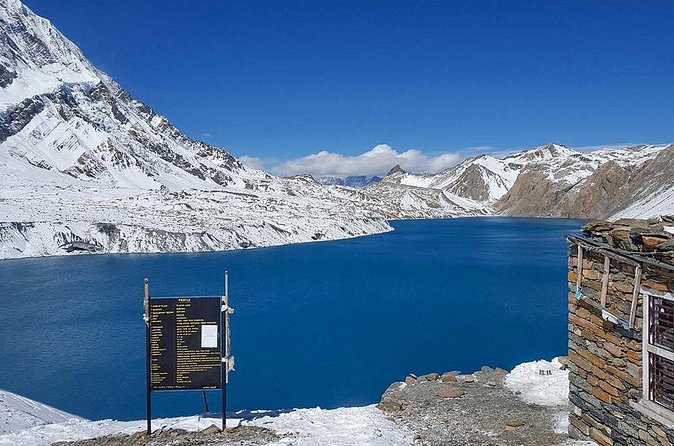
- Tilichol Lake Section: Gompa, Route Choices, and the Wind Warning
- Back Toward Yak Kharka and the Thorong La Approach
- Thorong La and Muktinath Reality: Cold Pass Energy, Then Jomsom
- Jomsom to Pokhara Flight, Then Kathmandu: The Plan That Avoids Fatigue
- Teahouses, Meals, Permits, and Gear: What Support Looks Like in Practice
- Permits handled
- Teahouses and meals
- Porter ratio and gear you don’t have to drag yourself
- Drinks and alcohol: not included
- Safety and Fitness: What the Itinerary Signals You Must Be Ready For
- Should You Book This Annapurna Circuit With Tilicho Lake Trek?
- FAQ
- How many days is the trek?
- What’s included during the trek?
- Is international airfare or Kathmandu accommodation included?
- Will there be a guide, and how big is the group?
- Do I need travel and medical insurance?
- Is free cancellation available?
Key Points at a Glance
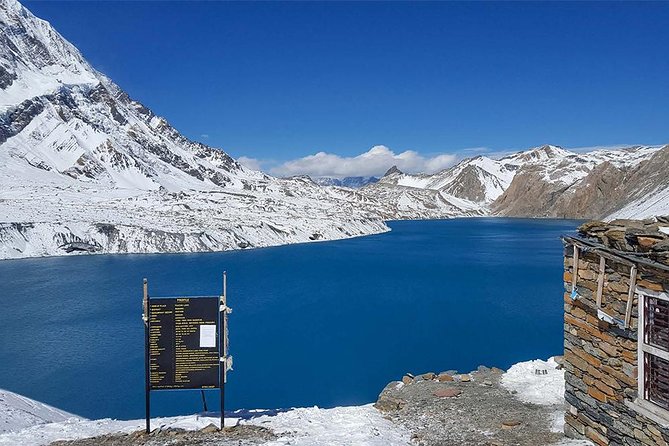
- Tilicho Lake is planned with timing in mind, including an early start to reduce the impact of strong winds later in the day.
- Small-group routing (max 8) means less crowding and more attention from your guide when conditions change.
- Flights are included, with Jomsom–Pokhara helping you save time and reduce long overland days.
- Permits are handled through the Annapurna Conservation Area Permit and TIMS, so you’re not scrambling at the last minute.
- Rest and acclimatization are built in, including a dedicated rest day in Manang.
- Porter support is included (1 porter for every 2 people) plus trekking gear like a sleeping bag/duffel for the trip.
Small-Group Annapurna Planning, With a Guide Who Keeps You Straight
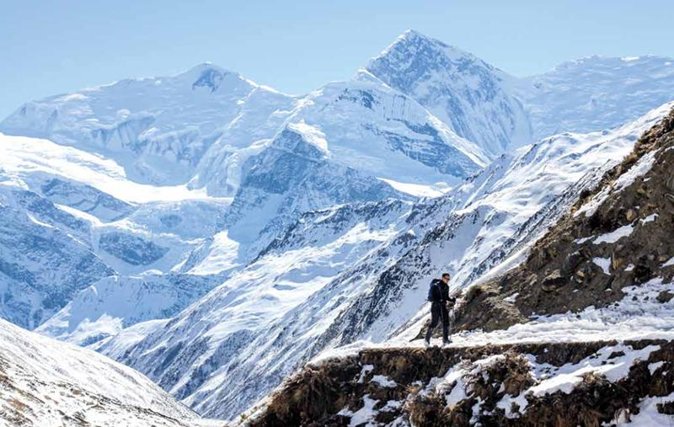
The best part of this experience is how it reduces decision fatigue. On the Annapurna Circuit, the trail is more than “follow the dots.” Passes, weather, and day-to-day choices matter, and this trip is designed around a certified professional guide who manages the plan for you.
That matters because Annapurna isn’t just scenic walking. It’s long days, steep terrain, and altitude. With a guide, you’re not spending energy worrying about turns or whether a shortcut is the smart move for your pace. And because the group is capped at 8 people, the dynamic stays manageable: you’ll be trekking with a small team rather than getting blended into a huge line of hikers.
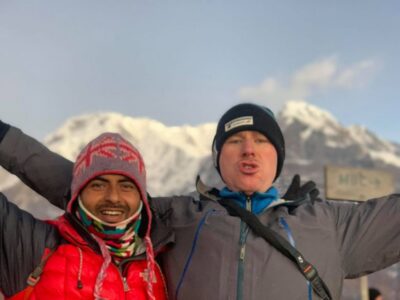
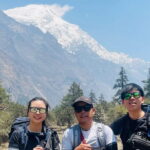
It’s also a trip where human support is part of the structure. In one documented case, guide NC Sherpa and porter MisterD Sherpa are singled out for professionalism and kindness—exactly the kind of calm, practical help you want when the weather turns or you’re tired and need your rhythm back.
You can also read our reviews of more tours and experiences in Kathmandu.
Value Check: What the $1,093.34 Package Really Covers
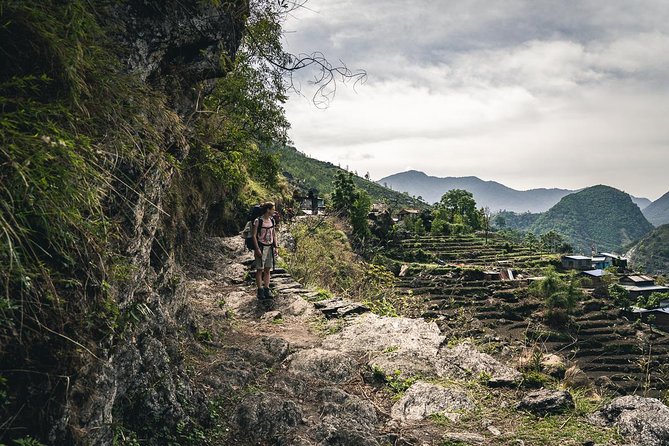
At $1,093.34 per person, the biggest question is whether you’re paying for “a walk in the mountains” or for the whole mountain operation. Here, you’re buying the operation.
This package includes:
- Accommodation in teahouses/guesthouses during the trek
- Meals (breakfasts and lunches where listed, plus dinners)
- Trekking permits (Annapurna Conservation Area Permit and TIMS)
- A certified professional guide
- Porters, with the plan calling for 1 porter for every 2 people to carry personal gear and group equipment
- Jomsom–Pokhara flight
- Airport pickup and drop-off as mentioned
- A first aid kit
- Some trekking gear support (sleeping bag and duffel bag for trip use)
When you compare that to building the trek piece by piece—guide, permits, lodging, and transport—the bundled approach often wins. You’re not just buying scenery. You’re paying for fewer gaps: the permits are sorted, the food rhythm is handled, and the most time-sensitive part (Jomsom to Pokhara) is done by air.
What’s not included is also important:
- Drinks and alcoholic drinks
- Food and drinks beyond what’s listed
- Accommodation in Kathmandu (and this is worth confirming because the day-by-day plan mentions an overnight in Kathmandu, but the package notes Kathmandu lodging isn’t included)
So the “value” is strongest if you want a guided, supported trek where your main job is walking, breathing, and making smart altitude choices.
Getting There: Kathmandu to Besisahar Sets the Tone
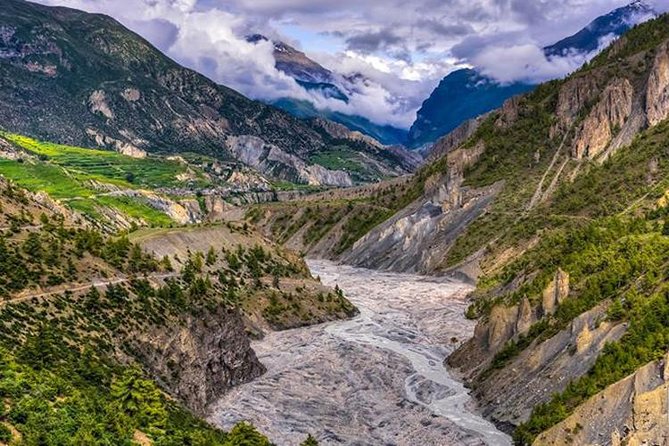
Day 1 is all about transition. You leave Kathmandu by road to Besisahar, roughly 9 hours on the Kathmandu–Pokhara highway segment, then the route follows a narrower paved road by the Marsyangdi River after Dumre.
This is a useful start for two reasons:
- It’s long enough to get you into Nepal trekking mode—morning travel, daytime driving, early start mindset.
- It positions you right where the trail life begins, without losing days on extra repositioning.
You’ll want to treat this as a “save your legs” day. Road travel can be tiring, and you’ll likely feel that more once you start climbing on foot.
Pisang to Manang: Forest Valley Walking to High-Altitude Town Reset
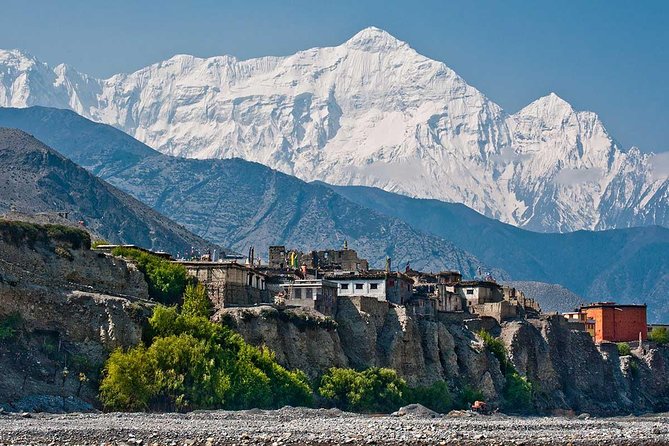
The next stretch is the classic Annapurna rhythm: start lower, walk through forests, then start climbing toward the high villages.
Day 2: Pisang
You trek through deep forest in a narrow, steep valley and cross two bridges at about 2,910m and 3,040m. You’ll get big mountain views too—Lamjung Himal shows up along the way. The bridge-to-bridge pattern is a good reminder that early days can feel like “steady effort,” not yet the brutal long-hauls of the high pass approach.
Day 3: Manang
This is where the trip tilts upward. You start ascending on a steep ridge with vistas over the Manang Valley and Tilicho Peak (7,134m is mentioned in the plan). Then you descend through Humde and reach Manang, passing near the airstrip around 3,280m.
If you’re prone to being impatient on arrival days, Manang is a good training ground. You climb, you work, then you stop and respect the altitude reality.
Day 4: Manang rest day
This rest day isn’t filler. It’s your built-in acclimatization buffer. Manang is described as remote but sizable, which means you’re not stuck in a tiny outpost with nothing to do. You can explore the village and observe local life while your body catches up.
This is one of the “hidden values” of the itinerary design: you get time to adjust before you push into the Tilicho segment and later the Thorong La area.
Khangsar Village Days: River Path, Tibetan-Style Living, and Small Changes
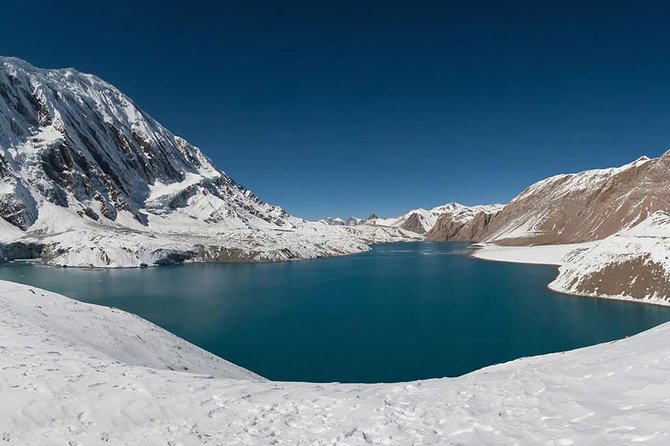
Day 5: Khangsar
You follow the trail toward the river, cross Khangsar Khola via a bridge, and then ascend to Khangsar Village. The plan notes it as a typical Tibetan village, which matters because it shapes the feel of the days: fewer “touristy” vibes, more village rhythm, and a sense of continuity with the high Himalayan culture in this region.
The trek time here is shorter than some later days, which can make it a good “steady pace” day. You can use it to practice your walking strategy—regular steps, consistent breathing, and not rushing for views.
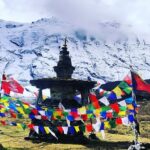
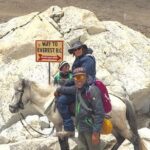
Tilichol Lake Section: Gompa, Route Choices, and the Wind Warning
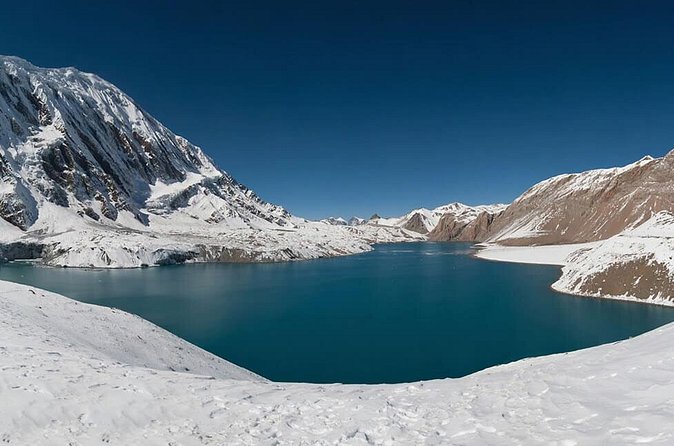
This is the signature detour. And it comes with details you should actually care about.
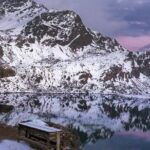
Day 6: Tilichol Lake
You pass a gompa and follow a newly constructed trail up toward a high ridge. The plan also mentions two routes to reach the area: an older, more challenging option and a newer, easier path. That kind of choice is exactly why having a guide is valuable—you’re less likely to wander into an effort level that doesn’t match your acclimatization and energy.
Day 7: Tilichol Lake (start early)
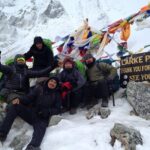
This day includes a clear timing tip: start early to avoid strong winds that tend to pick up later as warm air mixes with colder air. That’s not just a nice suggestion—it affects comfort, walking stability, and how much you enjoy the destination instead of fighting the conditions.
If you hate early mornings, this is where you pay the price. The good news: the trip clearly plans around the reality of winds, rather than pretending the weather will cooperate.
Back Toward Yak Kharka and the Thorong La Approach
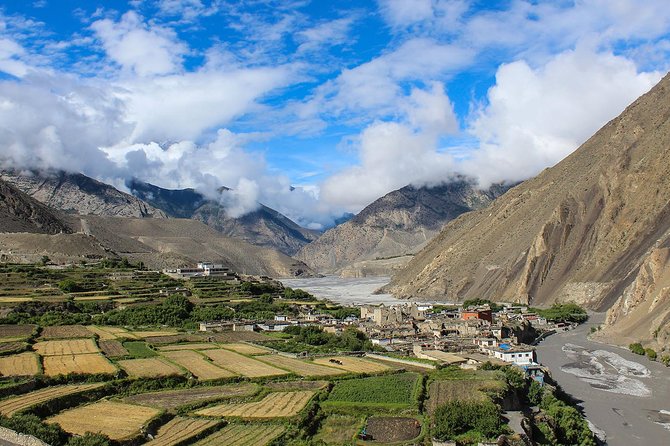
After Tilicho, you transition back into the Annapurna Circuit flow.
Day 8: Down from Tilicho Base Camp to Yak Kharka
The plan describes descending slowly from Tilicho Base Camp and then climbing roughly 500 meters as you head toward Yak Kharka. You pass through Tengi and leave the Marsyangdi Valley behind, shifting your direction toward the Thorong La area.
This is a key adjustment day. Tilicho can feel like its own world; day 8 is the bridge back to the main circuit logic. You’re still climbing, but the objective is now clearly the next pass stage.
Day 9: Thorong Phedi and the Thorong La trail
After breakfast, you ascend toward a ridge and then gradually descend toward the Kone River. You cross via a wooden bridge, then continue on a narrow path.
The narrow-path detail matters. When trails pinch down near rivers and ridges, footing and concentration become more important than speed. Plan to go slower than you think you need to.
Thorong La and Muktinath Reality: Cold Pass Energy, Then Jomsom
This portion is where the trek earns its reputation. High altitude, big weather changes, and long effort.
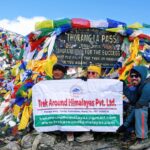
Day 10: Toward Muktinath and the Thorong La Pass
You start early on a long day to reach Muktinath, with the Thorong La pass in the middle of it. The plan explicitly warns that high altitude and extreme snow can pose a challenge.
Even if conditions are milder than the worst-case scenario, you should treat this day as “serious.” Layering and pace discipline matter. You’ll be glad your earlier acclimatization and rest day in Manang were built into the plan.
Day 11: Jomsom
You reach Jomsom via trails that can pass through Kagbeni or Lupra and then walk along the Kali Gandaki River banks. Jomsom is described as a chilly valley with plenty of amenities and as a hub between air and land routes.
This is where the trek shifts from uphill effort to steady walking with a more “town” feel. It’s also a helpful psychological stage: you can tell you’re nearing the route’s end.
Jomsom to Pokhara Flight, Then Kathmandu: The Plan That Avoids Fatigue
Day 12: Morning flight to Pokhara
You wake up early for the morning flight from Jomsom to Pokhara. The plan highlights mountain views during the flight, which is exactly what you want after days of trudging on foot—your legs rest while you still get the payoff.
Then you’re escorted after arrival (the details are cut off in the outline, but the point is clear: you’re not left to figure out the next steps alone).
Day 13: Pokhara to Kathmandu by tourist coach
You take about a 7-hour drive back to Kathmandu, with overnight arranged in Kathmandu as per the agreed category with BB plan. Since the package notes Kathmandu accommodation isn’t included, I’d treat this as a “confirm what’s covered” item before you go. Your last night should be clean and predictable, not a surprise expense.
Teahouses, Meals, Permits, and Gear: What Support Looks Like in Practice
Let’s talk about the stuff that makes or breaks a multi-day trek: shelter, food, and what you actually carry.
Permits handled
The plan includes the Annapurna Conservation Area Permit and TIMS. That’s not glamorous, but it saves time and stress. It also signals that this is a properly organized trek rather than an improvised route.
Teahouses and meals
Accommodation in teahouses/guesthouses and meals during the trek are included (with breakfasts and lunches/dinners as specified). That means you don’t have to plan your daily eating strategy beyond your own preferences. It also helps your guide control pace, since the day’s effort isn’t tangled up with searching for food.
Porter ratio and gear you don’t have to drag yourself
The package includes necessary first aid materials and a porter setup: 1 porter for every 2 people to carry personal gear and group equipment. That matters because the “Tilicho + Thorong La combo” is already demanding.
It also includes trekking gear support such as a sleeping bag and duffel bag for trip use. That can lower your packing burden and simplify logistics if you’re arriving with limited trekking equipment.
Drinks and alcohol: not included
Drinks and alcoholic drinks are not included, so budget for that. You might still find hot drinks at stops, but the key point for planning is: don’t count on them being part of your prepaid meals.
Safety and Fitness: What the Itinerary Signals You Must Be Ready For
This trek is described as challenging and best suited for active, fit travelers. The itinerary itself gives you signals about what you’ll face:
- strong winds later in the day near Tilicho
- extreme snow risk near Thorong La
- multiple days of ascent and descent across high country
So my practical advice is simple: plan for cold, plan for wind, and don’t treat the pass days like normal hikes.
You should also note:
- Travel and medical insurance is not included in the package.
- Emergency coverage is on you, even when the trek is well-run.
If you’re choosing this trip, you’re choosing effort. The payoff is that the structure is there to help you manage it.
Should You Book This Annapurna Circuit With Tilicho Lake Trek?
Book it if you want:
- a small-group trekking experience with a guide who handles routing and day-to-day choices
- the Tilicho detour (and you’re okay starting early to work with wind patterns)
- a package that handles the big logistics: teahouses, meals, permits, and the Jomsom–Pokhara flight
Consider a different option if:
- you want a gentler hike with fewer high-altitude pressure points
- you hate early starts
- you aren’t planning for cold and possible snow conditions near Thorong La
- you haven’t lined up travel and medical insurance
If you’re active and like your adventures organized enough that you can focus on walking, this one is a strong match.
FAQ
How many days is the trek?
The experience is listed as about 13 days, but the trip description also refers to an 18-day Annapurna Circuit itinerary that includes the Tilicho Lake detour. Confirm the exact dates and pace for the specific departure you choose.
What’s included during the trek?
Included are teahouse/guesthouse accommodation during the trek, meals (breakfasts and lunches where listed, plus dinners), trekking permits (Annapurna Conservation Area Permit and TIMS), a certified professional guide, porters (1 porter for every 2 people), the Jomsom–Pokhara flight, and a first aid kit.
Is international airfare or Kathmandu accommodation included?
International flight tickets are not included. The package notes that accommodation in Kathmandu is not included, even though the day-by-day plan mentions an overnight in Kathmandu—so it’s worth confirming what your final-night lodging includes.
Will there be a guide, and how big is the group?
Yes. A certified professional guide is included. The group size has a maximum of 8 travelers, keeping the trek in a small-group format.
Do I need travel and medical insurance?
Yes. Travel and medical insurance are not included in the package, and in an emergency you’d need insurance coverage outside the tour.
Is free cancellation available?
Yes. You can cancel up to 24 hours in advance of the experience for a full refund. If you cancel less than 24 hours before the start time, the amount paid isn’t refunded.