REVIEW · POKHARA
Annapurna Base Camp Trek from Pokhara 7 Days
Book on Viator →Operated by My Dream Adventure (MDA) · Bookable on Viator
Seven days and you’re in Annapurna country. This trek is a solid, well-run way to get real time in the Annapurna region, with hotel pickup and a route that mixes mountain scenery with village life. I especially like the English-speaking guide support (helpful with pacing and photos), and the plan includes time at Jhinu Danda hot springs on the way back. One thing to consider: it is a working trek, and the downhills can be tough on your knees, especially later in the week.
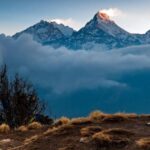
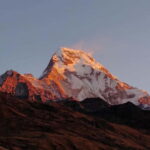
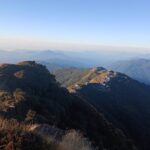
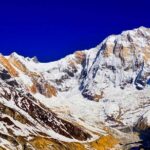
What makes this experience appealing is the mix of forest walking, stream crossings, and classic Himalayan viewpoints, with big-mountain landmarks like Machhapuchhre and the Annapurna range showing up again and again. You’ll spend days moving from village guest houses toward Annapurna Base Camp, including a glacier corridor area called Ablation Valley, before turning around and descending.
At this price point, you’re not just paying for trail time. You’re paying for the parts that can otherwise turn messy—permits, TIMS card, transport, and a guide who keeps things organized—so you can focus on the hike and the people. If you have only a moderate fitness level, you’ll still likely be fine, but take the schedule seriously and don’t pretend knees are optional.
In This Review
- Key Highlights That Matter on This Trek
- Day 1: From Pokhara to Jhinu Danda, Permits and River Trek Warm-Up
- Days 2 to 3: Chhomrong Climb, Rhododendron Forests, and Deurali Views
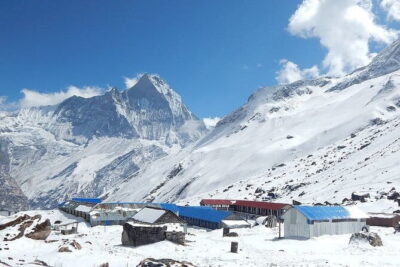
- Day 4: Machhapuchhre Base Camp, Ablation Valley, and Finally Annapurna Base Camp
- Day 5: The Bamboo Descent, Knee Management, and Why It’s a Real Test
- Day 6: Chhomrong to Jhinu Danda and the Hot Springs Reset
- Day 7: Farmland Along the River to Nayapul, Then Back to Pokhara
- Guides and Service: Why This Trek Feels Well Managed
- Price and Value: What $395 Covers on a 7-Day Annapurna Trek
- What to Expect Lodging-Style and Daily Effort
- Should You Book This Annapurna Base Camp Trek From Pokhara?
- FAQ
- What is the duration of this Annapurna Base Camp trek?
- Where does the trek start and end?
- Is hotel pickup and drop-off included?
- Is transportation included?
- Will I need trekking permits?
- What type of accommodation is provided?
- What kind of guide do I get?
- How difficult is the trek for fitness level?
- Does the trek include time at Jhinu Danda hot springs?
- What’s the price?
- Can I cancel for a refund?
Key Highlights That Matter on This Trek
- Hotel pickup plus sharing jeep transport keeps your first and last days from feeling chaotic.
- Permits and TIMS card are handled, so you can spend your energy on the trail.
- A guide who helps in real moments shows up clearly in feedback, including photo help for solo trekkers.
- Chhomrong and Deurali are built-in scenery days, not just “sleep stops.”
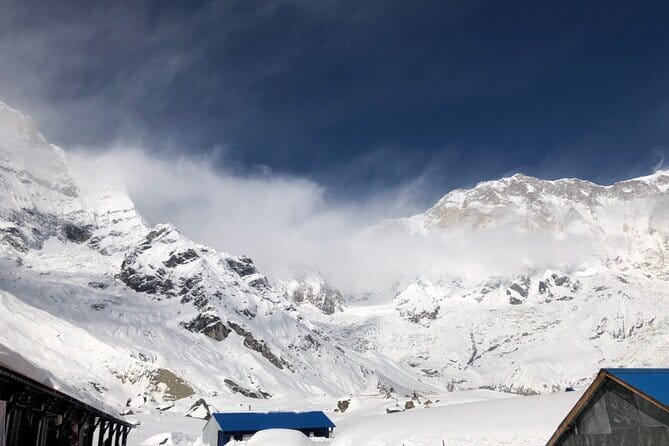
- Annapurna Base Camp plus Ablation Valley gives you that unmistakable high-mountain payoff.
- Jhinu Danda hot springs turns a hard descent into something that feels like recovery.
Day 1: From Pokhara to Jhinu Danda, Permits and River Trek Warm-Up
Your first day starts with pickup from your hotel, then a transfer to the trek’s starting point. They’ll equip you with the basics you need and check your trekking permits and TIMS card, which is a big deal because paperwork is the kind of distraction that can ruin momentum.
Once you start hiking, the plan follows the Modi Khola River past small villages. That first stretch is a good “get your legs moving” phase—still scenic and active, but not yet the steep grind you’ll feel later.
Expect a long day on paper (about 9 hours), which usually means you’re combining travel time with trail time. Pack your patience for day one and think of it like a gear check for your whole week.
You can also read our reviews of more tours and experiences in Pokhara.
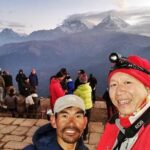
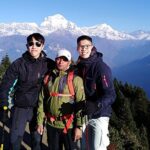
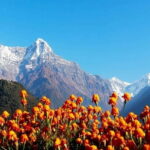
Days 2 to 3: Chhomrong Climb, Rhododendron Forests, and Deurali Views
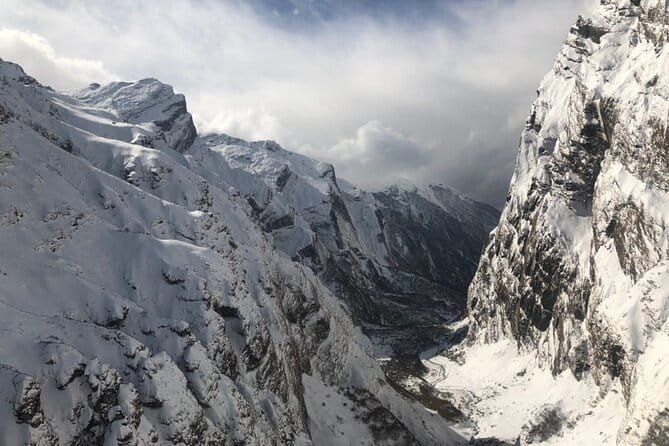
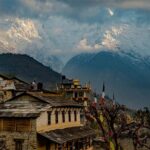
Day 2 is a steady uphill start to Chhomrong, one of the largest villages on the route. I like this part of the trek because Chhomrong is where the experience starts to feel properly “mountain Nepal,” with thicker forest scenery and village life close enough to notice.
The route then continues through dense forest areas, and you’ll end the day in accommodation for your second night (about 6 hours total). A theme that shows up strongly from past trekkers is how good the forest walking can feel—especially when you’re in rhododendron country, where trails and light can look very photogenic.
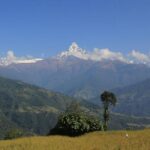
Day 3 keeps the hiking tone but adds a payoff: a “leisurely” trek toward Deurali. You’ll stop for lunch with dramatic views of the Annapurna range, and you’ll also get that mix of open outlooks with surrounding woods. Then you reach Deurali for the night, again around 6 hours.
If you’re the type who likes to balance effort with breaks, Day 3 is a nice rhythm setter: hike, pause, look, repeat. That lunch viewpoint matters more than it sounds, because it helps you judge the rest of the week without getting overwhelmed.
Day 4: Machhapuchhre Base Camp, Ablation Valley, and Finally Annapurna Base Camp
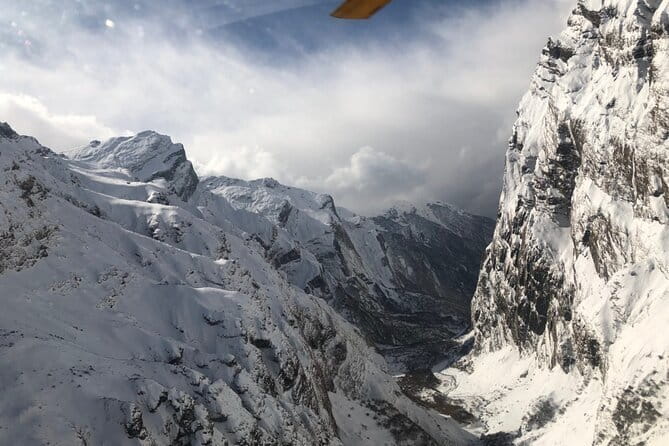
Day 4 is the emotional peak of the trek. The plan follows the trail across several streams, and then you head toward Machhapuchhare Base Camp before pushing on.
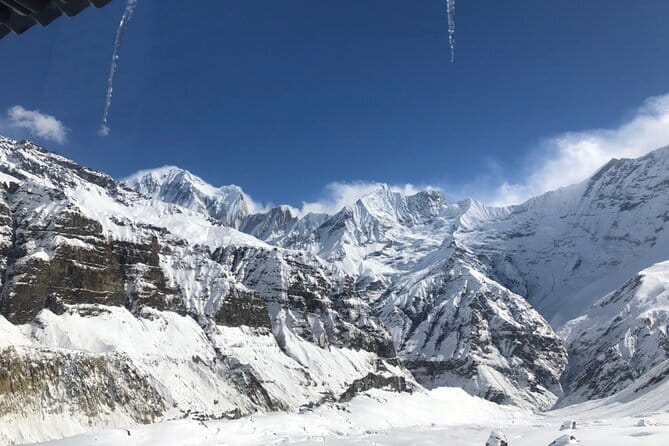
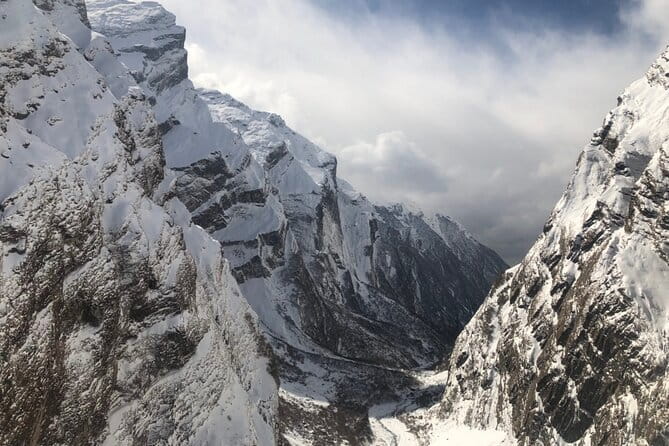
One of the standout segments here is the route through Ablation Valley, described as a hollow corridor between the glacier and the mountain. Even if you’ve never heard of it before, the description tells you what you’re likely to feel: close views, a more intense sense of scale, and a corridor-like feeling where the mountains feel like they’re bearing down on you.
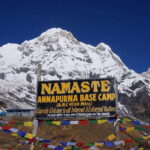
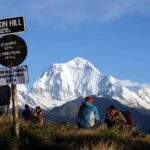
From there, you reach Annapurna Base Camp. The day is listed at about 7 hours, so it’s not an all-day sit-and-stare either—you earn the moment.
This is also one of the best days for photo patience. In feedback tied to guides like Biru and Krishna, people appreciated support with photos and timing, especially for solo trekkers. If you care about getting good shots without rushing, this is where a steady, helpful guide makes a real difference.
Day 5: The Bamboo Descent, Knee Management, and Why It’s a Real Test
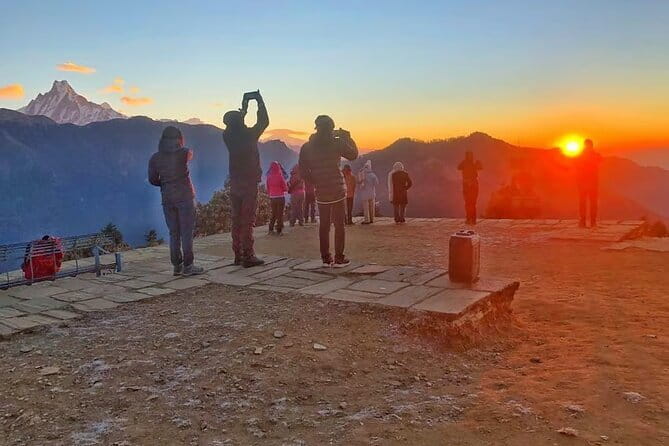
After Base Camp, Day 5 turns into a downhill day: you hike down from Annapurna Base Camp to Bamboo, about 1,600 m lower. The itinerary calls it challenging for your knees, and I’d treat that as the understatement of the week.
You’ll still see changing scenery as you lose elevation—less exposure, more trail character, and a return toward the forest-and-village feel. But the physical sensation is the main event: longer steps, braking downhill, and your legs working in a different way than they did on the way up.
This day is listed at around 6 hours. If you want one practical takeaway, it’s this: start slowly, keep your footing sure, and don’t let adrenaline from being near Base Camp fool you. The descent is the part where people often pay for going too fast.
Day 6: Chhomrong to Jhinu Danda and the Hot Springs Reset
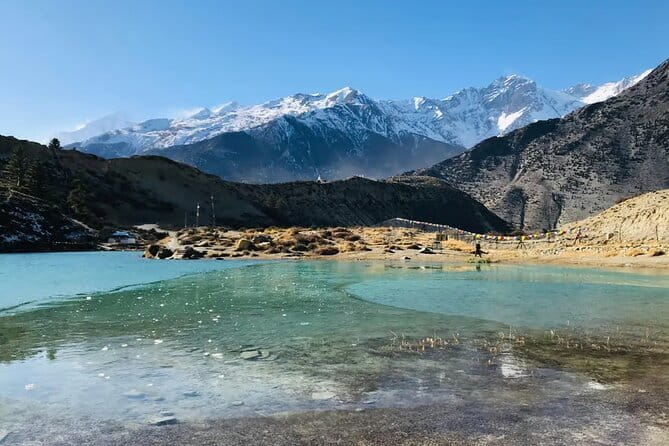
Day 6 is another big “get the body home” push. You continue down the valley, descend to Chhomrong, and then reach Jhinu Danda again.
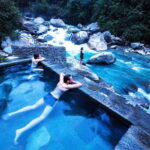
Here’s where the trek turns friendlier: the plan includes time to soak in hot spring baths in Jhinu. It’s not described as a formal spa package, but the idea is clear—you get a chance to recover after the knee-tax of the previous day.
This day is also about 6 hours. The mix of continued descent and a recovery stop makes it a good day for loosening up, stretching, and mentally setting up for a calmer finishing day.
Day 7: Farmland Along the River to Nayapul, Then Back to Pokhara
Your final day is a “finish strong” day. The plan includes a short morning trek through farmland along the river, then trekking to Nayapul. From there, you return to Pokhara with drop-off arranged at the end of the trek.
Day 7 is listed at about 7 hours, but it tends to feel lighter than the midweek days because you’re closing out rather than building toward something. You’ll still be walking, but the trail vibe is usually more about transition—back into life at lower elevation and away from the high mountain intensity.
When people talk about what they remember most from Annapurna Base Camp, they often mention both the big moment at Base Camp and the quiet satisfaction of getting back. Day 7 is where that second part happens.
Guides and Service: Why This Trek Feels Well Managed
The most consistently praised aspect across feedback is the human support—guides who are kind, patient, and genuinely helpful. Names that show up include Bikram, Prakash, Krishna, Dadi, and Biru. Since guide assignments can vary by booking, treat those names as examples of the kind of support people have received through this provider, not a guarantee of one specific person.
What you’ll feel on the ground is how guides manage the pace and details. In feedback, solo trekkers especially liked photo help and support with arrangements, while newer trekkers valued patient guidance. One review also praised professional organization from start to end, including vehicle, accommodation, and good coordination when conditions were favorable.
Add that to the operational basics that are included—like an English-speaking trekking guide, guest-house accommodation, and permits—and you get a trek that’s easier to trust. That trust matters because you’re making decisions on the move: when to pause, how to manage tired legs, and how to keep the day from turning into confusion.
Also note: this is described as a private trip, meaning it’s just your group rather than a giant mixed crowd. In real life, that usually helps with pacing and comfort, and it reduces the “everyone wait” feeling that can wear you down on popular routes.
Price and Value: What $395 Covers on a 7-Day Annapurna Trek
At $395 per person for about 7 days, the value comes from what’s bundled rather than from gimmicks. Here’s what’s included based on the package details:
- Hotel pickup and drop off in Pokhara
- Round-trip transfer by sharing jeep
- English-speaking trekking guide
- Trekking permit and TIMS card
- Accommodation in guest houses
- Private trip
That’s a practical mix. Permits and TIMS aren’t optional extras on this kind of trek, and transport can easily become expensive or stressful when you’re coordinating it yourself. Even the guide factor matters: a good guide can prevent small mistakes from becoming big problems.
What’s not included is also clear: personal expenses and optional gratitude. If you plan ahead for things like snacks between meals, tips if you feel they’re deserved, and any extra comforts you want along the way, the budget stays manageable.
If you’re trying to compare costs with other Annapurna Base Camp options, I’d focus on whether permits, guide language, and transport are truly included. Those are the items that affect your day-to-day experience the most.
What to Expect Lodging-Style and Daily Effort
Accommodation is listed as guest houses. That usually means simple, functional rooms, shared dining areas, and a steady rhythm of hike-wait-eat-sleep. The upside is you’re not carrying camping gear, and the route remains accessible for a range of trekkers with moderate fitness.
The itinerary durations per day (roughly 6–9 hours) signal that you’ll be hiking most days, but not doing extreme “day-long slogs” every single time. Still, this trek is not a casual stroll. You’re going uphill, then you’re going down.
So if your goal is to enjoy Annapurna Base Camp without being miserable, treat the “knee warning” seriously. On Day 5 especially, your downhill form matters more than your speed.
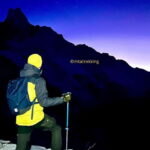
One more small but real tip: if you care about sunrise or early views, plan to move when your guide sets the day. Feedback mentions enjoying sunrise mountain views, and in mountain trekking, timing is everything.
Should You Book This Annapurna Base Camp Trek From Pokhara?
Yes, if you want a structured 7-day Annapurna Base Camp trek with the logistics handled and a guide who helps in real ways. This is a strong pick for first-timers or solo travelers who want support with pacing and photos, and for groups who prefer private comfort over a mixed crowd.
Skip it (or think twice) if you know you struggle with downhill hiking. Day 5’s drop to Bamboo is specifically flagged as knee-challenging, and your whole week will feel easier if you can handle that part. Also be honest about your fitness level. The package notes say moderate physical fitness is the right fit, and you’ll enjoy it more if you match the plan.
If you want a low-stress decision, also check that you’re comfortable with the included foundation: permits and TIMS handled, guide included, guest-house stays, and pickup/drop-off in Pokhara. With that in place, you’re paying for a smooth experience rather than piecing together the hard parts yourself.
FAQ
What is the duration of this Annapurna Base Camp trek?
It’s listed as a 7-day trek (approx.).
Where does the trek start and end?
It starts in the Pokhara area and includes drop-off back in Pokhara at the end, with trekking to Nayapul on the final day.
Is hotel pickup and drop-off included?
Yes. Hotel pickup and drop-off are included.
Is transportation included?
Yes. Round trip transfer by sharing jeep is included.
Will I need trekking permits?
Yes, and the trekking permit and TIMS card are included as part of the package.
What type of accommodation is provided?
Accommodation is provided in guest houses.
What kind of guide do I get?
An English speaking trekking guide is included.
How difficult is the trek for fitness level?
The information provided says travelers should have moderate physical fitness.
Does the trek include time at Jhinu Danda hot springs?
The route includes time in Jhinu Danda to enjoy hot spring baths.
What’s the price?
The price is listed as $395.00 per person.
Can I cancel for a refund?
Free cancellation is offered. You can cancel up to 24 hours in advance for a full refund.