REVIEW · KIGALI
Women-led Coffee Farm Trek
Book on Viator →Operated by Question Coffee - Coffee Experiences · Bookable on Viator
Coffee with a cause tastes better. In Kigali, you’ll spend a full morning-to-midday getting close to Rwanda’s coffee production outside Akagera National Park, guided through each step from harvesting to preparation. It’s not just about caffeine; this is a women-led farm trek tied to opportunity and community.
I especially like two things. First, the route is built for real process learning, not just pretty views: you’ll see how beans are gathered, washed, and prepared, plus what roasting changes in the cup. Second, the day includes time at the Women’s Opportunity Center at URUGO Eco-Lodge, where lunch and handicrafts connect what you learn to what coffee supports.
One consideration: this experience runs in the morning and lasts about 8 hours, and it depends on good weather. Also, the provided info includes COVID-19 requirements (negative test and mask), so double-check what applies when you travel.
In This Review
- Key highlights worth your attention
- Start in Kigali: Question Coffee Gishushu and a coffee-fueled morning
- URUGO Eco-Lodge and the Women’s Opportunity Center: Lunch plus meaning
- The women-led coffee farm trek: What you’re actually going for
- From harvest to washing to preparation: How flavor gets shaped
- Roasting and tasting mindset: What to notice on the way out
- Small group size and a 15-traveler cap: Better questions, less rushing
- Price and value: What $150 buys you in Kigali
- Weather, COVID rules, and what to pack for an 8-hour day
- Who this tour fits best
- FAQ
- FAQ
- What is the duration of the Women-led Coffee Farm Trek?
- Where does the tour start in Kigali?
- When does the tour begin?
- How many people are in the group?
- Is lunch included?
- What is included with the URUGO Eco-Lodge stop?
- What should I expect at the Women’s Opportunity Center?
- Are service animals allowed?
- Are there COVID-19 requirements?
- What happens if the weather is bad?
- Should you book this Women-led Coffee Farm Trek?
Key highlights worth your attention
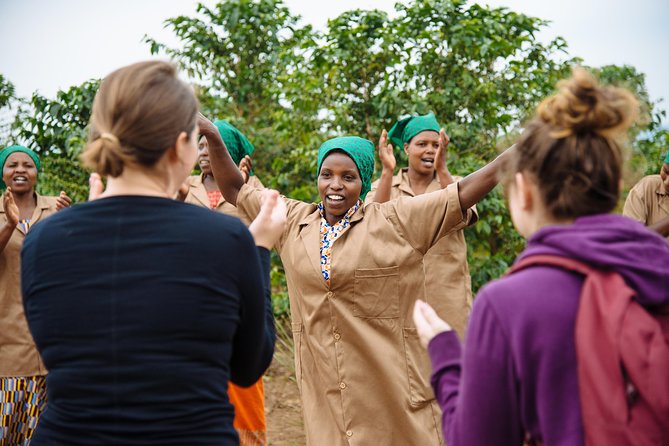
- Women farmers lead the work you’ll learn from, so you see coffee as labor and livelihoods, not just a product
- URUGO Eco-Lodge lunch stop adds a real break and cultural context at the Women’s Opportunity Center
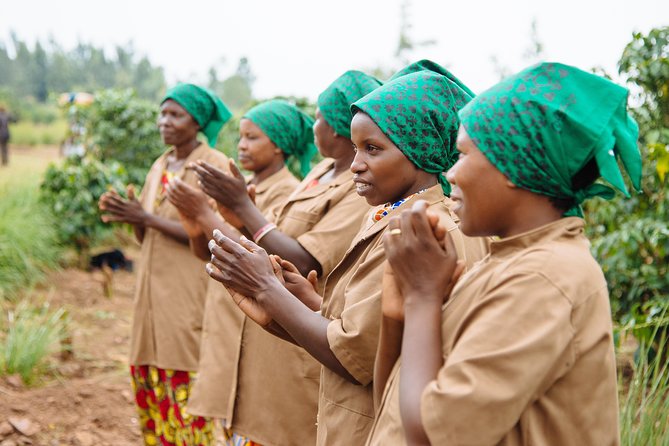
- Song-and-dance welcome sets the tone fast, and your day won’t feel staged or quiet
- Small group size (max 15) keeps questions possible during hands-on coffee steps
- See multiple coffee stages (harvesting, washing/preparation, roasting) so you can explain the process later
Start in Kigali: Question Coffee Gishushu and a coffee-fueled morning
Your day begins at Question Coffee, in Gishushu (8 KG 8 Ave, Kigali). The start time is 8:00 am, and the tour loops back to the same meeting point at the end—simple and easy if you’re staying anywhere in central Kigali.
This first part matters more than it sounds. When a tour starts with a coffee-focused meeting point, you’re already in the right mood to pay attention. The staff and guide can set expectations for what you’ll do and what you should look for, which helps a lot once you’re standing among coffee plants and processing tools.
You should also plan for a long day on your feet. Even if it’s not a hardcore trek, you’re moving between the coffee farm areas and the Women’s Opportunity Center, and you’ll want comfortable shoes.
You can also read our reviews of more tours and experiences in Kigali.



URUGO Eco-Lodge and the Women’s Opportunity Center: Lunch plus meaning
Your first real stop is URUGO Eco-Lodge at the Women’s Opportunity Center. Lunch is included, and you’ll have about an hour here, with the admission ticket bundled into your experience.
What I like about this setup is that lunch isn’t just a filler. It’s a chance to slow down while the day’s theme becomes clear: Rwanda’s coffee isn’t only an export story; it’s also a women’s empowerment story. The Women’s Opportunity Center is where you can see handicrafts and other work tied to the center’s mission, and it gives you something tangible to connect to when you later taste or talk about coffee.
If you like buying small items directly from places like this, it’s a good moment. Even when you don’t make a purchase, you’ll get more out of the day by watching how people share their skills and how the center explains its role.
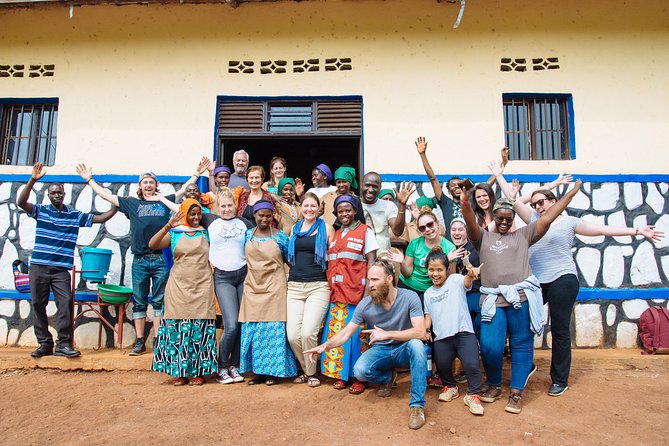
A small caution: the welcome includes song and dance, and you’ll be encouraged to join. If you’re shy, you can always watch first—just know the experience is social by design, and that’s part of the charm.
The women-led coffee farm trek: What you’re actually going for
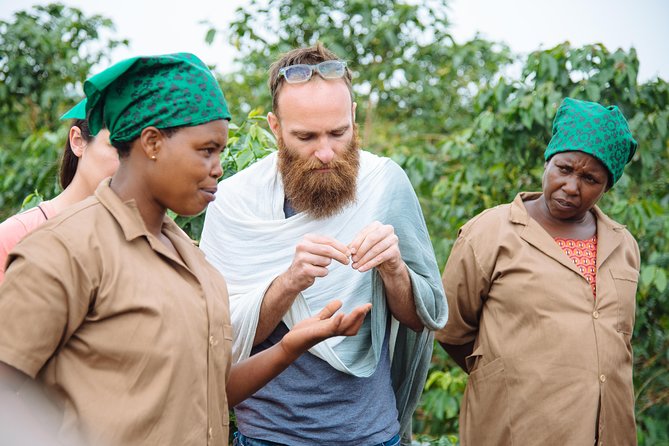
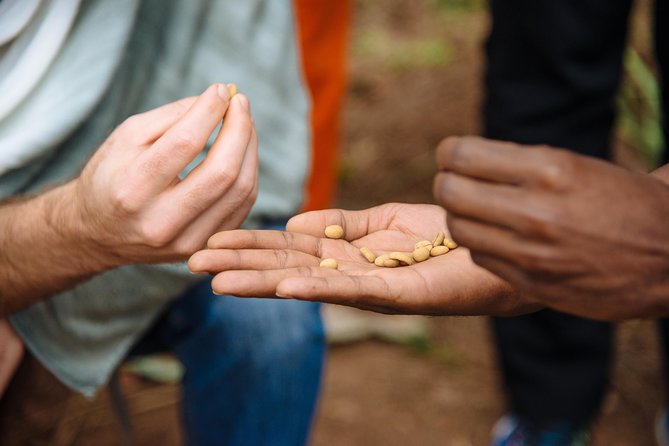
Once you’re away from the lodge area, the main event is the coffee work itself, led by women farmers. Rwanda is known for delicate flavors, and you don’t have to be a coffee expert to enjoy this—what matters is seeing the chain from plant to cup.
This is a great tour if you want the parts most visitors skip. Instead of only hearing about coffee, you’ll learn how beans are harvested and handled, and how the processing affects what you eventually drink. You’ll see the systems that keep quality consistent, even when the work is physically demanding.
Also, limited group size helps here. With a maximum of 15 travelers, you’re more likely to get direct answers to questions instead of waiting your turn while the group funnels forward.
One thing to keep in mind: coffee farms can be active and practical places. Expect to be around tools, processing steps, and people working. This isn’t a staged “show farm” vibe.
From harvest to washing to preparation: How flavor gets shaped
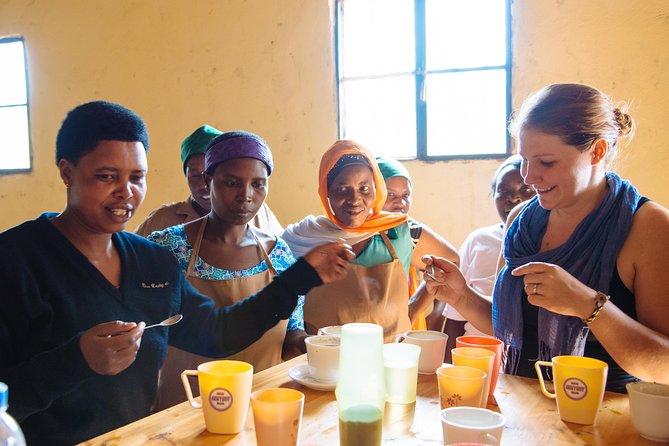
The coffee steps you’ll be taught aren’t vague. The day is designed to walk you through harvesting and the processing stages that come right after picking—especially washing and preparation steps—then continues toward roasting.
Here’s how I think about it for you: coffee flavor doesn’t appear at the roaster like magic. It’s built earlier. When you see washing and preparation, it becomes obvious why timing and handling matter. Even if you don’t memorize every detail, you’ll start to understand why two coffees labeled the same way can taste different.
You’ll also hear why roasting is not just about heat. Roasting is where the fruit of earlier work becomes aromas and bitterness balance in the cup. That’s why this tour is worth it even if you’re not planning to become a coffee hobbyist. You’ll leave with enough practical knowledge to sound confident when you order or compare coffees back home.
A helpful detail from guides: a hands-on, talk-through style can make all the difference. In past groups, a guide named Patty stood out for being helpful and joining in at multiple points of the experience. If you end up with someone with that kind of energy, you’ll likely find the coffee explanations easier to follow and more fun.
Roasting and tasting mindset: What to notice on the way out
This kind of tour changes how you read a coffee shop menu. Even without making it technical, you’ll learn to look for process cues. For example:
- When you hear about washing and preparation, you’ll connect it to clarity and cleanliness in flavor.
- When you hear about roasting, you’ll connect it to aroma development and bitterness control.
- When you think about harvest practices, you’ll connect it to consistency and what gets extracted in brewing.
You might not leave with a new brewing setup or a bag of beans (the provided info doesn’t promise purchases), but you’ll still leave with better questions. That’s a win if you care about taste, not just the novelty of seeing a farm.
And because Rwanda’s coffee is often described as delicate, paying attention to processing steps helps you understand why it can feel more nuanced than you’d expect.



Small group size and a 15-traveler cap: Better questions, less rushing
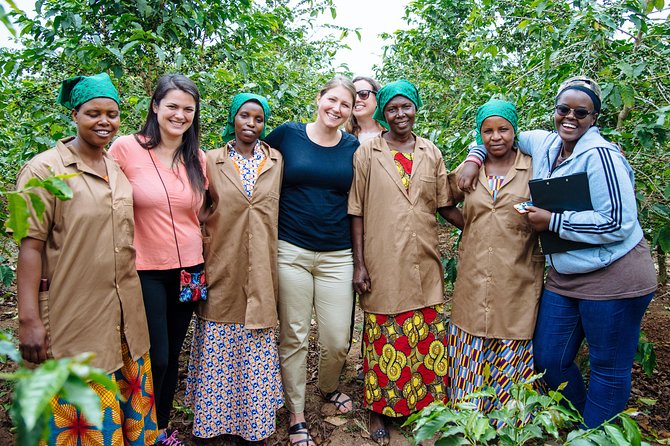
Maximum group size is 15. That limit matters. In a small group, the guide can slow down when people ask about specific steps—harvesting, washing, preparation, or roasting. It also makes the social parts of the day (welcome song and dance) feel like something you’re sharing with the group, not just being pulled through.
From a value perspective, small groups can be a little pricier on paper. But here, the price includes a lot of guided instruction plus lunch, and the cap helps ensure you actually get that instruction.
If you like learning tours where you can look at what’s happening right in front of you, this is a strong match.
Price and value: What $150 buys you in Kigali
At $150 per person, this is a daytrip that targets quality over volume. You’re paying for:
- A guided coffee education experience tied to a real women-led farming setting
- Lunch included at URUGO Eco-Lodge at the Women’s Opportunity Center
- Admission included for the lunch stop
- A maximum group size of 15
- Transportation during the activity window (you’re not expected to self-navigate between key points)
For readers who love authentic value, the “math” isn’t only hours. It’s what the hours are doing. You’re not just passing by a farm—you’re learning the processing chain, and you’re also seeing how the Women’s Opportunity Center fits into the wider picture of economic opportunity.
If you’re already paying for entry to multiple experiences on a Kigali schedule, the bundled lunch and access can make this feel efficient. If you’re purely budget shopping, it may feel steep. But if coffee education and community impact are your priorities, it’s a fair deal.
Weather, COVID rules, and what to pack for an 8-hour day
The tour requires good weather. If conditions are poor, you’ll be offered a different date or a full refund. That’s a rare but important note, because coffee tours are often weather-sensitive when farms and outdoor walking are involved.
Also, the provided details state that negative COVID-19 results and a mask are required. Requirements can change over time, so confirm what applies close to your departure date.
For what to bring, keep it practical:
- Comfortable closed-toe shoes (you’ll be moving around production areas)
- A light layer in case mornings feel cool and midday warms up
- A reusable water bottle
Who this tour fits best
This Women-led Coffee Farm Trek is a strong choice if you:
- Want a Rwanda coffee experience that focuses on people and process, not just photos
- Like small-group learning with time to ask questions
- Appreciate women’s empowerment projects and want that connection to coffee to feel direct
- Are visiting Kigali and want a day that’s both educational and warm in tone
It’s also a good fit for couples and friends because the group size keeps it social without feeling crowded.
If you’re the kind of traveler who wants a strict itinerary with no surprise human moments, you might find the welcome song and dance a little too lively. But that energy is part of why the day feels memorable.
FAQ
FAQ
What is the duration of the Women-led Coffee Farm Trek?
The experience lasts about 8 hours.
Where does the tour start in Kigali?
It starts at Question Coffee Gishushu, 8 KG 8 Ave, Kigali, Rwanda.
When does the tour begin?
The start time is 8:00 am.
How many people are in the group?
The tour has a maximum of 15 travelers.
Is lunch included?
Yes. Lunch is provided at URUGO Eco-Lodge at the Women’s Opportunity Center.
What is included with the URUGO Eco-Lodge stop?
Admission ticket is included for the stop where lunch is served.
What should I expect at the Women’s Opportunity Center?
You’ll have a chance to see handicrafts and more as part of the Women’s Opportunity Center visit.
Are service animals allowed?
Yes, service animals are allowed.
Are there COVID-19 requirements?
The provided information says negative COVID-19 test results and a mask are required.
What happens if the weather is bad?
This experience requires good weather. If it’s canceled due to poor weather, you’ll be offered a different date or a full refund.
Should you book this Women-led Coffee Farm Trek?
If you care about coffee and you care about how coffee creates opportunity, this is a smart booking. The $150 price makes more sense once you see the mix: hands-on learning through harvesting, washing/preparation, and roasting, plus lunch and time at the Women’s Opportunity Center.
Book it if you want a small-group day in Kigali that feels human—welcome song and dance included—and not a quick stop that barely scratches the surface of how Rwanda’s coffee gets made. If you prefer a low-energy, totally quiet tour, you might find the social welcome style a bit much.