REVIEW · KIGALI
3 Day Rwanda to Uganda gorilla trekking Safari
Book on Viator →Operated by East African Jungle Safaris ltd · Bookable on Viator
Gorillas, culture, and a lake cruise in 3 days. This private route connects Kigali, Uganda, Bwindi Impenetrable National Park, and Lake Bunyonyi with round-trip transport handled for you. You also get a full Batwa cultural stop before the main trek, which adds context beyond the wildlife.
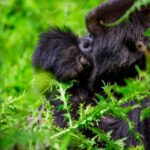
I like two things most. First, the Batwa Cultural trail on Day 1 is a real on-the-ground look at daily routines and how the community lives with the hills and cares for their cows. Second, the plan for gorillas is very clear: you trek in thick vegetation and, once you’re with the gorillas, you get a full one-hour encounter.
One consideration: the gorilla trek is not a walk in the park. You’ll be moving through steep slopes, valleys, and thick vegetation, so the tour’s note about moderate physical fitness matters.
In This Review
- Key points at a glance
- Why this Kigali to Bwindi to Bunyonyi route works in 3 days
- Day 1: Cross-border drive into Bwindi, plus the Batwa cultural trail
- Day 2: Gorilla trekking day in Bwindi’s thick vegetation
- Day 3: Lake Bunyonyi canoe time and getting back to Kigali
- Price and logistics: is $1,850 good value?
- What the “private tour” actually means for your day-to-day
- Accommodation and meals: where you’ll rest after long days
- Guides, safety, and the human side (names you might meet)
- How to prepare for the physical side of gorilla trekking
- Should you book this 3-day gorilla trek and Bunyonyi add-on?
- FAQ
- What are the key stops on this 3-day safari?
- Where does the safari start?
- How long is the gorilla trek, and how long do I spend with the gorillas?
- What physical fitness level is required?
- What should I expect on Day 1?
- What should I expect on Day 2?
- What does Day 3 include?
- Is swimming allowed on Lake Bunyonyi?
- What is included in the price?
- What is not included?
- What cancellation rules apply?
- Do I need a passport?
Key points at a glance
- Private, guide-led cross-border journey with pickup and return transport from your Kigali hotel
- Batwa cultural trail in Bwindi area before the big gorilla day
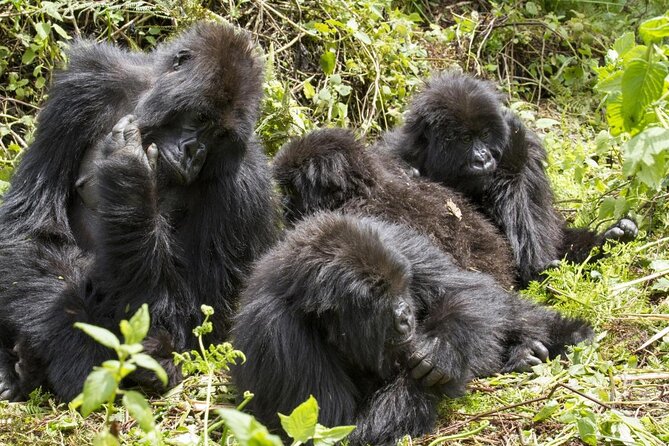
- Gorilla trekking structure: 2–8 hours hiking, then 1 hour with the gorillas
- Lake Bunyonyi time with a canoe or boat ride, plus swim conditions described as bilharzias-free
- Known guide support in the way support is provided on the ground, including names like Ruth, Farouk, and Ronald
Why this Kigali to Bwindi to Bunyonyi route works in 3 days
If you only have a short window and you still want a true East Africa mix, this itinerary is built for that. You start in Kigali, cross into Uganda, spend the key time in Bwindi for gorillas, then unwind at Lake Bunyonyi before returning for an evening departure flight.
The big win is how the days are timed around the main experience. Day 2 is the gorilla day, Day 1 is for setting expectations and grounding yourself with the Batwa cultural trail, and Day 3 is for a calmer nature finish on the lake. I also like that it’s private for your group, so you’re not fighting for space or time with strangers while you’re trying to follow instructions.
You should also know this trip is physically active. Even with a guide, the gorilla trek involves rugged terrain and thick vegetation. If you’re comfortable with challenging walking and moving uphill, you’ll get the most out of it.
You can also read our reviews of more tours and experiences in Kigali.
Day 1: Cross-border drive into Bwindi, plus the Batwa cultural trail
Day 1 is a long but important lead-in day. You’re met after arrival, then driven straight toward the Uganda, Rwanda border at Cyanika/Katuna. The ride is through rolling countryside with hills, which is a nice way to get your bearings before you step into the national park world.
The afternoon check-in in Bwindi is where you start settling in. Your itinerary places you at either Tourland Cottages or Broadbill Forest Camp, and dinner and overnight are handled.
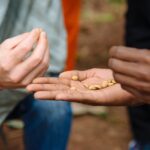
Then comes the cultural piece that many short gorilla safaris skip. The Batwa cultural trail takes you through Batwa villages and into daily routines. You’ll see how they cultivate hillside areas and how they care for animals, with cows mentioned as a point of pride. This isn’t just a photo stop. It’s designed to show you how local people understand the land you’re about to trek through.
Practical takeaway for you: after this, you’ll likely understand the park and the trek landscape more clearly. You’re not just chasing a highlight. You’re learning the human side of living near Bwindi’s forest.
Day 2: Gorilla trekking day in Bwindi’s thick vegetation
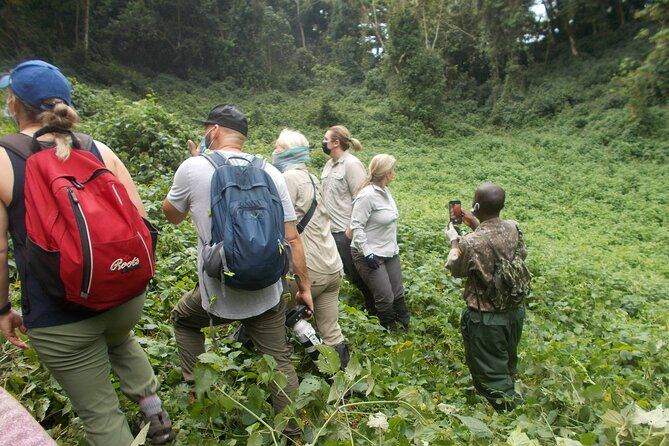
Day 2 starts early with breakfast at your accommodation, then a drive to the park headquarters for your briefing. That briefing is a big deal. It covers what to do and what not to do during the trek and after you locate the gorillas. Since these rules are tied to safety and gorilla well-being, pay attention and ask your guide to repeat anything unclear.
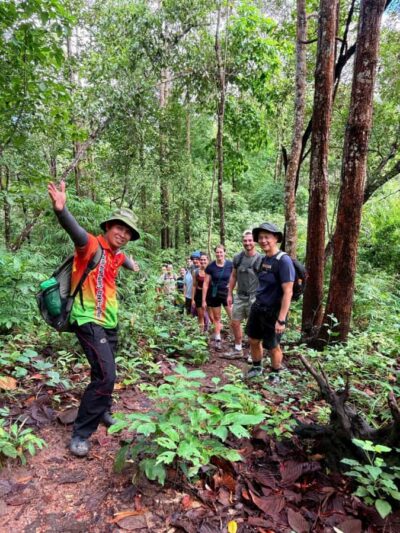
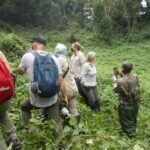
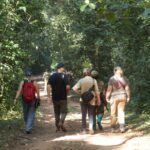
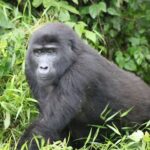
Then the trek begins. You’ll be walking through very thick vegetation, and Bwindi trekking is described as challenging because it involves steep slopes and valleys. Expect uneven ground and real climbing, even if you’ve hiked before. The forest also has constant activity through sound and movement, which can make time feel different once you’re in it.
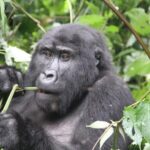
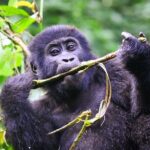
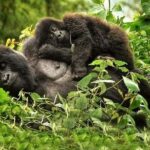
The itinerary gives a realistic range: the trek can take between 2 and 8 hours depending on conditions and where the gorillas are. Once you find them, you get one hour to stay with the gorillas. That one-hour window is the moment most people plan for, but the key is how you get there. Going in with patience helps. You’re moving as quickly as the situation allows, not on a strict clock.
Value tip: because the tour spells out the trek time range and the gorilla time limit, you can plan your energy. Pace yourself early in the trek. If you go too fast right away, you’ll pay for it later.
Also, come prepared for weather changes. The trip description doesn’t give daily rain forecasts, but rainforest trekking usually means damp air and slippery patches can be part of the deal. Layers and grip matter more than fashion.
Day 3: Lake Bunyonyi canoe time and getting back to Kigali
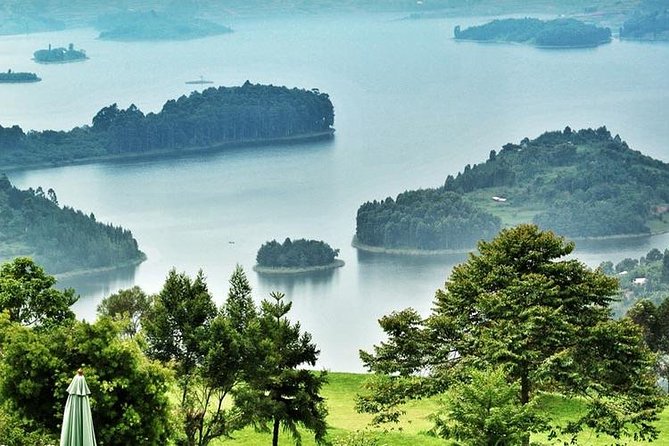
After breakfast, you head to Lake Bunyonyi. This is your scenic reset day after the forest effort of Day 2. Lake Bunyonyi is described as one of the most beautiful spots in western Uganda, and it’s called the second deepest lake in Africa at about 900 meters deep.
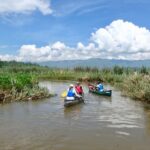
The program includes a boat or canoe ride. This is not a long, complicated detour. It’s designed as a gentle nature experience you can enjoy even if your legs are tired from trekking. The calm water approach also gives you a different kind of wildlife watching, with the lake and islands as the backdrop.
One detail that matters for your planning: the itinerary notes swimming is considered safe because the lake is bilharzias-free. If swimming is on your personal checklist, this is the best moment to ask your guide if conditions look right that day and what areas are easiest to access.
After the lake time, you head to the border for the return crossing to Rwanda. Then you drive to Kigali to catch your evening departure flight. The overall rhythm is practical: you’re not stuck for an extra night in transit, and the day is paced so you still end your trip with a flight-ready finish.
Price and logistics: is $1,850 good value?
At $1,850 per person for a 3-day private safari, value comes down to what’s included and how efficiently the schedule is managed. This rate includes bottled water, a driver/guide, and dinner for two nights. It also lists admission ticket free for the main park components across the itinerary, which suggests the key entry/permit costs are handled in the program pricing.
What you should budget for separately is clear: alcoholic drinks are not included, and souvenir photos are available to purchase. Those are typical add-ons, but they’re worth considering if you’re trying to keep total trip spending predictable.
The private format also affects value. You’re getting round-trip transport from your Kigali hotel and cross-border driving, plus guide support throughout. For solo travelers, private can feel pricey, but it often saves time and stress, especially when you’re crossing borders and coordinating trek logistics.
One more angle: this itinerary is typically booked well in advance (the average booking window is listed as 139 days). That’s a good sign for operational reliability, but it also means you should plan early if you’re traveling in peak gorilla seasons.
What the “private tour” actually means for your day-to-day
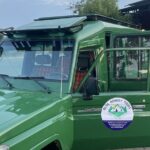
Private isn’t just a marketing label here. Your guide is the one organizing your movement: airport meet-up, border crossing drive timing, park briefing, trek pacing, and the daily logistics that determine how smoothly the day runs.
The tour also states you’ll have only your group participating. That matters for gorilla trekking because you’ll need to stay consistent with group instructions, listen for guidance, and move as required once you locate animals. With a private group, you’re not negotiating space or pace with an extra crowd.
It can also help with comfort on transport. Long drives can be tiring, and a private vehicle gives you more control over stops and timing based on your route and your guide’s judgment.
Accommodation and meals: where you’ll rest after long days
Your overnight stays are listed as Tourland Cottages or Broadbill Forest Camp. That’s the kind of lodging choice that fits a short, nature-focused itinerary: you’re close enough to the park area to keep trekking day efficient.
Dinner is included twice. That’s useful after two physical days, because you don’t have to think about finding a place to eat in between park and border schedules.
About breakfast: the itinerary specifically mentions an early breakfast on Day 2 and breakfast before the Lake Bunyonyi day on Day 3, so you’ll be eating before you move out. The exact inclusion of breakfast isn’t spelled out in the included list, but the plan clearly relies on morning meals at the lodge.
If you have dietary needs, this is one place to message the operator before departure. The data you provided doesn’t specify meal options, so you’ll want to confirm ahead of time what can be accommodated.
Guides, safety, and the human side (names you might meet)
The guide support is a strong theme in the way this safari is run. People highlight that staff are present, responsive, and on hand with answers and guidance during the process.
You may meet guides such as Ruth, Farouk, or Ronald. Ruth is described as staying with a traveler through the process, offering prompt answers. Farouk is linked to a sense of safety for a young solo female traveler from the USA. Ronald is associated with the opportunity for bird watching on the way to destinations.
That matters because gorilla trekking is one part physical and one part mental. You need calm, clear instruction. You also need someone who can handle timing changes when you’re moving between Bwindi, borders, and flight schedules.
So if you’re the type who likes to know what’s happening next, this tour’s guide-led approach should feel reassuring.
How to prepare for the physical side of gorilla trekking
This isn’t a light activity. The trek can run from 2 to 8 hours over steep slopes, valleys, and thick vegetation. The tour explicitly calls for moderate physical fitness.
Here’s how I’d translate that for you on the ground:
- Build comfort with uphill walking before you go
- Wear shoes with strong grip for uneven, muddy, and possibly slippery trails
- Expect that you’ll slow down at times to move safely and follow instructions
Also remember: once you locate the gorillas, you have one hour with them. That hour may feel short because of the emotional impact and the need to stay in position safely. Good preparation helps you enjoy that time instead of spending it just trying to catch your breath.
If you’ve got knee issues, asthma, or severe back pain, consider whether steep slopes are manageable. Your guide and briefing will matter, but the terrain is real.
Should you book this 3-day gorilla trek and Bunyonyi add-on?
Book it if:
- You want gorilla trekking with a clearly structured plan for trek time and the one-hour encounter
- You like having context, not just wildlife, so the Batwa cultural trail is a meaningful part of your trip
- You want to end your Kigali visit with a calm nature day on Lake Bunyonyi, including a canoe or boat ride
Skip it or ask extra questions first if:
- You’re worried about challenging walking on steep slopes and valleys
- You want more flexible timing on Day 3, because the itinerary is built around crossing back to Rwanda and reaching Kigali for an evening departure flight
For most people, this tour is a strong fit for a time-limited trip that still wants depth. You’re getting Bwindi’s biggest draw, plus a cultural stop that explains the human relationship with the land, plus a lake day that feels like a proper exhale.
FAQ
What are the key stops on this 3-day safari?
The tour includes Bwindi Impenetrable National Park for gorilla trekking, a Batwa cultural trail, and Lake Bunyonyi for a boat or canoe experience. It starts in Kigali, Rwanda, and includes cross-border travel to Uganda and back.
Where does the safari start?
The experience starts at 8:00 am, with pickup offered from your Kigali hotel.
How long is the gorilla trek, and how long do I spend with the gorillas?
The trek can take between 2 and 8 hours, depending on conditions. Once you sight the gorillas, you spend up to one hour with them.
What physical fitness level is required?
The tour notes that travelers should have moderate physical fitness level because the trek involves thick vegetation, steep slopes, and valleys.
What should I expect on Day 1?
On Day 1 you drive to the border at Cyanika/Katuna, arrive at Bwindi in the afternoon, check in at your lodge, and then go for a Batwa cultural trail through villages. Dinner and overnight are at Tourland Cottages or Broadbill Forest Camp.
What should I expect on Day 2?
Day 2 includes an early breakfast, a briefing at the park headquarters on what to do and not do during the gorilla trek, and then trekking in thick vegetation. Dinner and overnight are back at Tourland Cottages or Broadbill Forest Camp.
What does Day 3 include?
Day 3 includes breakfast, a drive to Lake Bunyonyi, a boat or canoe ride, and then travel back across the border to Rwanda. You then drive to Kigali to catch your evening departure flight.
Is swimming allowed on Lake Bunyonyi?
The itinerary says swimming is considered safe because Lake Bunyonyi is bilharzias-free.
What is included in the price?
Included items are bottled water, a driver/guide, and dinner for two nights. The itinerary also lists admission ticket free for the included park experiences.
What is not included?
Alcoholic drinks are not included, and souvenir photos are available to purchase. Also, meals beyond the included dinners are not listed as included in the provided details.
What cancellation rules apply?
You can cancel up to 6 days in advance for a full refund. Canceling 2 to 6 days before gives a 50% refund, and canceling less than 2 days before does not receive a refund. If canceled due to poor weather, you’ll be offered a different date or a full refund.
Do I need a passport?
Yes. A current valid passport is required on the day of travel.