REVIEW · SICILY
Trekking to Bottoniera Craters
Book on Viator →Operated by Vincenzo Modica | Volcanological Guide of Mount Etna · Bookable on Viator
Volcano drama, on foot. This Mount Etna trekking outing sends you straight to the Bottoniera craters tied to eruptions over the last century, with a guide who explains what you’re seeing in plain language. I love the combo of hands-on geology and the chance to walk among ancient lava flows and endemic vegetation that make Etna feel alive, not just scenic. One thing to consider: it’s listed for people with moderate physical fitness, so if you hate uneven ground or lots of walking, you may want to plan carefully.
A good Etna guide matters. With Vincenzo Modica (Volcanological Guide of Mount Etna), the focus is on what the mountain is doing and how it shaped the surrounding towns and landscapes, so the hike becomes more than a photo stop. The pacing is built around a ~3-hour experience, and it’s private, meaning your group stays together and you don’t get lost in a big crowd. The only potential drawback is weather: this experience requires good conditions, so you’ll want flexibility in your schedule.
In This Review
- Key things I think you’ll care about
- Mount Etna’s Bottoniera Craters: Why This Trek Feels Different
- Meeting Vincenzo Modica and Getting the Explanations Right
- Stop 1 on Etna: Bottoniera Craters from the 2002 Eruption
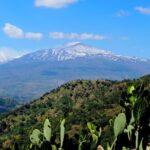
- What You’ll Actually See: Lava, Craters, and Etna’s Unique Plants
- The Real Timing: About 3 Hours on Etna
- Private Tour Value: What You Pay for at $229.28
- Photos: How to Capture Etna Without Missing the Lesson
- Who This Etna Trek Fits Best (and Who Might Want Another Option)
- Weather and Rescheduling: The One Friction Point
- Should You Book This Etna Trek?
- FAQ
- Where does the trek start?
- What time does the trekking excursion begin?
- How long is the Bottoniera craters trekking experience?
- Is this a private tour?
- What ticket format do I get?
- What fitness level do I need?
- What will I visit during the tour?
- Is admission included?
- What happens if the weather is poor?
- Can I cancel for a full refund?
Key things I think you’ll care about
- Bottoniera craters tied to the 2002 eruption, with context that connects the scene to real volcanic history
- Vincenzo Modica as your guide, with lots of explanations and local know-how
- Endemic Etna vegetation and lava-flow scenery that looks different from normal hiking
- Private group setup, so questions don’t get squeezed out
- 3 hours total (about), which fits well into a Sicily itinerary
- Mobile ticket included, making check-in simpler
Mount Etna’s Bottoniera Craters: Why This Trek Feels Different
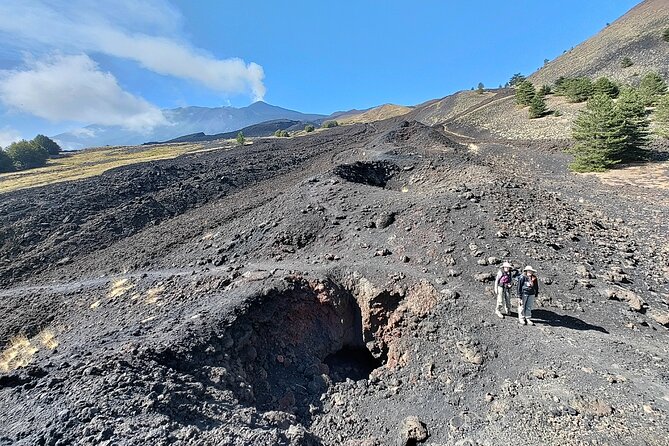
There are lots of ways to see Mount Etna. This one feels better because you’re not just looking at a volcano from a distance—you’re walking through a landscape shaped by eruptions that happened in the recent historical record. That “recent” part matters. When your stops are tied to events like the 2002 eruption, the mountain stops being a vague landmark and starts feeling like a living timeline.
I also like that the goal isn’t only views. You’re there to understand the geology. The tour is described as simple but informative, which is exactly what you want on a volcano day. Etna can sound intimidating on paper, but when the explanation is built for curious people—including families with children—you’re less likely to miss the point.
Here’s the sweet spot: you get a trek across dreamlike terrain, then you learn how that terrain formed. It’s the difference between seeing lava rocks and actually being able to explain why they look the way they do.
You can also read our reviews of more tours and experiences in Sicily.
Meeting Vincenzo Modica and Getting the Explanations Right
Your guide for this outing is Vincenzo Modica | Volcanological Guide of Mount Etna. If you’ve ever been stuck with a tour where you get a few facts and then everyone walks silently, you’ll appreciate the way this experience is framed: lots of explanation, plus guidance that links volcanic activity to what you see around you.
Based on the information provided, Vincenzo’s style is built on clarity and attention. People describe him as passionate and prepared, and they highlight that you learn plenty about eruptions, rock geology, and local anecdotes. One of the most practical reasons that matters is this: volcano terrain can look uniform until someone points out the differences. A good explanation helps your brain “attach meaning” to what you’re viewing, and then the photos start looking better too.
Also, this is a private tour/activity, so you’re not just getting knowledge—you’re getting access. If you’re with kids, or you’re a “wait, why does that look like that?” type of adult, a private format makes it easier to keep questions flowing without the group getting rushed.
Stop 1 on Etna: Bottoniera Craters from the 2002 Eruption
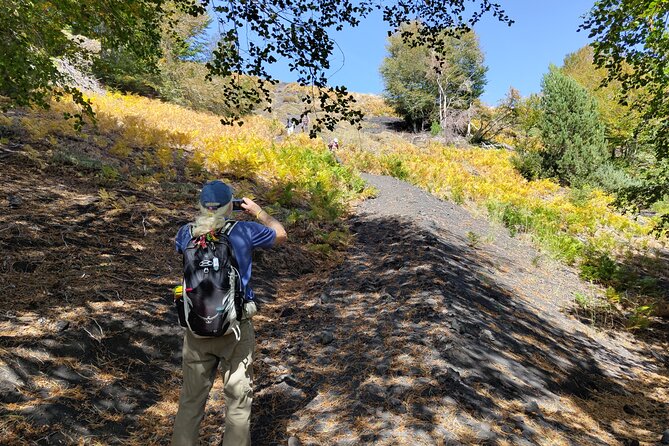
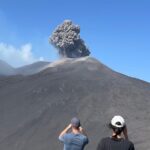
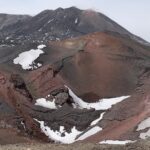
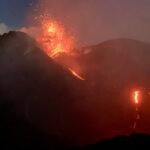
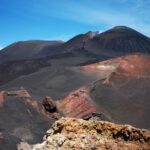
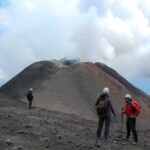
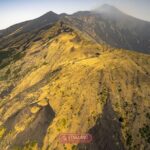
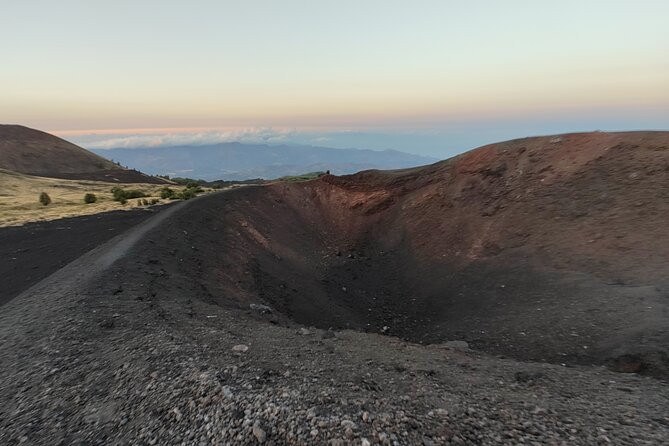
The main event is your visit to the Bottoniera craters connected to the 2002 eruption. This is where the outing earns its name, and it’s the part you’ll remember when you’re back in town trying to describe Etna to friends.
What’s special here is the combination of time depth and physical presence. The tour is positioned as exploring the most significant craters of roughly the last 100 years, and then it anchors that larger story to the 2002 eruption. That approach helps you see the mountain as both a historic force and something that can still change the world inside a human lifetime.
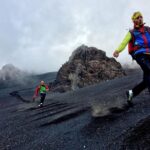
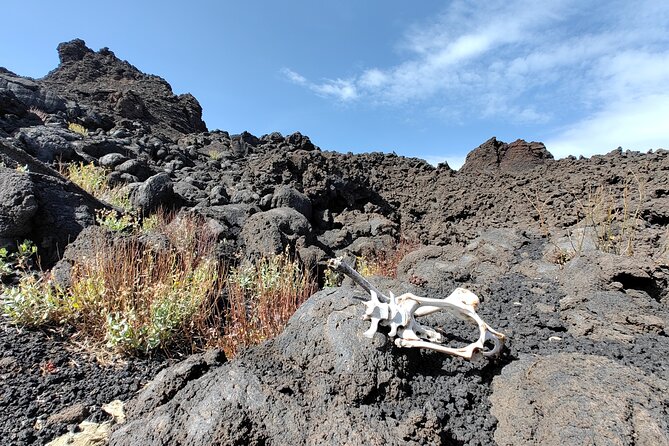
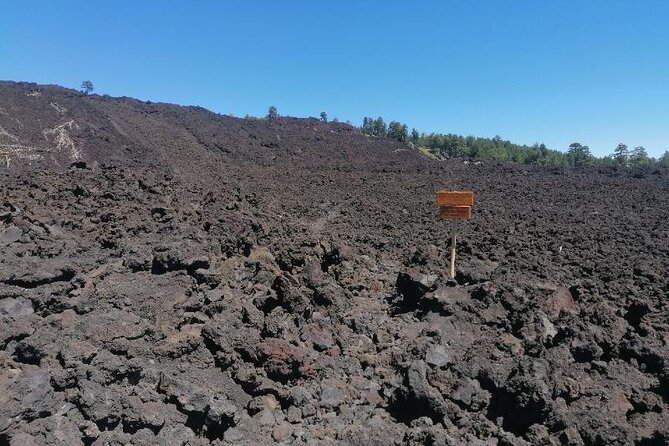
During the hike, you’ll also be crossing and moving through areas that include historic lava flows. That matters because lava flows are not just a background. They’re the “signature” of the eruption—patterns, surfaces, and textures that can be explained in geology terms. The experience is designed so you learn the story in a simple way, so you’re not spending the whole walk Googling terms or trying to decode science from scratch.
One consideration: craters and volcanic terrain can be visually intense. If you get overwhelmed by big, harsh landscapes, plan to take breaks mentally. This is a sightseeing hike, but it’s still a real trek through volcanic ground.
What You’ll Actually See: Lava, Craters, and Etna’s Unique Plants
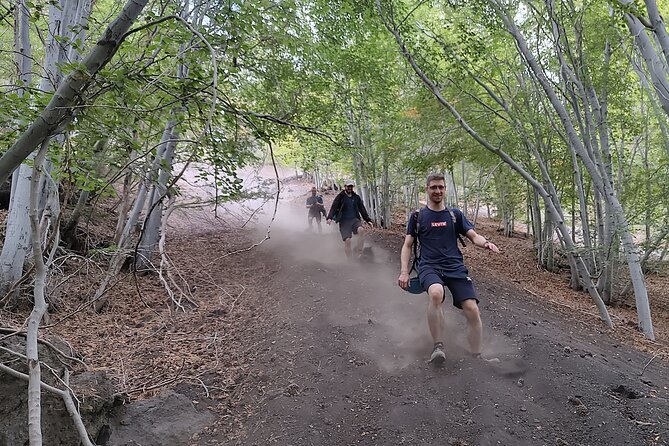
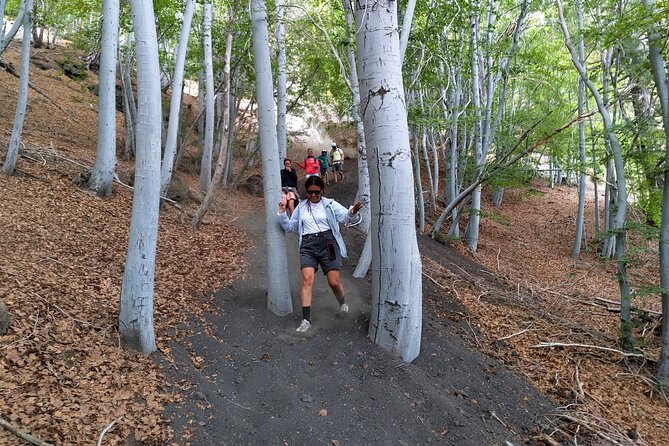
The description emphasizes not only craters and lava but also endemic vegetation—plants that are part of Etna’s natural identity. That’s a smart inclusion, because it shifts the day from pure geology to the full ecosystem side of the volcano. A mountain is a physical process, but it’s also a place where life adapts.
This helps in two ways:
- It breaks up the scenery visually. Lava and crater surfaces can look dramatically similar if all you see are rocks and slopes. Vegetation adds texture and color so your eyes don’t get bored.
- It makes the science feel grounded. When plants that only thrive in this kind of environment show up in the story, you start understanding that Etna affects more than landscapes—it affects living systems too.
The tour also frames the walk around “dreamlike landscapes,” which is exactly how lava flows can feel when you’re close enough to notice details. Up close, the shapes look less like random rubble and more like engineered forms left by physics.
The Real Timing: About 3 Hours on Etna
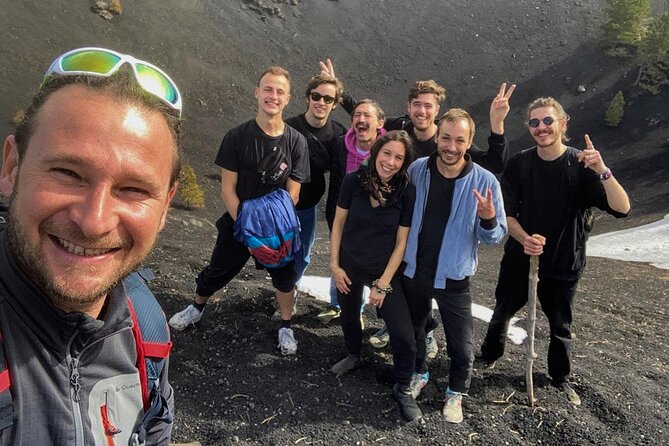
The experience runs about 3 hours, and that timing is usually a good deal on Etna. You get enough time for real walking and meaningful stop-and-learn moments without burning an entire day.
When a tour is only half a morning, pacing matters. A 3-hour structure tends to mean you’ll move fairly steadily, with stops that support the learning objectives—craters, lava features, and the key viewpoints where the guide can explain what you’re seeing.
Because the tour is described for moderate physical fitness, I’d assume you’ll be doing a genuine trekking-style walk. If you’re comfortable hiking on uneven ground for a few hours, you’ll probably feel fine. If you’re not, you’ll want to manage expectations and consider choosing a gentler Etna option instead.
Practical tip for your comfort (not a “tour guarantee,” just good sense): wear sturdy shoes and dress for cool-to-changeable mountain weather. Etna conditions can shift quickly.
Private Tour Value: What You Pay for at $229.28
At $229.28 per person, you’re not buying a bus trip. You’re buying a guide, a focused itinerary, and a private group format. That can be good value when you compare what you get: admission ticket included (for the craters visit) and a structured walk designed around geology education.
The value really comes from two things:
- Expert explanation that keeps you from treating the volcano like scenery only.
- Private format that helps you go at a pace that works for your group, rather than forcing your questions into a crowd.
If you’re traveling with family or friends, private tours often make financial sense because your total group cost spreads out more evenly than a solo add-on. Even if you’re just two people, a private volcano outing can be a satisfying way to avoid the “everyone follows, nobody learns” problem you can get with larger group tours.
Also note the tour uses a mobile ticket, so you’re not digging through paper tickets at the start—small thing, but it reduces stress when you’re traveling.
Photos: How to Capture Etna Without Missing the Lesson
You’ll want photos on Etna. The itinerary is built around “magical moments” among craters and lava flows, so the scenery is naturally camera-friendly. But I’d frame your photo plan like this: don’t treat photos as a distraction from learning—use them to remember what the guide explained.
Here’s a simple approach that works:
- Take a quick wide shot when you arrive at the crater area.
- Then take a few “detail” shots of surfaces, rock textures, and any vegetation clusters.
- After that, listen for the explanation and try to match the science terms to what’s visible.
When you do that, your photos become more than pretty images. They turn into evidence of the story you learned on the hike.
And if you’re traveling with kids, photos are often the hook. The tour is recommended for families and curious children, and crater/lava visuals are the kind of subject that can make questions happen naturally.
Who This Etna Trek Fits Best (and Who Might Want Another Option)
This tour is described as good for both individual travelers and families with curious children. That signals a teaching style aimed at more than just geology students—so if you want to understand the mountain without drowning in jargon, this format fits.
It’s also built for people who like structured moments: visit the craters, learn the geology simply, then keep walking through meaningful scenery. If you’re the type who prefers a self-guided hike where you wander and skip explanations, a guided geology focus might feel less flexible. On the other hand, if you value learning and guidance, you’ll likely enjoy how the tour is framed.
Main fitness note: the experience requests moderate physical fitness. If you’re unsure, think honestly about how you handle uneven ground for a few hours. This isn’t advertised as a “sit and look” activity.
Weather and Rescheduling: The One Friction Point
This experience requires good weather. That matters on volcano days because visibility, ground conditions, and comfort can change fast. The good news is that if the tour is canceled due to poor weather, you’ll be offered a different date or a full refund.
So if your Sicily schedule is tight, the “weather dependency” is the main reason to build in some flexibility. If you can shift your morning plans, this tour becomes a lot less stressful.
Should You Book This Etna Trek?
I think you should book this experience if you want Etna with context, not just a walk for pictures. The combination of Bottoniera craters from the 2002 eruption, a focused ~3-hour format, and a volcanology guide like Vincenzo Modica makes it a strong choice for travelers who like learning while they move.
It’s also a smart pick if you’re traveling with curious kids or you’re the kind of adult who asks why things look the way they do. The tour is designed for that type of curiosity.
Skip (or consider another option) if moderate trekking feels like a stretch for you, or if you can’t rearrange plans if weather shuts the outing down.
If you’re ready for a guided geology walk through a volcanic landscape with real historical anchors, this is the kind of Etna experience that sticks.
FAQ
Where does the trek start?
The experience starts at Vincenzo Modica | Etna Excursions, Via Provenzana, 35, 95015 Linguaglossa CT, Italy.
What time does the trekking excursion begin?
The start time is 9:30 am.
How long is the Bottoniera craters trekking experience?
It lasts about 3 hours.
Is this a private tour?
Yes. It’s listed as a private tour/activity, so only your group participates.
What ticket format do I get?
You receive a mobile ticket.
What fitness level do I need?
The experience asks for a moderate physical fitness level.
What will I visit during the tour?
You’ll visit Mount Etna and the Bottoniera craters from the 2002 eruption, with the focus on significant volcanic activity from roughly the last 100 years.
Is admission included?
Yes. The admission ticket is included.
What happens if the weather is poor?
The experience requires good weather. If it’s canceled due to poor weather, you’ll be offered a different date or a full refund.
Can I cancel for a full refund?
Yes. Free cancellation is available, and you can cancel up to 24 hours in advance for a full refund.