REVIEW · KATHMANDU
Kathmandu: 6 Days Langtang Valley Trek with Kyanjin Ri
Book on GetYourGuide →Operated by MTA Trekking Pvt. Ltd. · Bookable on GetYourGuide
Langtang feels close to the ceiling of Earth. I love the Tamang villages and the way the trek makes culture part of the walk, not just a stop. I also love the Kyanjin Ri sunrise payoff—when conditions cooperate, it’s the kind of morning you remember for years. The one thing to consider is the altitude and steep optional hike: even if you feel fine at first, you still need a slow, steady pace.
I like how this trek keeps you moving with real structure: a guide who speaks English/Hindi, adjusts breaks to you, and helps you keep your head in the game. You’ll also get practical moments that feel specific to this region, like visiting the Kyanjin Gompa area and tasting local cheese.
The format is friendly for first-timers. Still, this is a mountain trek, so pack smart, hydrate, and don’t treat the acclimatization advice like a suggestion.
In This Review
- Key highlights at a glance
- Langtang Valley: Why This 6-Day Route Feels Special
- Day 1: Kathmandu to Syabrubesi, Then Your First Climb to Pahiro
- Day 2: Forest Trails to Ghoda Tabela and Waterfall Views
- Day 3: Reaching Kyanjin Gompa (3,870m) and Feeling the Culture Up Close
- Day 4: The Optional Kyanjin Ri Hike (4,770m) and the Return to Thangsyap
- Day 5: Thangsyap Back to Syabrubesi and One More River Walk
- Day 6: The Drive Home to Kathmandu
- How the Altitude Really Affects You (and What This Trek Does About It)
- Food and Comfort on a Short Trek: What’s Included vs. What You Pay for
- Price and Value: Is $179 Fair for a 6-Day Langtang Trek?
- What to Bring (So You’re Not Miserable at 4,770m)
- Who This Trek Suits Best (and the One Thing to Be Honest About)
- Should You Book This 6-Day Langtang Trek?
- FAQ
- What is the duration of the trek?
- How much does the trek cost?
- Does this include a guide?
- Is Kyanjin Ri part of every day?
- What’s included in the trek package?
- What should I bring for the trek?
- Are alcohol and drugs allowed?
Key highlights at a glance
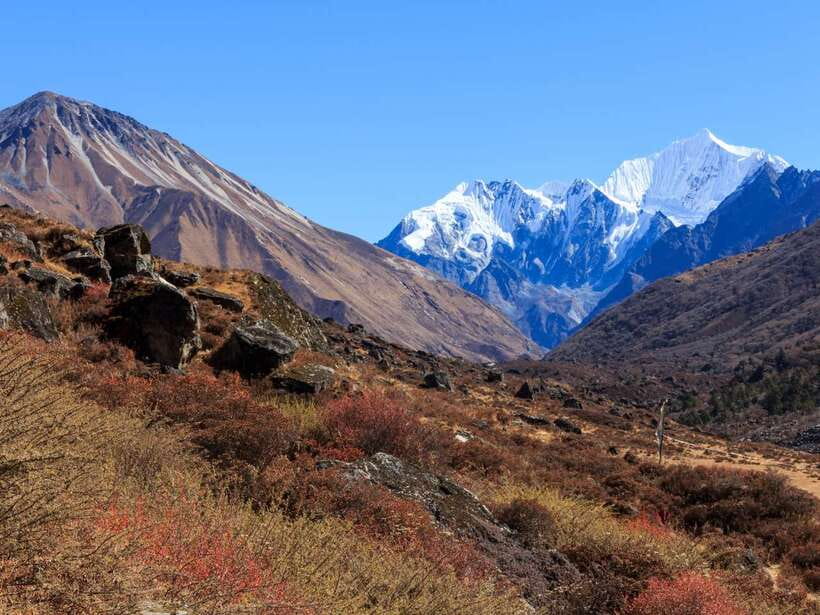
- Langtang Valley scenery with real trail time through forests and river paths
- Tamang culture stops on the way to Kyanjin Gompa and nearby villages
- Kyanjin Gompa monastery visit plus local interactions at high elevation
- Optional Kyanjin Ri climb for big panoramic views and often a sunrise vibe
- Guide pacing that matters (you can go at your speed instead of racing the group)
Langtang Valley: Why This 6-Day Route Feels Special
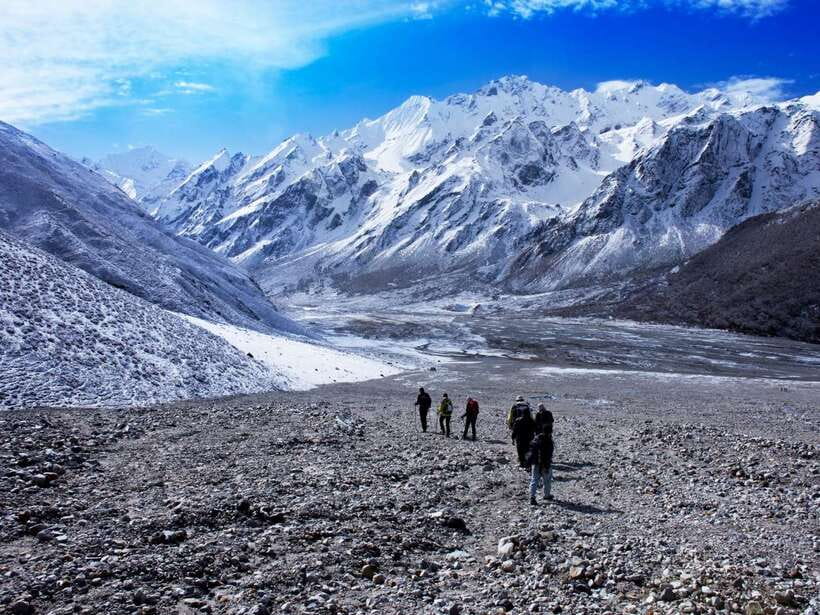
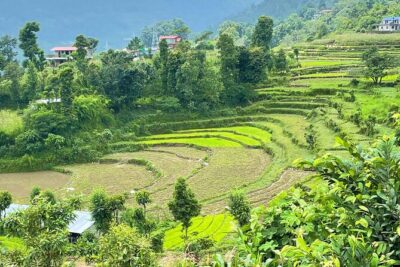
Langtang is Nepal with less crowd pressure and more “live in the mountains” energy. You start in Kathmandu, but you don’t stay in the city mood for long. Within a day, you’re walking along the Langtang River and threading through settlements that feel both remote and welcoming.
What makes this trek stand out for me is the balance. You get classic Himalayan scenery, yes—but you also get Tamang culture built into the route: village life, monasteries, and the sense that you’re moving through someone’s home region. It’s not just about ticking off viewpoints.
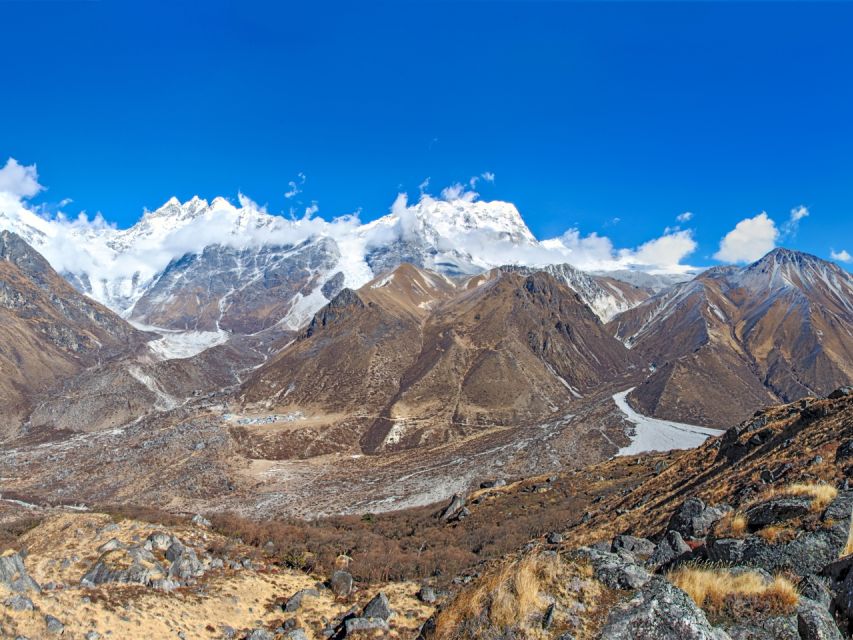
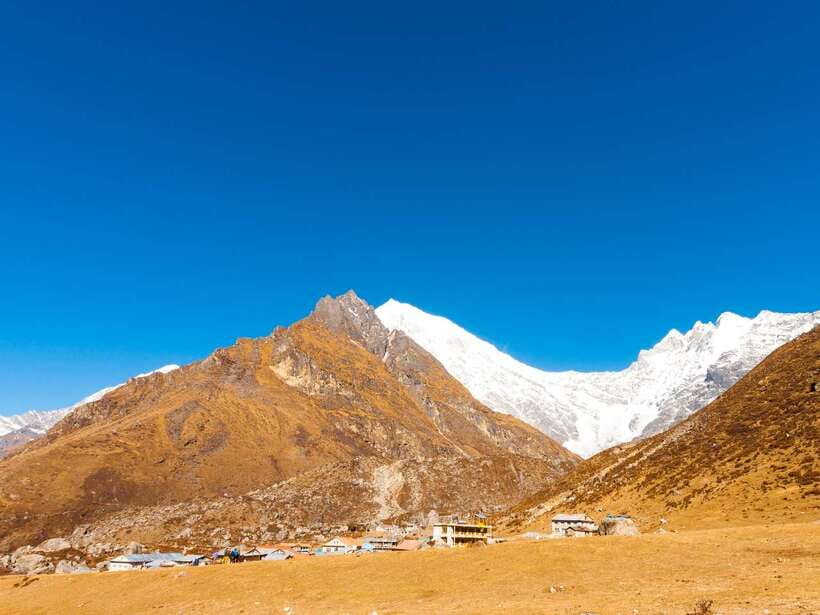
And the optional Kyanjin Ri hike gives you a sharp “wow” moment. Even if you decide not to do it, reaching Kyanjin Gompa already places you in that high mountain zone where clouds, ridges, and rock start to look like a different world.
You can also read our reviews of more tours and experiences in Kathmandu.
Day 1: Kathmandu to Syabrubesi, Then Your First Climb to Pahiro
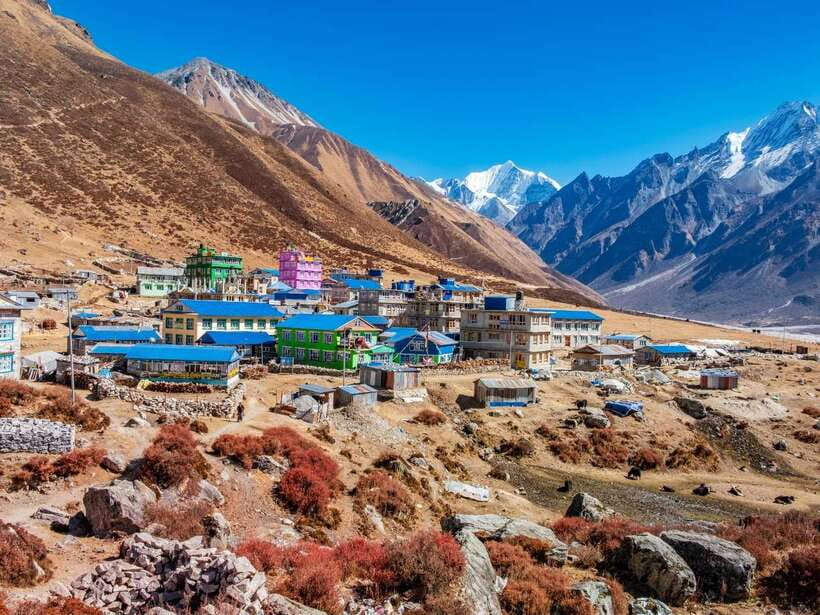
Day 1 is travel plus a first taste of trek rhythm. You’ll do a scenic drive from Kathmandu to Syabrubesi, then start walking with the Langtang River nearby. This is a smart way to begin because you’re not dropping into a hard altitude jump without transition.
Your first overnight stop is Pahiro (1,550m). It’s high enough to feel like you’re officially “in it,” but not so high that you’re immediately fighting the mountain. Expect the first day to feel like an easy on-ramp: quiet forest paths, small village scenes, and time to settle into hiking tempo.
If you’re the type who gets stressed by logistics, this day helps. With hotel pickup and drop-off handled, you can focus on getting ready properly—shoes tied, water planned, and layers sorted.
Day 2: Forest Trails to Ghoda Tabela and Waterfall Views
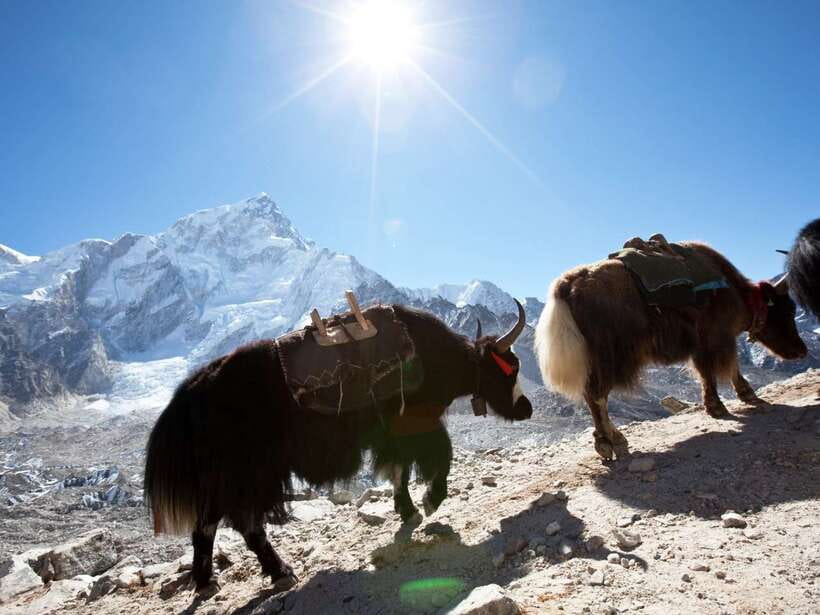
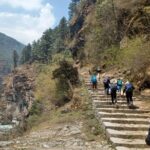
On Day 2, you move from Pahiro to Ghoda Tabela (2,900m). The trail trends through greenery and forest sections, with chances to see cascading waterfalls along the way. You’ll also get panoramic views at moments when the valley opens up.
This is the day many people start to notice their breathing. Not because it’s “terrible”—but because you’re climbing more, and you’re doing it on foot. I like that Ghoda Tabela makes a practical overnight choice. It’s a steady elevation step that keeps you close to the trek’s center of gravity.
Also, this is where a good guide earns their keep. A strong English/Hindi-speaking guide doesn’t just point forward—they help you keep a pace that’s sustainable. Several guides connected with this trek (including Ghanshyam and Sudarshan) have been described as flexible with breaks and attentive to how you’re doing, which is exactly what you want here.
Day 3: Reaching Kyanjin Gompa (3,870m) and Feeling the Culture Up Close
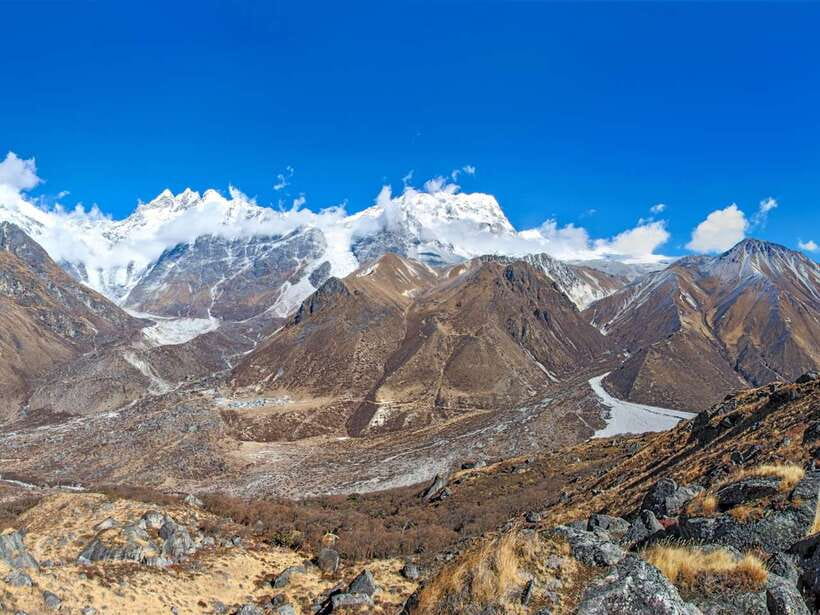
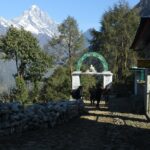
Day 3 is the big cultural and geographic shift. You trek to Kyanjin Gompa (3,870m), arriving in a traditional Himalayan setting surrounded by high peaks. This is where the walk turns into something more layered than scenery.
Once you reach Kyanjin Gompa, you’re not rushing through. You explore ancient monasteries, you visit the local cheese factory, and you have a chance to meet friendly locals. That combination matters. The monastery visit puts you in a spiritual and historical context, while the cheese element gives you a practical, everyday connection to how people live here.
You’ll stay overnight in Kyanjin Gompa. High-altitude nights can feel quiet and cold. If you’re used to city routines, this is the part that teaches you to slow down: eat early, bundle up, and treat sleep like part of the plan.
Day 4: The Optional Kyanjin Ri Hike (4,770m) and the Return to Thangsyap
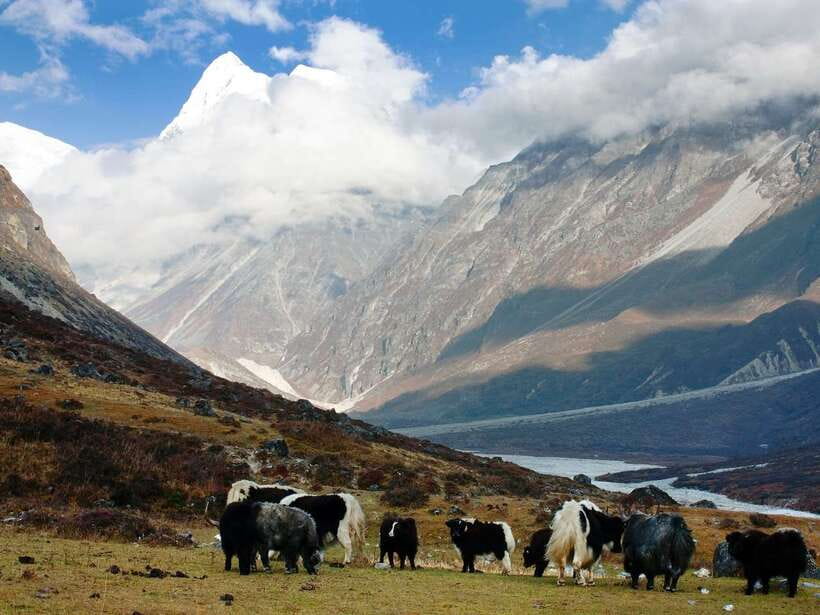
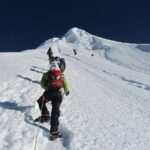
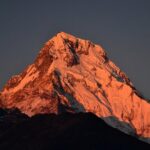
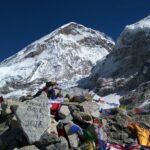
Day 4 has a fork in the road: you can do the optional Kyanjin Ri hike. The climb goes up to 4,770m, and the ascent is described as challenging. But the reward is the reason people plan to be here early—panoramic views of snow-covered peaks and glacial valleys, often in the crisp light of the morning.
This is the part where you have to be honest about your body. Even if you feel okay at Kyanjin Gompa, altitude affects everyone differently. The trek framework specifically warns about AMS symptoms like headaches, nausea, fatigue, or loss of appetite. That warning is not for decoration. It’s there so you take acclimatization seriously and don’t force it.
If you choose to hike Kyanjin Ri, you’ll retrace your steps and descend to Thangsyap (3,200m) for the night. That descent is a gift. It gets you down to a more comfortable elevation and lets you recover while the mountains stay in the background for one last day.
Day 5: Thangsyap Back to Syabrubesi and One More River Walk
Day 5 turns the volume down. You trek from Thangsyap down to Syabrubesi (1,550m), retracing parts of the valley route. The trail still has those forest-and-river vibes, and it’s a chance to appreciate the details you might have missed earlier.
You’ll get another series of mountain views as you reflect on what you’ve walked through. For many people, this is the emotional day. It’s not dramatic like sunrise. It’s quieter—more like letting the whole trip settle into your memory.
And yes, your legs will notice the descent. Even when the walking is simpler on paper, downhill can feel punchy. This is where the earlier pacing advice pays off: if you didn’t rush Day 4, Day 5 feels more manageable.
Day 6: The Drive Home to Kathmandu
Day 6 is return and reset. You leave Syabrubesi and drive back to Kathmandu. The best mindset here is simple: treat it as a smooth finish, not a second day of hiking.
After days in thinner air, the city can feel extra loud. So plan a low-key evening. You’ll want time to eat well, shower (in the relaxed sense of the word), and look at photos without rushing yourself.
How the Altitude Really Affects You (and What This Trek Does About It)
Altitude is the main variable on this trek, and it’s the one thing you can’t fully control. The trek guidance is clear: you might feel fine when you reach Langtang or Kyanjin Gompa, but you still have a risk of AMS if you ascend too fast for your body.
Here’s what I think is most useful for you to do with that information:
- Go slow on purpose, especially on the days where you climb more.
- Use your guide’s pace advice. A guide who checks in often can catch problems early.
- Don’t treat a headache as normal. AMS symptoms like nausea and loss of appetite are red flags.
From the field comments, guides such as Ghanshyam and Sudarshan have been described as adjusting the trek to the walker’s pace and being flexible with breaks. That flexibility isn’t a luxury. At altitude, it can be the difference between feeling “fine” and feeling miserable.
Food and Comfort on a Short Trek: What’s Included vs. What You Pay for
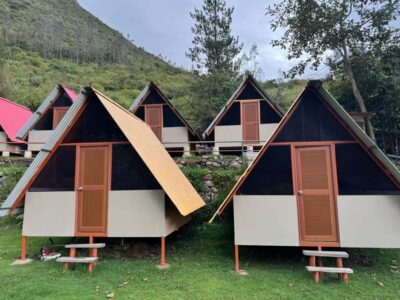
This is a 6-day trek with 5 nights of private comfortable accommodation during the trekking portion. That matters because it keeps you from doing the “constant packing” thing. You’ll still carry your own essentials, but the plan covers where you’ll sleep.
About meals: the trek includes all meals (breakfast, lunch, dinner) during the trek for the full package. That’s a big deal on treks because food availability and meal timing at altitude can affect how you feel on the trail. If you’re choosing this trek, I strongly recommend planning around those included meal times so you’re not hiking on empty energy.
You should also expect that soft/hard drinks aren’t included, and you’ll have personal expenses along the way (like phone calls, battery recharges, and shower costs). The walk is remote enough that “extra comforts” come with extra costs.
Price and Value: Is $179 Fair for a 6-Day Langtang Trek?
At $179 per person, the price looks budget-friendly for a real multi-day trek with permits and structured support. The value gets better when you see what’s included: hotel pickup/drop-off, trekking permits plus necessary paperwork and the TIMS fee, taxes, and staff costs (meals, accommodation, salary, equipment, insurance, transportation).
You’re also getting an authorized guide included. A key detail: porter charges are extra, which gives you a choice depending on your comfort level and fitness. If you’re doing your first long trek, I’d personally consider a porter, because it reduces fatigue and makes altitude feel less like a battle.
Transportation is shared (bus/private as per the number of people), so you’re not paying for a private driver all the way. That keeps costs down, but it also means you’re tied to shared timing.
So is it fair? For me, the best sign is that the trek isn’t “just a route.” It includes permits and administration, plus guide support through the actual hiking days. That’s where many cheaper options fall short.
What to Bring (So You’re Not Miserable at 4,770m)
Bring the basics listed, then pack like you mean it. This trek’s elevation and early mornings make small items feel big.
You’ll want:
- Hiking shoes with real grip
- Layers, including a jacket
- Gloves and sunglasses
- Sunscreen
- Water (and a plan to keep drinking)
- Flashlight (for early starts and dark lodge halls)
- Sleeping bag
- Passport or ID card
- Trekking gear suited to mountain walking
And don’t skip the “boring” stuff. A lot of discomfort on treks comes from underestimating cold mornings or sun exposure. Even if the air is crisp, the sun can be sneaky.
Who This Trek Suits Best (and the One Thing to Be Honest About)
This trek suits you if you:
- Want a short, meaningful trekking window around Kathmandu
- Like culture stops (Tamang communities, monasteries, cheese tasting) paired with hiking
- Prefer a structured guide who helps you pace and handle logistics
It also fits first-timers better than you might think. In the comments, this has been described as a smooth first long trek experience with guides who stayed attentive and made the route feel less intimidating.
The one honest caution: if you’re not sure about altitude, or you’re wary of steep climbs, treat the Kyanjin Ri optional hike carefully. You can decide in the morning based on how you feel, but you should still go into the plan with the mindset that altitude is real.
Should You Book This 6-Day Langtang Trek?
If you want a Himalayan trek that’s both manageable and memorable, I’d book it—especially if you’re excited by Tamang culture and the idea of reaching Kyanjin Gompa. The route gives you that high-mountain sense of place without requiring a huge time commitment.
Book if you:
- Are okay with walking days that include some elevation gain
- Want optional challenge via Kyanjin Ri rather than a forced push
- Prefer a trek where a guide can adjust to your pace
Before you confirm, ask yourself one question: Are you ready to take altitude seriously even if you feel okay at first? If your answer is yes, this trek is a strong match. If not, you can still enjoy Langtang—but you should be conservative with any extra climb.
One more practical tip: if Kyanjin Ri is in your plans, you’re chasing early light and clear views. Choose your season with care, and bring layers for cold mornings.
FAQ
What is the duration of the trek?
The trek is 6 days in total, starting from Kathmandu and finishing with your return to Kathmandu.
How much does the trek cost?
The price is $179 per person.
Does this include a guide?
Yes. You’ll have an authorized English-speaking guide. A porter can be added, but porter charge is extra.
Is Kyanjin Ri part of every day?
No. The Kyanjin Ri hike is optional. The route also includes a hike from Kyanjin Gompa to Thangsyap (after the optional Kyanjin Ri).
What’s included in the trek package?
Included items cover hotel pickup and drop-off, trekking permits and paperwork (including TIMS fee(s)), private comfortable accommodation for 5 nights during the trek, and all meals (breakfast, lunch, dinner) during the trek for the full package.
What should I bring for the trek?
Bring passport or ID card, sleeping bag, flashlight, sunscreen, hiking shoes, gloves, water, jacket, trekking gear, and sunglasses.
Are alcohol and drugs allowed?
No. Alcohol and drugs are not allowed.