REVIEW · KATHMANDU
Manaslu Circuit Larkya Pass Trekking 13 days From Kathmandu
Book on Viator →Operated by Three Jewels Adventures · Bookable on Viator
Manaslu feels like a slower trek in high country. This 13-day trek through Nepal’s controlled Manaslu Restricted Area gives you a calmer feel than many nearby routes, plus real chances to connect with villages. I also like the view-focused routing toward the Larkya La crossing and the big mountain moments along the way.
The trade-off is logistics and effort. You’ll do a long jeep transfer on mostly unpaved roads, and you need to be ready for a tough high-pass day even with built-in acclimatization rests. If you’re expecting easy walking every single day, this trip will remind you the Himalaya does not do shortcuts.
In This Review
- Key highlights worth your attention
- Why Manaslu’s restricted area changes the whole vibe
- The 13-day rhythm: from Kathmandu paperwork to the last jeep into Besisahar
- Day 1 in Kathmandu: permits first, trekking second
- Day 2: jeep to Khorla Besi (the long start you shouldn’t ignore)
- Days 3–5: entering the restricted region and walking through changing villages
- Day 6: a day built around the view of Mt Manaslu
- Days 7–8: Samagaun via a less-trekked route, then acclimatization
- Days 9–10: Samdo and Virendra Lake, then the pass approach with wildlife odds
- Day 11: early crossing over Larkya La, then down to Bimthang
- Day 12: linking up with the Annapurna Circuit near Dharapani
- Day 13: jeep back to Kathmandu via Besishahar
- Guides, small teams, and the human touch that matters
- What’s included, what isn’t, and how to budget like a grown-up
- Larkya La logistics and altitude reality checks (without the drama)
- When this trek is a great fit (and when to skip it)
- Should you book the Manaslu Circuit Larkya Pass trek?
- FAQ
- How long is the Manaslu Circuit Larkya Pass trek?
- Where does the experience start?
- Do I need a special permit for this route?
- Is pickup included?
- What meals are included?
- Are hot showers included?
- What is the maximum group size?
- How much notice do I need to cancel for a full refund?
Key highlights worth your attention
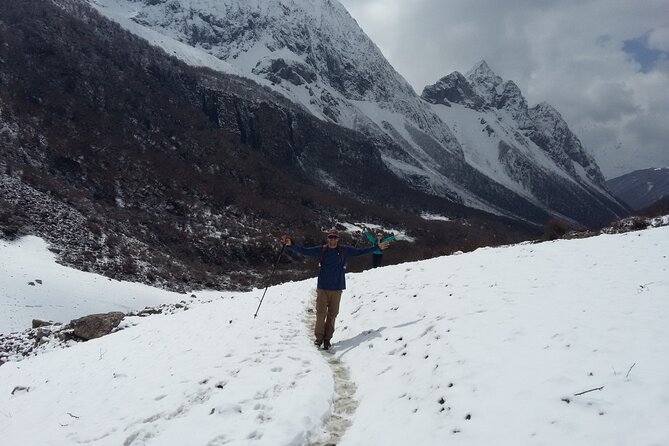
- Restricted-area trekking keeps things quieter than the more famous Annapurna routes
- Glacier-side option to Samagaun is designed for strong mountain views with less crowding
- Virendra Lake and wildlife spotting chances add variety between the big altitude stages
- Small group size (max 15) helps you keep things organized without a massive crowd feel
- Two major transfer days by jeep matter for comfort and timing
Why Manaslu’s restricted area changes the whole vibe
Manaslu is famous for a simple reason: it offers classic Himalayan trekking without the constant traffic you see on more public routes. In this itinerary, the trekking runs inside the controlled Manaslu area, and that control shows up as a more open, quieter trail. You still get the wow factor of big scenery and mountain villages, but the days feel less like moving through a line and more like walking your own rhythm.
I love how this kind of access also pushes the trip toward “human scale” travel. You pass through older settlements and you spend time in places where people actually live, not just places built to host hikers for one season. That’s the cultural side of the Manaslu Circuit: it’s not just about reaching a pass. It’s about moving through villages where life continues whether or not you’re there.
One more practical win: less crowding can make it easier to manage your own pace. When you’re hiking at higher altitude, feeling rushed is the last thing you want. This route is set up to help you keep control of your day, especially with rest and acclimatization time built in.
You can also read our reviews of more tours and experiences in Kathmandu.
The 13-day rhythm: from Kathmandu paperwork to the last jeep into Besisahar
This trek moves in a clear sequence: you start with Kathmandu admin, you ease into the walking with a major road transfer, you build altitude steadily with a strong acclimatization pause, and you finish with a long but straightforward descent by jeep back toward Kathmandu.
Here’s what you can expect, day by day, and what each section tends to feel like.
Day 1 in Kathmandu: permits first, trekking second
Your first day is about setup. You meet at the airport or meeting point, then collect the necessary documents for the Manaslu Restricted Area Permit. For a controlled region trek, this paperwork matters, and doing it early saves stress later.
The day starts early. The listed start time is 12:15 am, so plan for a very early wake-up, even if your flight times or transfer details vary. If you hate rushing on travel days, this is the place to fix that mindset fast.
Day 2: jeep to Khorla Besi (the long start you shouldn’t ignore)
Day 2 is a big “get there” day. Because a lot of the road isn’t paved, you take a jeep to the trekking start point, Khorla Besi. Expect about 7–8 hours on the road.
This is where comfort planning pays off. Unpaved roads can feel bumpy and tiring, and that fatigue can be the difference between starting the trek feeling sharp or feeling half-ready. Bring what you need for motion comfort, and keep expectations realistic: this day is mostly about transportation, not scenery.
Days 3–5: entering the restricted region and walking through changing villages
On Day 3, you enter the restricted Manaslu area, and the trek continues with your guide and staff. This matters because the region access is part of the experience. You’re not just hiking in a generic mountain area; you’re doing the Manaslu Circuit as it’s meant to be done.
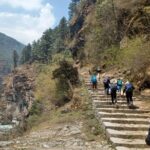
Day 4 keeps the trekking going, and the focus is on how the environment shifts as you climb—different vegetation and settlements start to appear. That gradual change is one of the reasons Manaslu feels so varied within a single circuit.
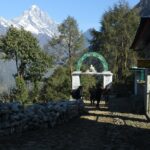
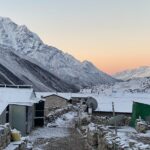
Day 5 takes you to Namrung. It’s a nice “culture + trail” day, with the trek continuing in the restricted area and passing beautiful old villages along the way. This is the stretch where the trip starts to feel like a real route through communities, not a sequence of checkpoints.
Day 6: a day built around the view of Mt Manaslu
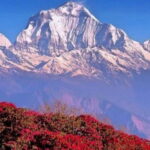
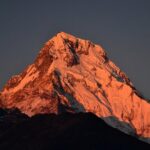
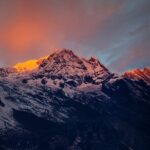
Day 6 is described as an amazing view day for Mt Manaslu. Even when the trail is busy enough to fill your head, these kinds of moments change the emotional temperature of the trek. It’s the day that reminds you why the effort is worth it.
Practically, treat this as a cue to manage your energy earlier in the day. When the views are the point, you’ll want to arrive alert enough to actually take them in.
Days 7–8: Samagaun via a less-trekked route, then acclimatization
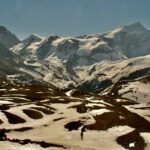
Day 7 brings you to Samagaun through a less-trekked alternative route. The standout detail here is that the route goes through the glacier area, and it’s designed for Manaslu view quality. It’s also noted as a route that’s less crowded. The trek time listed for Day 7 is about 6 hours, which gives you a decent arrival buffer.
On Day 8, you rest for acclimatization at Samagaun. You also get an optional visit to a monastery or village. This kind of planned rest day is more than schedule padding. At altitude, it’s what lets you keep your body calmer so you can enjoy the next stages instead of surviving them.
Days 9–10: Samdo and Virendra Lake, then the pass approach with wildlife odds
Day 9 includes half-day easy trekking and half-day rest. On the way, you visit Virendra Lake. That combination is ideal: you keep the trekking light enough to avoid overcooking your fatigue, and you still get a real extra place to visit rather than just “walking to the next bed.”
Day 10 focuses on the Larkya La pass area, again with half-day trek plus half-day rest. You may also be able to see marmot and blue sheep. Wildlife sightings in the Himalaya tend to be hit-or-miss, so don’t build your whole day around it. But having those odds is a nice reminder that the trail has its own tempo, not just your footsteps.
Day 11: early crossing over Larkya La, then down to Bimthang
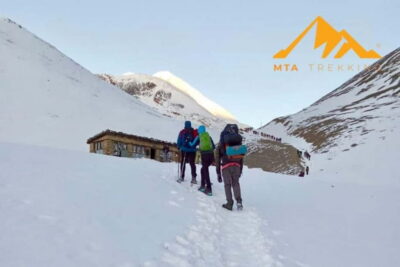
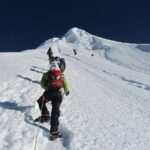
Day 11 is the tough one. You start early and cross Larkya La, then trek down to Bimthang. The listed trekking time is about 9 hours, and this is framed as an adventurous, full-of-fun day even though it’s challenging.
What helps here is preparation. Start early, move steadily, and don’t race your breathing. The pass is the headline, but the descent matters too. Going down can feel easier mentally, yet it still demands strong legs and careful footing.
Day 12: linking up with the Annapurna Circuit near Dharapani
Day 12 shifts the vibe. You trek to Dharapani and meet the Annapurna Circuit Trail. Annapurna is one of the Himalaya’s famous trekking corridors, and connecting with it can feel like stepping into a more established network.
The listed trek time is about 8 hours. This day is a good “bridge” between the big pass effort and the final transport home.
Day 13: jeep back to Kathmandu via Besishahar
Day 13 finishes with a jeep drive back to Kathmandu via Besishahar. You’ll stop for lunch before arriving at your hotel, and the day’s listed drive time is about 9 hours.
This is a long ride, but it’s the kind that feels like closure. After days of walking and altitude management, you’ll likely appreciate getting your feet out of hiking boots, even if you’ll still feel it in your body.
Guides, small teams, and the human touch that matters
This trip is run by Three Jewels Adventures, and one thing that pops through the experience is the focus on clear communication and professional guidance.
If you want a practical example, the operator’s communication was described as helpful through Amber Tamang before the trek even started. That kind of pre-trek clarity helps you show up with the right expectations, and trekking goes better when you’re not guessing.
On the mountain side, guides such as Nursang Sherpa and Pemba were praised for knowing the environment and customs and for being friendly but professional. That combination matters more than people think. You want someone who can read conditions and still keep you calm and moving at a safe pace.
Also, the group size is capped at 15 travelers. On a remote trek, that keeps things from feeling like a moving festival. And if you book solo, you may end up forming a team with your guide and porter, and you can also get matched with other people for shared jeep rides. So you’re not automatically alone in the logistics.
What’s included, what isn’t, and how to budget like a grown-up
You’re paying $1,560 per person for a guided, high-value circuit trek. The most important value driver isn’t the walking. It’s the access and the on-the-ground support: the restricted-area permit requirements, the trekking guide and staff, and the meals that keep you fueled.
Meals included:
- Breakfast: 11
- Lunch: 12
- Dinner: 11
That’s solid coverage for a 13-day trek. Still, it’s not every single meal on every day, so you should expect to handle some costs on your own.
Not included:
- Beverage drinks
- Hot shower
- Emergency expenses
- Tips
- Personal nature expenses
- Travel insurance
- Private transportation
Two budgeting points that people often forget:
1) Hot showers may not be part of your comfort plan. The trip doesn’t promise them, so your expectations should match reality.
2) Travel insurance is not included, and emergency expenses aren’t covered. If something goes wrong at altitude, you’ll be glad you handled that before you left home.
Larkya La logistics and altitude reality checks (without the drama)
Larkya La is the headline pass, and this itinerary handles it with the right structure: rest days and lighter trekking sections before the crossing.
You get acclimatization built into the plan at Samagaun (Day 8), plus a lighter day at Virendra Lake (Day 9) and a half-trek/half-rest pass approach on Day 10. That sequence is exactly what you want before a tough day, especially if you’re not deeply experienced at altitude.
One consideration: the tour is best suited for moderate physical fitness. That’s not “casual walk in the park” fitness. It’s more like steady hikers who can handle long days and a big pass crossing without breaking down.
When this trek is a great fit (and when to skip it)
This is a great fit if you:
- Want a less crowded feel thanks to controlled-area access
- Like cultural village trekking, not just scenery photos
- Can handle a long jeep day and a tough high-pass day
- Prefer a small-group guided experience with real support
You might want to look for something else if:
- You need guaranteed hot showers and lots of comfort upgrades
- You hate early starts (the schedule is early, especially Day 1)
- You’re not comfortable with moderate fitness requirements and altitude stress
Should you book the Manaslu Circuit Larkya Pass trek?
If your idea of a great Himalayan trek includes quiet trails, classic village life, and a big challenge that feels earned, I’d lean toward booking this. The value is strong because you’re not paying just for scenery. You’re paying for access to a controlled region, a guided setup, and meals that keep you moving.
Book it if you’re ready to work a bit on the tough days, and if you plan smart for the parts not included (drinks, hot showers, insurance, and personal expenses). If that sounds like your style, you’ll likely come away with a trek that feels both rugged and human—exactly what Manaslu is known for.
FAQ
How long is the Manaslu Circuit Larkya Pass trek?
The trek runs about 13 days.
Where does the experience start?
It starts in Kathmandu, with meeting at the airport or meeting point on Day 1.
Do I need a special permit for this route?
Yes. You’ll collect documents for the Manaslu Restricted Area Permit in Kathmandu, and the trek enters the restricted area with your guide and staff.
Is pickup included?
Pickup is offered.
What meals are included?
You get 11 breakfasts, 12 lunches, and 11 dinners.
Are hot showers included?
No, hot shower is not included.
What is the maximum group size?
The maximum number of travelers is 15.
How much notice do I need to cancel for a full refund?
You can cancel up to 3 days in advance for a full refund. If you cancel less than 3 full days before the start time, the amount paid will not be refunded.