REVIEW · POKHARA
Pokhara: Poon Hill Ghorepani Short Trek
Book on Viator →Operated by Fewa Trail Treks and Expedition Pvt Ltd · Bookable on Viator
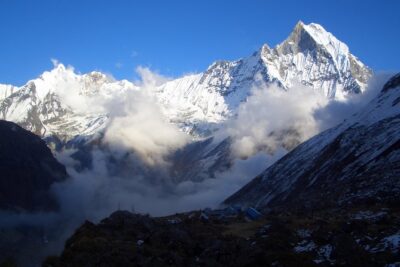
Sunrise over the Annapurnas feels ridiculously close. This short trek is one of the most practical ways to reach classic Himalayan views without a huge time commitment, and you get private tour attention with your local guide, often including Dodi, who’s calm, caring, and quick to respond. I also love that this route is designed for busy schedules: walk all day, sleep in simple guesthouses, and still make it back in time to enjoy Pokhara after. One consideration: you’ll start early—Day 3 begins around 4:00 AM to catch Poon Hill at sunrise.
What makes this experience click is the built-in value and the smooth logistics. I like that trekking permits and national park fees are included, so you’re not doing last-minute scrambling at the wrong moment, and you also get hotel pickup plus return transfers by sharing jeep or bus. Another plus is the balance of effort and reward: the trek is described as moderately difficult, so it’s serious enough to feel like a mountain trip, but still doable for active people.
The main drawback isn’t the hiking—it’s what you need to plan for outside the package. Food and drinks aren’t included, so expect to budget for meals along the way, and you’ll want to bring layers because early starts can feel cold even when the sun later warms things up.
In This Review
- Key points to know before you go
- Pokhara to the Annapurnas: a short trek with real mountain payoff
- Day 1: from Pokhara drives to Tadapani’s quiet foothill feel
- Day 2 Ghorepani: forests, hill farms, and your first sustained views
- Day 3 Poon Hill: the 4:00 AM start that turns into a panoramic moment
- What’s included in the $290: the value math that matters
- Guide care and safety: why attention makes the difference
- How hard is it, and what you should bring?
- Should you book this Poon Hill Ghorepani short trek?
Key points to know before you go
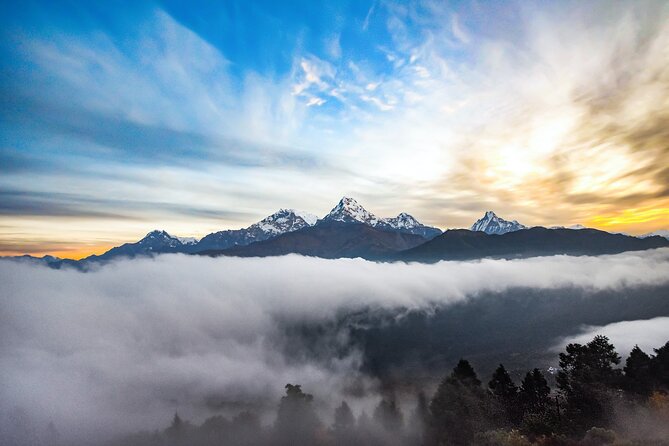
- Poon Hill sunrise at 3,210 m: early wake-up for a panoramic Annapurna view moment.
- Permits and park fees included: ACAP and TIMS are covered, plus national park fees.
- 2 nights in guesthouses: simple lodging along the trek route.
- A local guide who pays attention: guides like Dodi are described as friendly, caring, and attentive.
- Day 1 transfer-heavy: drives from Pokhara through Nayapul toward the trail head.
- Food isn’t packaged: you’ll buy meals and drinks during the trek.
Pokhara to the Annapurnas: a short trek with real mountain payoff
This is the kind of trek that makes sense if you’re in Pokhara and want Himalaya views without committing to a long multi-week itinerary. The walking is spread across three days (about 3 days total), with two nights of accommodation in guesthouses, so you’re not bouncing around nonstop.
The other reason it works well is that you’re not doing the planning puzzle yourself. Hotel pickup and drop-off are part of the deal, plus round-trip transfers by sharing jeep or bus. And because it’s a private tour, your group is the only one participating, so the pacing and stops tend to match your own energy level more closely.
Difficulty-wise, this trek is described as moderately difficult and aimed at active travelers. That usually means you’ll feel it in your legs, but you’re not signing up for technical scrambling or constant steep wall-like climbs. If you can handle uphill walking for hours at a time and you’re comfortable with early mornings, this is a strong match.
You can also read our reviews of more tours and experiences in Pokhara.
Day 1: from Pokhara drives to Tadapani’s quiet foothill feel
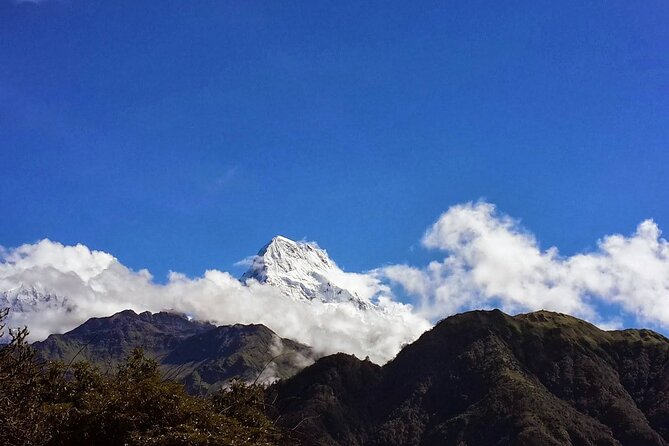
Day 1 starts with a straightforward meet-up at 8:00 AM at your hotel lobby in Pokhara. From there, you’ll take a scenic drive through the highway to Nayapul (around 1.5 hours), then continue by off-road drive toward Kimche in a sharing jeep (around 1 hour). That mix of road and trail is a big part of why this trek is so convenient.
Once you begin walking toward Tadapani, the day becomes about settling into the rhythm. You’ll trade the city atmosphere for mountain air and village paths, and the trek time for this day is listed as about 7 hours. You don’t need to think like a speed-hiker here; the value is in moving steadily, taking breaks when you need them, and letting the scenery build.
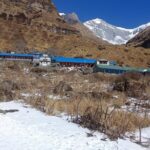
Tadapani is where you sleep, in a guesthouse. Expect basic comfort rather than luxury, but that’s also what keeps costs reasonable and makes it feel like an authentic trekking route instead of a sightseeing bus tour.
A practical consideration for Day 1: because the day begins with driving, it can feel longer than you expect. Wear good walking shoes, and keep your first-day pace easy. If you start out too fast, you’ll notice it more than you think by the time you’re close to the end of the hike.
Day 2 Ghorepani: forests, hill farms, and your first sustained views
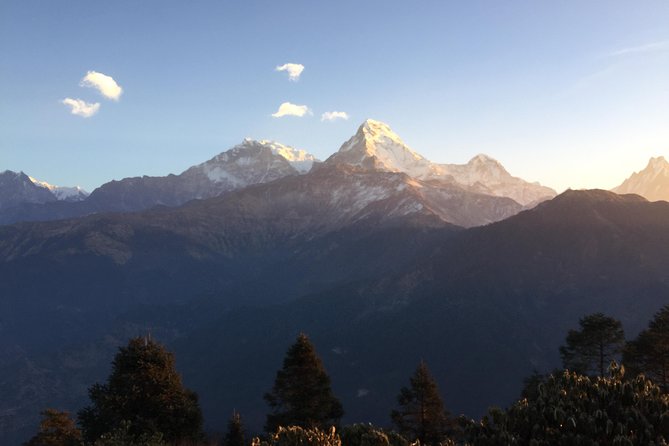
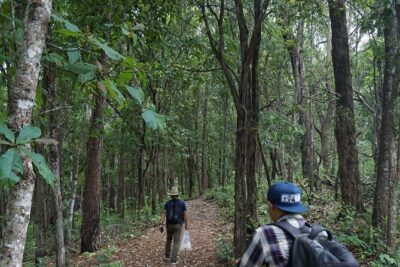
Day 2 is built around a classic trekking arc: a long walk through wooded sections, then increasingly open mountain scenery as you approach the Ghorepani area. The itinerary describes about 6 hours of trekking through forests and around beautiful Annapurna views and green hill country.
This is the day I’d call your “hang in there” day in a good way. You’ll likely spend time in stretches where the trail is gentle enough to enjoy the walking, but long enough that you’ll want your body warmed up. It’s also the day where the views can start to shift from occasional glimpses into something more consistent, which helps you feel like you’re earning the sunrise on Day 3.
Overnight is at a guesthouse in Ghorepani. This matters because Ghorepani is where you’ll position yourself for Poon Hill the next morning. Staying here keeps the early start realistic—without it, you’d need a much more complicated schedule.
If you’re sensitive to altitude or you’re not used to mountain walks, Day 2 is when you should pay attention to your breathing and hydration. The itinerary doesn’t spell out altitude profiles beyond Poon Hill’s height, so treat the route like a gradual acclimation day: steady steps, regular water, and no heroics.
Day 3 Poon Hill: the 4:00 AM start that turns into a panoramic moment
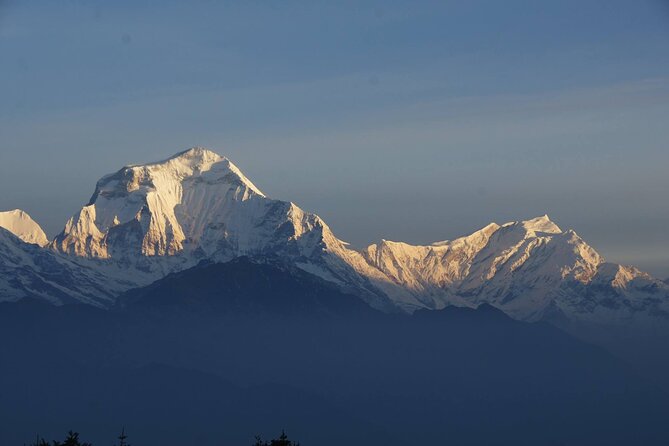
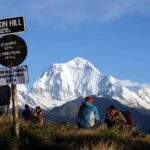
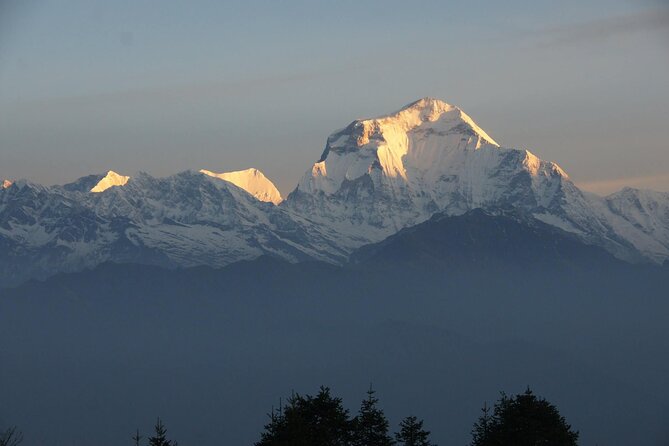
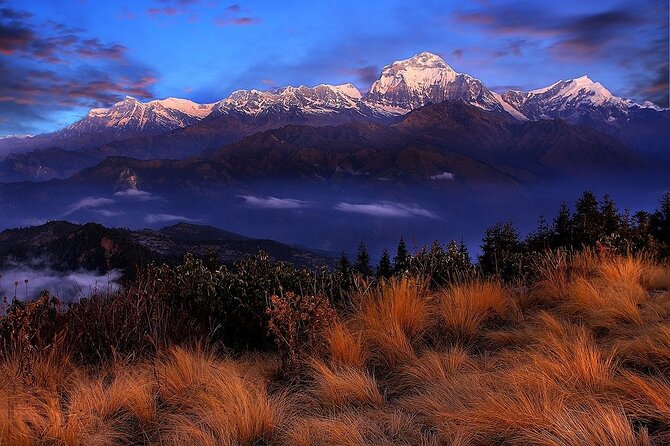
Day 3 is the headline. You’ll wake up at 4:00 AM and trek about 45 minutes to reach the top of Poon Hill at 3,210 meters for sunrise. That early push is the trade-off for getting the kind of wide-open views people remember for years.
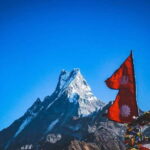
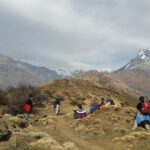
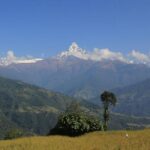
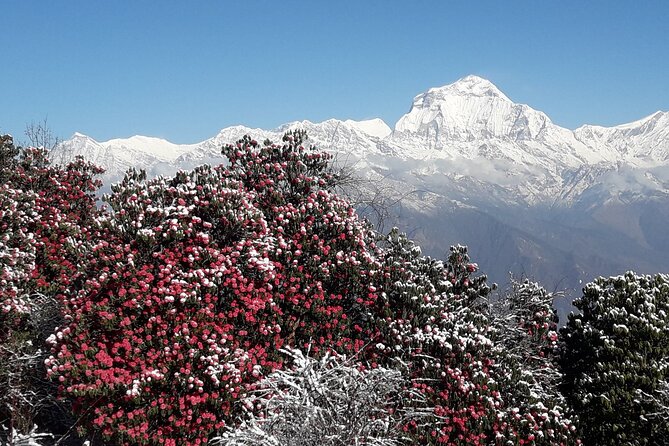
Once you’re up there, the reward is panoramic views across the Annapurna ranges. The description specifically emphasizes sunrise, and that’s a big deal because the timing changes the light dramatically—valleys, ridgelines, and peaks look different from one minute to the next.
After the view time, you descend back to Ghorepani. The itinerary notes collecting your belongings afterward, but it doesn’t list a long afternoon extension beyond the trek back down. Translation: your day is mostly about the sunrise moment plus the walk down, which is ideal if you still want energy for Pokhara after.
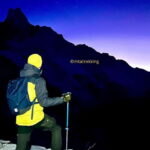
My practical advice for Poon Hill morning: plan to dress in layers. Even if the trail gets warmer as the sun rises, the pre-dawn start can feel chilly. If you’re the type who runs cold, bring extra insulation for the top, and keep something warm in your day bag so you don’t have to keep opening and closing layers.
What’s included in the $290: the value math that matters
At $290 per person, this trek isn’t priced like a bare-bones DIY hike. What you’re paying for is the full structure: lodging, guides, permits, and transport—plus you don’t have to coordinate a bunch of separate services.
Here’s the value breakdown based on what’s included:
- 2 nights accommodation in guesthouses
- Trekking permit fees including ACAP and TIMS
- National park fees covered (included in the overall package)
- Professional trekking guide and a private tour
- Hotel pickup and drop-off
- Round-trip transfers by sharing jeep or bus
That combination is the sweet spot. Permits and park fees are easy to underestimate when you’re planning, and guide support is the main reason this feels safe and smooth on a short schedule. The fact it’s a private tour also changes the experience: your guide can respond to your pace without having to match a bigger mixed group.
What’s not included is equally important: food and drinks aren’t packaged. You’ll be buying meals along the route. This doesn’t make the trek a bad deal—it just means you should budget for it up front so the final cost doesn’t surprise you.
Also worth noting: you’ll receive a mobile ticket, and the tour offers pickup. Those small logistics things matter more than people think when you’re doing a time-sensitive short trek.

Guide care and safety: why attention makes the difference
The trek is designed for safer travel with a local guide who knows the landscape and culture, plus how to respond in an emergency. That might sound like standard language, but the reason it feels real is how your guide manages the human side of a trek.
In the reviews, Dodi comes up as a standout guide: friendly, caring, professional, and attentive to needs. The best kind of guiding is present-but-not-pressure. In other words, he doesn’t hover, and he gives you space when you need time—while still being there if something needs adjusting.
For you, that means the trek is less about managing everything alone and more about walking and enjoying the experience. You’re not trying to translate signs, figure out timing, or guess whether a route makes sense in changing conditions. Even on a well-known trek like Poon Hill, a capable guide helps keep things calm.
If you’re someone who worries about hiking basics—finding the right rhythm, knowing when to rest, or feeling confident about what comes next—this kind of guide attention is exactly what you want.
How hard is it, and what you should bring?
This is a moderately difficult trek, best for active people. The walking time is split across about two hiking-heavy days (roughly 6 hours Day 2, and about 7 hours Day 1, plus the Poon Hill push and descent on Day 3). That’s not effortless hiking, but it’s not an all-day grind every single day either.
Since the itinerary includes early sunrise timing and a high point at 3,210 meters, your comfort will depend on preparation. I’d plan for:
- Layers for pre-dawn cold and daytime warmth
- Good hiking shoes with traction
- A day bag for water and layers during the climb to Poon Hill
- Any personal basics you need, since meals and drinks are purchased along the route
Also, know the tour sets expectations: a moderate physical fitness level is recommended. Children must be accompanied by an adult, and the minimum age is 5 years, which tells you the operator expects families to be able to handle the basics—though this still won’t be a stroller-style hike.
If you’re worried about stamina, choose an easy pace on Day 1 and don’t try to “save energy” by rushing later. Your legs will feel the early start on Day 3 no matter what.
Should you book this Poon Hill Ghorepani short trek?
I’d book it if you want the classic Annapurna sunrise experience with minimal planning stress. The big reasons are straightforward: permits and park fees are included, you get 2 nights in guesthouses, and the logistics are handled with pickup, guides, and transfers. If you’re short on time but want your trip to feel like more than a day trip, this is a smart way to do it.
You should think twice if you hate early mornings or you’re trying to keep food costs tightly controlled, since food and drinks aren’t included. Also, if you’re not comfortable with a moderately difficult schedule, you may prefer a gentler route around Pokhara.
One more decision tip: if sunrise matters to you, this itinerary is built around it. Day 3 is specifically timed to get you to Poon Hill early enough for the panoramic moment, not just for a casual viewpoint.
As for flexibility, you can cancel up to 6 days in advance for a full refund, with partial refunds if you cancel closer in. That gives you some breathing room if your dates are still slightly moveable.
If your goal is a short trek that feels genuinely Himalayan—sunrise, mountain views, village walking, and a guide who keeps things organized—this one is worth your attention.