REVIEW · KATHMANDU
Everest Base Camp trek 12 days from Kathmandu
Book on Viator →Operated by Breakfree Adventures Pvt. Ltd. · Bookable on Viator
Everest Base Camp feels real on this route, not just on your camera roll. You hike up through Namche Bazaar and into the Khumbu world, with Kala Patar giving a high-altitude viewpoint that can turn a long day into a proud one.
Two things I especially like: the itinerary builds in acclimatization stops (so you’re not just climbing because a calendar says so), and the trip includes core logistics like meals, guesthouse stays, permits, and even key cold-weather gear like a sleeping bag and down jacket. The one drawback to think about up front: the start-and-flight system can be intense, especially in peak months when Lukla flights run from Ramechhap and you’re looking at a very early drive or an overnight plan.
In This Review
- Key highlights worth knowing
- Everest Base Camp trekking plan that actually makes sense
- Kathmandu to Lukla: the first altitude lesson starts immediately
- Namche Bazaar: the gear town and the acclimatization anchor
- Tengboche Gompa: culture and calm at 3,860m
- Dingboche and the high-altitude breathing game
- Lobuche: pushing higher while keeping your pacing honest
- Gorak Shep to Everest Base Camp: the classic big day
- Kala Patthar: the big viewpoint that earns its reputation
- Back down to Namche and the final flight system
- Price and Logistics: what your $1,600 is buying you
- The Ramechhap wrinkle in peak season (and how to plan for it)
- Included support on the trail: guide, meals, and daily rhythm
- What you should pack (because inclusion has limits)
- Who this trek fits best
- FAQ
- What is the total duration of the Everest Base Camp trek?
- Do I fly from Kathmandu to Lukla?
- How do I handle the Ramechhap flight change in peak season?
- What meals are included during the trek?
- Is lodging included, and what kind?
- What trekking gear is provided?
- Is rescue, evacuation, or helicopter support included?
- Is a porter included?
- Should you book this Everest Base Camp trek?
Key highlights worth knowing
- Ramechhap contingency in peak seasons can change your departure rhythm from Kathmandu.
- Acclimatization days at Namche and near Dingboche help you climb with more sense than panic.
- Tengboche Gompa adds culture and calm to the high-altitude effort.
- Everest Base Camp plus Kala Patar in two big pushes is a classic combo that rewards stamina.
- Guesthouse trekking with included meals keeps your budget predictable once you’re on the trail.
Everest Base Camp trekking plan that actually makes sense
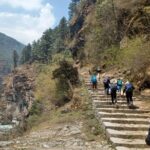
This 12-day Everest Base Camp trek is built for people who want the big icons—Everest Base Camp, Khumbu Glacier areas, and the big-view payoff at Kala Patar—without trying to cram every day into a suffering contest. You move along the classic Khumbu path: first down in the valley, then steadily higher, with rest and acclimatization threaded in where altitude makes those choices matter.
You’ll also spend real time in the places that make Everest feel like a community trek. Namche Bazaar is your gear-and-supplies hub. Tengboche Gompa is where the route slows down, with prayer flags and a sense of rhythm that feels different from the trail-only vibe.
And yes, there are long days. But they’re long in a way that’s structured, with enough recovery stops to keep you moving forward rather than just surviving the schedule.
You can also read our reviews of more tours and experiences in Kathmandu.
Kathmandu to Lukla: the first altitude lesson starts immediately
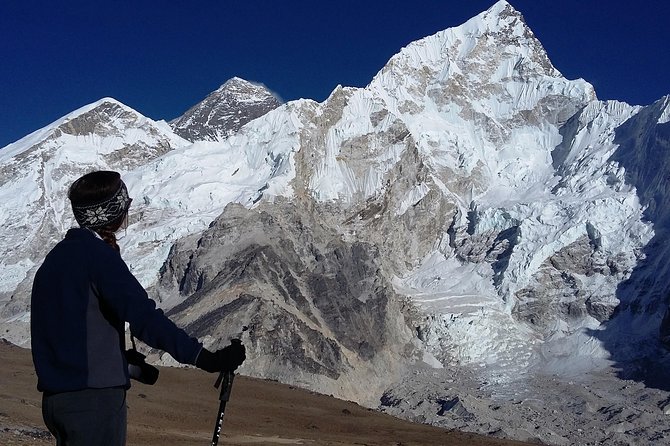
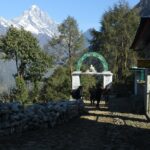
Your trek kicks off with a flight to Lukla (about 40 minutes). After landing, you hike to Phakding at roughly 2,652m, usually taking around 3–4 hours depending on your pace. This is the day where you learn two things fast: you’ll feel the altitude even before you’re “high,” and the trail is wide enough for steady walking rather than technical scrambling.
Phakding is a gentle on-ramp. It’s also a good place to get your layering system right because temperatures can shift quickly once you’re up in the Khumbu.
One practical tip: keep your first day slower than you think you need. Even if it feels easy, save some energy for the heavier altitude days later.
Namche Bazaar: the gear town and the acclimatization anchor
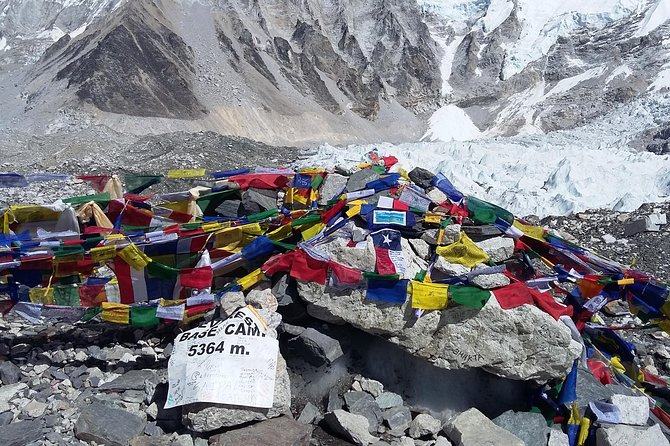
Day two takes you from Phakding to Namche Bazaar (up to about 3,440m), typically 6–7 hours. Namche is where the Everest trek stops being a hike through villages and starts feeling like you’re entering the gateway to expedition country.
Day three is your acclimatization day at Namche. You hike to the Everest View Hotel area around 3,900m (about 3–4 hours total time on the hike). This is not just for views, though you will get them. It’s for training your body: go up, feel it, rest properly, and come down with less panic the next day.
You can use Namche to catch up on basics too. Re-check boots, repair a strap, fill water carefully, and get your camera ready—because the next couple days can bring big scenery surprises.
Tengboche Gompa: culture and calm at 3,860m
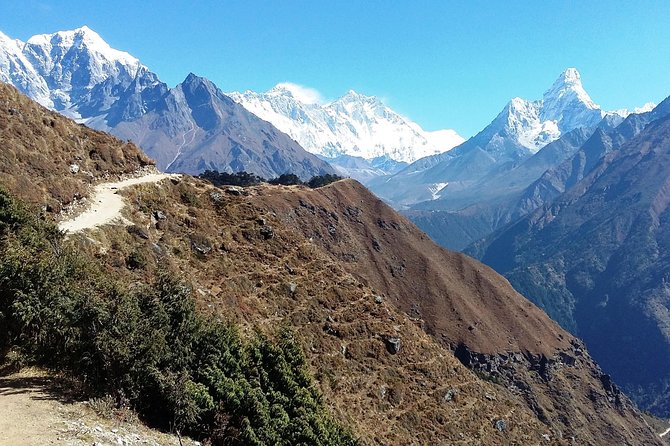
From Namche to Tengboche is usually a 5–6 hour trek, arriving around 3,860m. This is a key moment on the route because the scenery opens up and Tengboche Gompa (Tengboche Monastery) gives the day a cultural center.
The gompa stop matters. It’s not just scenery decoration. It’s where you see how the region’s spiritual life fits into everyday trekking—prayer flags, quiet moments, and that distinct pause you rarely get in a purely outdoor itinerary.
If you’re hoping for the best light for photos, plan for the fact that the monastery area can get busy during peak hours. Walk with patience, and you’ll usually find a good moment even when the group energy rises.
Dingboche and the high-altitude breathing game
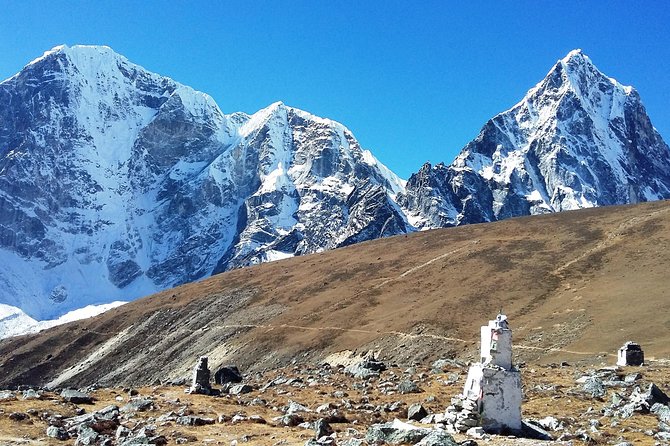
Day five goes from Tengboche to Dingboche (around 4,410m), often 5–6 hours. Dingboche is where altitude starts to feel like a job. You’ll notice it on stairs, in your breathing rhythm, and especially in how quickly you get tired when you rush.
Day six is another acclimatization day. You do a hike to Nagarjun hill around 5,100m (about 4–5 hours). The point here is smart progression: you gain height in a controlled way, then you still get to rest afterward. If you take this day seriously—slow pace, steady breathing, good hydration—it makes the next leg feel more doable.
A small mindset shift that helps: treat these acclimatization days as part of the trek achievement, not as extra waiting. You’re earning the right to keep climbing.
Lobuche: pushing higher while keeping your pacing honest
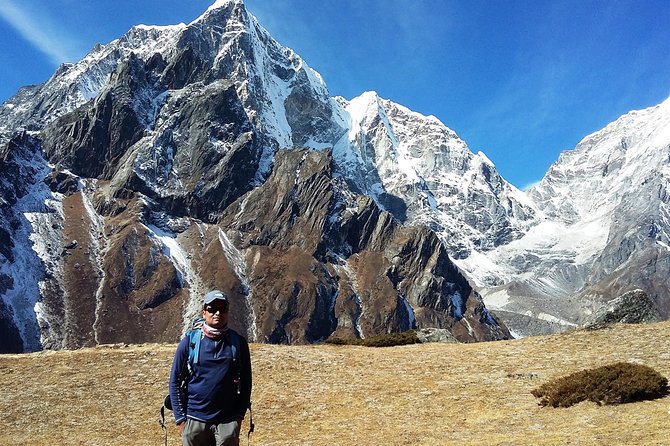
On day seven, you trek Dingboche to Lobuche, around 4,910m (about 4–5 hours). This stretch can feel longer than the clock suggests because your body starts asking for smaller effort chunks.
This is where you should commit to a conservative pace. If you find yourself trying to “win” the trail, altitude will usually correct you—hard. Walking slower often feels like doing less, but it keeps you safer and helps your appetite come back when you need it.
Gorak Shep to Everest Base Camp: the classic big day
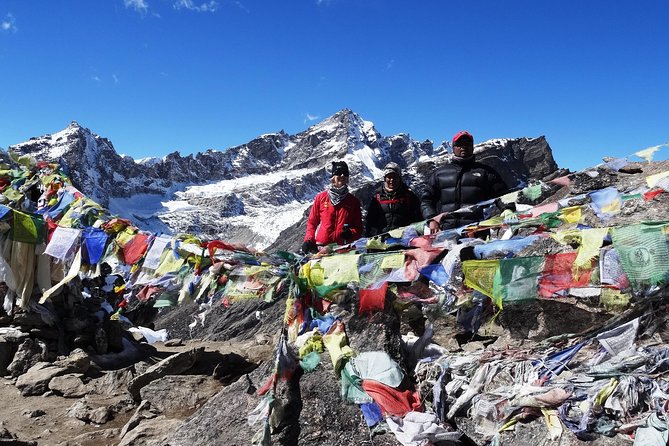
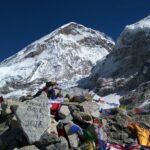
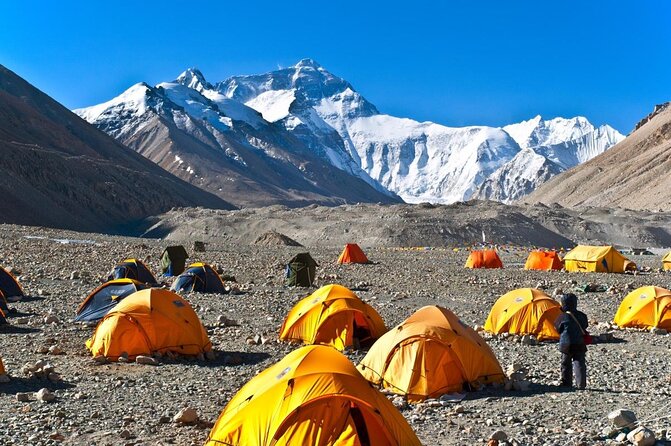
Day eight is one of the most memorable: you head to Gorak Shep and hike onward to Everest Base Camp (5,320m). The day is typically 7–8 hours total. Most people feel the day in waves: first the approach fatigue, then the excitement surge when the Base Camp area finally arrives.
This is the point where “Everest Base Camp” stops being a name and becomes a location. Even if the crowd energy can be a factor on peak routes, the scale and the setting hit in a physical way.
You’ll want to be deliberate about time at Base Camp. Take photos, but also rest your breathing. Then turn your energy toward the hike logic for the next day: Kala Patar is not something you rush.
Kala Patthar: the big viewpoint that earns its reputation
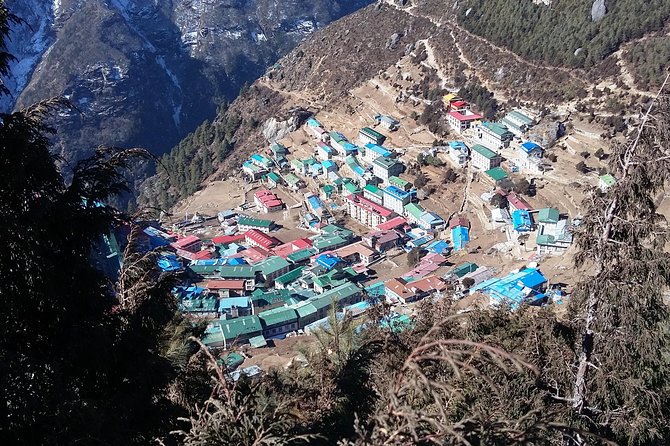
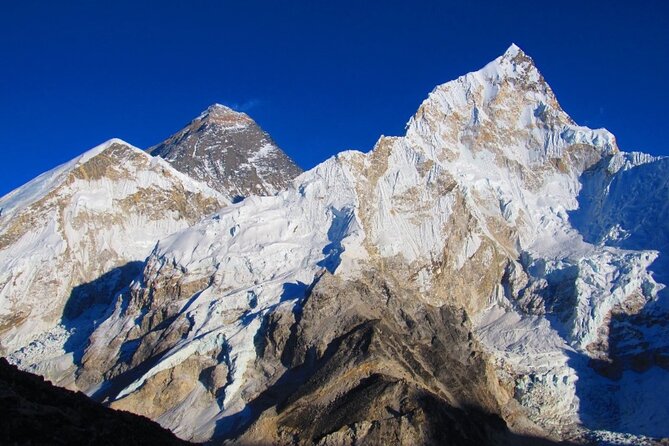
Day nine is a long one. You go from Gorak Shep to Kala Patthar (about 5,550m) and then down to Pheriche (around 4,371m), usually 6–7 hours. Kala Patthar is famous for a close-up feel to Everest and a wider panorama across Khumbu peaks.
Here’s the best practical advice: treat this as a cold-weather climb as much as a trekking day. Even if the air looks clear, temperatures at altitude can bite. Layers matter, and keeping your body warm during breaks is part of the plan.
Also, don’t rely on motivation alone. If you stop often to steady your breathing and keep your steps short, you’ll get there. If you sprint uphill because you’re excited, you’ll pay for it later on the descent.
Back down to Namche and the final flight system
Day ten brings you from Pheriche to Namche Bazaar (roughly 6–7 hours down to about 3,440m). This is mentally easier—altitude pressure drops—but it can still feel tiring on your legs. Watch your footing on downhill sections and keep your pace smooth.
Day eleven goes from Namche to Lukla (listed as about 6–7 hours), and day twelve finishes with your flight back to Kathmandu. Those last days are where you feel the full arc of the trek: the high altitude lessons fading, replaced by the satisfaction of getting through the toughest parts in good order.
Price and Logistics: what your $1,600 is buying you
At $1,600 per person for 12 days, the value depends on what you compare against. Here, the package covers several high-cost categories people often forget: flights to and from Lukla (and back), permits and fees, guesthouse stays on a twin-sharing basis, and full trekking meals (breakfast, lunch, dinner). It also includes a highly experienced government-licensed guide and trekking map plus a trek achievement certificate.
You’ll also get practical cold-weather gear: duffle bag, down jacket, sleeping bag, and walking pole. That can save real money compared to renting everything separately.
What you still have to manage yourself is where the budget can quietly expand: personal expenses, and drinks. Tea and coffee, bottle water, hot showers, and phone/internet are listed as personal expenses, not included. Tips for the crew are also not included.
So my advice on value: this price works well if you want less organizing stress and more time focused on the trail. If you already know exactly what gear you’ll carry and you’re comfortable building your own logistics, you might find cheaper options. But if you want a structured trek with fewer moving parts, this is aiming at that.
The Ramechhap wrinkle in peak season (and how to plan for it)
One big operational detail matters for anyone traveling in peak months (March–May and September–November). In those periods, Lukla flights may operate from Ramechhap Airport instead of Kathmandu due to air traffic.
Ramechhap is a 5–6 hour drive from Kathmandu. You have two options: either go to Ramechhap the day before and stay overnight, or leave Kathmandu at 1:00 AM on your flight day. Transfers are on a sharing basis.
Plan for this like a pro. If you hate super early starts, the overnight option may feel better. If you can handle early mornings, the 1:00 AM departure can be fine. Either way, this is the kind of detail that can make or break your first impression of the trek, so pick the option that matches your tolerance for chaos.
Included support on the trail: guide, meals, and daily rhythm
The trek includes a government-licensed guide, and that support usually shapes how smoothly your day goes. In past experiences with this kind of outfitter, one strength has been clear evening planning: a guide who gives an overview of the next day so you know what to expect and how to pace yourself.
That’s not a small thing. Everest trekking is a lot easier when your brain is not constantly guessing. If you want the trip to feel guided rather than improvisational, this structure helps.
Meals matter too. Having breakfast, lunch, and dinner handled during the trek makes it easier to keep a steady energy rhythm. You’ll still need to make smart choices at tea houses (you can’t out-eat altitude), but at least you’re not juggling restaurant hunting mid-route.
What you should pack (because inclusion has limits)
The tour includes key gear like a sleeping bag and down jacket. That’s useful for reducing the amount you have to carry from Kathmandu.
But since personal expenses and drinks are not included, your packing list should cover daily reality: water strategy, charging needs, and small comforts for long days. You’ll also want to dress in layers because mornings can be colder, and afternoon sun can still warm you up even at altitude.
Also, think about your body. Basic fitness is enough, but you’ll want to walk regularly in the weeks before you go. This is an effort-based trek, even with acclimatization built in.
Who this trek fits best
This trek is a good match if you have moderate physical fitness and you want the classic Everest highlights in a structured 12-day format. It’s also a solid choice if you want a guided experience with permits, meals, lodging, and core gear handled.
If you prefer a slow and thoughtful pace, you’ll likely enjoy the acclimatization rhythm at Namche and around Dingboche. If you’re chasing speed records or day-after-day grind without rest, this route may feel long.
It’s described as a private tour/activity where only your group participates. Still, you might share airport or transfer rides, so it’s not a fully isolated bubble.
FAQ
What is the total duration of the Everest Base Camp trek?
The itinerary is set for 12 days (approx.), starting with a flight from Kathmandu to Lukla and ending with a flight back to Kathmandu.
Do I fly from Kathmandu to Lukla?
You generally fly from Kathmandu to Lukla, but in peak seasons (March to May and September to November) flights to Lukla may operate from Ramechhap Airport due to air traffic in Kathmandu.
How do I handle the Ramechhap flight change in peak season?
You have two options: travel to Ramechhap the day before and stay overnight, or depart Kathmandu at 1:00 AM on the day of your flight. Transfers are on a sharing basis.
What meals are included during the trek?
Breakfast, lunch, and dinner are included during the trek.
Is lodging included, and what kind?
Accommodation is included during the trek at guest houses/lodges, based on twin sharing.
What trekking gear is provided?
The trek includes a duffle bag, down jacket, sleeping bag, and a walking pole.
Is rescue, evacuation, or helicopter support included?
No. Rescue & helicopter flight, insurance, and evacuation are not included.
Is a porter included?
Trekking porter is not included unless needed, as stated in the tour details.
Should you book this Everest Base Camp trek?
If you want a guided, structured route to Everest Base Camp and Kala Patthar without doing your own permits, flights, meals, and guesthouse research, this is a strong choice. The inclusion of flights, permits, meals, and key gear makes the $1,600 feel more like a real package than an expensive starting price.
Book it if you’re comfortable with early mornings and the possibility of Ramechhap logistics in peak season. Skip it (or ask lots of questions first) if you know you hate very early starts or you want fully self-managed trekking rather than a guided itinerary with set meals and stays.