REVIEW · SAPA
Sapa 3 Days Trek with 2 Nights Homestay
Book on Viator →Operated by Asia Travel Legend · Bookable on Viator
Rice paddies meet real village life.
This 3-day Sapa trek with 2 nights in a homestay turns the mountain views of northern Vietnam into a day-by-day route through ethnic villages, with an English-speaking guide and plenty of time to slow down and talk. You start in Sapa at 9:00am, walk between famous Sapa areas like Y Linh Ho and Ta Van, then finish back in Sapa Town.
I especially like two things. First, you get a private, personalized itinerary, so your guide can adjust the villages and walking pace after you meet. Second, the trip handles the big practical pieces: two homestays plus most meals (3 lunches, 2 dinners, 2 breakfasts), plus entrance fees and transport back to Sapa.
One consideration: this is still a trek. If you pick a tougher route option, you can expect steep climbs and muddy sections, so bring a mindset of footwork, not just photos.
In This Review
- Key highlights at a glance
- Why this Sapa trek feels different from a quick tour
- Day 1: Y Linh Ho to Ta Van Village homestay
- What to watch for on Day 1
- Day 2: Ta Van → Giang Ta Chai → Su Pan → Ban Ho
- Day 3: Ban Ho loop via Nam Toong and Thank Phu back to Sapa
- Homestays: the best part, with a reality check
- Why the included meals matter
- Guide quality: English-speaking storytelling you can actually use
- Timing and logistics: what the schedule really means
- Price and value: is $196.16 a fair deal?
- What to pack (so Day 1 doesn’t bully you)
- Who this trek suits best (and who should adjust expectations)
- Should you book this Sapa trek?
- FAQ
- What’s included in the Sapa 3 Days Trek with 2 Nights Homestay?
- Which villages and stops are part of the itinerary?
- What time does the tour start and where does it end?
- How many meals are included?
- Is drinks and beverage included?
- Is this tour private or shared?
- What is the cancellation policy?
Key highlights at a glance
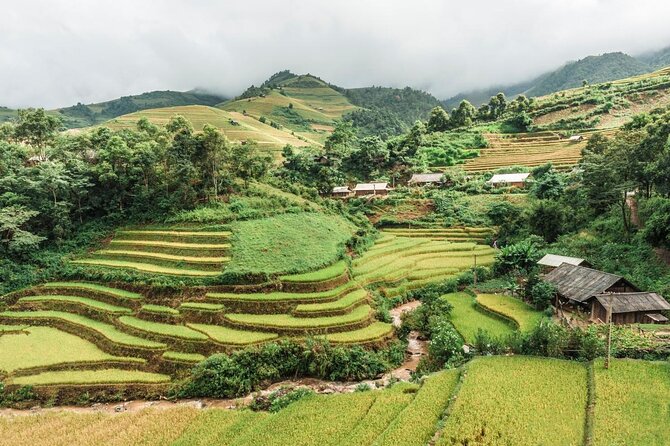
- Village-to-village route hitting Y Linh Ho, Ta Van, Giang Ta Chai, Su Pan, Ban Ho, Nam Toong, and Thank Phu
- 2 homestay nights with most meals included, so you’re not constantly hunting food or paying extra
- Private English-speaking guide (you may meet guides such as Py Chi, Mao, Pen, Lang, Little Zo, or Khu) who can shape the day
- Entrance fees and valley access included, meaning less paperwork and fewer surprise stops
- Back to Sapa Town transportation after Day 3, so you end cleanly instead of limping into town
Why this Sapa trek feels different from a quick tour
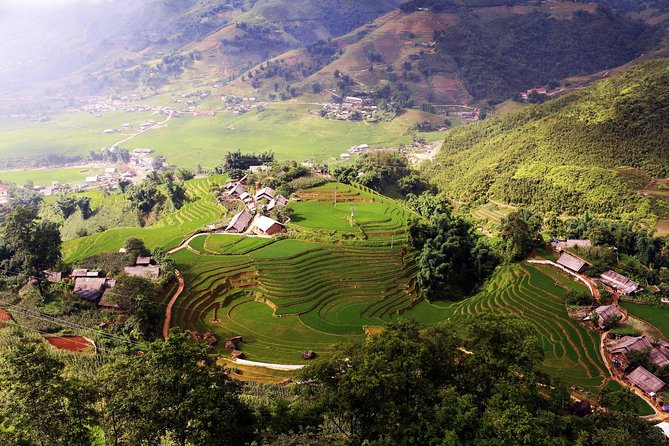
Sapa is famous for its photos, but this kind of trek wins because it’s built around daily life. You’re not just looking at hills—you’re walking through them and moving from one village community to the next.
The route also has a nice mix. You’ll spend time in standout Sapa areas like Y Linh Ho and Ta Van, then continue through places such as Giang Ta Chai, Su Pan, and Ban Ho. By the time you reach the final stretch (including Nam Toong and Thank Phu), you’ll feel how the region connects village economy, farming, and mountain geography.
Day 1: Y Linh Ho to Ta Van Village homestay
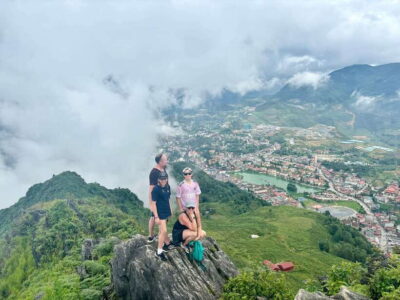
Day 1 starts at 9:00am in Sapa and typically runs about 9:00am to 3:00pm for the first trek segment. The day’s first stop is Y Linh Ho, where the big draw is the classic Sapa valley setting—terraced fields, winding paths, and the chance to meet people living in the area.
After that, you head toward Ta Van Village and settle into a homestay for the night. The idea here is simple: walk in the morning, arrive in time to relax, then see village life from inside the home (not from a bus window).
This day also includes part of your meal plan. Over the full package you’ll have 3 lunches, 2 dinners, and 2 breakfasts, and Day 1 is usually when you start stacking those meals into an easy rhythm.
What to watch for on Day 1
Day 1 is often where you set the tone for the whole trip. Comfortable shoes matter, and so does pacing—especially if you’re not used to steep, slippery paths. Your guide should help you find a pace that fits you, but you’ll still feel altitude and effort.
Day 2: Ta Van → Giang Ta Chai → Su Pan → Ban Ho
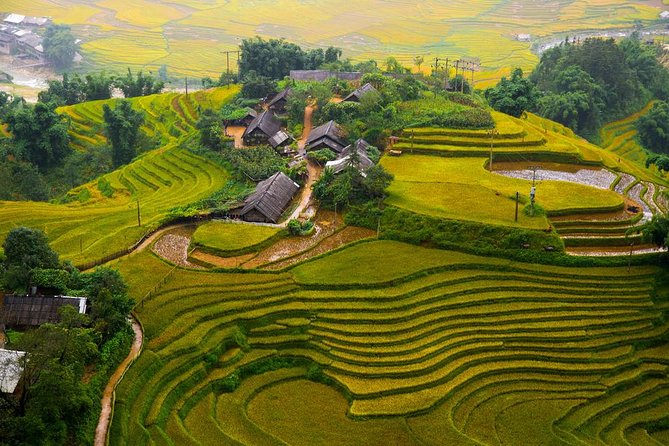
Day 2 keeps the momentum. You start from Ta Van, then move on through Giang Ta Chai, Su Pan, and finally down (or up, depending on your exact route) to Ban Ho, where you’ll sleep at another homestay.
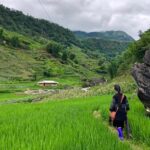
What makes Day 2 valuable is the “through it” feeling. You’re not bouncing between viewpoints; you’re moving village-by-village and seeing how each area does things slightly differently—how houses sit with the terrain, how paths connect fields, and how daily chores shape the flow of the day.
This is also where having a private tour matters. If you want slower walking for conversation and photo time, you can usually ask for that. If you want more challenge and less stopping, the guide can steer things that way too.
Day 3: Ban Ho loop via Nam Toong and Thank Phu back to Sapa
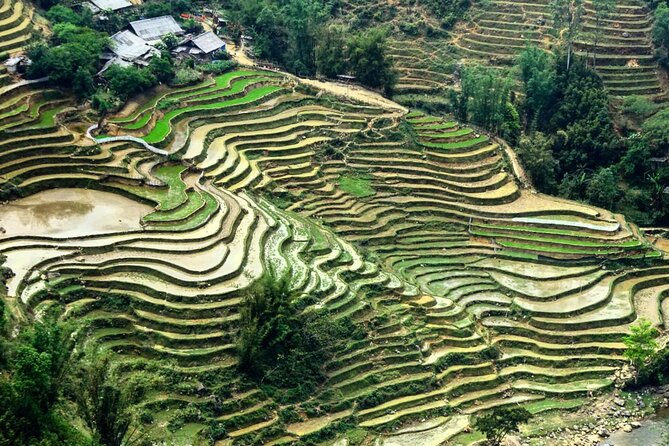
Day 3 is the finish-line day, and it has a satisfying loop structure. You start from Ban Ho, trek via Nam Toong and Thank Phu, then make your way back toward Ban Ho before returning to Sapa Town.
The practical win is that you don’t end stranded. This package includes transport back to Sapa after your trek, so you can plan dinner and rest without guessing how to get yourself there.
Meal coverage continues too: across the full 3 days, the package includes 2 dinners and 2 breakfasts, plus 3 lunches. That means you spend less time negotiating meals and more time using your energy for walking and chatting.
Homestays: the best part, with a reality check
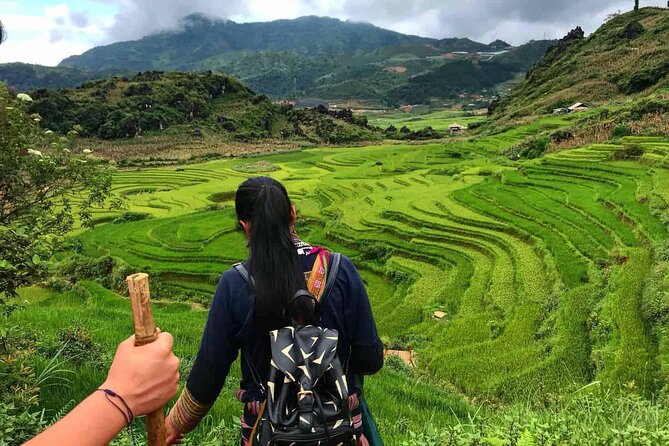
The homestay nights are the heart of this experience. You get 2 nights of accommodation in a home stay, and in real terms that means your trip has warmth and structure. Meals are planned in with the walking schedule, and you’re not forced into “find food, pay cash, repeat” mode.
That said, homestays vary. Some families may offer quieter rooms, and you might find setups like an attached bathroom depending on the family. The point is: don’t expect a hotel. Expect a family home and hospitality that feels personal.
Why the included meals matter
When most meals are included, you get two benefits. First, you can keep walking without stomach stress. Second, you’re more likely to eat what the family cooks instead of defaulting to whatever is easiest in town.
And yes, food can be a highlight. Some guides and families build meals around what’s available locally, and it often tastes more “home-style” than restaurant food.
Guide quality: English-speaking storytelling you can actually use
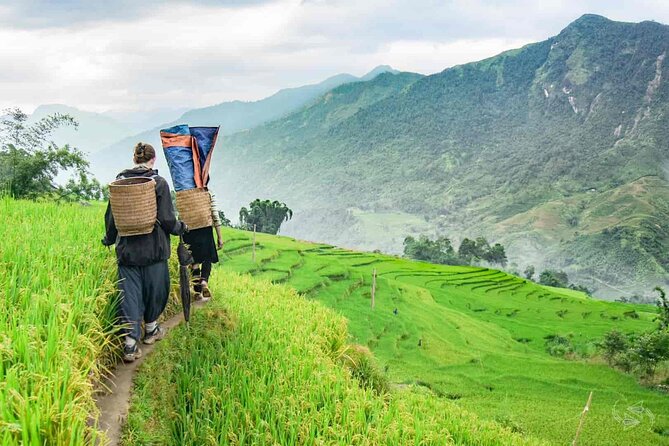
This is a private trek, which means the guide isn’t juggling other groups. You’re meeting your guide, then you’re choosing villages and pacing together.
Names you may run into include Py Chi, Mao, Pen, Lang, Little Zo, and Khu. The consistent theme is that the guide’s job goes beyond directions—they share context about what you’re seeing and why it matters in day-to-day life.
If you like a trek where you stop to talk—not just to walk—this format fits well. Ask about village farming, household life, and what the trails are like during different seasons. Your guide can usually explain how the route works and what to expect from one village to the next.
Timing and logistics: what the schedule really means

You’re looking at an approx. 3-day trek with a 9:00am start on Day 1, and Day 1’s first segment is listed as about 4 hours plus a longer stated window (9:00am to 3:00pm). The itinerary is organized by village stops rather than a fixed minute-by-minute map.
In practice, that’s good. Village trekking works with real-world delays—trail conditions, rest breaks, and time for conversation. A flexible schedule keeps the day from feeling like a race.
Also, you’re covered for key costs:
- Entrance fees (including valley access) are included
- Transport back to Sapa Town is included
- You’re on a private tour with only your group
Price and value: is $196.16 a fair deal?

At $196.16 per person, the price sounds “reasonable” only if the included items are actually what you care about. Here they are:
- English-speaking guide
- 2 nights homestay
- Most meals (3 lunches, 2 dinners, 2 breakfasts)
- Entrance fees
- Transport back to Sapa Town
- Pickup is offered, and you’ll receive a mobile ticket
That combination is where the value lives. In Sapa, paying separately for guide time, valley entry access, transport, and lodging can add up fast. This package bundles the main costs into one number and gives you a clearer idea of what the trek costs in real terms.
One more value note: the tour is commonly booked about 18 days in advance on average. That suggests you shouldn’t leave it to the last week if you have a tight travel calendar.
What to pack (so Day 1 doesn’t bully you)
Because the walking involves mountain paths and village routes, pack for traction and comfort more than “style.”
Bring:
- Comfortable, grippy shoes (not your flashiest pair)
- A light rain layer (Sapa weather changes quickly)
- A small daypack for water and essentials
- Layers for morning chill and afternoon sun
- Cash for drinks and personal expenses, since drinks aren’t included
And a small mindset tip: plan to walk slower than you think you can. The best treks feel calm. If you sprint early, you’ll feel it on Day 2.
Who this trek suits best (and who should adjust expectations)
This is a good match if you want:
- A true multi-day trek rather than a one-stop photo hit
- Cultural contact through homestay time
- A guide who can adapt the villages and difficulty to you
- A private experience where you can ask questions and set your pace
It may be less ideal if you want fully predictable comfort like a hotel bed, or if you’re looking for flat walking. The trek can be physically demanding, especially when route difficulty changes.
If you’re unsure about your fitness level, focus your questions on route difficulty options and your preferred pace with the guide. The whole point is that your itinerary can be customized.
Should you book this Sapa trek?
If you want an authentic Sapa experience that mixes village walking + homestay time + planned meals, this is the right kind of 3-day package. The structure is strong: you start in Sapa, walk through multiple villages, sleep with local families for two nights, then return to town with transport handled.
I’d book it if you’re comfortable with active days and you enjoy talking to people, not just watching them. I’d think twice if you have limited mobility or you hate steep, uneven trails—because no guide can remove the mountain from the math.
One last practical check: ask what route difficulty you’re set for and how your guide plans to handle your pace. Do that, and you’ll likely end up with the kind of trek people remember for years.
FAQ
What’s included in the Sapa 3 Days Trek with 2 Nights Homestay?
The package includes an English-speaking guide, entrance fees, food for 3 days, homestay accommodation for 2 nights, and transportation back to Sapa.
Which villages and stops are part of the itinerary?
The trek includes stops such as Y Linh Ho, Ta Van Village, Giang Ta Chai Village, Su Pan, Ban Ho Village, Nam Toong, and Thank Phu, plus return back to Sapa.
What time does the tour start and where does it end?
It starts in Sapa at 9:00am and ends back at the meeting point in Sapa.
How many meals are included?
The itinerary includes 3 lunches, 2 dinners, and 2 breakfasts.
Is drinks and beverage included?
No. Drinks and beverages are not included, along with private personal expenses.
Is this tour private or shared?
It’s a private tour/activity. Only your group will participate.
What is the cancellation policy?
This experience is non-refundable and cannot be changed for any reason. If you cancel or ask for an amendment, the amount you paid will not be refunded.