REVIEW · KATHMANDU
Annapurna Base Camp Trek
Book on Viator →Operated by Touch The Himalaya Treks & Expedition · Bookable on Viator
Annapurna Base Camp gets serious fast. This 10-day trek strings together village trails, big mountain views, and the right kind of support, with locally rooted guides managing permits, safety, and acclimatization.
What I like most is the practical way the trip is set up: you get meals during the trek plus everything needed to hike safely at altitude, without you having to micromanage details. Another standout is the “you’re not alone” feeling—teams and guides (including names like Madan, Rishi, Roshan Pandey, and porter support such as Arjun and Ganesh) are described as responsive and careful, including for solo trekkers.
One consideration: the route is active and altitude is real. Even with guidance, you should be ready for long walking days, steep sections, and the fact that conditions can change quickly.
In This Review
- Key things to know before you go
- What $700 Really Buys on This Annapurna Base Camp Trek
- Day 1: Thamel to Pokhara on the Trishuli River Route
- Days 2–4: Ulleri and Ghorepani to Tadapani, Plus Poon Hill Sunrise
- Day 2: Ulleri via Nayapul (Modi Khola villages)
- Day 3: Ulleri to Ghorepani through forest paths
- Day 4: Poon Hill sunrise, then Tadapani
- Days 5–7: Sinuwa to Deurali and the Push to Annapurna Base Camp
- Day 5: Tadapani to Sinuwa (forests, villages, and more range views)
- Day 6: Sinuwa to Deurali (a tougher, more rugged feel)
- Day 7: Deurali to Annapurna Base Camp via Machapuchare Base Camp
- Day 8–10: Base Camp Back Down, Jhinu Hot Springs, and Home to Kathmandu
- Day 8: Annapurna Base Camp to Sinuwa (a long descent day)
- Day 9: Sinuwa to Jhinu, then Pokhara and hot springs time
- Day 10: Pokhara to Kathmandu, with a choice
- The Guide and Porter System: Why It Matters on Annapurna
- What to Pack (Based on What You’ll Actually Need)
- Who This Trek Fits Best (and Who Might Want Something Different)
- Should You Book This Annapurna Base Camp Trek with Touch The Himalaya?
- FAQ
- Where does the Annapurna Base Camp trek start and end?
- What time does the trek start?
- How long is the trip?
- What’s included in the $700 price?
- Are trekking meals included or do I pay separately?
- Is this a private tour?
- What kind of guide support do you get?
- Can I cancel for a full refund?
Key things to know before you go
- Local, licensed guide support: English/Hindi/Chinese-speaking options and first-aid trained leadership for a smoother climb.
- Permits and fees included: You don’t have to piece together the paperwork yourself.
- Poon Hill sunrise early start: A classic viewpoint moment built into the schedule.
- Base Camp plus a return via familiar paths: You don’t just go up—you get time to experience the area and then descend efficiently.
- Jhinu hot springs stop: A very practical reward day after the harder climbing stretches.
What $700 Really Buys on This Annapurna Base Camp Trek
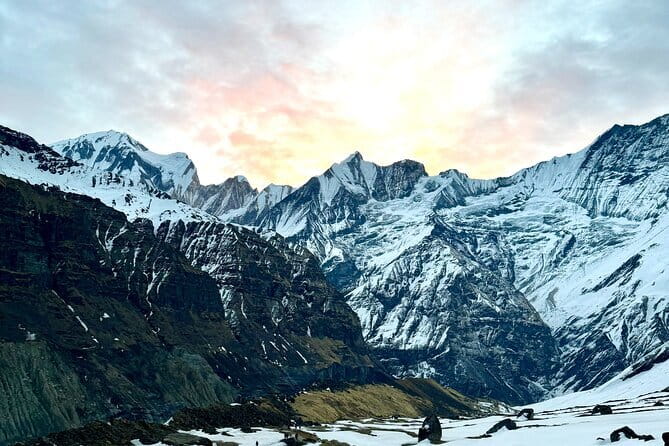
At $700 for about 10 days, this trek prices as a value option if you want “organized and guided” rather than DIY chaos. The big reason is what’s included: airport pickup and drop, two nights accommodation in Kathmandu before and after, trekking permits and fees, and breakfast/lunch/dinner during the trek. Add guide and porter costs (including insurance, equipment, transport, food, and lodging for staff) and the price starts to make sense.
Here’s the real-world trade-off: you still hike. This isn’t a comfort walk. But the logistics are handled in advance, so you can focus on your pace and the views instead of worrying about paperwork, route confusion, or last-minute scrambling for guides.
Also note: it’s listed as a private tour/activity. That matters because private trips often feel less crowded and more flexible with your group’s rhythm—useful on a trek where timing your effort can make the difference between enjoying the day and suffering through it.
You can also read our reviews of more tours and experiences in Kathmandu.
Day 1: Thamel to Pokhara on the Trishuli River Route
Your trek starts in Thamel, Kathmandu (meeting point) with a start time of 6:15 am. Day 1 is all about getting to Pokhara, about 200 km west. Expect around 7 hours by tourist bus/car or a flight option.
Why I think this day is smart: Pokhara is the staging point that makes the Annapurna trail system workable for a 10-day schedule. And the drive gives you something most treks skip—the chance to ease into Nepal slowly. The route runs largely alongside the Trishuli River, and that alone can help you feel less like you’re jumping straight from city bustle into thin air.
Practical angle: if you’re prone to motion sickness, the bus ride is a reason to plan. If you can fly, you remove a long day of sitting. If you go by road, bring water, take quick stretch breaks, and don’t drink too much too fast.
Days 2–4: Ulleri and Ghorepani to Tadapani, Plus Poon Hill Sunrise
Day 2: Ulleri via Nayapul (Modi Khola villages)
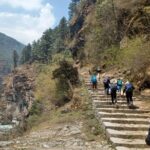
After breakfast, you drive about one hour to Nayapul, then begin trekking to Ulleri (about 5 hours). The trail follows the Modi Khola River, and the route is described as moving through villages where you can experience local culture.
This day is a good “warm-up” in the sense that you’ll start moving on foot, but it’s still built around human-scale villages. The big lesson here: don’t treat your first trek day like a race. Your goal is to settle your breathing and find a steady rhythm you can repeat for the next several days.
Day 3: Ulleri to Ghorepani through forest paths
Day 3 is roughly 5–7 hours to Ghorepani. You’ll walk through lush forests and ascend toward the classic Annapurna viewpoint zone. Expect the sense of the mountains getting closer—views of the Annapurna range show up more often as you gain height.
Forest walking can be psychologically helpful. You’re not constantly staring at big peaks, and that can make the hike feel less exposed. Just remember: shade can trick you into underestimating how much sun you’re still getting later.
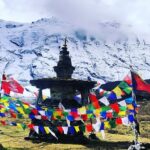
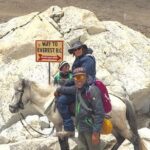
Day 4: Poon Hill sunrise, then Tadapani
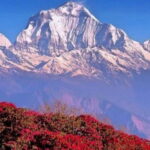
This is a highlight day. You’ll hike early to Poon Hill to watch sunrise over the Annapurna and Dhaulagiri mountains. After sunrise views, you return to Ghorepani for breakfast, then trek onward toward Tadapani (listed around 4 hours).
Poon Hill is famous for a reason: it’s one of the best “big payoff” moments on this whole route. The downside is the early wake-up. If sleep is fragile for you at altitude, plan for that now—keep your bedtime realistic and don’t assume you’ll feel great after an early start.
Days 5–7: Sinuwa to Deurali and the Push to Annapurna Base Camp
Day 5: Tadapani to Sinuwa (forests, villages, and more range views)
Day 5 is described as about 6–7 hours from Tadapani to Sinuwa, descending through lush forests and passing through small villages. You’ll get repeated views of the Annapurna region along the way.
Even when a day includes descent, it’s still work. Descents can be rough on knees, and the uneven trail keeps your muscles engaged. I recommend using trekking poles if you already have them—if not, ask what’s available through your guide team, or rent locally where possible.
Day 6: Sinuwa to Deurali (a tougher, more rugged feel)
Day 6 runs about 5–6 hours to Deurali, climbing steadily through forests and crossing the Khumbu Glacier area (as described on this itinerary). As you approach Deurali, the landscape becomes more rugged.
This is where the trek starts feeling more serious. Rugged terrain tends to slow your pace. That’s not failure; it’s your body adapting. The key is to keep moving at a pace that doesn’t blow up your breathing. With a first-aid trained guide and an acclimatization-minded team, you’re not on your own—still, you need to listen to your body and speak up if you feel off.
Day 7: Deurali to Annapurna Base Camp via Machapuchare Base Camp
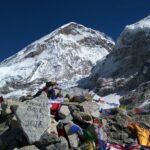
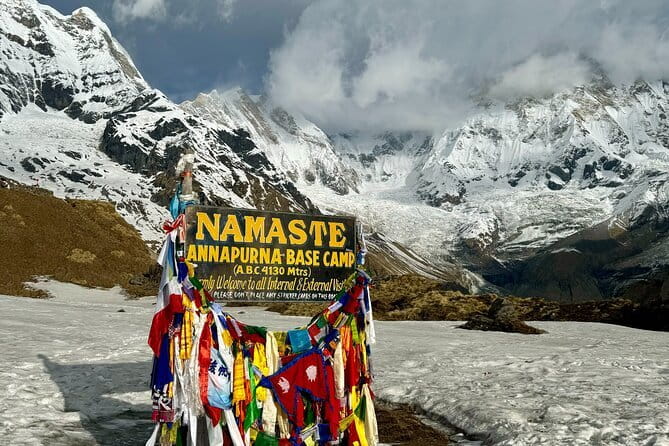
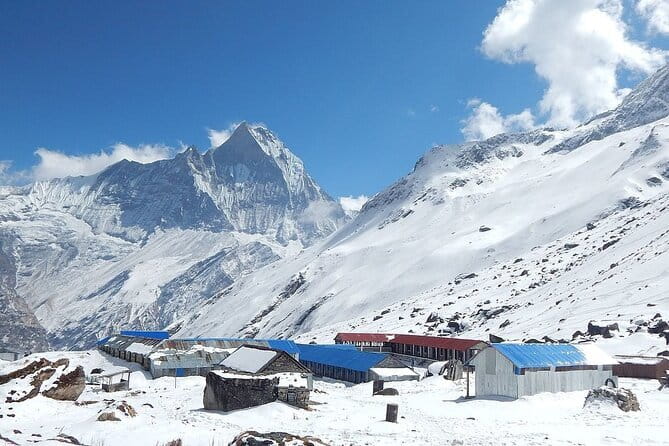
Day 7 is the core moment: Deurali to Annapurna Base Camp in about 6–7 hours, passing Machapuchare Base Camp along the route. The itinerary emphasizes stunning views as you ascend, and then you reach Annapurna Base Camp.
On days like this, what matters most is managing expectations. Base Camp is not a quick visit—it’s a destination you earn through consistent effort. The best experience comes when you allow time to look, breathe, and take photos without sprinting through it.
Also, this is where your support really counts. Local guides know when to adjust your schedule, how to check on you, and how to keep the day safe. Reviews tied to this company highlight that guides like Rishi and Roshan Pandey are attentive and available—exactly what you want when your energy is fluctuating.
Day 8–10: Base Camp Back Down, Jhinu Hot Springs, and Home to Kathmandu
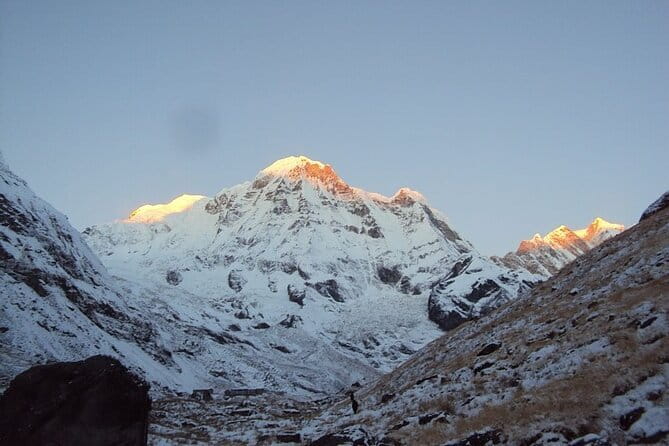
Day 8: Annapurna Base Camp to Sinuwa (a long descent day)
Day 8 returns from Annapurna Base Camp to Sinuwa, about 6–7 hours. You’ll be on familiar trails, which can help mentally after the intensity of reaching Base Camp.
Descent days often feel deceptively long. Your legs do more shock absorption work, and fatigue accumulates. Keep your steps short, slow down on steep sections, and plan for extra water and snacks. If your guide carries a basic first-aid kit, you’ll feel reassured, but you still want to prevent issues rather than fix them.
Day 9: Sinuwa to Jhinu, then Pokhara and hot springs time
Day 9 runs about 5–6 hours from Sinuwa to Jhinu. Once you reach Jhinu, you can relax at natural hot springs nearby. In the afternoon, you drive back to Pokhara (about 1–2 hours).
This is a great “recovery design” day. The hot springs aren’t just a fun add-on—they’re the kind of relief you actually notice after hiking downhill and working muscles you didn’t train specifically. If you tend to cramp, this is the day to take it easy: soak, hydrate, and don’t plan a huge dinner feast right after.
Day 10: Pokhara to Kathmandu, with a choice
Final day: you travel back to Kathmandu. You can choose between a scenic drive (7–8 hours) or a short flight. Once back in Kathmandu, you have free time for shopping or exploring before departure.
My practical advice: if you still feel tired in the morning, prioritize the flight. If you want one last Nepal road view, take the drive. Either way, keep this day light. You’ll enjoy the city much more if you’re not dragging from another long hiking day.
The Guide and Porter System: Why It Matters on Annapurna
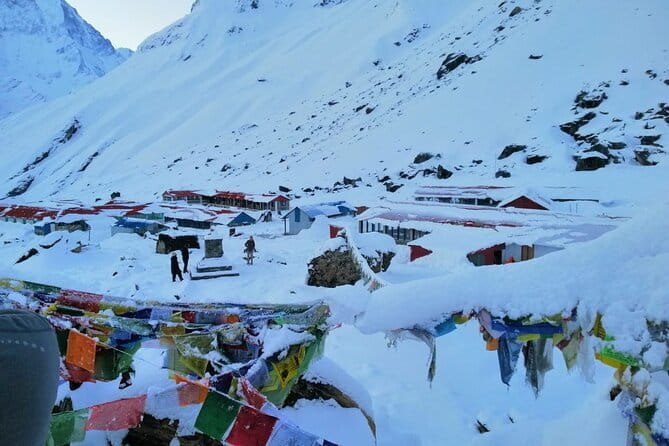
The itinerary is built around local expertise. Your guides are described as native to the Annapurna region, with years of experience in challenging terrain. That local knowledge matters because Annapurna routes aren’t just about distance—they’re about micro-decisions: when to pace, how to handle changing conditions, and how to keep you safe as altitude becomes a bigger factor.
You also get:
- English, Hindi, Chinese government-licensed, first aid trained guide
- basic first-aid kit carried by the trekking guide
- porters included through the package (with their own costs covered by the tour)
There’s also a duffel bag option, to be returned after trip completion. This matters because it helps you travel lighter day to day, which is a big deal when your legs are already doing altitude math.
And if you’re traveling solo, this is worth calling out. The way the company is described—helpful availability from the organizers (names like Madan) and careful day-to-day attention from guides (like Rishi)—is exactly the kind of reassurance that makes solo trekking feel less scary. On the trail, feeling supported isn’t a luxury; it’s part of making the trek enjoyable.
What to Pack (Based on What You’ll Actually Need)
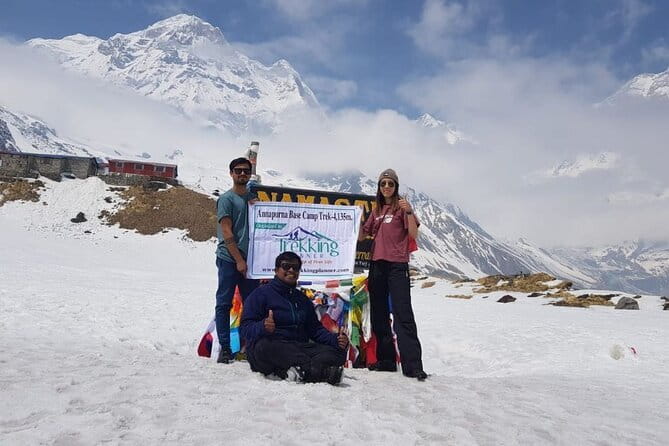
You’ll see a few practical reminders in the trip notes, and I agree with them:
- Bring water bottles (you’ll want easy access on long days)
- sunglasses for bright mountain sun
- charger for maps and photos
- carry light snacks and chocolate for energy on longer hiking stretches
The itinerary also mentions you can buy meals in tea houses during the trek. Since meals are listed as included (breakfast/lunch/dinner), think of tea houses mainly for extra items like snacks or drinks—not as your only food source.
One more practical tip: pack for cold mornings even if afternoons feel mild. Early starts (hello, Poon Hill) can mean chilly air. Dress in layers you can manage as your body warms up.
Who This Trek Fits Best (and Who Might Want Something Different)
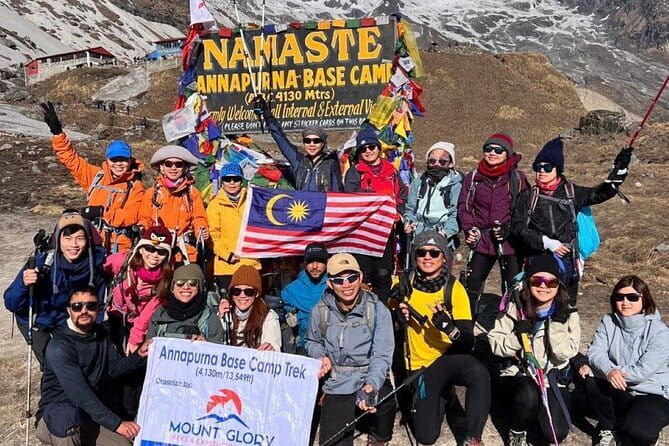
This trek is aimed at people with moderate physical fitness. If you can hike for several hours over uneven ground and you’re comfortable with altitude risk being managed by a guide team, you’ll likely enjoy it.
You’ll probably love it if you want:
- a classic Annapurna route with the Poon Hill sunrise experience
- a guided plan that handles permits, logistics, and safety
- a final-day “reset” with Jhinu hot springs
You might want to think twice if you’re expecting a short, easy walk or if you hate early mornings. The program has early starts and multiple long days, and Annapurna doesn’t do gentle out of spite—it just happens to be steep and high.
Should You Book This Annapurna Base Camp Trek with Touch The Himalaya?
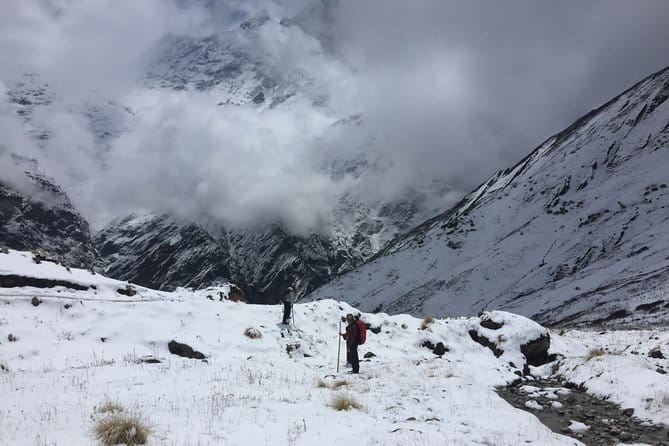
If you want organized, not improvised, and you prefer having a local licensed, first-aid trained guide handling the hard parts, I’d call this a strong fit. The value comes from the combination of permits, meals, guide/porter support, and Kathmandu logistics, not just the fact that it reaches Base Camp.
My “book it” checklist:
- You’re okay with long walking days and a couple of tough climbs.
- You want the Poon Hill sunrise and the Jhinu hot springs in the same package.
- You like the idea of a private group and clear planning from Kathmandu to Pokhara and back.
If you’re ready for effort, this trek is the kind that leaves you thinking about mountains for a long time.
FAQ
Where does the Annapurna Base Camp trek start and end?
It starts in Thamel, Kathmandu (44600, Nepal) and ends back at the same meeting point in Kathmandu.
What time does the trek start?
The listed start time is 6:15 am.
How long is the trip?
It’s listed as 10 days (approx.).
What’s included in the $700 price?
Included are airport pickup and drop with two nights accommodation in Kathmandu before and after, breakfast/lunch/dinner during the trek, necessary trekking permits and fees, a licensed first aid trained guide, duffel bag service, trekking maps, and guide/porter costs.
Are trekking meals included or do I pay separately?
Breakfast, lunch, and dinner during the trek are included. You can also buy meals in tea houses during the trek.
Is this a private tour?
Yes, it’s listed as a private tour/activity, so only your group participates.
What kind of guide support do you get?
You get an English/Hindi/Chinese government-licensed guide who is first aid trained, plus a basic first-aid kit carried by the trekking guide. You also have porter support included.
Can I cancel for a full refund?
Yes. You can cancel up to 3 days in advance for a full refund. If you cancel less than 3 full days before the start time, it’s not refundable.