REVIEW · KATHMANDU
Nar Phu Valley Trek – 12 Days
Book on Viator →Operated by Breeze Adventure Pvt Ltd · Bookable on Viator
Nar Phu feels like Nepal’s secret pass. This is a trek that trades crowds for Nar and Phu village life and swaps tourist trails for high, dramatic mountain scenery. You’ll start with Manaslu sightlines and then work your way toward the big payoff: Kang La Pass and huge views over the Annapurna peaks.
My favorite part is how well the trip is built for real hiking days, not just a checklist—solid guidance, and meals and gear handled so you can focus on the climb. One thing to consider: there’s a long road transfer on Day 2 (9–10 hours), plus altitude ups and downs around a 5,320 m pass, so you should go in with steady conditioning.
In This Review
- Key highlights to know before you go
- Why Nar Phu feels so different from other treks
- Value for $1,600: what you’re getting (and what you’re not)
- The real itinerary rhythm: long drive days, strong hiking days
- Day 1: Arrive in Kathmandu
- Day 2: Kathmandu to Dharapani (1,860 m) by road
- Day 3: Dharapani to Koto (2,600 m)
- Day 4: Koto to Meta (3,560 m)
- Day 5: Meta to Phu (4,080 m)
- Day 6: Acclimatization rest day near Phu
- Day 7: Phu to Nar Phedi (Satek Gumba) (3,440 m)
- Day 8: Nar Phedi to Nar Village (4,120 m)
- Day 9: Nar to Ngawal via Kang La Pass (5,320 m) (7–8 hours)
- Day 10: Drive Ngawal to Besishar (750 m)
- Day 11: Besishar to Kathmandu (about 5 hours)
- Day 12: Depart Nepal
- Kang La Pass (5,320 m) is the main event—here’s how to plan for it
- Nar and Phu village life, plus the monastery night that changes the tone
- Mountain days with food, gear, and a tight support setup
- Pacing, physical fitness, and what makes the trek feel moderate (but not easy)
- Weather reality: good conditions make the plan work better
- Who this trek is best for (and who should rethink it)
- Should you book the Nar Phu Valley Trek with Breeze Adventure?
- FAQ
- How long is the Nar Phu Valley Trek?
- Where does the tour start and end?
- Is pickup offered?
- What is the group size limit?
- What’s the main high point on the trek?
- Do you stay in Kathmandu as part of the trip?
- Are meals included during the trek?
- What trekking equipment is included?
- Is there a rest day for acclimatization?
- Is there free cancellation?
Key highlights to know before you go
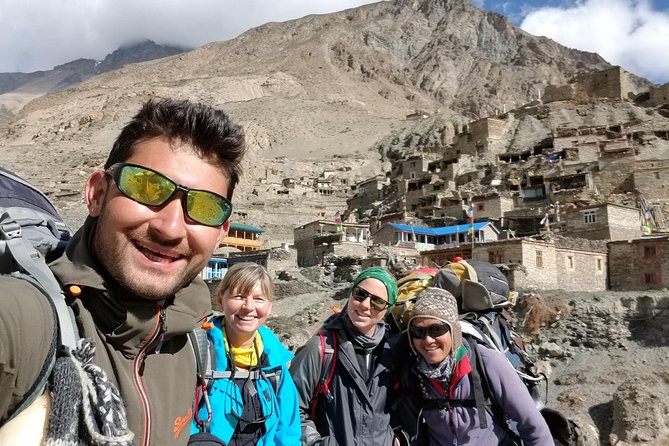
- Quiet Nar and Phu villages with a sense of time standing still
- Kang La Pass (5,320 m) for big panorama days over multiple Annapurnas
- Monastery night at Nar Phedi (Satek Gumba) with monks
- Low crowd feel with a maximum group size of 10
- Meals and gear included during the trek, including sleeping bag and crampons
- Acclimatization rest day built in for a safer rhythm
Why Nar Phu feels so different from other treks
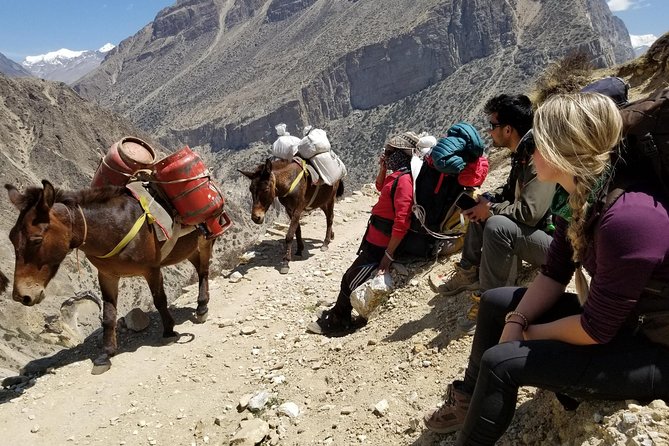
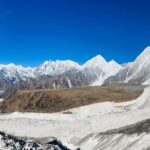
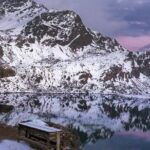
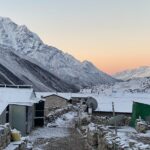
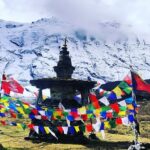
Nar Phu sits in Nepal’s Manang district, tucked between the villages of Nar and Phu. Instead of chasing famous trail bottlenecks, you’re heading into an area that still feels lived-in and local—where stone, prayer wheels, and farming life show up in the same frame. The route is also a scenery machine. You move through subtropical forest early on, then gradually step into drier canyons, river valleys, and higher, snow-leaning terrain.
The trek has a cultural backbone too. Nar and Phu are known for a unique heritage, and you don’t just pass through. You get time in village settings, including a night at Nar Phedi (Satek Gumba) with monks. That combination—culture plus serious altitude views—is the main reason this itinerary stays on the “most underrated” list for people who’ve hiked their way around Nepal.
You can also read our reviews of more tours and experiences in Kathmandu.
Value for $1,600: what you’re getting (and what you’re not)
At $1,600 per person for about 12 days, this isn’t a budget trek. But when you look at what’s included, it starts to make sense—especially if you’d otherwise have to arrange a guide, porters, transfers, and trekking gear on your own.
What’s included that matters on the trail
- Airport transfers to and from Tribhuvan Airport
- Three nights in a 2–3 star hotel in Kathmandu (breakfast included)
- Road transportation for the trek (including the long Day 2 drive and later return drives)
- Government-authorized experienced guide and porters
- Guest house accommodation in the mountains
- Meals during the trek: breakfast, lunch, and dinner
- Insurance for the trek, plus food and accommodation for guides/porters
- Trek gear: sleeping bag, crampons, and other essentials
- First aid kit, a trek map, and service charges/government taxes
- A post-trek celebration dinner in Kathmandu
What’s not included (so you don’t get surprised)
- International airfare
- Meals in Kathmandu besides breakfast
- Personal expenses, shopping, alcoholic drinks, chocolates, tea/coffee
- Tips for guide/porter
- Personal insurance outside what’s listed as included
If you like the idea of paying up front to reduce decision fatigue—what restaurant, what transport, what guide, what gear—this package structure is a big plus. You’ll still need to budget for lunches/dinners in Kathmandu, drinks, and tipping, but the hard planning work is handled.
The real itinerary rhythm: long drive days, strong hiking days
This trek follows a pattern that makes sense for altitude. You arrive, you get transferred far from Kathmandu, you hike in chunks, and you build in acclimatization time before the big pass.
Day 1: Arrive in Kathmandu
You’ll land in the capital and get set up with the Kathmandu hotel nights. This is your buffer day, which matters because Day 2 is a serious travel day.
Day 2: Kathmandu to Dharapani (1,860 m) by road
Plan for a long drive—about 9–10 hours. You start by trading city air for higher altitude, and you’ll arrive ready to sleep, not sightseeing. If you hate long rides, bring entertainment and take hydration seriously because your next day is a hike.
Day 3: Dharapani to Koto (2,600 m)
This is your first true hiking day, about 5–6 hours. You’ll feel the shift from lower terrain into a greener start, which helps your body settle before the higher, steeper days.
Day 4: Koto to Meta (3,560 m)
Now you’re climbing higher—7–8 hours. Expect thinner air and more focus. It’s the kind of day where steady pace beats hero mode.
Day 5: Meta to Phu (4,080 m)
7–8 hours again, with more altitude working in your favor for the views. You’ll start setting up mentally for the cultural highlight days ahead.
Day 6: Acclimatization rest day near Phu
This is a smart setup: you rest, explore, and do a hike to a viewpoint or Himlung Base Camp area. Instead of forcing progress every day, the trek gives you time to adjust. You’ll likely appreciate this most once you see how high you’ll go the next few days.
Day 7: Phu to Nar Phedi (Satek Gumba) (3,440 m)
6–7 hours. This is one of those “you’re going up and then easing back” stretches. Nar Phedi is a key moment because you’ll spend the night with monks. The cultural side of the trek becomes tangible here—quiet, routines, and a different pace than the trail.
Day 8: Nar Phedi to Nar Village (4,120 m)
A shorter hiking day at about 3 hours. That’s a gift after an earlier day and before the Kang La push. It also gives you time to settle into Nar and feel the village rhythm rather than just passing through.
Day 9: Nar to Ngawal via Kang La Pass (5,320 m) (7–8 hours)
This is the big day: you’ll go over Kang La Pass at 5,320 m and keep hiking to Ngawal around 3,660 m. Expect variable conditions. The pass day is where the trek earns its reputation for epic panorama. It’s also the day where trekking poles, crampons readiness, and calm pacing matter most.
Day 10: Drive Ngawal to Besishar (750 m)
5–6 hours by road, down to much lower altitude. This is the “let your body breathe again” day. You’ll feel the relief after the pass, even if your legs don’t fully agree.
Day 11: Besishar to Kathmandu (about 5 hours)
More road time, returning you to Kathmandu and your hotel base.
Day 12: Depart Nepal
Your trek ends back at the meeting point in Kathmandu.
Kang La Pass (5,320 m) is the main event—here’s how to plan for it
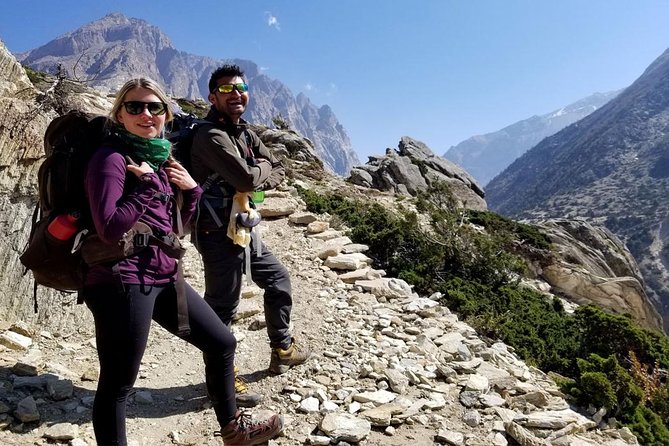
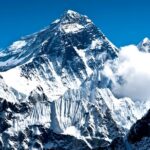
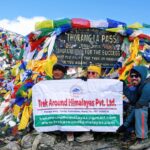
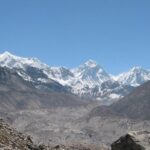
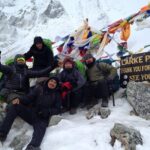
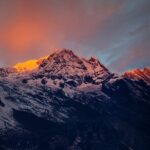
Kang La Pass is 5,320 m, and it’s the defining moment of this trek. The reason it matters isn’t only altitude bragging rights. It gives you a huge panorama payoff, with views listed for Annapurna II (7,937 m), Annapurna III (7,555 m), Annapurna IV (7,525 m), Gangapurna (7,455 m), and more.
On a practical level, you should think of this day as two challenges:
1) The height: air gets thin fast at altitude.
2) The conditions: depending on weather, this is where you’ll want the included equipment (like crampons) and good guidance.
If you want the best experience, don’t try to outrun the day. Move efficiently, sip and snack consistently, and keep your breathing steady. The views are there, but getting there calmly keeps you safer and makes the photo stops actually enjoyable.
Nar and Phu village life, plus the monastery night that changes the tone
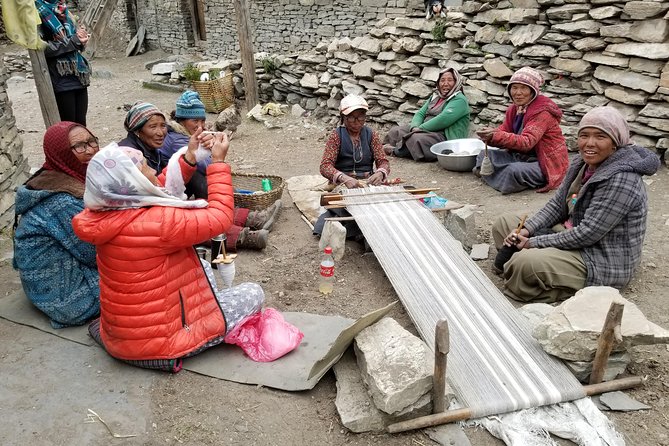
Most treks give you a peak or a pass. Nar Phu also gives you a place to slow down. Nar and Phu villages sit in an isolated pocket of Manang, and the trek makes room for that isolation instead of rushing it.
In Nar Phu, you’ll spend time with the village setting, including the night at Nar Phedi (Satek Gumba) with monks. That’s not just a novelty stop. It changes the feel of your days. You go from walking and working for altitude views to experiencing a community rhythm that’s quieter, more routine-based, and less about movement.
This is the part I recommend to anyone who’s tired of treks that feel like a long line of lodges. Here, the cultural thread is strong, and your route is clearly designed to connect with village life rather than just collecting elevations.
Mountain days with food, gear, and a tight support setup
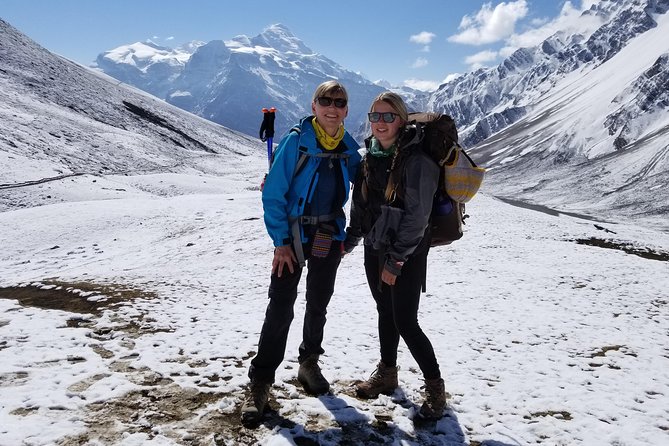
One reason this itinerary works well is how much you’re handed up front. You’re not expected to guess your way through trekking basics.
Included trekking comfort that helps on real days
- You get hygienic meals during the trek: breakfast, lunch, and dinner
- Accommodation is in local guest houses in the mountains
- You’re provided trekking equipment like a sleeping bag and crampons
- A first aid kit is included
- You have a government-authorized guide plus porters
The other practical win is the group size. With a maximum of 10 travelers, you’re less likely to feel shuffled or stuck. That smaller group can also improve flexibility on pacing and breaks—especially on long-hike days.
From the feedback I saw, Breeze’s team gets credit for being friendly while still professional and organized. Guide support is also specifically praised, with Kishwor Adhikari named in multiple experiences. That matters because in altitude areas, good guidance isn’t just about route knowledge. It’s also about timing, pacing, and keeping everyone moving safely.
Pacing, physical fitness, and what makes the trek feel moderate (but not easy)
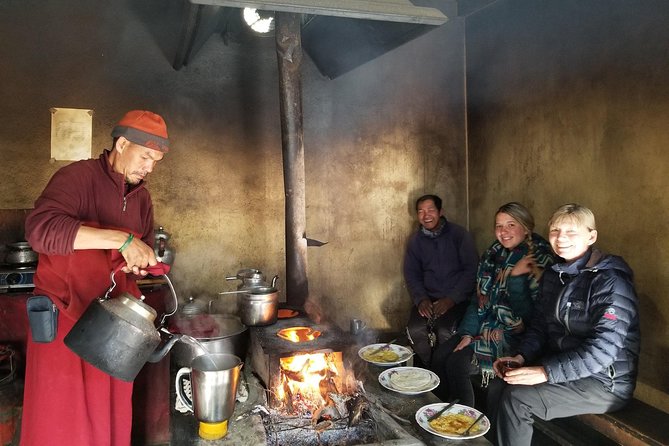
The tour calls for moderate physical fitness. That’s an honest description for a route that includes multiple 6–8 hour hiking days, plus the pass at 5,320 m. Moderate doesn’t mean low effort. It means you don’t need to be an ultra-trail athlete, but you do need a body that can handle sustained hiking and altitude breathing.
A few practical pacing thoughts:
- Train for endurance (long walks with steady effort).
- Practice a slow-to-fast hiking rhythm.
- Plan to take breaks before you’re desperate, not after.
- Keep an eye on energy after long drives, especially after Day 2.
If you follow that approach, the itinerary’s built-in rest day near Phu (Day 6) and the shorter Nar Phedi to Nar day (Day 8) work like safety valves.
Weather reality: good conditions make the plan work better
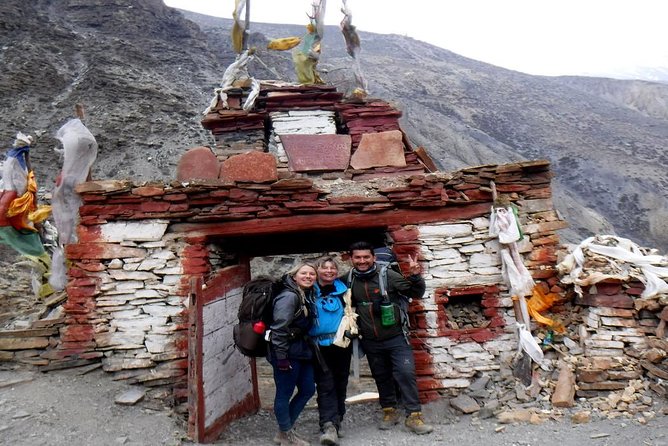
This experience requires good weather. If it can’t run due to poor weather, you’ll be offered a different date or a full refund. That’s not a “maybe” thing—it’s part of how high-altitude trekking is managed.
Also, since you’ll be at significant elevations (up to 5,320 m), you should mentally plan for changing conditions, even in seasons that are generally good.
Who this trek is best for (and who should rethink it)
This tour is a strong fit if you want:
- A quieter, off-the-beaten-path style of trekking in Nepal’s Annapurna region
- Real cultural contact in Nar and Phu, including a monastery night
- Major mountain views without doing a crowded, famous route
- A guided setup with meals and equipment included
It may not be ideal if:
- You can’t handle long road travel (Day 2 is 9–10 hours)
- You dislike altitude challenges even when the itinerary is built with acclimatization
- You’re hoping for a low-activity “vacation” style trip
Should you book the Nar Phu Valley Trek with Breeze Adventure?
If your idea of a great trek is quiet villages, serious mountain views, and a trip that’s organized enough to keep you comfortable, I’d book this. The strongest reasons are the route’s cultural focus (Nar/Phu village time and the monastery night) and the big payoff day over Kang La Pass with major Annapurna sightlines.
Before you commit, make sure you’re comfortable with two realities: one, the itinerary includes a long drive day into the mountains; two, Kang La Pass means you’re traveling to high elevation with real effort involved. If you’re good with those, this trek gives you exactly what most hikers want—less crowd, more character, and scenery you’ll remember.
FAQ
How long is the Nar Phu Valley Trek?
The trek is listed as 12 days (approx.).
Where does the tour start and end?
It starts at Breeze Adventure Pvt. Ltd in Thamel Marg, Kathmandu, Nepal, and it ends back at the same meeting point in Kathmandu.
Is pickup offered?
Yes, pickup is offered.
What is the group size limit?
The tour has a maximum of 10 travelers.
What’s the main high point on the trek?
Kang La Pass is the major pass on the route at 5,320 meters.
Do you stay in Kathmandu as part of the trip?
Yes. You get three nights in a 2–3 star hotel in Kathmandu with breakfast included.
Are meals included during the trek?
Yes. Hygienic meals (breakfast, lunch, and dinner) are included during the trek.
What trekking equipment is included?
The tour includes equipment such as a sleeping bag and crampons (and other items as listed under equipment).
Is there a rest day for acclimatization?
Yes. There is a rest day on Day 6 for acclimatization and exploration, with options like hiking to Phu View Point or Himlung Base Camp.
Is there free cancellation?
Yes. You can cancel up to 24 hours in advance for a full refund, and poor weather can also trigger a reschedule or full refund.