REVIEW · MARRAKECH
3-Day Marrakech to Merzouga Desert Experience and Camel Trekking
Book on Viator →Operated by Marrakech Activities Expert · Bookable on Viator
A mountain road, then the Sahara at night, that contrast is the point. I love the High Atlas pass views and the camel trekking with a real Berber camp experience, all packed into a tight 3 days. The main drawback to plan for is the long driving time, especially on day 3, plus lunches and drinks cost extra.
You get a structured route with a mix of big sights and hands-on moments: a UNESCO ksar stop, Todra Gorge with a local guide, and time in Merzouga where the day slows down. I also like that the operator includes an English/French-speaking driver and air-conditioned minibus, which matters when you are spending most of your waking hours in a vehicle.
A lot of the magic here is weather- and timing-dependent (sunset/sunrise camel rides), so if you hate early starts or you get car-sick, this may feel like hard work.
In This Review
- Key moments you will remember
- Marrakech to Merzouga: the big idea behind this 3-day route
- High Atlas driving with Tizi n Tichka: the scenic warm-up
- Ait Ben Haddou UNESCO stop: what you get and what you may want to add
- Tinghir and Todra Gorge with a local guide: where the day feels human
- Melaab Berber family shop: clothing, photos, and a practical souvenir
- Merzouga and the desert camp: sunset camel trek and campfire night
- The longest day back: day 3 from camels to El Kelaa M’Gouna and on to Marrakech
- Price and value: is $129.58 a fair deal for 3 days?
- Guides and drivers: why the human factor matters on this route
- What to pack and how to make the desert night comfy
- Who should book this Marrakech to Merzouga tour
- Should you book this 3-Day Marrakech to Merzouga experience?
- FAQ
- How much does the Marrakech to Merzouga 3-day tour cost?
- How long is the experience?
- Is pickup offered in Marrakech?
- What sleeping arrangements are included?
- Are camel rides included, and when do they happen?
- Is sandboarding included?
- Are lunches and drinks included?
- What is the maximum group size?
Key moments you will remember
- Tizi n Tichka (about 2,260 m / 7,400 ft): dramatic mountain scenery on a famous pass with quick photo breaks
- Ait Ben Haddou ksar stop: a UNESCO site that also shows up in well-known film settings, with an optional guide fee
- Tinghir + Todra Gorge with a local guide: you get context for Jewish quarter life, daily life, and the gorge itself
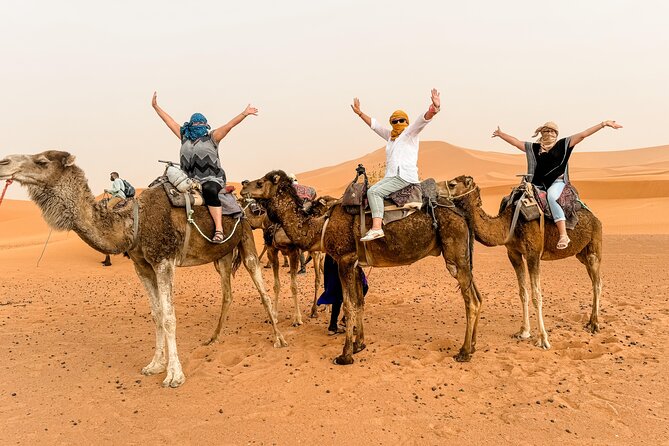
- Merzouga sunset camel ride: about an hour across dunes, then camp, shower time, dinner, and campfire music
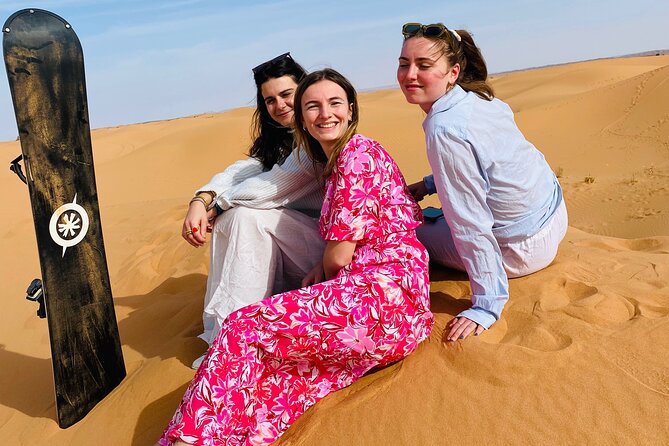
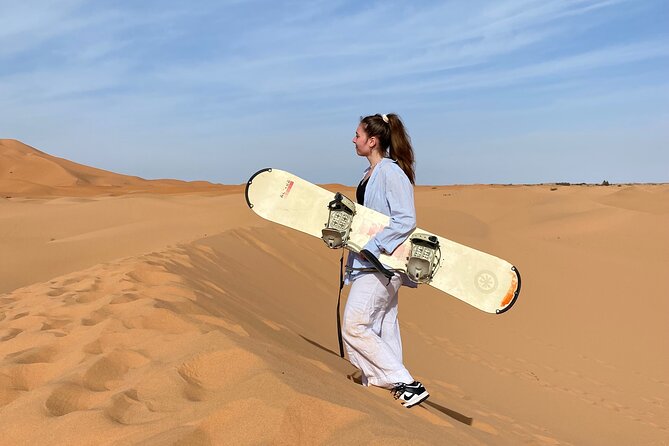
- Sandboarding included: a desert activity that is usually an add-on on other tours
Marrakech to Merzouga: the big idea behind this 3-day route
This tour works because it follows a logical geography: Marrakech energy up front, then the route climbs into the High Atlas, drops into southern valleys, and ends in the Sahara. You spend less time figuring out logistics and more time seeing Morocco change shape every day.
I like the mix of famous stops and local-feeling moments. You are not just collecting photos from viewpoints. You also get guided time in Tinghir, a gorge visit with the same guide, and a family shop stop where you can try traditional clothing and pick up scarves for the desert ride.
Your main trade-off is that you do a lot of moving. This is not a slow, lounge-by-the-pool kind of trip. It is a road trip with strong set pieces, and you will want to settle into that mindset before you go.
You can also read our reviews of more tours and experiences in Marrakech.
High Atlas driving with Tizi n Tichka: the scenic warm-up
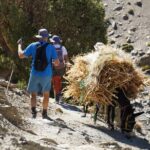
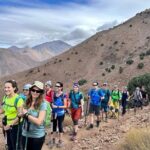
Day 1 starts by pointing you straight at the mountains. Tizi n Tichka Pass is one of Morocco’s most scenic roads, reaching around 2,260 meters (7,400 ft). On this kind of drive, you get rugged ridgelines, deep valleys, and frequent pull-off moments to look around without needing a hike.
What I like for your planning: the pass is an easy win. You don’t have to be an athlete to enjoy it. A short stop time here can still deliver the kind of views that usually require more effort elsewhere.
What to watch: that elevation and road curves can be a lot if you are prone to motion sickness. The tour does include an air-conditioned minibus, which helps, but bring something for nausea if you know your body reacts on winding roads.
Ait Ben Haddou UNESCO stop: what you get and what you may want to add
After the mountain drive, you reach Aït Benhaddou, a UNESCO World Heritage site and a fortified village (ksar). It is famous as a film location, including major productions that many people recognize. Even if you don’t care about movies, the architecture is the draw: clustered earthen structures that look like they grew right out of the hill.
The tour includes time to stop and you can take a guided tour on-site lasting about an hour. That guided component is not included in the base package. The optional local guide is listed at around 2 euros per person for groups over 10 people.
My practical take: if you like understanding how these ksars were built and why they mattered, pay for the guide. If you just want the quick hit to wander and take photos, you can also do it independently since the admission itself is shown as free for the stop.
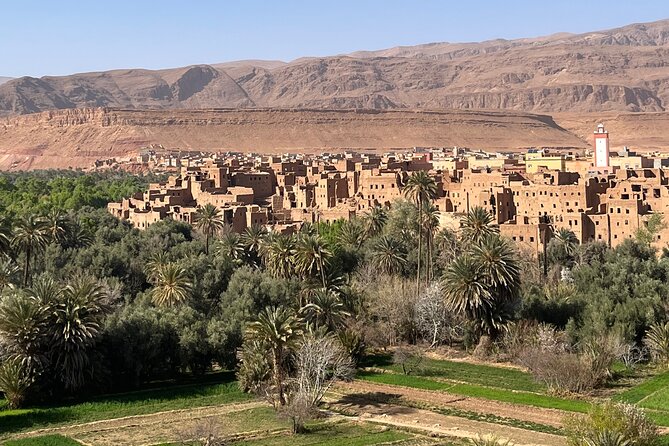
After that, you keep driving through Ouarzazate and along the Thousand Kasbahs Road, arriving in the evening to your first hotel.
Tinghir and Todra Gorge with a local guide: where the day feels human
Day 2 is where the trip stops acting like a highway movie and starts feeling like Morocco day-to-day life.
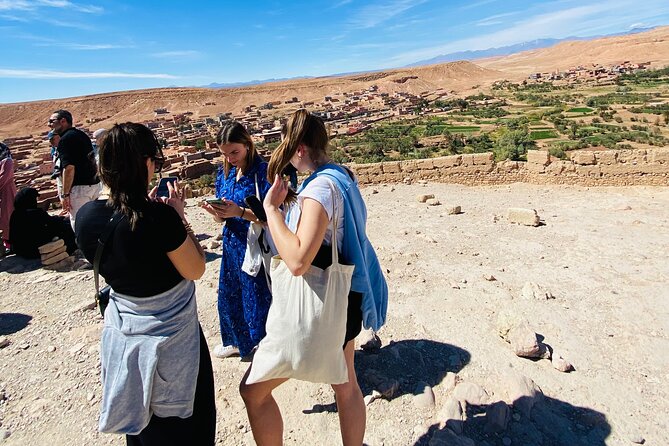
First you go to Tinghir. You meet your driver, then join a local guide for about an hour of walking and explanation. The focus is not only monuments. You get a look at daily life, plus time that includes the Jewish quarter and historic sections. There is also a chance to visit a women’s handicraft cooperative, which is a smart cultural stop because it connects what you see to who makes the goods you might later buy.
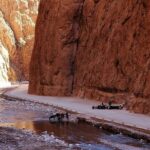
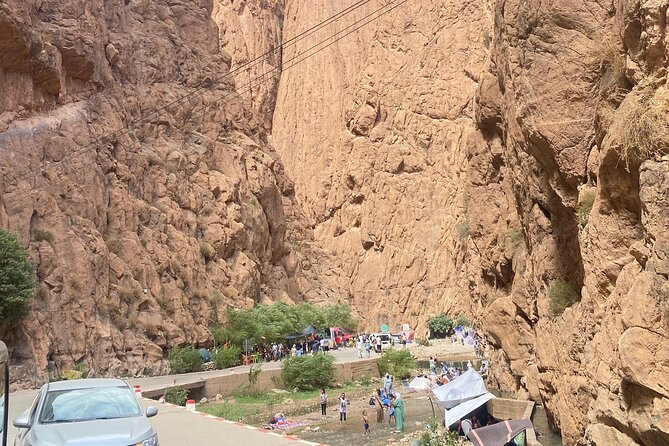
Then it is on to Todra (Todgha) Gorge. The gorge is famous for towering rock walls and dramatic narrowness, which makes it a great stop whether you are a photographer, a climber, or just someone who likes geology with drama. The same local guide joins you here, so you are not just staring at rocks without context.
After exploring, you head to Tinejdad for lunch. Lunch is not included in the price (it is listed as around 12 euros per person), so plan that into your day budget.
The value of having a local guide on Tinghir and Todra is that you get the why behind what you see. Even if you move quickly, a good guide helps you notice the details that turn a photo into a memory.
Melaab Berber family shop: clothing, photos, and a practical souvenir
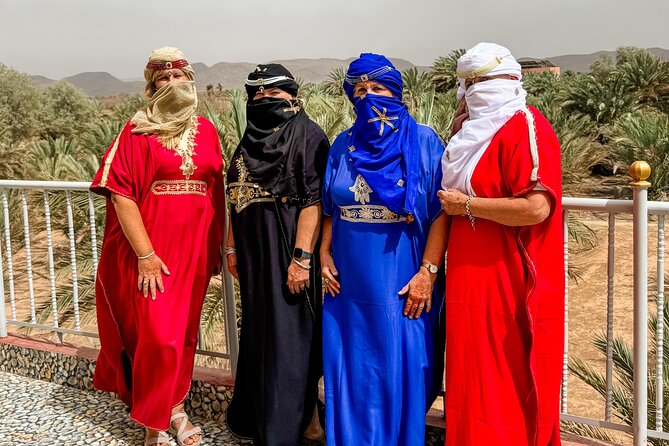
Later in the day you stop at Melaab, where you visit a Berber family shop. This is a short but memorable cultural moment.
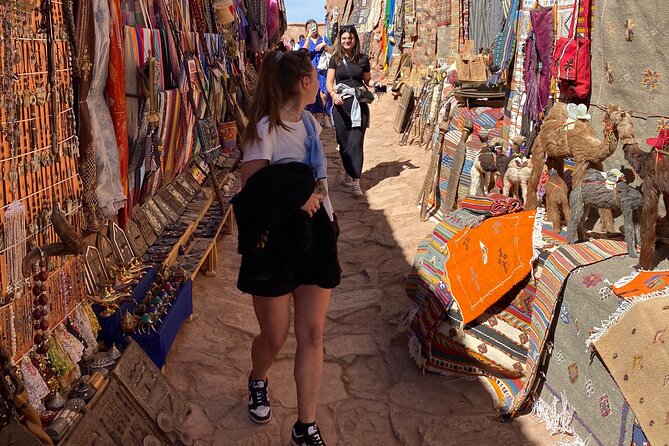
You can try on traditional Berber attire and take free pictures. You can also buy scarves for the camel ride in the desert. That matters because desert riding is dusty and windy, and scarves can help with comfort and sun.
If you prefer minimal shopping, keep it simple: try the clothing for the photo moment, then buy only what you will actually use (like a scarf). You are not locked into anything, but having the option makes the desert ride feel less like a performance and more like prepared travel.
Merzouga and the desert camp: sunset camel trek and campfire night
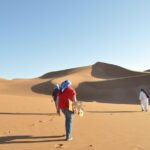
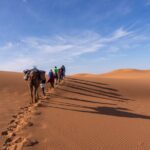
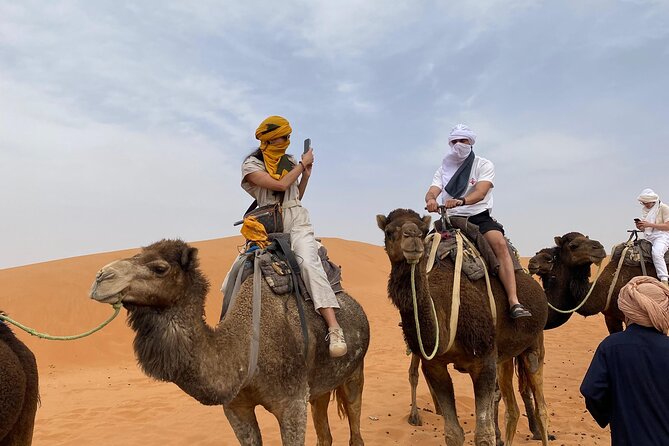
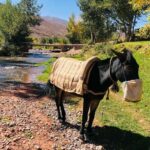
Arriving in Merzouga is your turning point. You meet your camel and head out across the dunes at sunset. The camel ride is described as about an hour, and the focus is that golden-hour feeling over the Sahara.
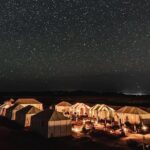
Then you reach the desert camp, where you settle into tents. You get time to freshen up with a shower before dinner, which is a big quality-of-life detail. After dinner, the campfire evening includes traditional music and dancing.
I love that the tour builds this in the right order:
1) ride while the light is beautiful
2) arrive, get cleaned up
3) eat, then enjoy the cultural evening at the right pace
Also, the tour includes camel rides for both sunset and sunrise, with sandboarding listed as included too. So you are not stuck with only one desert moment.
One consideration: bring patience for the camp timing. Desert days run on light and logistics more than clocks, and that is normal here.
The longest day back: day 3 from camels to El Kelaa M’Gouna and on to Marrakech
Day 3 starts early with breakfast. Then you ride camels again back toward the meeting point where your car waits. The description calls this the longest day, and it makes sense: after sunrise camel time, you still have a long drive back toward Marrakech.
Along the return route, there are stops for rest, meals, and to stretch your legs. A listed stop is El Kelaa M’Gouna.
What I like for your planning: the tour does not pretend the last day will be short. It acknowledges it is long and includes breaks. If you pack snacks you like and keep your routine calm, day 3 feels like part of the adventure rather than a slog.
What to watch: since lunches are not included, day 3 can cost a bit more than you expect if you rely on included meals only. Budget for that.
Price and value: is $129.58 a fair deal for 3 days?
At $129.58 per person, the value here comes from the bundle: transport, two accommodation nights (hotel + desert camp), two breakfasts, dinner included (listed as two dinners), camel rides at sunset and sunrise, and sandboarding.
Other tours sometimes charge separately for the desert camp and camel portions. Here, those core pieces are built in, which makes it easier to compare apples to apples when you shop.
Where value drops a little is the extras:
- Lunches cost about 12 euros per person
- Drinks are not included
- The optional Ait Ben Haddou local guide is extra (around 2 to 3 euros per person depending on group size)
- Tips/gratuities are not included
So the real question is not just the headline price. It is whether you are the type of traveler who will pay for the optional guide at Ait Ben Haddou and accept that lunches and drinks are on you. If yes, this price looks solid.
Guides and drivers: why the human factor matters on this route
A Morocco desert trip is only as good as the driving and the people handling the small issues. On this route, the English/French-speaking driver support is included, and that shows up in the type of service praised: safe driving, patience with questions, and flexibility to stop when needed.
Names you may see in staffing include Malek (guide), Kareem (driver), Mohammed, Said, Muha, and Ichou. I’m calling this out because it hints at the real value: you are not stuck with a silent driver who only tells you where to sit. The service style described is practical, friendly, and used to managing luggage and timing around the desert camp.
If you care about a smooth experience, ask before you go:
- Who will be your driver
- Whether your driver speaks English or French
- How pickup will work from your Marrakech location
Small clarity upfront saves stress later.
What to pack and how to make the desert night comfy
The tour includes showers at the desert camp and built-in food moments, but you still control how comfortable you feel. A few practical rules help a lot:
- Bring layers: deserts can be surprisingly cool at night, and mountain air can feel different at elevation
- Pack sun protection: sunglasses and sunscreen matter on the dunes and during long drives
- Wear closed, grippy shoes: you’ll walk a bit in villages and at gorge stops
- Consider a scarf even if you plan to buy one at Melaab
- Bring a small power bank and a charging plan for your phone and camera
- Have some cash for lunches and tips since drinks and lunch costs are not included
And mentally: expect dusty air in the desert. It is part of the vibe. Comfort planning makes it easier to enjoy.
Who should book this Marrakech to Merzouga tour
This is a great fit if you want:
- a 3-day structure that covers mountains, UNESCO architecture, a gorge with local context, and the Sahara
- camel trekking at sunset and sunrise plus sandboarding
- included lodging that keeps you from hunting for places once you leave Marrakech
It may not be your best match if:
- you hate long car days (day 3 is listed as the longest)
- you want a fully unplanned, slow travel rhythm
- you are extremely sensitive to extra costs like lunch, drinks, and optional local guides
Still, for most people who want the big Morocco hits in one organized package, this route is a strong contender.
Should you book this 3-Day Marrakech to Merzouga experience?
Yes, if you want an organized route that gets you into the Sahara with both sunset and sunrise camel rides and a camp night with food and music. The included hotel-to-camp structure is the big win, and the local guide time in Tinghir and Todra makes the cultural side feel grounded instead of rushed.
I’d hesitate only if you know you will struggle with long driving days or you dislike planning for extra lunch and drink spending. If you’re okay with that, you’ll likely love how the trip shifts from mountain roads to dune silence without you doing the hard work of stitching it all together.
FAQ
How much does the Marrakech to Merzouga 3-day tour cost?
The price is $129.58 per person.
How long is the experience?
It runs for about 3 days.
Is pickup offered in Marrakech?
Yes, pickup is offered.
What sleeping arrangements are included?
Day 1 includes accommodation in a hotel in Tinghir or Dades, and day 2 includes accommodation in a camp in the desert (tents).
Are camel rides included, and when do they happen?
Yes. Camel ride is included in both the sunset and sunrise, with one camel for each person.
Is sandboarding included?
Yes, sandboarding is included.
Are lunches and drinks included?
Lunches are not included (about 12 euros per person). Drinks are also not included.
What is the maximum group size?
The tour has a maximum of 60 travelers.