REVIEW · INDONESIA
Mount Rinjani Climbing 2D/1N Summit Trek 3726M
Book on GetYourGuide →Operated by Rinjani Climbing Tours} · Bookable on GetYourGuide
Clocks and cold air make this trek feel special. You’re pushing up Mount Rinjani with a plan that builds toward one big moment: sunrise from the summit on day two. Along the way you pass the classic trail stops, then wake up camped above the Segara Anak Lake.
I especially like the way this trip handles the big practical stuff for you. The tour includes an English-speaking guide and professional porters, plus camping basics like tents, sleeping bags, mats, and even a toilet tent. You also get a structured food plan with tea/coffee and proper breaks at the trail posts.
One thing to take seriously: this is a steep, cold-altitude climb, with a very demanding last hour on summit morning. If you’re not ready for early start, thin air, and rough footing, you’ll feel it.
In This Review
- Key things to know before you go
- Mount Rinjani sunrise in 2 days: the real payoff
- Day 1 itinerary: Sembalun, Posts 1–3, and camp at the rim
- Posts 1 and 2: steady progress with built-in pauses
- Post 3: lunch, a hot drink, and a long reset
- Late afternoon: arrive at Sembalun Crater Rim and set up camp
- Day 2 itinerary: 2:30 AM wake-up, summit stages, and the steep final hour
- Stage one: moderate climb for about two hours
- Stage two: fairly easy, long trek
- Final hour: very steep and difficult
- After sunrise: descend, breakfast, then down to Sembalun
- The guide and porter team: your safety net on steep ground
- Camp life at Sembalun Crater Rim: meals, water, and toilets
- Food and drinks are planned across both days
- Expect cold and be ready to manage yourself
- Price and value: what $133 really covers
- What to bring for cold ridges and a smooth descent
- A small planning trick: snacks for the “in between” moments
- Who should book this (and who should skip it)
- Should you book this Mount Rinjani 2D/1N Summit Trek?
- FAQ
- FAQ
- How long is the Mount Rinjani 2D/1N summit trek?
- Where do you camp overnight?
- What time do you start climbing on day two for sunrise?
- What does the itinerary include on day one?
- What can you expect on the summit climb?
- What views do you get from the summit?
- How much water is provided during the trek?
- What meals and drinks are included?
- What is not included?
- Is the guide available in English?
Key things to know before you go
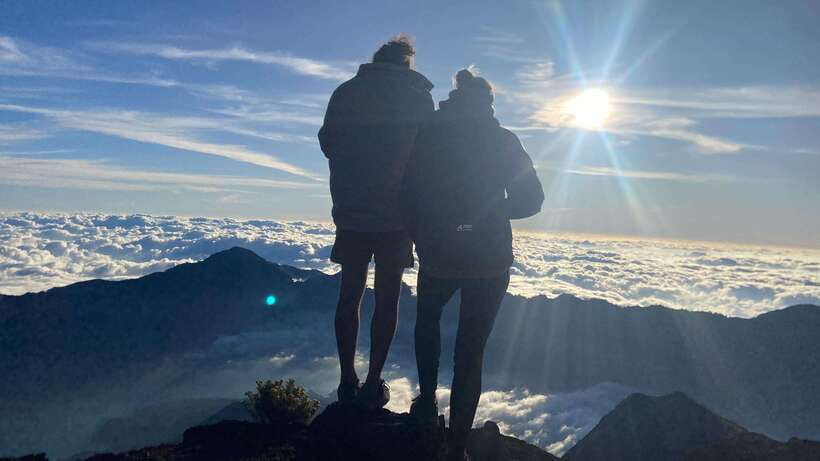
- 2:30 AM wake-up, 3:00 AM start on day two for sunrise timing
- Post 3 is a highlight with lunch plus a long rest and hot drink
- Overnight at Sembalun Crater Rim with views over Segara Anak and Sembalun village
- Summit stages are different: moderate climb, long stretch, then a steep final hour
- You get 3 liters of water daily and meals planned across both days
Mount Rinjani sunrise in 2 days: the real payoff
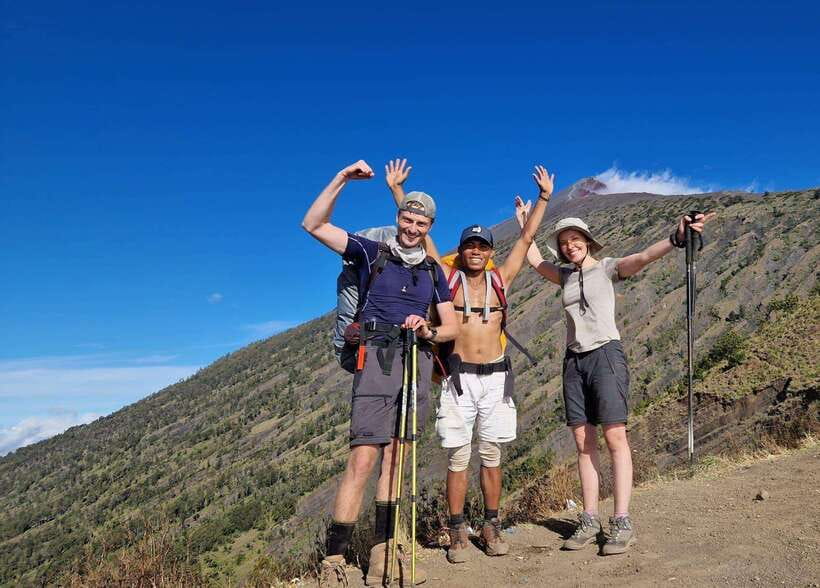
This 2D/1N Mount Rinjani Summit Trek is built for one goal: see sunrise from the top, then get back down to Sembalun in daylight. You won’t waste time with extra detours. The schedule is tight, which is exactly what makes it work if you want a big summit moment without a week-long trek.
On day one, you’re not just walking forward. You’re climbing into higher terrain where temperature drops fast and the views start stacking up. The trail passes through a sequence of resting points (Posts 1, 2, and 3). Those stops matter because they break the effort into sections instead of one endless grind.
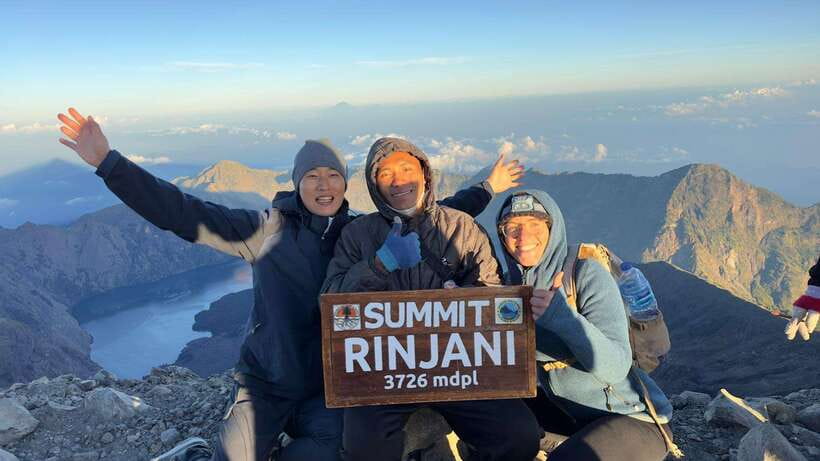
Then day two hits the main event. You wake up in the dark, start before sunrise, and climb through stages until the final hour turns steep and difficult. Once you reach the summit, the payoff is huge: from there you can see Lombok island, Bali, Mt. Tambora in Sumbawa, and Segara Anak Lake. That’s the kind of panorama that makes the early wake-up feel like the point.
If you’re the type who likes clear structure and a guide-led rhythm, this format is a strong fit. You always know what comes next: climb, stop, eat, camp, then push for sunrise.
You can also read our reviews of more tours and experiences in Indonesia.
Day 1 itinerary: Sembalun, Posts 1–3, and camp at the rim
Your day begins with pickup and transfer from the Senaru area in a mountain car. You’ll meet and get a briefing, then move toward Sembalun. Once you arrive, the plan is straightforward: you head to the Rinjani Information Center, then start the hike toward the crater rim.
The trail up toward the rim is divided by rests at Posts 1 and 2. These breaks are practical, not just symbolic. They help you manage breathing and pacing as the trail gradually steepens and the air thins.
Posts 1 and 2: steady progress with built-in pauses
At Post 1, you take a rest and regroup. At Post 2, you keep going with another stop before reaching Post 3. The benefit here is mental: you’re not stuck guessing how far you are. The posts act like checkpoints, which helps you conserve energy for the rim and the overnight camp.
Post 3: lunch, a hot drink, and a long reset
Post 3 is the most important midday break. You’ll stop for a 2-hour rest after lunch, plus enjoy a hot drink. This matters because you’re heading toward camping at altitude, where you’ll need a little buffer for the last stretch and the evening chill.
It’s also one of the best spots to refuel in a planned way. The tour includes meals and fruit like pineapple and banana, plus water each day (listed at 3 liters of mineral water per person). That’s a big deal on an active day because it reduces the temptation to under-eat or rely on random snacks.
Late afternoon: arrive at Sembalun Crater Rim and set up camp
After lunch and the longer rest at Post 3, you continue to the Sembalun Crater Rim. You’ll spend the night there. The key payoff on day one is the view setup: the rim overlooks the Segara Anak Lake and the Sembalun village, and you get a chance to watch the light change as evening approaches.
The plan also gives you time to take in sunset views, and it’s worth knowing you’ll be back in the same place again in the morning. Camping here turns day one into your warm-up act for day two.
Day 2 itinerary: 2:30 AM wake-up, summit stages, and the steep final hour
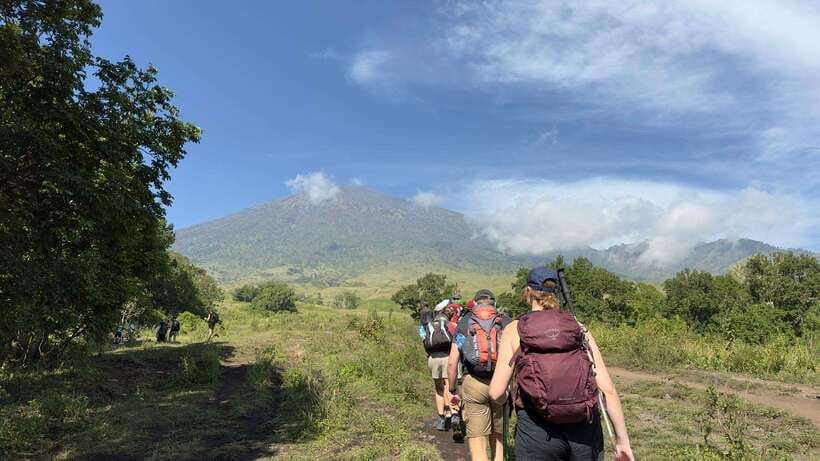
Day two starts early: you wake at 2:30 AM, grab a light breakfast, and begin climbing at 3:00 AM to reach the summit for sunrise. If you’re not used to pre-dawn starts, treat this as part of the challenge. It’s easier when you’re mentally ready before you’re tired.
The climb is described in stages, and that pacing detail is important. It tells you what kind of effort you’re about to do.
Stage one: moderate climb for about two hours
The first leg is a moderate climb for around two hours. This is your time to settle into rhythm. Don’t burn matches early. Use the guides’ pace and keep your effort steady.
Stage two: fairly easy, long trek
Next comes a segment that’s fairly easy but long. That sounds good on paper, but long means fatigue builds. You’ll want to keep moving efficiently and not waste energy on constant stops.
Final hour: very steep and difficult
Then the trail throws you the curveball: the last hour is very steep and difficult. This is where having the guide and porters matters. Even if you feel strong on the earlier sections, steep final climbs can suddenly tax your legs and breathing.
When you reach the top, the reward is simple and unforgettable. The sunrise-from-the-summit goal isn’t just about clouds and light. You’re looking across Lombok, Bali, Mt. Tambora in Sumbawa, and Segara Anak Lake. That’s a wide view that makes the island-scale geography feel real.
After sunrise: descend, breakfast, then down to Sembalun
After sunrise, you descend to the crater rim and have breakfast. Then you rest and continue the descent toward Sembalun village for about 4–5 hours.
You’ll also have a lunch option around Post 3 or Post 2, and the plan aims to get you back to Sembalun village around noon. That timing is practical. It means you’re not arriving late, exhausted and scrambling for transport.
The guide and porter team: your safety net on steep ground
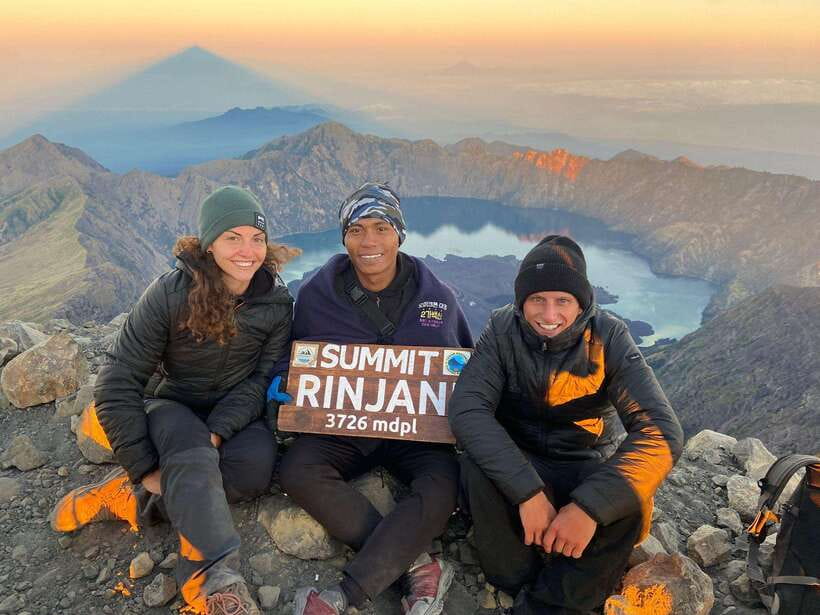
This is one of the biggest reasons the experience gets strong feedback: the trip is built around an experienced English-speaking guide plus professional porters. In high-altitude conditions, the guide’s job is more than storytelling. They help manage pacing, breaks, and safety decisions while you’re moving in the dark and dealing with steep sections.
Porters carry the cooking utensils and camping equipment, so you’re not lugging heavy loads up the mountain. That changes the whole feel of the hike. You can focus on your steps and breathing instead of the weight on your shoulders.
Your guide team also helps with the rhythm of the day:
- structured stops at Posts 1–3
- a longer reset at Post 3
- a clear summit timing plan for day two
- a descent schedule that gets you back without prolonging the ordeal
If you like having someone who clearly knows the flow of the trail, this style fits you.
Also, the language support is real value. You’ll have English and Indonesian options, which helps if you have questions about gear, footing, or your pace.
Camp life at Sembalun Crater Rim: meals, water, and toilets
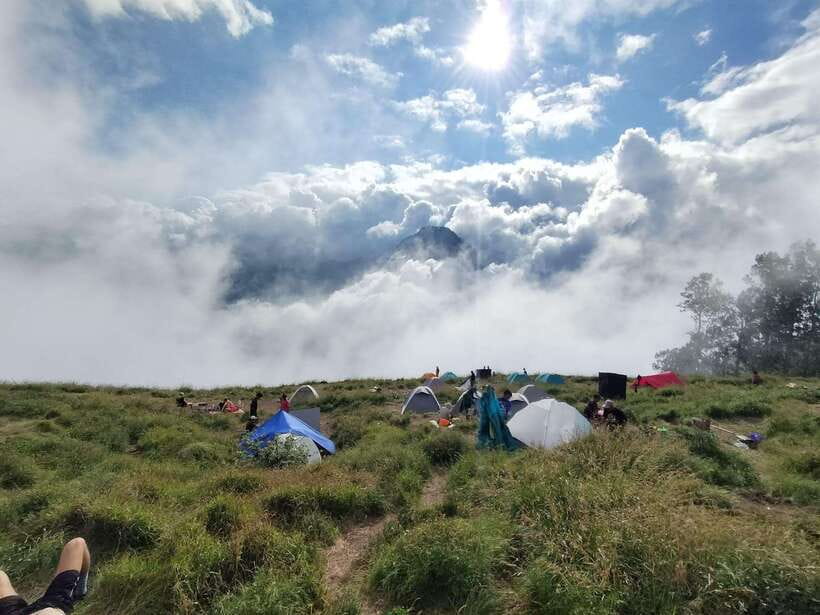
Overnight at the Sembalun Crater Rim is not a “hotel night.” It’s camping, and it’s at altitude, so it will feel cold compared to sea level. The good news is that the tour includes a lot of the camp setup so you’re not improvising.
Included camp gear:
- Tent
- Sleeping bags
- Sleeping mat
- Toilet tent (and toilet paper)
That matters because the biggest comfort problems on mountain nights are usually basic. If you’re cold or uncomfortable in your sleep setup, you’ll suffer the next morning. Here, the essentials are handled.
Food and drinks are planned across both days
You’ll get 3 meals a day, plus fruit like pineapple and banana. Tea and coffee are included, and you have water throughout (again, listed at 3 liters per day/person).
One thing I like about the structure is that day one includes a long 2-hour rest at Post 3 after lunch. That gives your body time to settle before you head up to camp. On summit morning, you only get a light breakfast before the climb, which makes sense since you’re starting very early and likely want food you can digest easily.
Expect cold and be ready to manage yourself
The tour information explicitly warns about cold temperatures at higher altitudes. This isn’t optional. Bring warm clothing and keep it simple: layers you can add or remove as you climb and as you stop moving.
Also note the comfort angle: there’s a toilet tent, but you should still expect a basic setup. Plan to keep things simple and follow the guide’s instructions.
Price and value: what $133 really covers
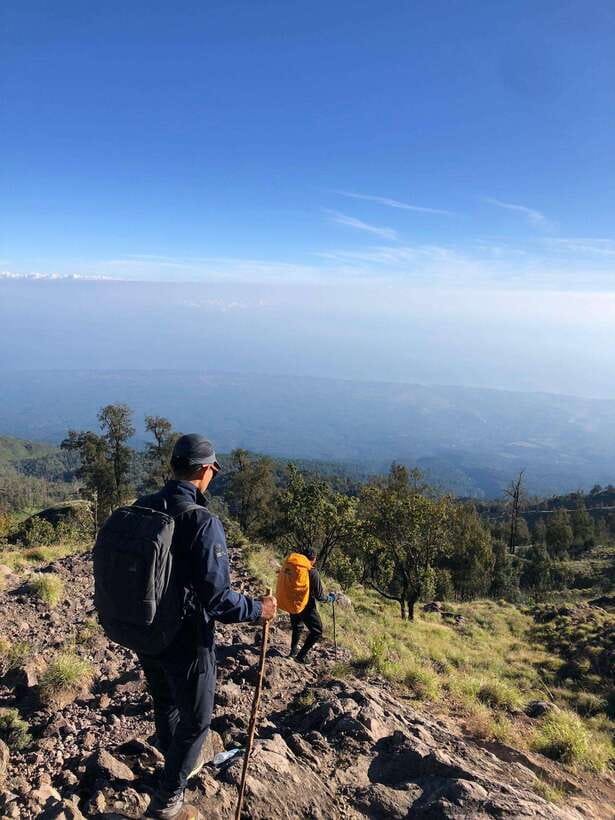
At about $133 per person, the value is mainly in logistics. You’re paying for the hard-to-arrange parts: guide and porters, cooking and camping equipment transport, and a full food plan across two days.
Here’s what’s included that reduces your costs and stress:
- Hiking guide and porters (including carrying cooking utensils and camping equipment)
- Experienced English-speaking guide
- Food and drinks during the trek, including tea and coffee
- Tent, sleeping bag, and sleeping mat
- Toilet tent and toilet paper
- Mineral water (listed as 3 liters per day/person)
- Pick up from the Senaru area around your hotel (pickup optional, with a driver holding your name)
- Transportation to the starting point
- Storage in the office for your backpack (what you don’t need for the hike)
- Trekking insurance
And here’s what is not included, so you don’t get surprised:
- National Park Rinjani entry ticket
- Trekking shoes, trekking pole, headgear, jacket, and warm clothes
- Extra tips for guide and porter
- Extra medical checkup
- Any extra payments to places like Kuta Lombok and the airport (as applicable)
My take: this price makes sense if you want a guided summit trek with camping gear handled and you don’t want to source a full kit yourself. If you already own all the right gear and know exactly how you’d manage permits and porters, the savings may be smaller. But for most people, the included support and equipment are the reason this feels good value.
One more practical note: this trek is listed as not suitable for certain people, including children under 10 and people with back or heart problems, and it’s not for pregnant women. If any of that applies, don’t try to force it.
What to bring for cold ridges and a smooth descent
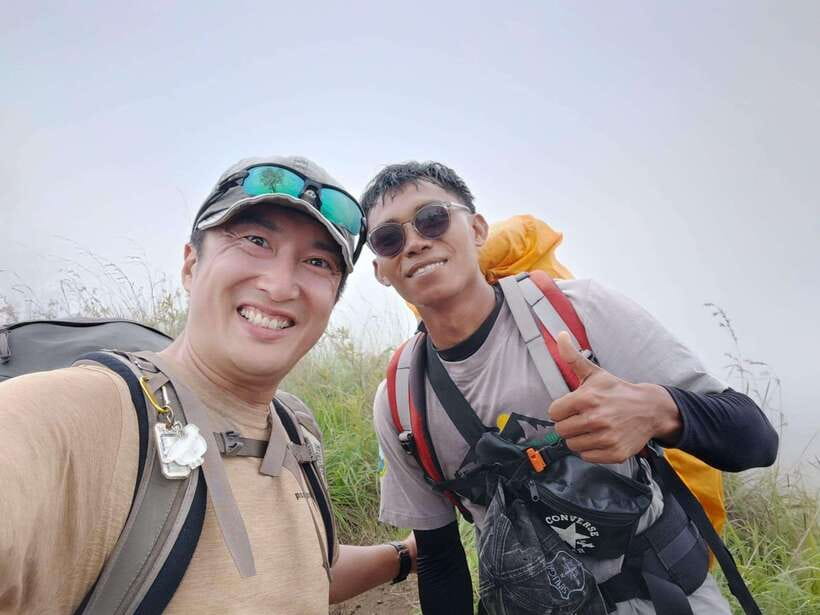
The tour’s packing list is clear. Bring:
- Warm clothing
- Hiking shoes
- Water (the tour provides water, but you should still plan smart)
- Camera
- Snacks
The guide also suggests using warm layers because higher altitudes can get very cold. Even if you expect sunshine, pre-dawn sunrise attempts can feel brutal.
Gear that is not included, so plan to rent or bring your own:
- Trekking shoes
- Trekking poles
- Headgear
- Jacket
- Warm clothes
If you don’t have a daypack, the tour notes it may be possible to rent a small backpack/daypack. You’ll want a small pack for personal items and snacks, while porters handle the heavy cooking and camping equipment.
Also: no smoking. Simple rule, but it’s a good one to remember on mountain safety grounds.
A small planning trick: snacks for the “in between” moments
Even with meals included, you’ll still want personal snacks for those gaps when you’re waiting at posts or on the final steep push. Keep it light and easy to eat. You’re not trying to win a food contest. You’re trying to keep energy steady.
Who should book this (and who should skip it)
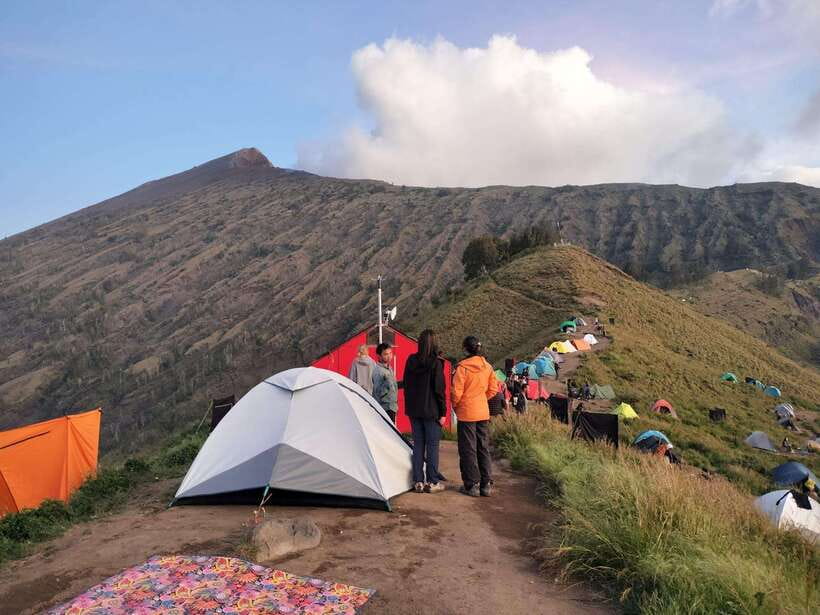
This trek is for people who:
- handle steep climbs and early mornings
- are comfortable with cold at altitude
- want a guided plan with camping support and meals included
- want a summit sunrise experience in a tight 2-day window
It’s especially appealing if you like the idea of sleeping at the rim, then watching sunrise from the summit. You also get a real visual map of the region with summit views over Lombok, Bali, Sumbawa’s Mt. Tambora, and Segara Anak Lake.
Skip this trek if you:
- are pregnant
- have heart problems or back problems
- are traveling with children under 10
That’s not just a checklist. The last hour to the summit is described as very steep and difficult, and your safety depends on being physically ready.
Should you book this Mount Rinjani 2D/1N Summit Trek?
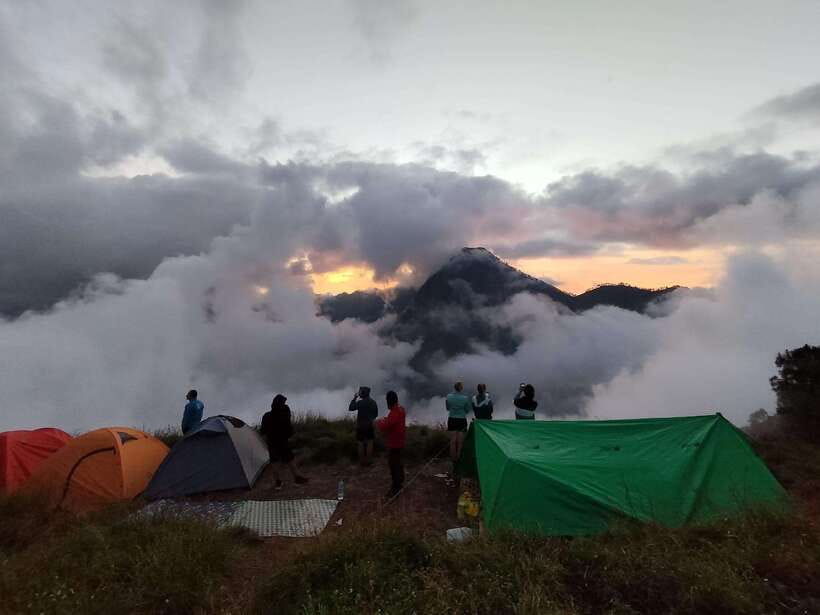
If your main goal is sunrise from the summit and you want a clear, guided plan with camping gear handled, I’d say book it. This is a solid value package because it includes the guide, porters, food, water, and the basics for sleeping and using the toilet at altitude. The itinerary is built for a reason, and the posts and camp at Sembalun Crater Rim make day two more manageable.
I’d hesitate only if the idea of a 2:30 AM wake-up, cold temperatures, and a steep final hour sounds like too much. In that case, you may enjoy Rinjani more with a less intense itinerary.
FAQ
FAQ
How long is the Mount Rinjani 2D/1N summit trek?
The trek runs for 2 days.
Where do you camp overnight?
You camp at the Sembalun Crater Rim.
What time do you start climbing on day two for sunrise?
You wake at 2:30 AM and start climbing at 3:00 AM.
What does the itinerary include on day one?
After pickup and transfer from Senaru, you trek from the Rinjani Information Center through Posts 1 and 2, then stop at Post 3 for lunch and a longer rest before continuing to the crater rim for the night.
What can you expect on the summit climb?
The day two climb includes a moderate first stage (about 2 hours), a fairly easy but long stage, and a very steep and difficult last hour.
What views do you get from the summit?
From the summit you can see Lombok island, Bali, Mt. Tambora in Sumbawa, and Segara Anak Lake.
How much water is provided during the trek?
The tour includes 3 liters of mineral water per day/person.
What meals and drinks are included?
You get 3 meals a day, plus tea and coffee, and fruit such as pineapple and banana.
What is not included?
You’re responsible for the National Park Rinjani entry ticket, and you also need your own trekking shoes, trekking pole (not included), headgear, jacket, warm clothes, and any extra tips.
Is the guide available in English?
Yes. The tour includes a live guide in English and Indonesian, and porters support the group.