REVIEW · INDONESIA
Mount Rinjani: 2-day 1-night Guided Summit Trek with Meals
Book on GetYourGuide →Operated by Star rinjani · Bookable on GetYourGuide
Rinjani tests your legs—and rewards your eyes. This 2-day, 1-night summit trek from Senaru is built around a small group and an overnight on the mountain, plus meals and an English-speaking local guide. I especially liked the small group of 4 and the way porters carry the heavy load.
You’ll hike hard, sleep on the slopes, then go after the summit the next day. The vibe stays human: local guides, local crew, and a pace that’s realistic enough to help you keep moving when your legs start filing complaints.
One thing to consider: the ride to the trail can be bumpy. One review called out about an hour in a pickup truck that can really hurt your back, so a little cushion helps.
In This Review
- Quick hits before you go
- Entering the Rinjani game from Senaru
- Day 1: your first grind and the overnight on the mountain
- Summit day: early push, brutal final ascent, and guide pacing
- Meals and camp support: the stuff you’ll be thankful for at 3,000m+
- Price and value: what you’re really paying for at $126
- Gear you should plan for (and what to double-check)
- The ride reality: pickup, bumpy roads, and back-saving tricks
- When not to book: fitness and health realities for altitude
- Weather timing: when the trek is closed
- Should you book this Mount Rinjani summit trek?
- FAQ
- How long is the Mount Rinjani trek?
- What’s included in the trek meals?
- Do I need to bring trekking poles and a headlamp?
- What does the tour provide for sleeping and camping?
- Is hotel pickup included?
- When is Rinjani trekking closed?
Quick hits before you go
- Small group (up to 4) keeps the experience flexible during a tough route
- Local English-speaking guides and porters make the logistics feel manageable
- Meals + extra snacks and water matter on a long summit push
- Overnight on the mountain saves time and keeps you in trek-mode
- Summit day is not casual—some people won’t make it, so mental prep counts
Entering the Rinjani game from Senaru
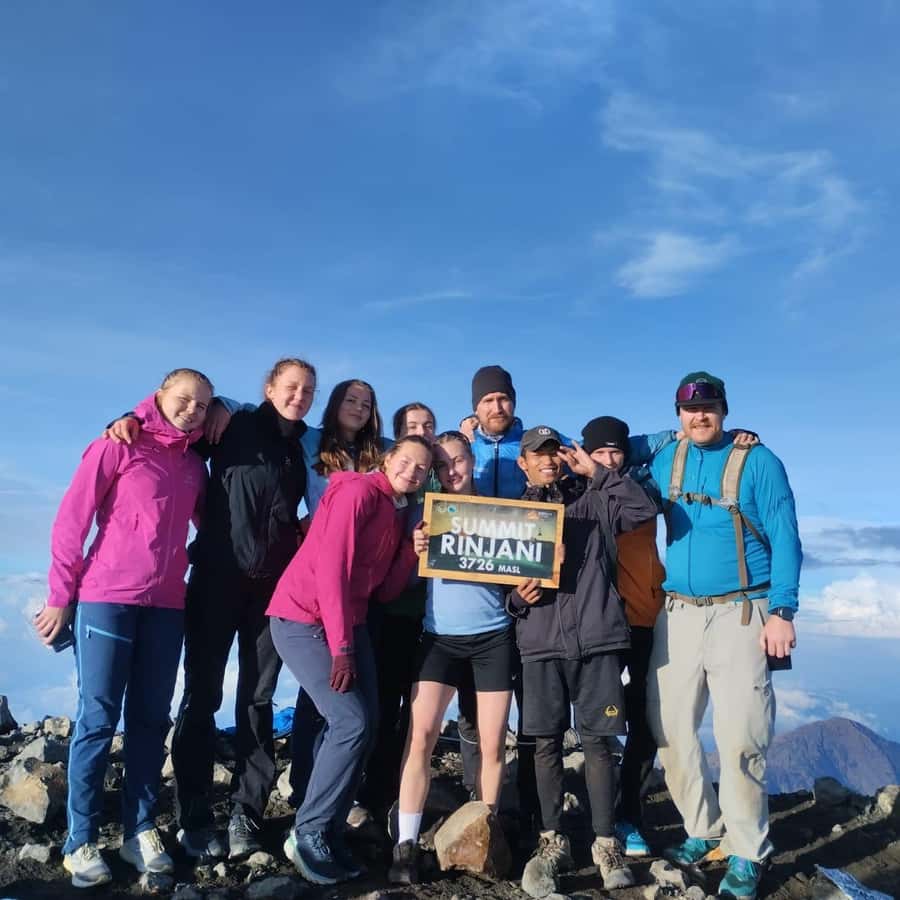
Mount Rinjani sits in West Nusa Tenggara, and most summit treks start from the Senaru area. This package is designed for the kind of hike where you earn the views. It’s not a sightseeing stroll. It’s guided, structured, and stamina-heavy.
Star Rinjani runs the show with a local English-speaking guide and a local porter team. You get pickup from selected hotels, plus transportation pickup from Senaru. That combination matters because Rinjani hikes run on tight timing—especially if you’re trying to reach the summit daybreak-to-morning window.
This is also a shared setup, but the group size stays small (limited to 4 participants). In practice, that means fewer people to wait on and a better chance of adjusting pacing when someone is struggling with the climb or the cold at altitude.
You can also read our reviews of more tours and experiences in Indonesia.
Day 1: your first grind and the overnight on the mountain
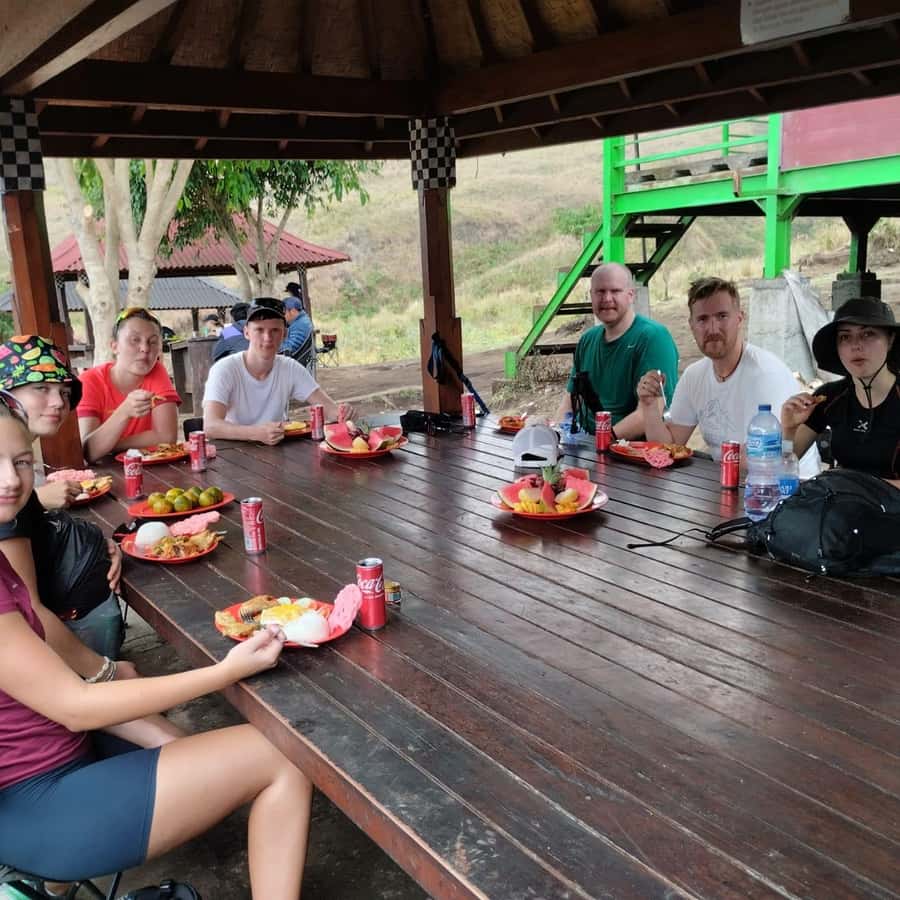
Your first day is built around getting you moving toward the high zone where the overnight happens. The included package covers trekking equipment like tents, toilet tents, and mattresses, so you’re not solving camping logistics while your body is trying to survive the grade.
Expect day 1 to feel long and leg-sore. That’s the whole point. Rinjani doesn’t care about your plans. The slope forces patience. You’ll likely notice that the hardest part isn’t just the steep sections—it’s the slow burn of continuous effort. Your guide’s job is to keep you from sprinting early and burning out before you even reach camp.
Meals on the trek are included—breakfast, lunch, and dinner—plus extra snacks, water, and cooking gear support. What I like about that setup is simple: when you’re climbing high and cold, hunger and dehydration sneak up fast. The snack and water coverage helps you stay steady rather than guessing when your body needs fuel.
You’ll sleep on the mountain overnight, not in a comfortable hotel. That’s why having tents and mattresses included is a big deal. At altitude, conditions can get damp and chilly. You’ll be glad the camp is set up for you.
Summit day: early push, brutal final ascent, and guide pacing
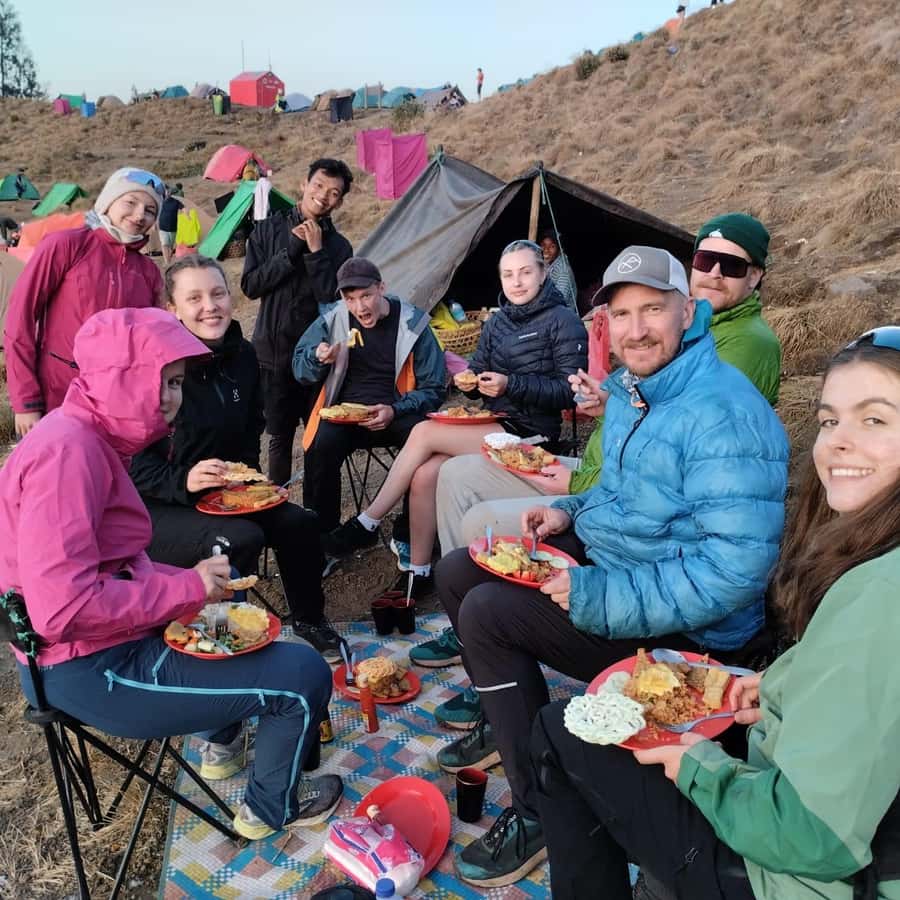
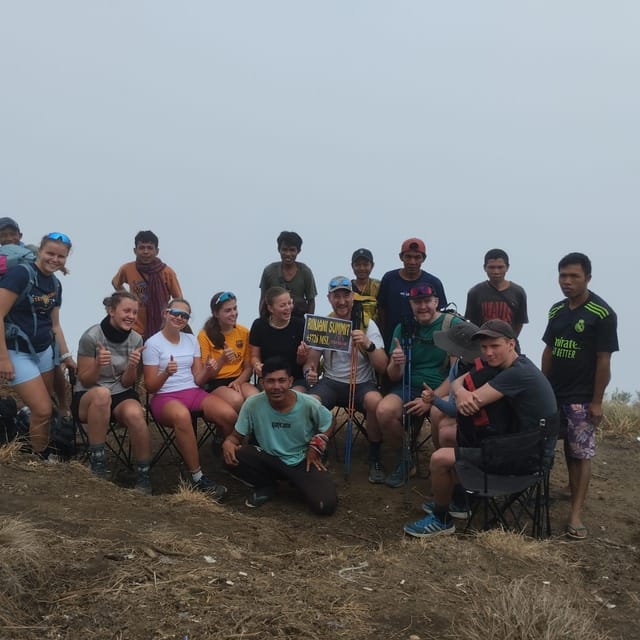
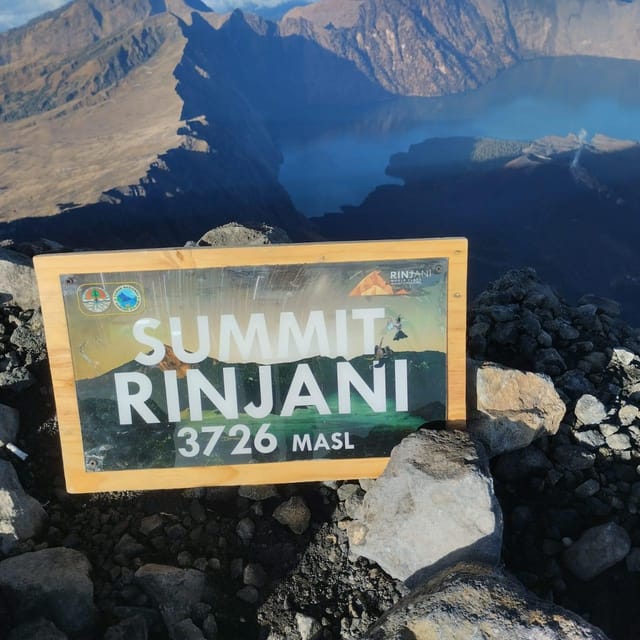
Summit attempts on Rinjani are famous for one reason: the final ascent can be seriously hard. One review made it clear that not everyone made it to the summit, which is actually a good reality check. You’re signing up for challenge, not a guaranteed victory photo.
Your guide matters here. Star Rinjani uses local guides, and reviews mention names like Apok, Ijan, Arif, and Salma. The consistent theme is that the team stays supportive and keeps you organized—especially when the climb turns steep and your breathing gets dramatic.
Here’s the practical part: you should plan to go slow. If you treat the summit day like a race, you’ll lose time later, not gain it early. A good guide helps you pace so your legs last through the hard sections and you don’t feel helpless when fatigue peaks.
Also, be prepared for the emotional roller coaster. The climb can shake confidence—then you hit a rhythm, see the air getting thinner, and suddenly it clicks. Even people who have climbed plenty of mountains still find Rinjani’s summit day a workout.
Meals and camp support: the stuff you’ll be thankful for at 3,000m+
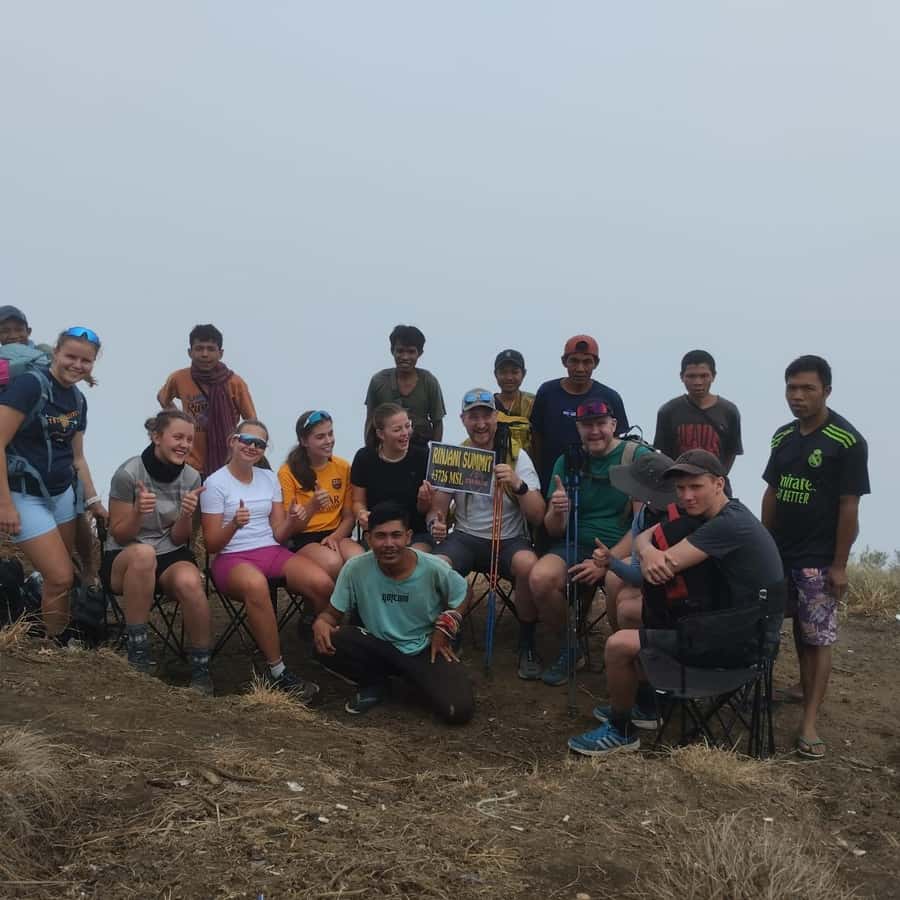
It’s easy for tour pages to list meals. The smarter question is: do they feed you in a way that helps you keep going?
In this package, you get breakfast, lunch, and dinner during the trek, plus extra snacks, water, and additional meal support. Reviews praise the crew for keeping trekkers well fed and energized between meals. That’s a big deal because summit day spacing is what prevents you from bonking.
There’s also a practical comfort factor: the included camping setup includes cooking gear and tents/toilet tents/mattresses. That means you’re not stuck with a gear list and a vague promise. You’ll be using an actual camp setup built for trekkers, which helps when your energy is low and your hands are cold.
One more detail that comes up in reviews: the guides and crew are described as kind and fun, not stiff. That matters on a hike where the day is long and the temperature swings can mess with your mood. A friendly guide keeps the group moving while also checking in so nobody gets left behind.
Price and value: what you’re really paying for at $126
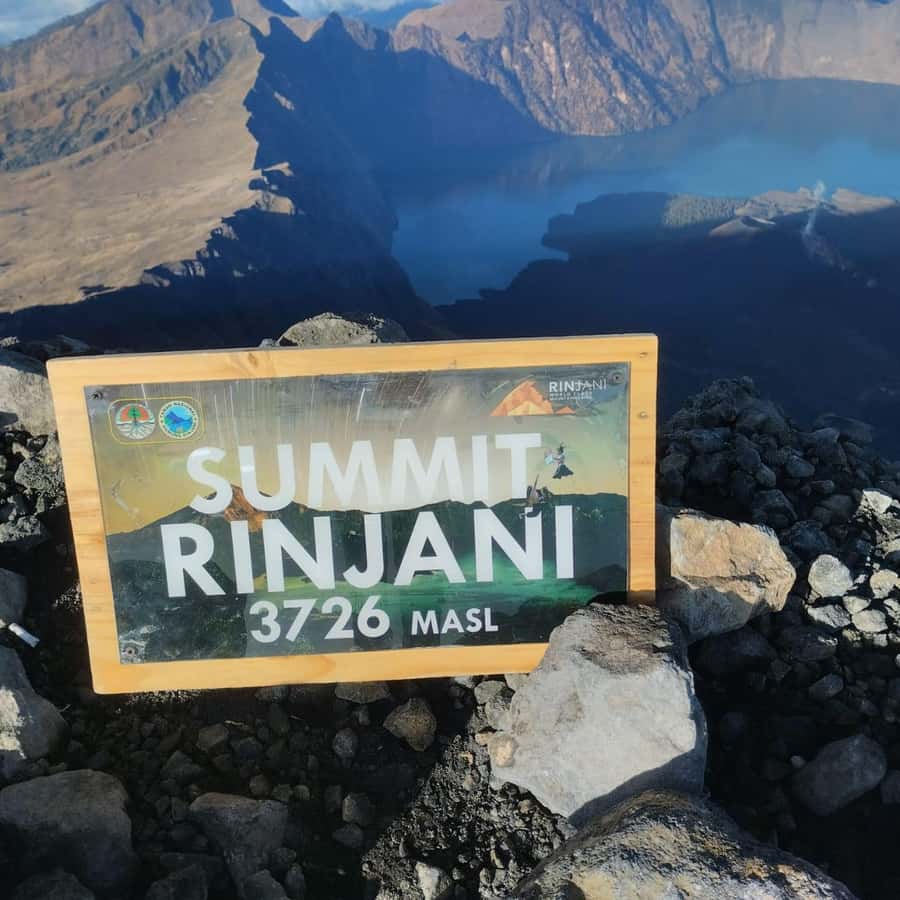
At $126 per person, this trek is positioned as affordable for what’s included. The value isn’t just the summit goal. It’s the package of responsibilities Star Rinjani takes off your plate:
Included items cover a local English-speaking guide, local porter, trekking insurance, and trekking equipment like tents, toilet tents, and mattresses. You also get meals (breakfast, lunch, dinner), cooking gear, and extra snacks and water. That’s basically the difference between a guided expedition and a DIY mess.
Now for the trade-offs. Not everything is included, and missing items can turn into stress right when you don’t need it:
- Trekking pole is not included
- Head light/flashlight is not included
- Jacket and clothing are not included
- Your transfer drop-off after the trek is not included
So the real value equation is: if you already have the right gear, this price is strong. If you need to rent or buy equipment, factor that cost in before you call it a deal.
Bottom line: for a small group summit trek with a guide, porters, camp equipment, and real meal coverage, $126 is reasonable. Just don’t treat it like a budget hike that covers everything.
Gear you should plan for (and what to double-check)
Don’t wait until the last minute. Rinjani is a place where your gear affects your comfort and your ability to keep moving.
What to bring (based on the package guidance) includes:
- Comfortable shoes
- Change of clothes
- Camera
- Clothes that can get dirty
- Daypack
- Cash
- Flashlight
- Charged smartphone
That flashlight point matters. Even if you’re not hiking in darkness the whole time, camp life and early starts need light.
Also, the trek guidance says trekking poles aren’t included, and headlight/flashlight isn’t included either. If you’re comfortable using trekking poles, bring them. If you don’t, consider renting poles locally.
One nice thing from reviews: Star Rinjani staff offered support for renting equipment some people didn’t have. That can reduce pre-trip shopping panic. Still, I’d recommend you bring your core items (boots, a flashlight, and warm layers if you can) so you’re not relying on last-minute rentals.
Clothing that gets dirty is part of the deal. You’re going on a volcano trek. Your pants will remember it.
The ride reality: pickup, bumpy roads, and back-saving tricks
You’ll get pickup from selected hotels, and there’s also transportation from Senaru. One review flagged a roughly hour-long pickup truck ride that hurt the back.
This is the practical travel lesson: road comfort can be worse than you expect, especially on rough terrain. If you’re sensitive to bumpy rides, pack a small cushion or choose sitting position carefully. It’s not glamorous, but your summit day depends on arriving with your legs and back ready to go.
When not to book: fitness and health realities for altitude
This is where you need to be honest with yourself.
The tour is not suitable for:
- Pregnant women
- People with altitude sickness
- People with low level of fitness
If you’ve never trained on hills, don’t assume Rinjani will be fine because you’re determined. The summit day can be steep and exhausting. Also, altitude sickness is not something to “push through” like a bad movie.
If you have any medical condition that could complicate altitude, check with a professional before booking. That’s not fear-mongering—it’s good risk management.
Weather timing: when the trek is closed
The package notes that Rinjani trekking is closed in January, February, and March due to the rainy season. So if you’re planning a Lombok volcano trip in those months, don’t count on this summit trek running.
If you’re traveling outside those months, you’ll still want to assume you’ll face wet and cold conditions at elevation. Pack accordingly and plan for changing weather.
Should you book this Mount Rinjani summit trek?
Book it if you want:
- A small group experience with up to 4 people
- A real guided summit attempt where porters handle heavy carrying
- Included meals, snacks, water, and camp gear so you can focus on hiking
- English-speaking local guidance and supportive crew (guides mentioned include Apok, Ijan, and Salma)
Skip it (or choose a different plan) if:
- You have low fitness and aren’t willing to train for a hard climb
- You’ve had altitude sickness issues before
- You’re expecting luxury comfort or a gentle pace
- You’re not ready for a bumpy transfer day and a cold overnight
If you’re mentally ready for the fact that the final ascent is tough and not everyone reaches the summit, this trek makes a lot of sense. You’ll come away with that specific kind of proud tiredness—boots muddy, lungs working, and a view that feels earned.
FAQ
How long is the Mount Rinjani trek?
The experience is described as a 2-day, 1-night guided summit trek, but the duration is also listed as 1 day for scheduling. Check availability for the exact starting times.
What’s included in the trek meals?
Meals included during the trek are breakfast, lunch, and dinner. You also get extra snacks, meals, and water during the hike.
Do I need to bring trekking poles and a headlamp?
Trekking pole is not included, and head light/flashlight is not included. The recommended packing list includes a flashlight.
What does the tour provide for sleeping and camping?
The package includes trekking equipment such as tents, toilet tents, and mattresses, plus cooking gear. It also includes an overnight stay on the mountain.
Is hotel pickup included?
Pickup is included from selected hotels, and there is also transportation pickup from Senaru. Drop-off after the trek is not included.
When is Rinjani trekking closed?
Rinjani trekking is closed in January, February, and March due to the rainy season.