REVIEW · POKHARA
10 Days Private Guided Annapurna Basecamp Trek via Poon Hill
Book on Viator →Operated by MTA Trekking · Bookable on Viator
A trek that starts with a sunrise and ends with hot spring steam sounds about right. This 10-day private route in Nepal links Poon Hill and Annapurna Base Camp with a guided, practical rhythm through villages and forests.
I like that the trip is built around real trekking days (with stone steps, long descents, and real altitude), not just scenic stops. You’ll also get trekking poles plus most meals handled, which makes “what do we do for lunch” a lot less annoying.
One thing to think about: this is a high-altitude trek with steep days, and the package doesn’t include comfort extras like hot showers, WiFi, or battery charging while you’re on the trail.
In This Review
- Key things that make this trek a smart choice
- Poon Hill sunrise plus Annapurna Base Camp, in one clean plan
- Pokhara to Nayapul: start with a drive, then earn your altitude
- Ulleri and Ghode Pani to Ghorepani: village trekking with a rhythm you can manage
- Waking up for Poon Hill: the sunrise target you’ll remember
- Chhomrong and the forest days: easier walking, then a real change of scenery
- Hinku Cave area and Deurali: when views take a break
- To Annapurna Base Camp: Modi Khola valley and the glacier payoff
- The long downhill back toward Deurali: productive, tiring, and good for clearing your head
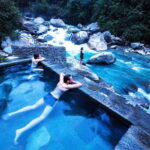
- Jhinu Danda hot spring: the included recovery reward
- What you actually get for the price (and what you don’t)
- Guides, pacing, and the kind of support that matters at altitude
- Should you book this Annapurna Base Camp via Poon Hill trek?
- FAQ
- What’s the total duration of the trek?
- Is pickup included?
- What is included in the trek package for meals and equipment?
- Are porter and trekking insurance included?
- Will there be WiFi or battery charging during the trek?
- When is the Poon Hill sunrise timing?
- How flexible is cancellation if plans change?
Key things that make this trek a smart choice
- Poon Hill sunrise timing (early start, around 5:15–6:15 am) gives you a fixed target for clear skies
- Ulleri’s step-heavy start sets the tone early, with a big reward when you reach the village
- Guides like Lalit and Kajidai have a reputation for careful pacing and smooth logistics
- Annapurna Base Camp arrival is framed by day-changing views, including Fishtail and Annapurna I timing
- Jhinu Danda hot spring is included as your muscle reset after the long downhill stretch
- Meals plus poles included, but no hot shower/WiFi/battery charging on trek days
Poon Hill sunrise plus Annapurna Base Camp, in one clean plan
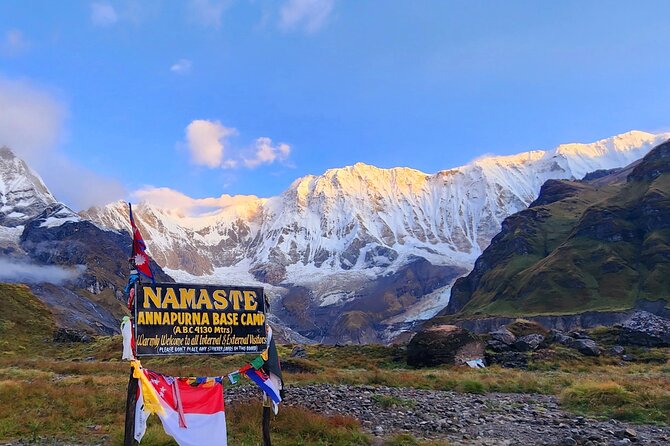
The best part of this route is that it doesn’t ask you to choose between two top Annapurna experiences. You’ll do the classic early morning “where should we stand” moment at Poon Hill, and then you’ll push on to Annapurna Base Camp at 4,130 m (13,550 ft). That combination matters because each peak hit delivers a different feeling: Poon Hill is about sunrise drama over the range, while Base Camp is about being surrounded by high Himalayan walls.
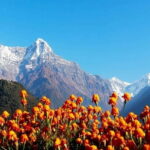
This also helps with decision-making on the ground. If you’re the type who worries about whether you picked the right trek, having both objectives in one trip gives you more chances for those big moments. Spring also matters here. The route description calls out rhododendron forests and clear mountain air in the season when the trail is often at its prettiest.
You can also read our reviews of more tours and experiences in Pokhara.
Pokhara to Nayapul: start with a drive, then earn your altitude
Most people come to Nepal via Pokhara, and this trek fits that reality. You get pickup and you’ll drive to Nayapul, then start trekking from there. It’s about a 2-hour drive before you’re walking, which is a good setup if you want to avoid spending your first day completely in transit.
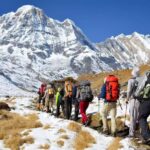
Then comes the reality check: the route begins with a tough ascent to Ulleri, described as over 3,000 stone steps. That sounds brutal because it is. But it’s also practical. Step climbs are predictable. They slow you down naturally, and they let your guide manage pace without fancy gear or complicated decision-making. You’re not guessing what to do—you’re just working.
Practical tip: if you tend to get stiff, plan on shorter steps and steady breathing rather than trying to “win” the steps.
Ulleri and Ghode Pani to Ghorepani: village trekking with a rhythm you can manage
From Ulleri, the route carries you toward Ghode Pani and onward to Ghorepani. Expect roughly 6–7 hours on one of these days, with lots of stone steps early on. The route description also notes that once you get past Ulleri, the trail becomes more relaxed. That pattern is common in this area: harsh uphill first, then a more manageable walking rhythm.
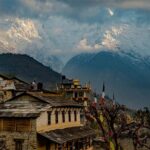
As you move through local villa-style areas and terraced fields, you’ll get a sense of how trekking supports everyday life. This matters more than you’d think. Teahouse trekking isn’t just a tourist service—it’s a local economy, and the trail passes through communities like Gurung and Magar villages.
One small drawback: step-heavy days mean your knees feel it later. If you’re prone to knee pain, bring a plan—tread slowly on descents, use trekking poles, and don’t treat downhill like it’s free.
Waking up for Poon Hill: the sunrise target you’ll remember
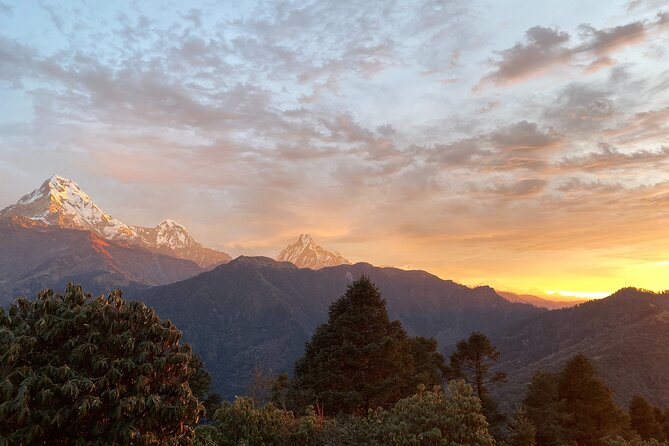
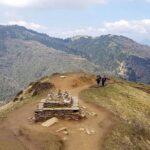
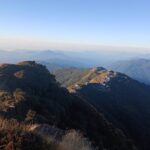
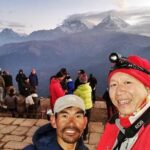
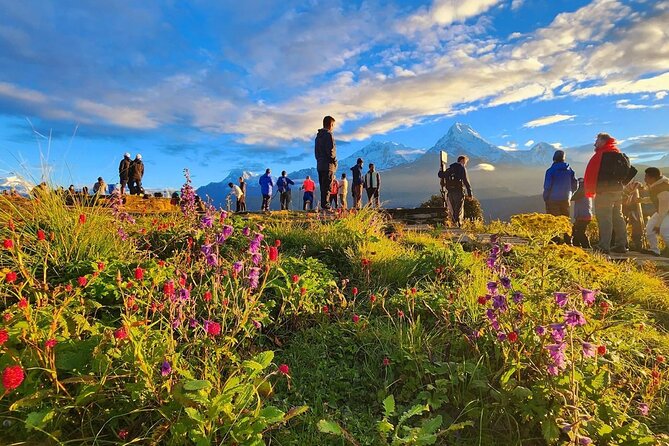
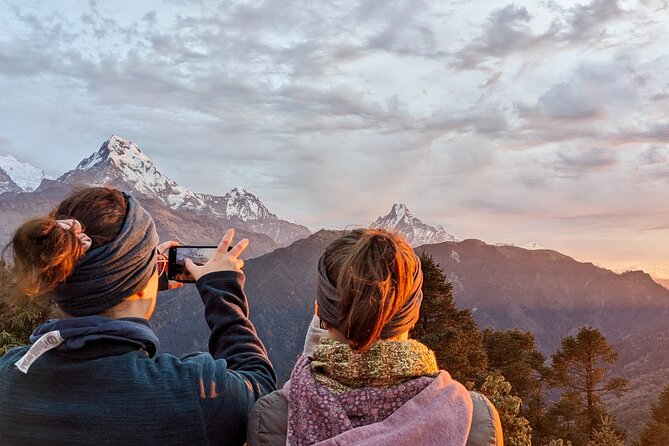
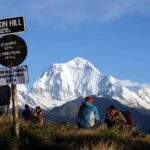
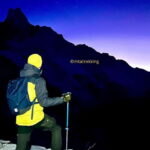
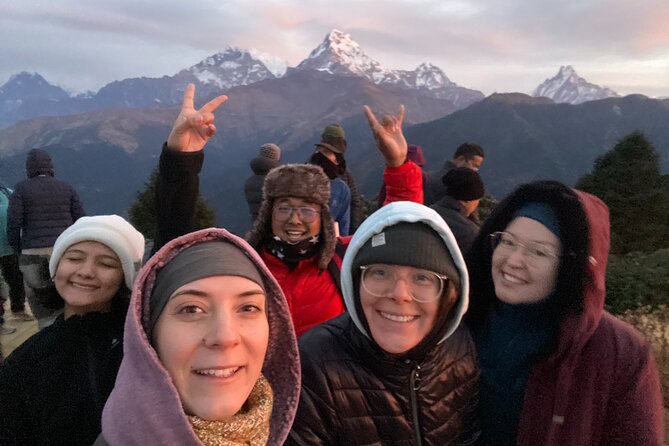
Poon Hill is the photo-famous moment, but it’s also the timing-famous moment. Your day starts early, with sunrise expected around 5:15–6:15 am, and you’ll trek about 1.5 hours up to the viewpoint area.
The practical win here is that you’re not wandering around hoping. You’re moving toward a time window. That makes the morning feel purposeful, even if the early wake-up is less than glamorous.
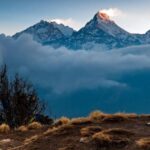
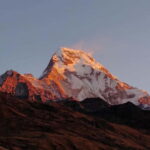
At Poon Hill, you can also grab a warm cup of tea or coffee while you wait. That sounds small, but on cold mornings it’s the difference between “I’m enjoying this” and “I’m counting minutes until I can move.” From the hill, the Annapurna range gets painted in sunrise hues—one of those visuals that sticks even after the photos fade.
What to do with your morning energy: bring layers. Even if the day later warms up, sunrise mornings at viewpoint altitudes can feel chilly.
Chhomrong and the forest days: easier walking, then a real change of scenery
After the early Poon Hill push, the route shifts toward Chhomrong. One day is described as easier going: a light climb, then descent toward Kimrong Khola, followed by a gentle ascent where the trail evens out. I like this kind of day because it lets you recover without feeling like you’re “taking a rest day.” It keeps your legs working and keeps your schedule moving.
You’ll also cross a swaying suspension bridge in the Chhomrong area. Bridges are more than drama—they help break up the rhythm. Plus, they’re usually a good spot for a quick look around and a short rest without losing time.
Then the trail heads into bamboo, rhododendron, and oak forest sections. Forest trekking isn’t just prettier; it often gives steadier footing than exposed paths, and it can cut wind. If weather is moody, shade and trees sometimes help you feel less exposed.
Hinku Cave area and Deurali: when views take a break
Not every day in the mountains gives you constant panoramas. One day includes trekking through a bamboo forest and climbing a steep hill toward Hinku Cave, with a note that mountain views are missed during that section. That’s important to understand up front: if you’re the kind of trekker who gets frustrated without constant sightlines, this trek may make you flex.
Still, this part isn’t wasted time. It keeps you moving through the real walking terrain between key points. Deurali is described as mainly a group of teahouses for trekkers, which usually means you’re not out on your own—you’ll have places to reset, eat, and adjust layers.
Also, don’t ignore how short this portion sounds on paper compared to other days. One shorter day can still feel demanding if you’re carrying fatigue from earlier step climbs.
To Annapurna Base Camp: Modi Khola valley and the glacier payoff
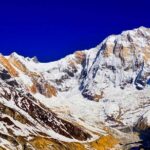
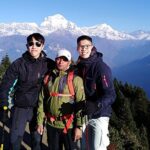
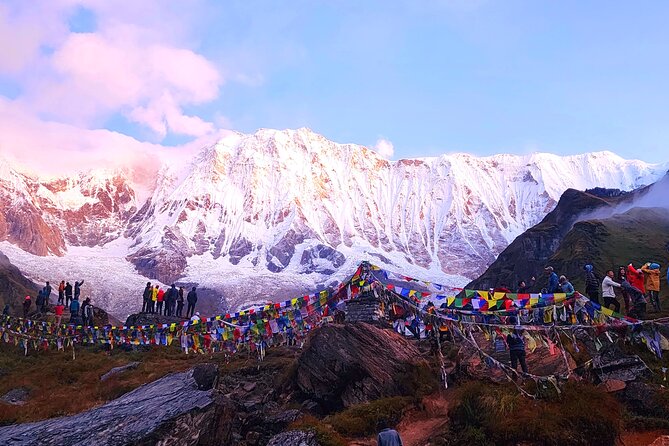
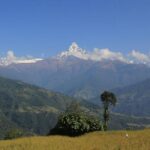
This is the day that ties everything together. The route describes trekking up the narrow Modi Khola valley toward Annapurna Base Camp, with sunsets over Fishtail and sunrises over Annapurna I as part of the experience timing. Add in a glacier in view, and you can see why this trek is so popular.
What I like about this approach is that it frames the day with both directional light and a high-altitude payoff. In other words, the mountain isn’t just the destination—it’s the story of the day. When you finally reach Base Camp at 4,130 m, you’re surrounded by a panorama of eight snow-capped peaks, which is the kind of visual scale that’s hard to describe and easy to feel.
A realistic consideration: Base Camp is high, and the final push can feel slower than earlier walking. Build in patience. Don’t try to force speed. Let your body adjust.
Practical tip: at higher altitudes, pace and breathing are more important than stride length.
The long downhill back toward Deurali: productive, tiring, and good for clearing your head
After Annapurna Base Camp, one day is described as lengthy, mostly downhill. Another day earlier in the trek already included downhill, but this stretch is more significant. Downhill trekking can be mentally easier because you can see what’s below, but it’s physically harder on muscles and joints.
If you’re going to use your trekking poles, this is the time. Poles don’t make downhill easy, but they can help you reduce strain and keep your steps controlled.
Also note the emotional rhythm here: reaching Base Camp is a peak moment, and then the mountain starts pulling you away again. If you handle emotions like I do—quietly, while walking—this day can feel like a slow exhale.
Jhinu Danda hot spring: the included recovery reward
The endgame has a smart reward. Jhinu Danda Hot Spring is included, giving you about an hour to soak after the earlier downhill work.
The route describes a day that starts with an uphill trek to Kuldighar, then you drop down toward Chomrong River, climb stone steps back to Chomrong village, and continue down to Jhinu Danda. In other words, you’re not fully done with effort when you think you’re done. That’s why a hot spring matters.
Hot water along the Modi Khola area is the sort of practical pleasure that makes the trek feel complete. Your legs will likely complain less after soaking, and your brain gets a break from “just keep moving.”
What you actually get for the price (and what you don’t)
At $800 per person for an approximately 10-day private guided trek from Pokhara, the value is mostly in three areas:
First, you’re paying for a dedicated guide for the route, timing, and day-to-day decisions. Private guiding matters on trekking trips because small changes (how fast you climb, when you rest, how you handle cold morning starts) can make the difference between smooth progress and stress.
Second, the package includes practical essentials: trekking poles plus meals. You get 10 lunches, 10 dinners, and 9 breakfasts. That reduces planning and money headaches day after day.
Third, you get a structured route with key highlights built in—Poon Hill sunrise, Annapurna Base Camp, and Jhinu Danda Hot Spring included.
What you should not expect: hot water/hot showers, WiFi, or battery charging during trek days. You’ll also need to plan for trekking insurance separately, and the price lists porter as not included. Tips are also not included.
This doesn’t mean you’ll suffer. It just means you’ll need the right mindset: tea house basics, cold-to-moderate routines, and recovery through rest and that hot spring soak.
Guides, pacing, and the kind of support that matters at altitude
One theme that comes through in the experience is care and pacing. Guides associated with MTA Trekking, including Lalit and Kajidai, are described as kind and attentive, with help for trekkers who are slow or who prefer not to rush. That’s a big deal. In the Himalaya, “slow” is often the correct choice, not the wrong one.
It also helps that trekking poles can be provided if you don’t bring any. That’s not just convenience—it’s safety. Good poles help you keep balance on uneven stone steps and reduce knee shock.
If you like traveling with a plan but still want flexibility, private guiding fits you well. Your group is the only group participating, and that usually means less waiting around and more time for your needs.
Should you book this Annapurna Base Camp via Poon Hill trek?
If you want the two best-known moments in the Annapurna region—the Poon Hill sunrise and Annapurna Base Camp—and you’d rather have a guide manage the flow, this is a strong choice. It’s also a good fit if you’re comfortable with days that include lots of steps and at least one longer downhill stretch.
I’d be more cautious if you need guaranteed comfort upgrades. The package doesn’t include hot showers, WiFi, or battery charging during trekking, and at altitude you’ll need to accept basic teahouse routines. And if knees are a weak spot, plan on taking downhill carefully.
Overall, for $800, the mix of meals, poles, private guiding, and the included hot spring recovery makes it feel like a well-rounded way to do a serious trek without overthinking the details.
FAQ
What’s the total duration of the trek?
The trek is listed as 10 days (approx.) with a route that starts from the Nayapul area and finishes with a drive back to Pokhara.
Is pickup included?
Yes, pickup is offered.
What is included in the trek package for meals and equipment?
The package includes trekking poles and meals: lunch (10), dinner (10), and breakfast (9). It also includes Jhinu Danda Hot Spring (about 1 hour).
Are porter and trekking insurance included?
No. Porter is not included, and trekking insurance is not included.
Will there be WiFi or battery charging during the trek?
No. Hot water/hot shower, WiFi, and battery charge during trekking are listed as not included.
When is the Poon Hill sunrise timing?
The sunrise at Poon Hill is described as occurring between about 5:15 am and 6:15 am.
How flexible is cancellation if plans change?
You can cancel up to 3 days in advance for a full refund. If you cancel less than 3 full days before the start time, the amount paid is not refunded.