REVIEW · SICILY
ETNA Summit Craters Trekking
Book on Viator →Operated by ETNAHIKER · Bookable on Viator
Etna’s summit craters feel otherworldly. This 4.5-hour outing takes you up to the volcano’s highest zone for a guided walk among summit craters and the 2002 eruption craters in the Valle del Bove area—built for people who want more than a quick roadside stop.
I really like that the core gear is handled for you: trekking boots, a softshell jacket, and a helmet are included, plus the Etna admission ticket is part of the experience. The group stays small (up to 10 people), and the guide energy can make the geology feel personal—like Andrea’s full-on excitement and storytelling.
One thing to consider: this activity depends on good weather. If conditions are off, you’ll be offered another date or a full refund, so your Sicily plan needs a bit of flexibility.
In This Review
- Key highlights at a glance
- Mount Etna Summit Craters Trek: a focused half-day on Sicily’s active volcano
- Getting up to the summit: how the route keeps the hike worth it
- Summit craters and the 2002 eruption craters: what you’re really walking through
- Valle del Bove: why the volcanic valley stop adds meaning
- Gear included on Etna: the real value of boots, softshell, and helmet
- Group size, pace, and who this trek fits best
- English guide and crater stories: what you’ll notice once you’re there
- Price and value: is $72.25 worth it for an Etna summit day?
- When to book: weather, timing, and how to plan your day in Sicily
- Should you book ETNAHIKER’s Etna summit craters trek?
- FAQ
- What time does the Etna Summit Craters Trek start?
- How long is the Etna Summit Craters Trek?
- Is the tour offered in English?
- What’s included in the tour price?
- Do I need private transportation to the summit?
- What fitness level do I need?
- How large is the group?
- Are service animals allowed?
- What happens if the weather is bad?
Key highlights at a glance
- Summit craters + 2002 eruption craters in one guided trek, not just a photo stop
- Boots, softshell jacket, and helmet included so you’re not hunting gear at the last minute
- Etna admission ticket included, which helps keep the price feeling honest
- Small group size (max 10 people) for a smoother pace and easier guidance on the route
- English-speaking guide with animated crater stories, including Andrea
- Starts at 8:30 am and returns to the meeting point, giving you a clean half-day plan
Mount Etna Summit Craters Trek: a focused half-day on Sicily’s active volcano
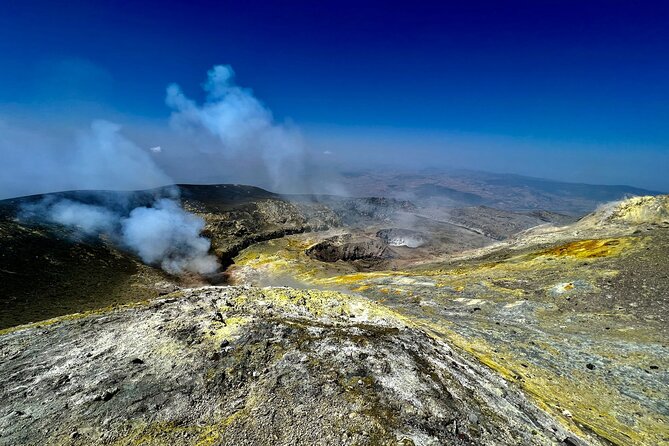
This is the kind of Etna experience that stays concentrated. You’re not trying to cover half the island in a day. Instead, you get a guided trek on the volcano itself—time on the summit area, time walking crater zones, and time hearing why these places matter.
The timing is part of the appeal. Starting at 8:30 am means you’re heading out early, when conditions often feel more manageable for hiking. And because the activity ends back at the meeting point, you avoid the “now what?” stress that comes with open-ended tours.
At about 4 hours 30 minutes total, it’s long enough to feel like a real hike, but short enough that you can still have a normal afternoon afterward. If your Sicily trip includes time in Catania or the east coast, this is a great way to balance “big sights” with actual walking.
One practical note: the experience is listed for people with moderate physical fitness. That usually means you should expect steady walking and uneven volcanic ground. If you know you struggle with climbs or sustained hiking, this might feel like more than a stroll—so be honest with yourself before booking.
You can also read our reviews of more tours and experiences in Sicily.
Getting up to the summit: how the route keeps the hike worth it
A big question is always logistics: how do you actually reach Etna’s higher points without spending your day in transit? The answer here is simple—transport to the summit area is handled by the tour, with a 4×4 ride to the summit mentioned in the experience.
That matters for value. When a tour includes the hard part of getting high up, your time goes into what you came for: the walking and the crater views. Without that, an Etna day can turn into long waits, slower pacing, and fewer minutes in the places with the real wow factor.
Also, because this is a guided experience, you’re not left trying to figure out crater routes on your own. You get the rhythm of a structured trek: move, stop, look, learn, and then move again. That’s especially helpful in volcanic terrain where footing and spacing matter.
And since the tour returns you to the meeting point, you can plan the rest of your day around a known endpoint. That’s useful if you’re juggling reservations, a rental car schedule, or an afternoon train.
Summit craters and the 2002 eruption craters: what you’re really walking through
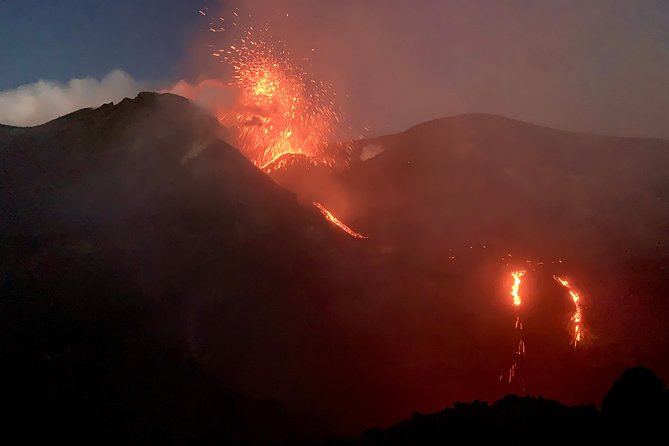
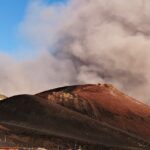
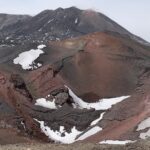
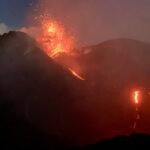
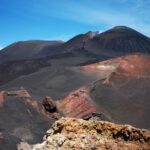
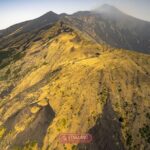
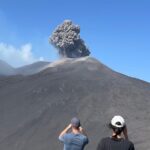
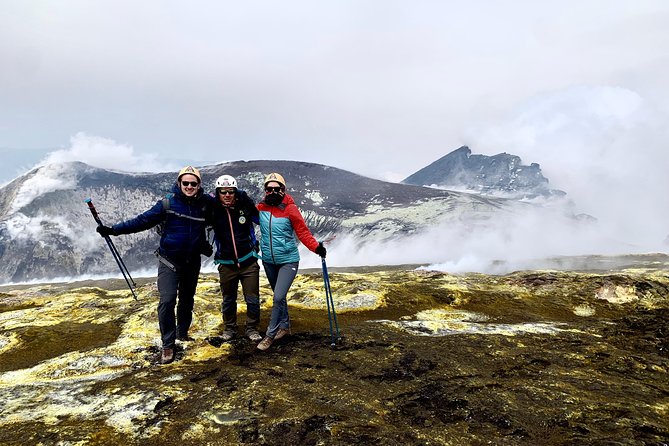
The main action centers on Mount Etna’s summit craters and the 2002 eruption craters area, with time in the zone linked to the Valle del Bove volcanic setting. This is where the experience earns its name.
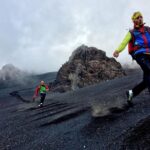
Here’s what that usually means in real terms: you’re not just looking at Etna from a distance. You’re stepping into the aftermath zones—where the ground, the shape of the terrain, and the crater formations tell part of the story of how the volcano behaves.
The tour includes time at the summit area (about 30 minutes at the first stop), plus guided walking and crater exploration. That “30 minutes” figure is short enough that you should expect the guide to keep things moving, but long enough that you won’t just see everything through a window or at a single viewpoint.
If you care about learning while you look, this stop is where that happens. The experience is guided in English, and the standout reviews highlight an energetic guide—Andrea—who brings the geology and eruption context to life with a mix of facts and enthusiasm.
Possible drawback: the craters and volcanic ground can be visually intense but also physically demanding. Even if the hike is described as moderate, you should expect uneven terrain, so keep an eye on your footing and pace.
Valle del Bove: why the volcanic valley stop adds meaning
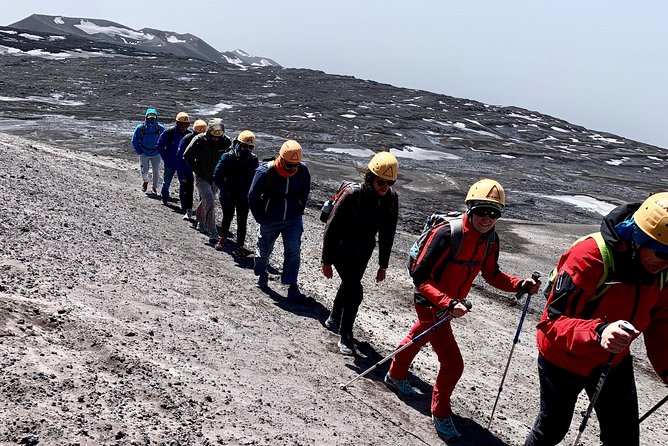
The mention of Valle del Bove is more than geography. It signals that this trek isn’t only about “up top.” You get time that connects the summit crater area to a broader volcanic setting.
In a volcano experience, context is everything. Seeing craters alone can feel like a collection of dramatic shapes. Adding the Valle del Bove setting helps you understand the wider volcanic layout, so the views don’t just look cool—they make more sense.
This part also helps you pace your day. After a summit-oriented segment, having a stop that broadens the viewpoint can make the trek feel more like a journey than a single tough climb. It’s also a nice moment for photos, since volcanic terrain often gives you lines of sight that normal hiking areas don’t.
One more reason it’s valuable: volcanic areas tend to reward stillness. If the guide calls for brief pauses—so you can look across the terrain or line up views—that short pause often makes the whole experience feel more meaningful.
Gear included on Etna: the real value of boots, softshell, and helmet
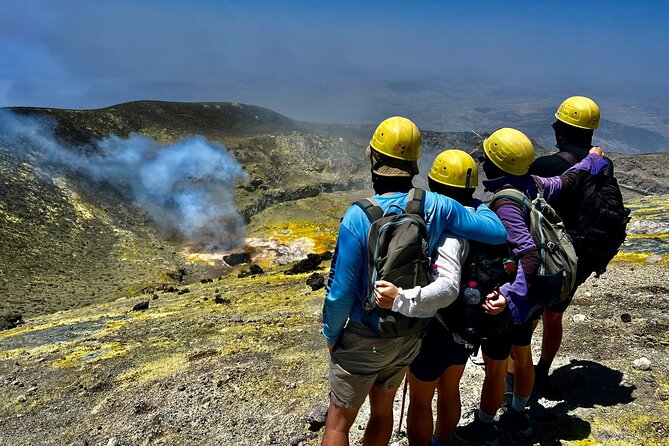
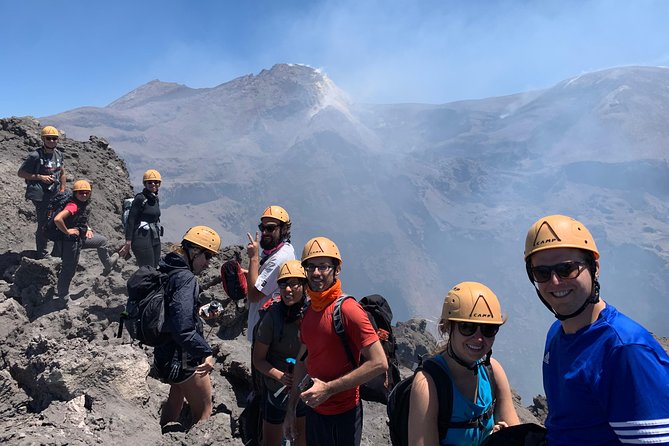
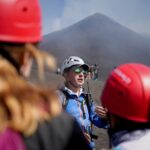
Most Etna tours include guidance, but not everyone includes the gear. Here, you get trekking boots, a softshell jacket, and a helmet. That’s a serious quality-of-life upgrade.
First, it saves you from a last-minute scramble. In Sicily, you can easily spend your early days renting or replacing items you assumed you already had. Having the key kit handled means you show up ready.
Second, it protects your day. Volcanic terrain and changing weather conditions can be a rough mix if you’re in the wrong shoes or under-dressed. A softshell jacket is the right type of layer for active outdoor conditions, and a helmet shows that safety isn’t an afterthought.
Third, it simplifies packing. You don’t have to bring bulky items if you’re staying light. Just plan your normal day bag for water and personal stuff.
If you have your own hiking boots you love, you might still prefer to use them. But the tour explicitly includes boots, so you’re not forced into a specific brand or fit as long as you can wear what’s provided comfortably.
Group size, pace, and who this trek fits best
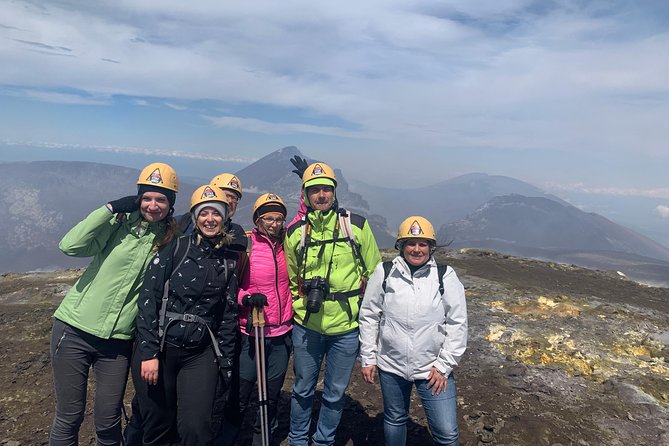
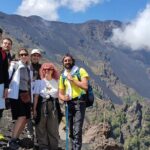
This activity caps out at 10 people. For a summit crater hike, that matters. Smaller groups tend to move more smoothly, and guides can keep track of footing and questions without the constant rush that comes with big numbers.
You’ll also want to match the physical level to your comfort. The experience is recommended for people with moderate physical fitness. That’s not “no problem” fitness, but it’s also not pitched as extreme mountaineering. The best indicator for fit is how you handle steady hiking over uneven ground.
This trek is ideal if you:
- want a half-day volcano experience that doesn’t swallow your whole itinerary
- like guided explanation as you walk, not just sightseeing
- prefer a small-group pace on active terrain
It may be less ideal if you:
- get worn out quickly on uneven surfaces
- want a slow, easy nature walk with long breaks (this is more structured than that)
One special detail that’s worth noting: service animals are allowed, which is good to know if you travel with a working animal.
English guide and crater stories: what you’ll notice once you’re there
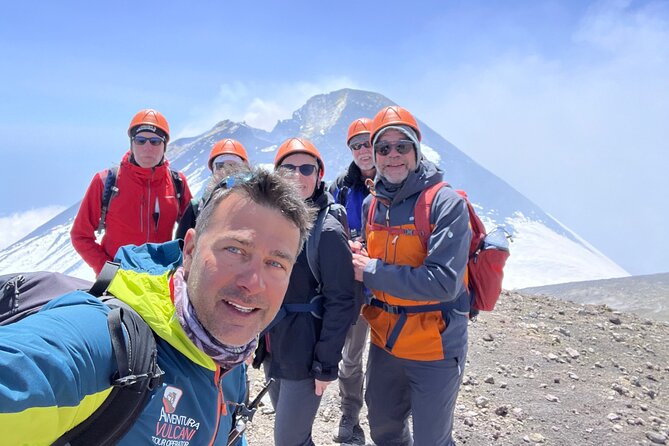
The tour is offered in English, and the reviews highlight a guide-led experience with energy and clear passion. Andrea is specifically named for sharing stories and information in a way that feels exciting rather than lecture-like.
That style matters. In places like summit craters, it’s easy to focus only on visuals. A strong guide helps you connect what you see—crater shapes, eruption traces, the overall volcanic setting—to the why behind it. When the guide sounds genuinely energized, the learning feels lighter.
Also, when walking on uneven volcanic ground, good guidance helps keep the group together. That’s not glamorous, but it makes the experience safer and more comfortable.
If you like travel experiences where the guide is part of the magic—helping you understand what you’re looking at—this is a tour type you’ll likely enjoy.
Price and value: is $72.25 worth it for an Etna summit day?
At $72.25 per person, this trek sits in a price zone that can feel surprisingly reasonable—mainly because several expensive-feeling items are included.
Here’s what you’re getting in the package:
- Trekking boots, softshell jacket, and helmet
- Admission ticket included for the Etna portion of the experience
- Guided crater walking
- Transport to the summit area (via 4×4 is mentioned in the experience feedback)
What’s not included is private transportation, but the tour is structured so you’re participating within its plan rather than paying separately for your own private ride.
When you add it up, the value comes from reducing friction:
- you don’t have to source gear
- you don’t have to solve summit transport on your own
- you’re paying for a guided, time-managed experience rather than scattered access
If you’ve ever tried to DIY Etna logistics—especially with limited time—this kind of “all-in with essentials” setup usually feels like money well spent.
When to book: weather, timing, and how to plan your day in Sicily
This experience requires good weather. That’s not a small detail; on an active volcano, conditions can change what’s safe or practical. If it gets canceled due to poor weather, you’ll be offered a different date or a full refund.
So how do you plan smarter?
- Build in some flexibility on at least one morning during your Etna window.
- If you have tight schedules, keep an afternoon slot free so you can shift if needed.
The start time is fixed at 8:30 am, and the experience is about 4 hours 30 minutes. That means you can still plan lunch and later activities the same day, but don’t schedule something that depends on you being back late.
Because it ends back at the meeting point, you also avoid surprises about getting back into town. Just make sure you know how you’re getting to the meeting point in the first place.
Should you book ETNAHIKER’s Etna summit craters trek?
If your goal is a real Mount Etna crater experience—guided, walk-focused, and not overly complicated—this is a strong pick. The standout value comes from the combination of admission included and the core hiking gear provided, plus the small group size and energetic English guiding style (Andrea is a great example).
Book it if:
- you want a structured half-day hike on Etna
- you’d rather not rent or buy equipment first
- you prefer small groups and clear guidance on volcanic terrain
Think twice if:
- you hate plans that depend on weather
- you’re not comfortable with moderate hiking over uneven volcanic ground
Overall, this is the sort of tour that turns Etna from a famous name into a tangible walking experience—summit craters, 2002 eruption sites, and the Valle del Bove setting, handled in a tight 4.5-hour window.
FAQ
What time does the Etna Summit Craters Trek start?
It starts at 8:30 am.
How long is the Etna Summit Craters Trek?
The duration is approximately 4 hours 30 minutes.
Is the tour offered in English?
Yes, it is offered in English.
What’s included in the tour price?
The experience includes trekking boots, a softshell jacket, and a helmet, and the Etna admission ticket is included.
Do I need private transportation to the summit?
Private transportation is not included. The experience includes the needed transport for the activity itself, but you should plan to join at the meeting point.
What fitness level do I need?
You should have a moderate physical fitness level.
How large is the group?
The tour has a maximum of 10 people.
Are service animals allowed?
Yes, service animals are allowed.
What happens if the weather is bad?
The experience requires good weather. If it’s canceled due to poor weather, you’ll be offered a different date or a full refund. There is also free cancellation up to 24 hours before the start time for a full refund.