REVIEW · SICILY
Etna Trekking Morning or Sunset Known as Ring on the Valley
Book on Viator →Operated by Etna Azimut Excursions · Bookable on Viator
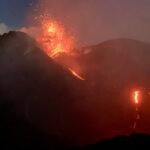
Etna feels like another planet. This trek on Sicily’s active volcano takes you through lava flows, buttonhole craters, and the big scenic sweep of Valle del Bove, then finishes with a guided descent into Grotta Cassone, a lava-tube cave. Along the way, you’ll get the kind of geology explanation that turns rock and ash into a story you can actually picture, not just facts you forget the next day.
I especially like the small group size (max 8), which keeps the pace human and your guide’s attention close at hand. I also love the lava-tube cave visit, complete with a speleologist helmet and torches, because it adds a whole second side of Etna beyond hiking—what it’s like inside the volcanic plumbing.
One consideration: this outing depends on good weather, and you should plan on uneven, volcanic ground with a moderate fitness level. If you don’t have sturdy trekking shoes, there’s a rental cost, and the day can feel more demanding than a casual walk.
In This Review
- Key things to know before you go
- Why Etna’s Ring-on-the-Valley route is worth your time
- Morning or sunset: pick the mood, keep the fundamentals
- Getting to the start: Nicolosi meeting point and pickup reality
- Stop-by-stop: your Etna route, from Sapienza to the lava tube
- Piazzale Rifugio Sapienza: coffee, briefing, then the first crater looks
- Craters Silvestri: buttonhole craters and volcanic evidence up close
- Mount Etna ascent: step-by-step altitude with high-mountain life
- Valle del Bove: the caldera depression panorama that stops time
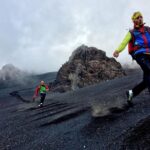
- The “soft-challenge” lava sand stretch: weirdly fun, genuinely physical
- Grotta Cassone: a lava flow cave with helmet and torches
- What’s included vs what you’ll likely pay extra
- Price check: how $108.14 becomes value (or not)
- Group size, guide style, and why it can feel personal
- Who should book this Etna trek, and who should think twice
- Should you book Ring on the Valley with Etna Azimut Excursions?
- FAQ
- FAQ
- How long is the trekking day?
- Is pickup from hotels available?
- Where do we meet?
- Is the tour offered in English?
- What’s included in the price?
- Do I need to bring trekking shoes?
- Is lunch included?
- What fitness level is required?
- How many people are in the group?
- What happens if weather is bad?
Key things to know before you go
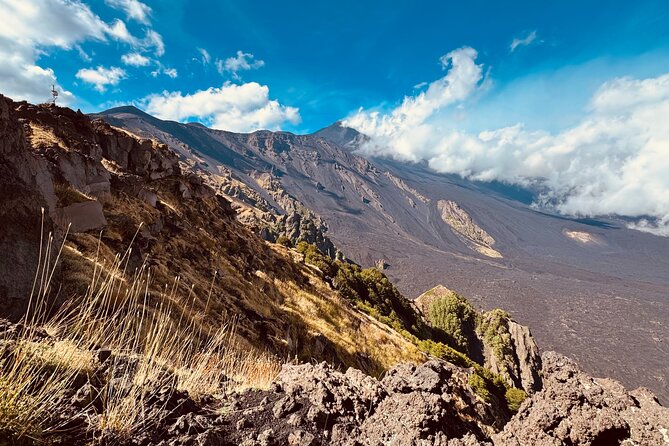
- A route built around Etna’s “ring” views: Valle del Bove delivers the wide caldera panorama when visibility is good
- Craters early, altitude by degrees: the hike ramps up gradually so you can keep moving without chaos
- Fine lava sand fun (and real): there’s a stretch where your legs sink into soft, soft volcanic grit
- Grotta Cassone is a proper cave visit: helmets and torches turn the lava-tube into an experience, not a quick stop
- Half-day vs full-day options: about 5 hours trekking (half day) or about 7 hours trekking (full day), both with the cave
- Equipment is mostly handled for you: poles, jackets, and backpacks come included; shoes do not
Why Etna’s Ring-on-the-Valley route is worth your time
This is the kind of Etna day that works because it follows how the mountain reveals itself. You start with the stark crater-and-lava scenery, then you move upward in a controlled way, and later you cross through the surreal “lava desert” terrain toward the Valle del Bove. The cave at the end makes the day feel complete: you’ve watched volcanic forms from the outside, then you step into the system that created them.
The other smart part is pacing. The walk is spread into multiple stops, with breaks built in, so you’re not just marching until the tour ends. If you like geology explanations but also like not being rushed, this format fits well.
And yes, it’s active Etna country. Even if the volcano is calm on your specific date, you’re still walking through terrain shaped by recent events and ongoing forces. That context changes how you look at every crater and flow.
You can also read our reviews of more tours and experiences in Sicily.
Morning or sunset: pick the mood, keep the fundamentals
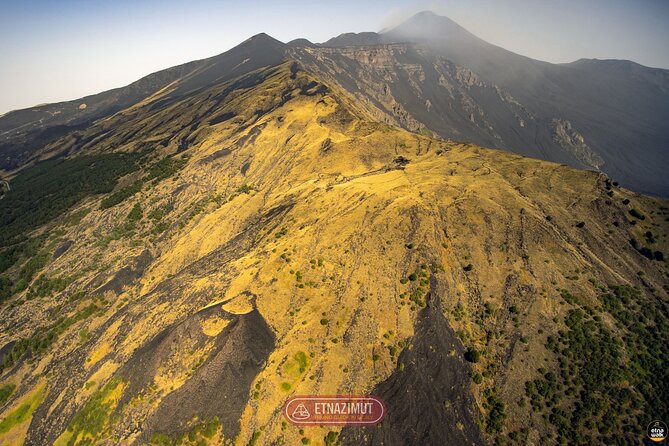
The experience is offered as a morning or sunset trek, and the core adventure stays the same: crater terrain, the Valle del Bove panorama, the soft-lava stretch, and the Grotta Cassone lava-tube visit. What changes most is the light.
In the morning, you’ll likely get crisper visibility and cooler walking temperatures. At sunset, you’ll trade some chill for dramatic crater shadows and long views across the seas you can see from Valle del Bove—especially when the day is clear.
Either way, plan to dress in layers. Even with a “nice” forecast, Etna can be windy and cooler than you expect.
Getting to the start: Nicolosi meeting point and pickup reality
Your official start point is in Nicolosi (SP92, 19, 95032 Nicolosi CT, Italy). The pickup option is offered through the operator, and the meeting point is also listed at Corso Sicilia n°64—about a 5-minute walk from Piazza Stesicoro and via Etnea, in front of the Lidl supermarket, next to the Catania BUS shelter and the AMTS car park.
If you’re staying around Catania or within the province, pickup comes with an extra 25€/person. If you’re coming from Taormina or Giardini Naxos, it’s 45€/person.
Why this matters: Etna trekking days can swallow your morning or afternoon fast. If you have to manage multiple local transfers, you lose energy before you even start walking. If you want the day to feel smooth, the pickup is one of the best value upgrades.
Stop-by-stop: your Etna route, from Sapienza to the lava tube
Piazzale Rifugio Sapienza: coffee, briefing, then the first crater looks
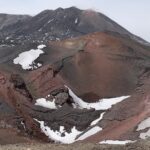
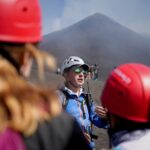
You’ll meet at Piazzale Rifugio Sapienza, where the guide welcomes you with coffee and then gives a short briefing before you set off. After that, the trek hits you with Etna’s signature look: lava flows and those distinctive buttonhole craters—some of which are tied to recent destruction in the volcano’s modern history.
This first segment is about orientation. You see the “stage” before you start walking deep into it, so later views make more sense.
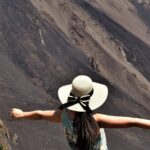
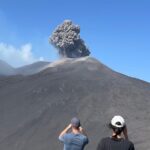
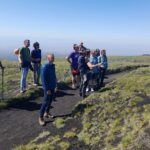
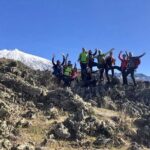
Craters Silvestri: buttonhole craters and volcanic evidence up close
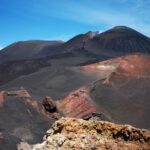
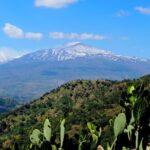
Next comes the Craters Silvestri of Mount Etna. The tour description keeps emphasizing the same visual theme—lava flows and buttonhole craters—so it’s less about seeing brand-new scenery and more about getting a deeper feel for what you’re actually looking at.
This stop runs about 30 minutes, which is a good amount of time to take in the geology without turning the day into a museum line.
Mount Etna ascent: step-by-step altitude with high-mountain life
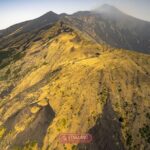
Then you start walking toward Mount Etna, increasing altitude gradually over about 1 hour. This is where you move from “wow, volcanic terrain” to “okay, now I notice changes in plants and wildlife.”
The tour specifically calls out endemic flora and native fauna, plus tree-rich sections in the high-mountain belt. Even if you’re not the type who stops to identify plants, the climb-by-climb approach helps you feel the transition rather than just arriving at a summit-like viewpoint.
Valle del Bove: the caldera depression panorama that stops time
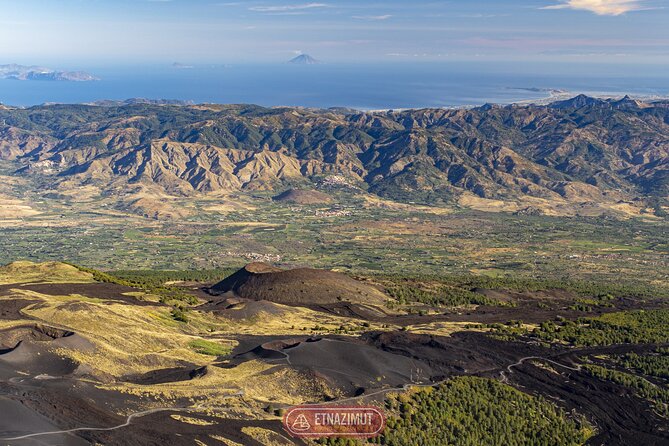
Valle del Bove is the emotional center of the day. You’ll cross sandy deserts, small depressions, and lava-desert vegetation, all while looking out at a panorama that can leave you breathless.
The tour also lays out the view geography in plain terms. From this vantage point, you can look from the active craters area toward the Ionian Sea, where you can see the coastline and recall Greek-origin cities in ancient history. You can also catch views across toward Calabria, then out toward the Tyrrhenian Sea, and on good visibility, even the Strait of Messina.
Two hours here is a smart duration. You need time not only to look, but to reset your breathing and let the scale sink in.
The “soft-challenge” lava sand stretch: weirdly fun, genuinely physical
After Valle del Bove, you head to another Mount Etna segment that’s described as a “soft-challenge.” Expect sections where you can sink your legs and feet into very fine, soft lava sand.
It sounds like a gimmick, but it’s a useful lesson. It helps you understand how much volcanic sand the volcano emits during paroxysms and why walking here feels different from dirt or gravel paths.
This part is about controlled effort. It won’t be a sprint, but it can make your legs burn a little more than you’d guess.
Grotta Cassone: a lava flow cave with helmet and torches
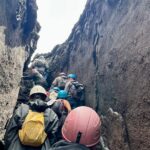
Finally, you descend into Grotta Cassone, a lava-flow cave (lava tube). You’ll get speleologist helmet and torches, and you’ll learn how lava flows behave, plus the myths, legends, and historical traditions tied to cave use.
This stop runs about 1 hour. That’s long enough to understand what you’re seeing, but not so long that it drags. If you’re the type who gets nervous in confined spaces, treat this as a “go slow” cave experience: you’ll have gear and a guide, but it is still underground and dark.
What’s included vs what you’ll likely pay extra
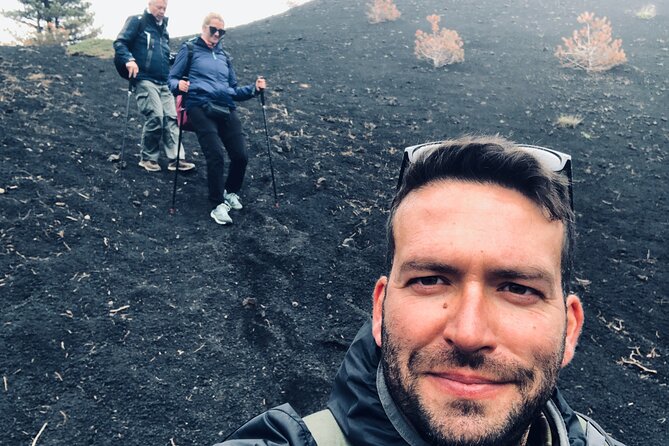
This trek is built to reduce guesswork for you. It includes trekking equipment such as poles, jackets, and backpacks. That’s a big deal on Etna, where conditions can change quickly. It also includes a booster seat for the transfer, plus a small surprise sweet tasting snack.
Two items are not included:
- Rental trekking shoes: €5.00 per person
- Rental baby trekking backpack: €20.00 per person
Lunch is also not included, so plan to eat before or after the tour depending on your day plan.
Why this “mostly included” approach matters: the main costs you can’t easily predict are footwear and comfort. Poles and jackets help with stability and warmth. If your shoes are already solid, you’re not going to feel nickel-and-dimed.
Price check: how $108.14 becomes value (or not)
At $108.14 per person, you’re not just paying for a hike. You’re paying for:
- a qualified nature guide certified under Law 4/2013
- guided access and interpretation through multiple Etna zones
- the lava tube experience with helmet and torches
- trekking equipment (poles, jackets, backpacks)
- snacks and a small sweet tasting
That’s why the price can feel fair even if you’re comparing it to a cheaper “walk with a guide” option. Here, the cave component changes the day from scenic to educational and memorable.
If you need shoe rentals, add €5. If you want pickup from Taormina or Giardini Naxos, add €45. Those add-ons matter. If you’re local and already have shoes, the base price looks more like a clean deal.
Group size, guide style, and why it can feel personal
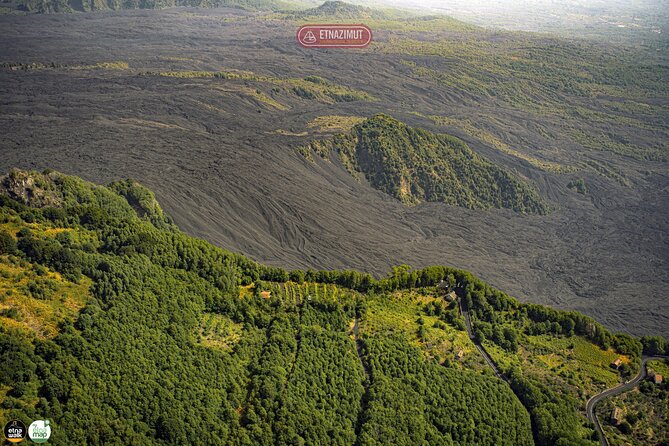
This is capped at 8 travelers. That’s not just a comfort perk; it affects how much you can ask questions and how often the guide can adjust pace.
The guide approach also seems tailored to how people learn best on Etna: clear explanations about geology and volcano history, plus flexibility when conditions on the ground require route adjustments. If the volcano activity or weather changes, the day isn’t locked into a rigid “checklist only” script.
In the feedback attached to this experience, the guides are consistently praised for being friendly, passionate, and able to explain what you’re seeing in a way that doesn’t feel boring. Even if you only catch pieces of that enthusiasm through the headset chatter, you’ll feel the difference when your guide knows where to point and what to connect.
Who should book this Etna trek, and who should think twice
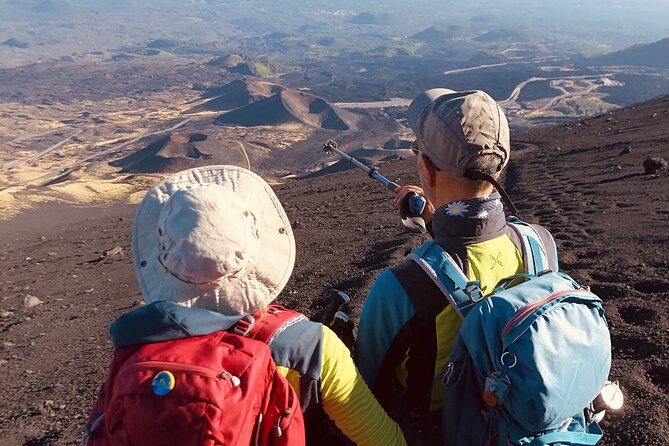
You’ll be a good match if:
- you’re a regular hiker or you walk regularly and can handle uneven terrain
- you want Etna’s crater scenery plus an underground lava-tube visit
- you like structured stops where you can listen, look, and ask questions
- you’re traveling with families and kids who are used to walking (the tour notes suitability when kids are comfortable with walking)
You might think twice if:
- you dislike caves or darkness (Grotta Cassone is a true cave visit)
- you want an easy stroll with minimal walking effort
- you struggle with moderate physical challenges or long transfers without resting breaks
Should you book Ring on the Valley with Etna Azimut Excursions?
If your goal is to see Etna in a way that feels educational and complete, this is a strong pick. The combination of crater terrain, Valle del Bove panoramic time, and a guided lava-tube cave visit makes it more than “a hike to look at rocks.”
Book it if you can dress for volcanic conditions and you’re okay with moderate hiking effort. If you’re flexible about morning versus sunset and you’re traveling with the right footwear, you’ll get a day that actually teaches you how Etna works.
FAQ
FAQ
How long is the trekking day?
It’s offered as a half-day or full-day format. Half-day includes about 5 hours of trekking plus the lava-flow cave visit, and full-day includes about 7 hours of trekking plus the lava-flow cave visit.
Is pickup from hotels available?
Yes, pickup is offered from Catania and its province for an extra 25€/person, and from Taormina and Giardini Naxos for an extra 45€/person.
Where do we meet?
The meeting point is in Nicolosi at SP92, 19, 95032. There is also a listed meeting point at Corso Sicilia n°64, near Piazza Stesicoro and via Etnea, in front of the Lidl supermarket, next to the Catania BUS shelter and the AMTS car park.
Is the tour offered in English?
Yes, the tour is offered in English.
What’s included in the price?
Included features are a certified nature guide, trekking equipment such as poles, jackets and backpacks, a booster seat for the transfer, and snacks with a small surprise sweet tasting. You also get the trekking and the lava-flow cave visit.
Do I need to bring trekking shoes?
Rental trekking shoes are available for €5.00 per person, so you can either bring your own or plan to rent them.
Is lunch included?
No. Lunch or anything not included in the program sheet is not included.
What fitness level is required?
The tour is for travelers with moderate physical fitness. It’s suitable for regular hikers in good health and for families with children provided the children are used to walking.
How many people are in the group?
The tour has a maximum of 8 travelers.
What happens if weather is bad?
The experience requires good weather. If it’s canceled due to poor weather, you’ll be offered a different date or a full refund.