REVIEW · MARRAKESH
Mount Toubkal Trek 2 Days & 1 Night
Book on GetYourGuide →Operated by ATLAS VERTICAL TRAVEL · Bookable on GetYourGuide
Toubkal changes your breathing fast. I love the expert mountain guides (from Hassan to Ahmed to Muhammad) and the High Atlas sense of achievement you get on summit day. The main thing to consider is altitude: this isn’t suitable if you already struggle with it, and you’ll need to be smart about pace and warmth.
You start in Marrakech, then work your way up to the Toubkal Refuge around 3200m for a shared-stay night, with meals included. After a very early summit run, you descend back to Imlil and head home. Expect shared dorm-style basics, cold at elevation, and a real workout that still feels safe because you’re not doing it alone.
In This Review
- Key highlights to know before you go
- Marrakech to Toubkal: the morning that sets the tone
- Day 1 up to Toubkal Refuge at 3200m: what the ascent really feels like
- Summit morning on Toubkal: early hours, big rewards, real work
- Berber meals and refuge basics: comfort you can count on
- Guides make or break it: the human side of a mountain trek
- Price and logistics: does $151 feel worth it?
- What to bring (and what to rent in Imlil)
- Who should choose this trek—and who should skip it
- Quick practical tips that make a difference on summit day
- Should you book Mount Toubkal Trek 2 Days & 1 Night?
- FAQ
- Where do I meet the guide in Marrakech?
- What does the trek include for meals and lodging?
- Do I need to bring equipment, or can I rent it in Imlil?
- How does transport work during the tour?
- Is the trek suitable for everyone?
- Can I get a refund if my plans change?
Key highlights to know before you go
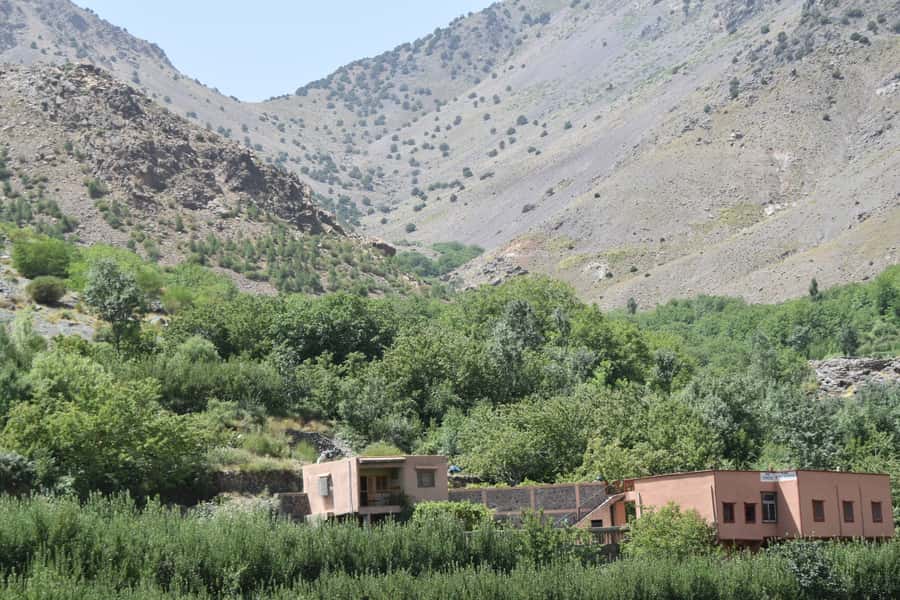
- A real, high-altitude goal: North Africa’s highest peak, with a guided path and support
- From Marrakech to 3200m fast: You sleep at the Toubkal Refuge after day 1 ascent
- Guide care that shows up when it matters: Kind, hands-on help when someone gets altitude symptoms
- Berber hospitality as part of the trek: Hearty dinner and practical meals after each hard day
- Small-group energy: Some departures run with very few people, so guidance can feel personal
- You can rent what you’re missing in Imlil: Crampons, an ice axe, and more are available for extra cost
Marrakech to Toubkal: the morning that sets the tone
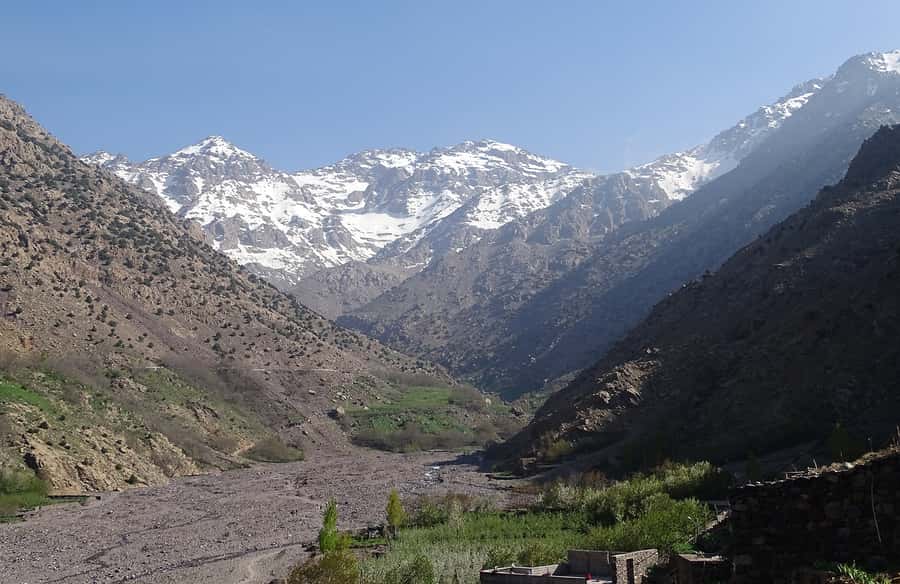
Your trek starts in Marrakech, with pickup arranged either at Hotel Ali Cafe or from your accommodation. That matters because Marrakesh traffic can be chaotic, and you want a clean, on-time handoff before you leave the city noise behind.
You’ll travel by air-conditioned minibus or taxi, then meet your mountain guide and team. I like this setup: it cuts stress. You’re not left guessing how to get to the mountains, and you can focus on getting physically ready rather than logistically ready.
One practical note: you’ll have a passport or ID card with you from the start. The requirement sounds routine, but on a trek it’s the kind of detail that can turn stressful later if it’s forgotten.
Day 1 up to Toubkal Refuge at 3200m: what the ascent really feels like
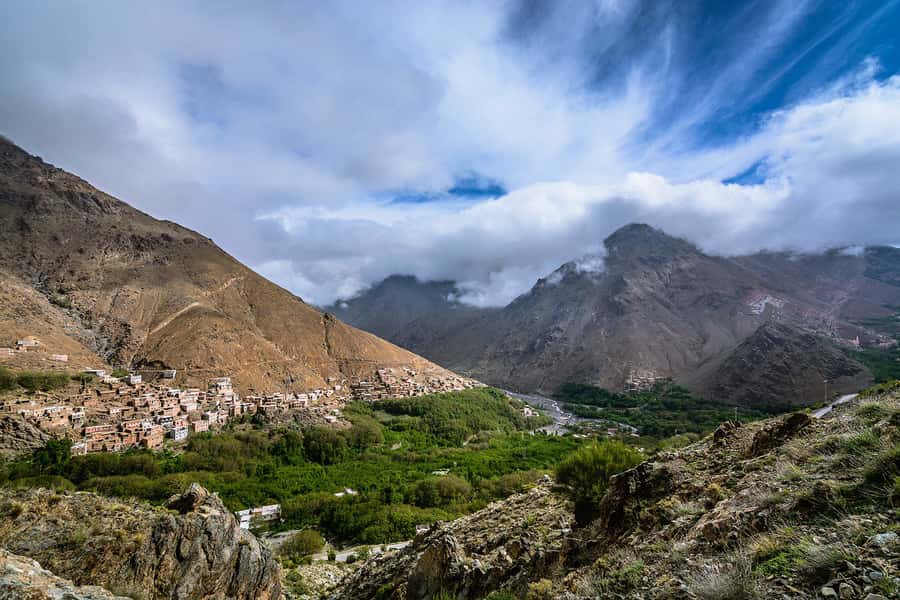
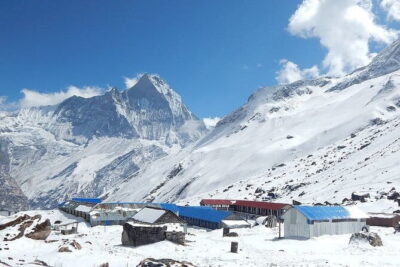
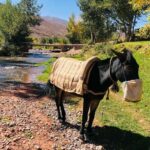
Day 1 is about turning movement into altitude. You hike up through steep, dramatic mountain scenery toward the Toubkal Refuge at 3200m, with a lunch stop along the way. This isn’t a casual walk, so think of it as “earning” the night ahead—your legs should feel it, but your guide should help you stay steady.
What makes this day valuable is that it gives you a taste of High Atlas life before summit day. You’re moving through real terrain, not just a scenic viewpoint loop, and you’ll get your first clear sense that weather can change quickly as you go higher.
Dinner and overnight come at the refuge in shared dorm-style accommodations. That part is simple, not fancy. If you know you sleep lightly, bring that mindset. If you accept it as part of the mountain experience, you’ll actually enjoy the rhythm: hike, eat, warm up, sleep, repeat.
Summit morning on Toubkal: early hours, big rewards, real work
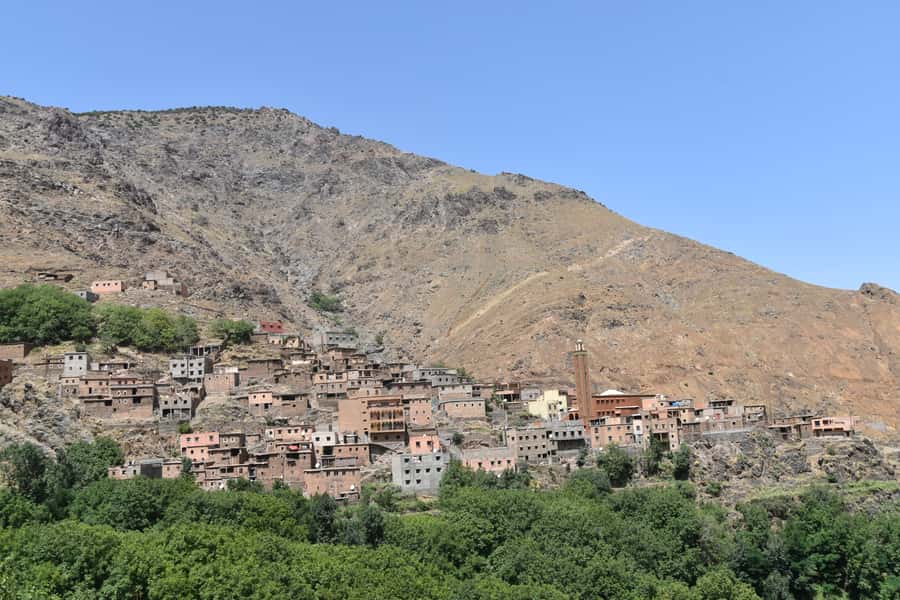
Then comes day 2: an early start to tackle the summit of Toubkal, North Africa’s highest peak. This is the day with the famous panoramic payoff, but the real story is the effort between the breakfast and the views.
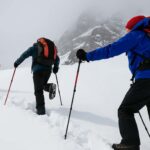
You’ll hike with your mountain guide’s support across challenging terrain. The goal is not just speed; it’s staying balanced—breathing, footing, and staying warm enough to avoid getting chilled when the air gets thinner and colder.
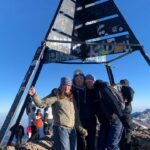
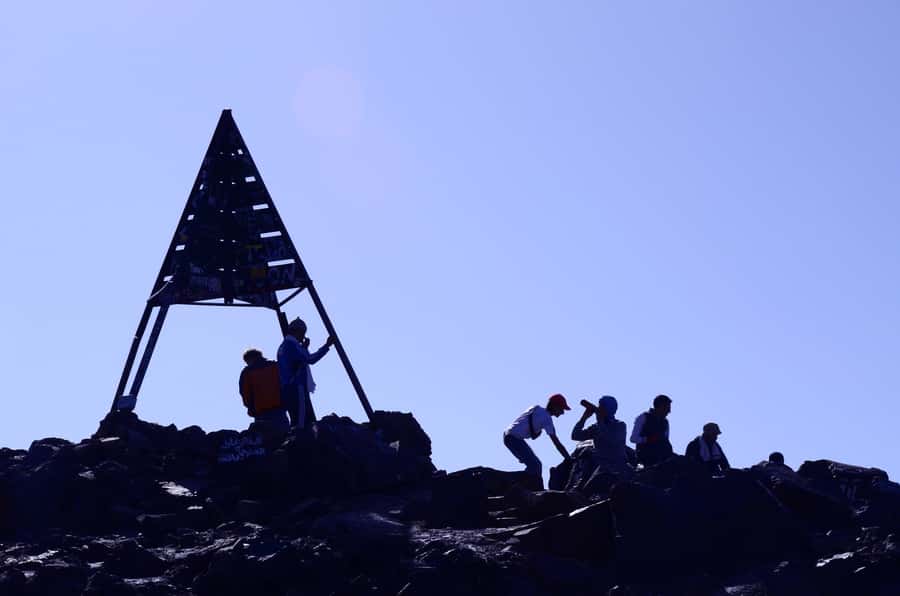
When you reach the summit, you’ll get panoramic views that make the whole trek feel worth it. That’s the moment people talk about. But I also think the better lesson is what led there: controlled pacing, following your guide, and committing to the climb even when your body is working hard.
After the summit, you descend back to the refuge for lunch, then continue down to Imlil where your transport is waiting. It’s a long physical day, and going down is work too—your legs do the heavy lifting, and careful steps matter.
Optional upgrade: if you want extra recovery time, you can extend your stay in Imlil for one more night before returning to Marrakech. If you’re the type who likes to enjoy a town without feeling wrecked, that extra night can be a smart choice.
Berber meals and refuge basics: comfort you can count on
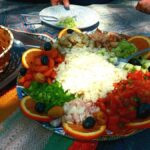
Food is one of the most practical parts of this trek, and it’s included. You get two lunches, plus one dinner and one breakfast, which is a big deal when you’re climbing at altitude and don’t want to spend energy figuring out meals.
The dinner and overall hospitality at the refuge are part of why people love this experience. Guides often describe it like family-style care—one group had Muhammad help them through a tough moment, and that same hands-on vibe shows up in how meals and recovery are handled.
Accommodations are shared dormitory style in the refuge. You’re not booking a hotel room with a private bath. You’re booking a base where you can sleep between two demanding hiking days. If you come prepared (warm layers, a calm attitude about shared spaces), the refuge feels like a useful step, not a letdown.
You’ll be able to buy soft drinks and mineral water along the path, since those aren’t included. My advice: don’t treat dehydration like an optional inconvenience. Carry what you need, and drink consistently.
Guides make or break it: the human side of a mountain trek
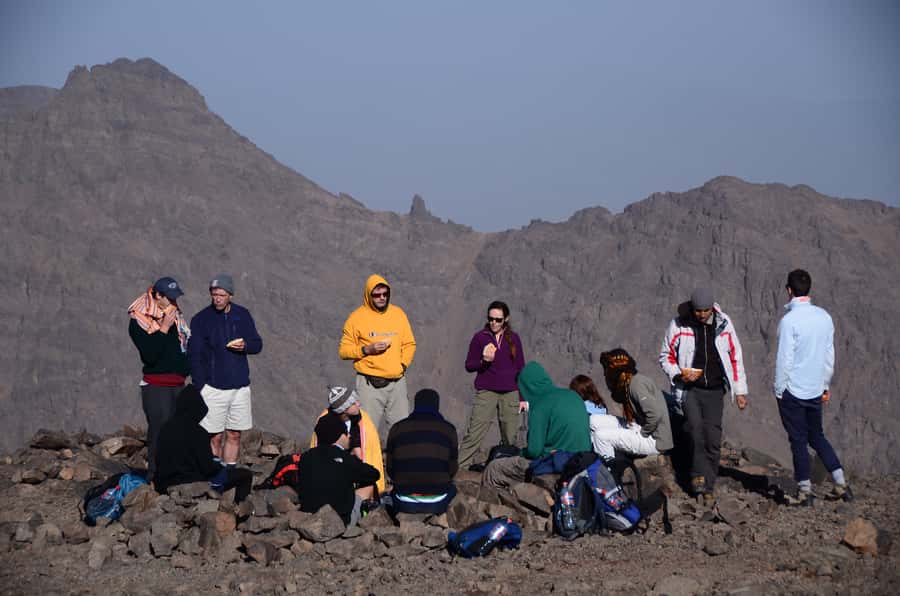
The guides here are not just “someone who walks in front.” In the real world, mountain guidance is safety, pacing, and problem-solving.
Hassan is praised for being a great guide with on-time, comfortable transfers. Ahmed gets glowing recommendations for smooth organization and an almost family-like level of care. Abdu is noted for bringing Moroccan culture into the trek while keeping the group in a great mood.
And Muhammad is the name that really sticks for practical help. One group had a partner get hit by altitude sickness, and Muhammad helped sort the descent and support needed. That’s important for you to know: the guide isn’t just there for the summit photo; they’re there for the moments that don’t go perfectly.
Also, group size can affect the experience. In one case, the group ended up with only one person, which meant the guide’s attention was fully focused. You might not always get that setup, but it tells you the operator is willing to make the experience work instead of canceling at the first sign of low demand.
Price and logistics: does $151 feel worth it?
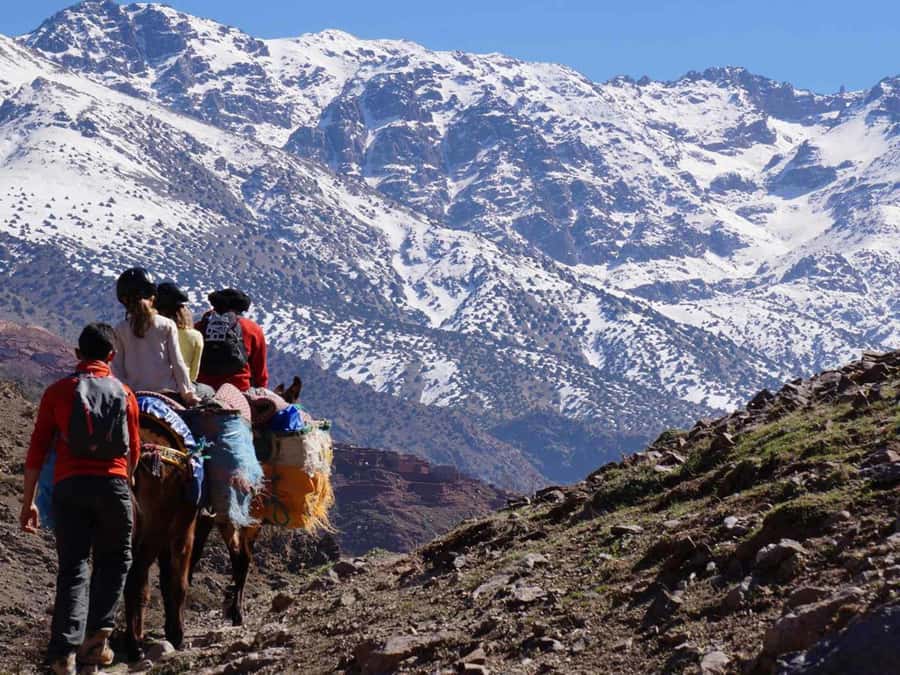
This trek is priced at $151 per person and includes a lot of what usually costs money on mountain travel: transport from Marrakech, a mountain guide, meals (two lunches plus dinner and breakfast), and a bed at the refuge.
From a value perspective, the included items matter. You’re not just paying for the hike—you’re paying for coordination and support when the weather, timing, and your body all start to push back.
What’s not included can add up, so plan for it early:
- Soft drinks and mineral water (you buy them along the path)
- Equipment rentals in Imlil (if you don’t bring your own): crampons (6€), sleeping bag (5€), ice axe (4€), rain jacket (4€), gloves (2€)
- A porter if needed: 20€ per porter
Here’s the smart way to think about it: if you already own the basic cold-weather and technical gear, you’ll likely keep the trip close to the base price. If you don’t, you’ll want to budget for rentals. Either way, having the option to rent in Imlil prevents you from losing the chance to go.
Also, the operator languages include Arabic, English, French, and Spanish. That can make a big difference on the mountain, where clarity matters for safety and pacing.
What to bring (and what to rent in Imlil)
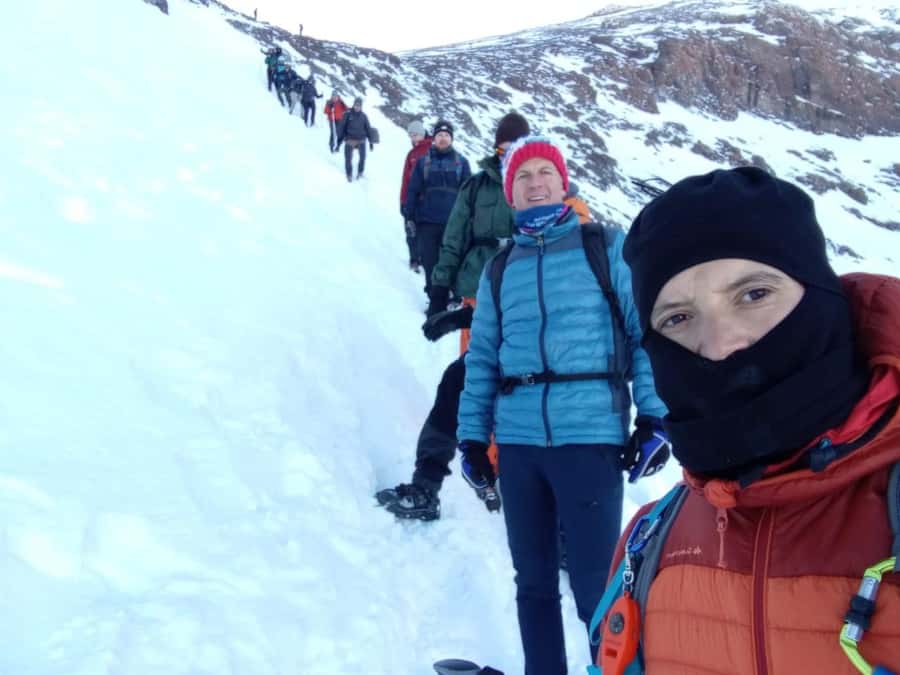
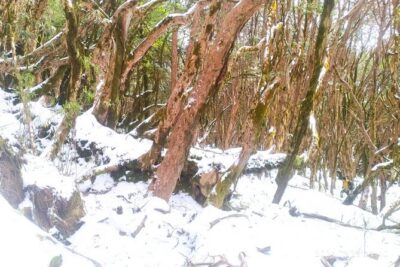
This trek asks for warm clothing and ready-for-cold layers. The altitude is the giveaway. Even if Marrakech feels comfortable, Toubkal day and night can feel much colder, and wind can change how fast you feel chilled.
Bring:
- Passport or ID card
- Warm clothing
- Sunglasses
- Camera
- Sunscreen
- Sports shoes
- Climbing gear
- Rain gear
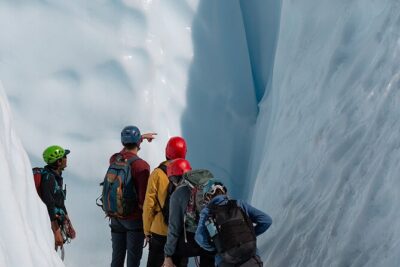
If you’re short on technical gear, Imlil is the backup plan. Equipment rental is available there, including crampons, an ice axe, gloves, a rain jacket, and even a sleeping bag. The rental list and pricing are clearly stated, so you can decide quickly what you truly need rather than guessing.
One more thing: shoes matter. Sports shoes are listed, but if your feet get unhappy on steep descents, you’ll feel it for the rest of the day. Choose footwear that you trust for moving downhill with control.
And follow the rules: pets and smoking aren’t allowed. Simple, but it helps keep the experience comfortable for everyone.
Who should choose this trek—and who should skip it
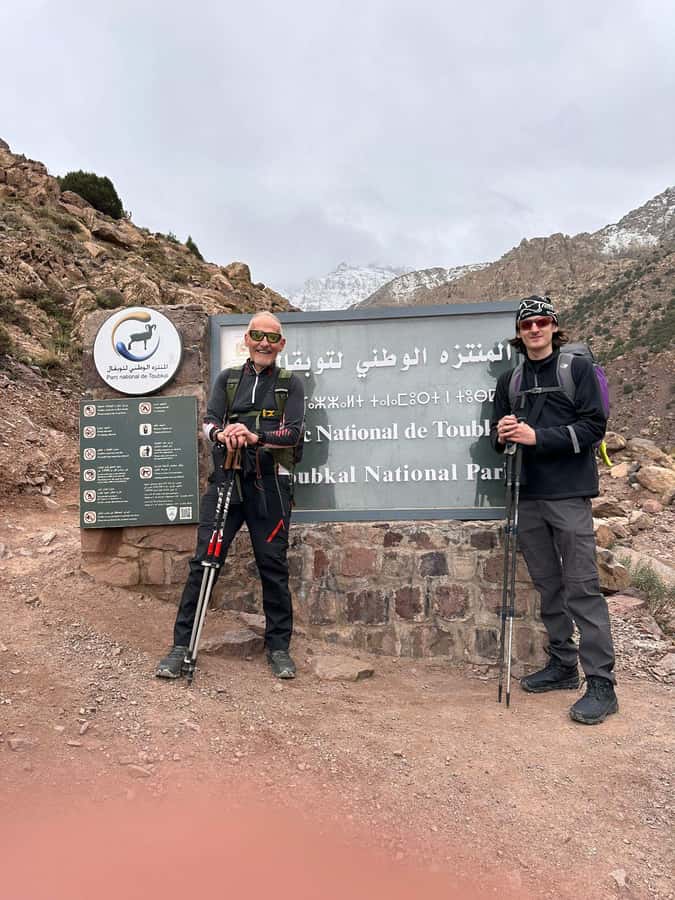
This is a 2-day, 1-night mountain challenge with a specific goal. You should be comfortable hiking for long stretches and handling elevation.
It is not suitable for pregnant women. It also isn’t suitable for people with altitude sickness. I know that sounds strict, and it is—but it’s also the kind of honesty that keeps you safe on a peak like this.
Where it fits well:
- You want a guided summit attempt with structured support
- You want real mountain routines: hike, eat, recover, repeat
- You like Berber hospitality as part of the journey, not as a separate add-on
Where it might not fit:
- If you already know altitude hits you hard, skip it and choose a lower-elevation hiking trip instead
- If you hate basic sleeping conditions at altitude, you’ll need to mentally prepare for the shared dorm format
Quick practical tips that make a difference on summit day
Your success depends on small habits, not just motivation. Here are the practical things to keep in mind:
- Start early in your head, not just in your clock. Summit day requires discipline.
- Keep layers ready. Warm clothing plus rain gear prevents the “I’m fine until I’m not” problem.
- Hydrate steadily, even if you’re not thirsty.
- Don’t overpack your mind with equipment stress: if you’re missing items, rentals are available in Imlil.
One more helpful detail: language support is available in Arabic, English, French, and Spanish. If you’re more comfortable with one language over another, ask when you meet the guide so you can communicate clearly on pacing and how you’re feeling.
Should you book Mount Toubkal Trek 2 Days & 1 Night?
If your goal is a guided, high-altitude summit experience with strong organization and care, I’d book it—especially if you value knowledgeable support and you’re ready for cold, effort, and shared refuge living.
I’d only hesitate if you already get altitude sickness symptoms, or if you’re looking for a gentle hike. This trek is not trying to be easy. It’s trying to get you to the top safely, with Berber hospitality and a guide who handles the human side of mountain travel.
FAQ
Where do I meet the guide in Marrakech?
You can meet at Hotel Ali Cafe in Marrakech or at your own accommodation.
What does the trek include for meals and lodging?
It includes two lunches, one dinner, one breakfast, and overnight accommodation at the Toubkal Refuge.
Do I need to bring equipment, or can I rent it in Imlil?
Equipment is not included, but you can hire it in Imlil. Crampons cost 6€, a sleeping bag costs 5€, an ice axe costs 4€, a rain jacket costs 4€, and gloves cost 2€.
How does transport work during the tour?
You get transportation by air-conditioned minibus or taxi.
Is the trek suitable for everyone?
It is not suitable for pregnant women and is not suitable for people with altitude sickness.
Can I get a refund if my plans change?
Yes. You can cancel up to 24 hours in advance for a full refund.