REVIEW · POKHARA
Ghorepani Poon Hill Trekking
Book on Viator →Operated by Adventure Bound · Bookable on Viator
Sunrise over Poon Hill is worth the early start. This Ghorepani Poon Hill Trekking trip is built for an easy mind-set: transportation from Pokhara, permits, meals, and overnight lodge stays are handled, while you focus on walking through rhododendron forest and hill villages toward some of the Annapurna region’s best viewpoints.
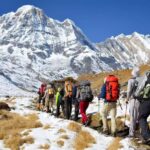
I especially like two things: the Poon Hill sunrise moment (with panoramic views of peaks stretching across the region), and the way you hike with a private English-speaking guide who helps you keep a steady, comfortable pace. One possible drawback: the trail can feel steep at points, and lodge heating is limited—if you’re trekking in cooler months, pack warm layers.
In This Review
- Key things I’d watch for before you go
- Poon Hill trek from Pokhara: what this 4-day plan really gives you
- Day 1 from Birethanti to Gorepani: the stone-stair wake-up call
- Day 2 through Banthanti and Nanggethanti: rhododendron forest pacing
- Day 3: Poon Hill sunrise, then a return for breakfast and a downhill to Tadapani
- Day 4: the Ghandruk descent and the village you end up remembering
- Price and logistics: where your $600 goes
- Lodges, warmth, and packing: the comfort details that decide if you enjoy it
- How guides like Raman, Santosh, Suresh, and Raj make or break the trek
- Weather reality: rain season still sometimes delivers clear peak views
- Who should book this Ghorepani Poon Hill trek
- Should you book it?
Key things I’d watch for before you go
- Private, English-speaking guide who adjusts to your pace and keeps the day organized
- All-inclusive setup with meals, permits, overnight lodge stays, and transport between Pokhara and the trail
- Day-3 sunrise mission that starts early, then you return for breakfast before continuing downhill
- Rhododendron and oak forests plus village walking that feels more local than big-adventure
- Basic lodge conditions that may mean cold nights, especially outside spring and monsoon
Poon Hill trek from Pokhara: what this 4-day plan really gives you
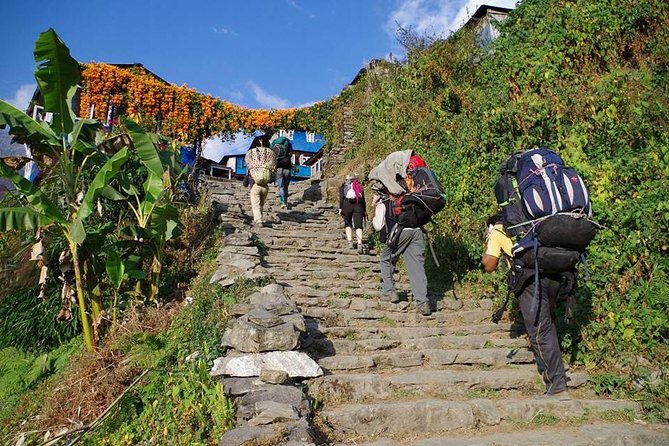
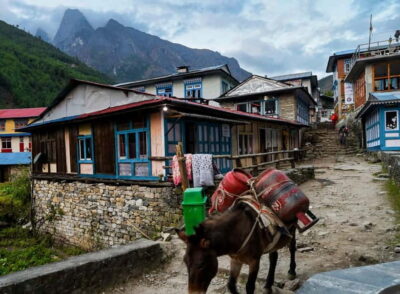
This is a classic Annapurna-region tea-house style trek, but with a big convenience upgrade: you don’t have to coordinate permits, meals, or where you’ll sleep. You start around Birethanti, move through Tikhedhunga, Ulleri, Ghorepani, and Tadapani, then end with a downhill finish in Ghandruk before returning to Pokhara.
At $600 per person for about 4 days, the value depends on one question: do you want your time to be spent on the hills, not on logistics? Here, the tour includes accommodation, 3 meals per day during the trek, local taxes, permits, a guide, and the transport pieces (taxi to the trek start and a shared jeep/bus back). If you’d otherwise piece those things together yourself, this price starts to look pretty fair—especially for first-time trekkers.
It’s also a private tour/activity, meaning your group hikes together rather than merging into a big crowd. Several guide stories from past trips highlight that the guide isn’t just a “walk leader,” but a real part of the experience—patient, friendly, and tuned to the group’s energy level.
You can also read our reviews of more tours and experiences in Pokhara.
Day 1 from Birethanti to Gorepani: the stone-stair wake-up call
Day 1 begins with an easy transport rhythm: you leave Pokhara and drive about 1.5 hours to Birethanti, following the Modi Khola corridor with views of green hills and local villages. After that, the trek experience starts with a staircase-style climb from Tikhedhunga—you’ll be going up steep, step-by-step, using stone steps that can feel like a leg workout fast.
This day ends in the Ghorepani area (the trek’s early viewpoint focus), where you’ll get your first meaningful mountain sightlines. The promise here is big: views that include Hiunchuli and Annapurna south are part of the early reward, even if you’re still warming up.
What makes Day 1 worth it is that it sets the tone for the rest of the week: you’re not just walking randomly through forests. You’re building endurance for early mornings later, while also moving through terrace gardens and hill villages that feel lived-in rather than staged.
Day 2 through Banthanti and Nanggethanti: rhododendron forest pacing
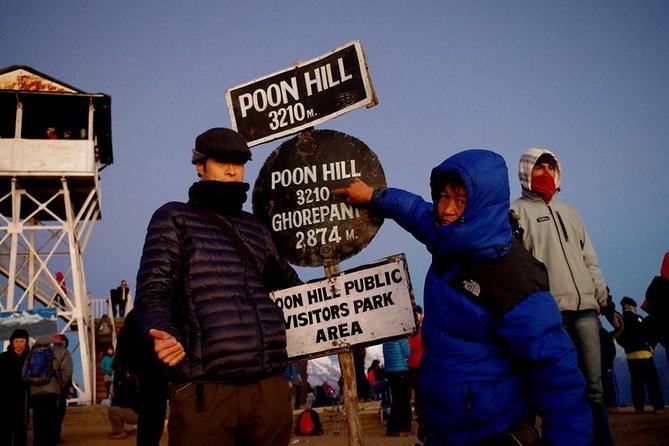
Day 2 is where the trek turns into a nature-and-village walk. After breakfast with the mountains in view, you leave Ulleri behind and head toward Ghorepani on a hike that’s roughly 4–5 hours.
Along the route, you cross places like Banthanti—known in this region for rhododendron and oak woodlands—and Nanggethanti following the Bhrurngdi Khola. The day is often described as mostly trail-through-jungle, which matters because it changes how the climb feels: less exposed sun, more forest shade, and a quieter rhythm.
In spring, this day can be visually spectacular, especially with blooming rhododendron and wild birds and animals. Even if your season isn’t perfect, the forest structure still delivers: the path gives you constant small breaks—short pauses to catch a view, then back into the shade.
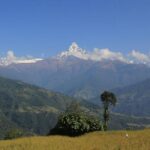
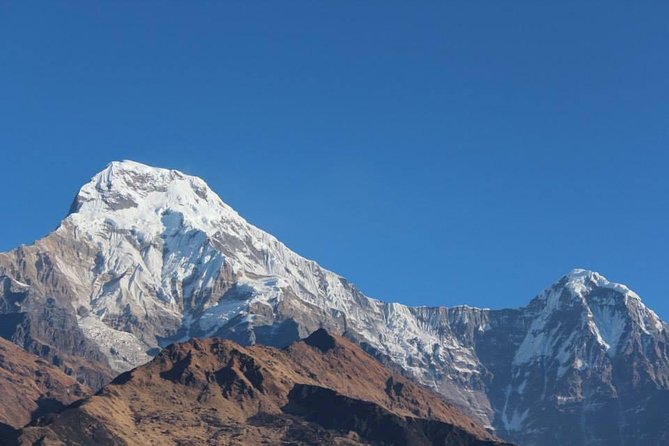
You finish Day 2 in Ghorepani, which is a strong base for peak panoramas. From here, the views are described as stretching across Dhaulagiri, Annapurna South, and Hiunchuli—the kind of peak lineup that makes you understand why Poon Hill is so popular.
Day 3: Poon Hill sunrise, then a return for breakfast and a downhill to Tadapani
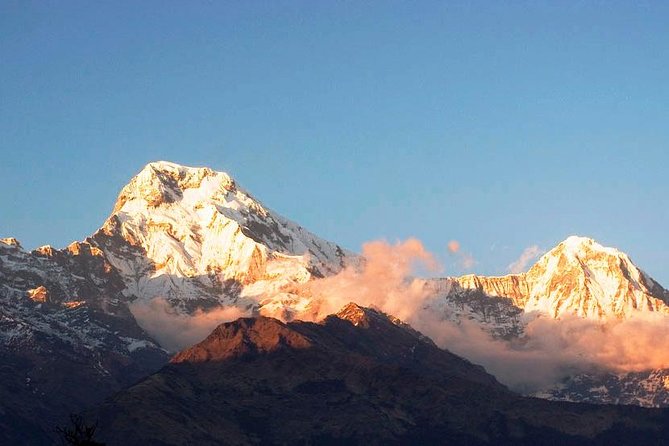
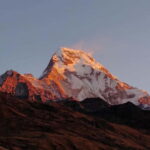
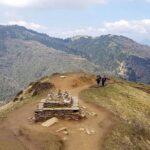
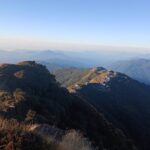
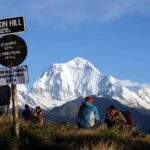
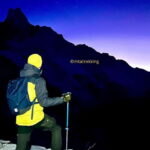
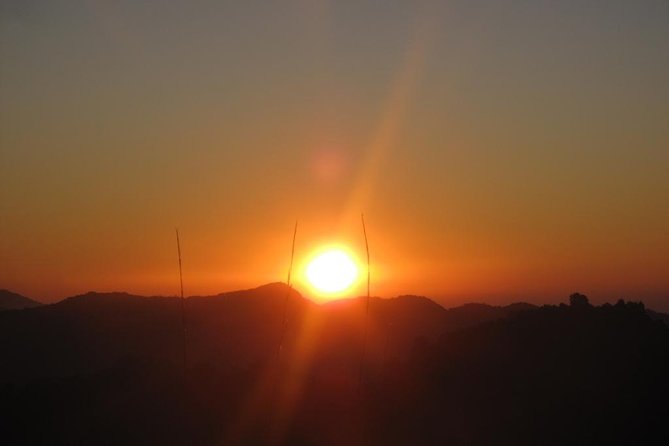
If Day 1 is a physical start and Day 2 is a nature walk, Day 3 is the highlight engine. You wake up early and head to Poon Hill for sunrise—an early scramble that’s all about timing. The goal isn’t just pretty light; it’s the moment when the whole Himalayan wall seems to open at once.
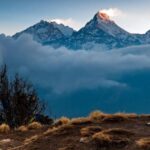
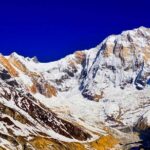
From Poon Hill, expect a wide panorama that can include Annapurna, Bahari Shikhar, Hiuchuli, Nilgiri, Dhaulagiri, Manaslu, Machhapuchhre, and other peaks. That list isn’t just bragging rights. It’s useful for you as a traveler because it means you’ll spend time comparing peaks and learning shapes as the light changes. A good guide helps here by pointing out what you’re actually seeing.
After the sunrise viewing, you return to the Ghorepani lodge where breakfast is ready. This is a smart design choice: you get the early payoff, then you reset and refuel before the next walking segment.
Then you continue with the downhill toward Tadapani. The tour description frames this as part of the descent day after breakfast, and past trek feedback also hints that Tadapani can be a strong location for visibility when the weather cooperates. Just remember: sunrise is early, and visibility can shift fast with cloud cover, so keep your expectations flexible.
Day 4: the Ghandruk descent and the village you end up remembering
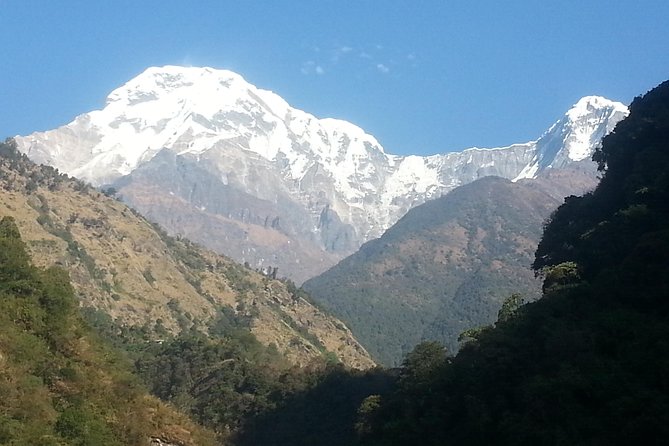
Day 4 is the “last day in the hills” energy, but don’t let that fool you. After your last breakfast on the trek, you descend toward Ghandruk, walking through rhododendron and oak woodland and catching views of wildflowers along the way.
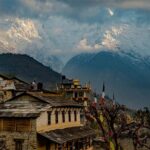
The key difference on Day 4 is that the terrain transitions from wilderness-feeling trail to human-scale village life. Ghandruk is described as a popular destination even among Nepali tourists, with local people, attractive houses, and that clean, mountain-air feeling you notice more when you’re no longer climbing.
This is also where the trek becomes a complete loop in your mind. You’re not just hiking uphill to a viewpoint. You’re walking into and out of a living community, then finishing with transport back to Pokhara via a sharing jeep/bus from the trek end point.
Price and logistics: where your $600 goes
Let’s talk value in plain terms. Your $600 per person package includes:
- Accommodation as per the trek itinerary
- A taxi from Pokhara to Birethanti (the start point)
- Local taxes and all necessary permits for the trek
- 3 meals per day during the trek: breakfast, lunch, and dinner
- A professional English-speaking trekking guide (trained by the Ministry of tourism)
- Guide expenses (food, accommodation, salary, insurance, and equipment)
- A sharing jeep/bus from the trek end point in Ghandruk back to Pokhara
- Handling charges and taxes tied to the above
So you’re paying for more than walking time. You’re paying for the “how does everything connect?” part that can otherwise eat your energy—especially when you’re tired and don’t want to negotiate at the lodge or ask strangers for permit advice.
What’s not included matters too. Alcoholic drinks are not included (you can buy them), and personal costs like bottled water, camera/mobile charging, hot shower, desserts/sweets, and other extras fall on you. One more practical note: tips for the trekking guide are expected. That’s normal in Nepal, and it’s better to plan for it rather than treat it like an afterthought.
Lodges, warmth, and packing: the comfort details that decide if you enjoy it
This trek runs through lodge-style accommodation, and the comfort level is simple. One review specifically notes that lodges can be basic and without heating, so if you’re trekking in winter or shoulder seasons, pack for cold nights. The practical takeaway: bring warm layers even if daytime feels manageable.
For clothing, I’d prioritize:
- Warm base layers and a reliable mid-layer
- A hat and gloves for early mornings
- A jacket you can trust when the mountain air cools fast
- Trekking shoes or boots that handle stair sections and rocky steps
For gear comfort, remember you’re walking steep stone stair segments on Day 1 and spending time outside before and after sunrise. That’s why your warmth matters. If you get cold early, you’ll feel it all day.
Also: water and charge costs are personal expenses. The tour includes meals, but it doesn’t mean your bottled-water budget is covered. If you prefer a consistent water routine, factor that into your spend.
How guides like Raman, Santosh, Suresh, and Raj make or break the trek
A big chunk of the praise in past experiences centers on the guides—not just their English, but how they add calm and personality to the hike.
Guides named across feedback include Raman, Santosh, Suresh, Raj Silwal, Raj, Niraj, and Arjyal Santosh. While each person’s style differs, the common thread is pacing and warmth. Some guides are described as patient with first-time trekkers and not pushing when someone needs a steadier rhythm.
Raman shows up in multiple stories with a friendly, engaged approach: playing cards in the evenings and bringing snacks like fruit up the trail so you can enjoy small breaks without feeling like a chore. Another guide story credits a helpful plan for beginners, with the journey adjusted to the trekker’s level.
This matters for you because the Ghorepani–Poon Hill trek can be physically “moderately strenuous.” The difference between tolerating the trail and enjoying it is often the mental load. A guide who keeps the day organized, points out what you’re seeing, and gives you space to move at your pace can turn a workout into a memory.
Weather reality: rain season still sometimes delivers clear peak views
Nepal weather is changeable, so don’t treat peak visibility as guaranteed. Still, you can get lucky. One trek experience in rainy season reports little rain during daytime and clear Himalayan views even from Tadapani.
The useful way to plan around this: be ready to catch views when they appear, and don’t assume a cloudy morning means the entire day is gone. Early starts and flexible timing help, and your guide can adjust how you use viewpoint time depending on conditions.
Who should book this Ghorepani Poon Hill trek
This trek fits best if you want:
- A short, high-reward itinerary (about 4 days)
- A moderate fitness level challenge with manageable daily walking
- Real village trails and forest walking, not just viewpoint hopping
- Convenience: meals, permits, and lodge stays handled for you
- A private group guide experience
It might be less ideal if you hate cold nights, because lodge heating may be limited. It also may feel too steep for you if you expect flat walking only; Day 1 includes a staircase-style ascent.
If you’re traveling solo and want support, the private guide setup can feel reassuring. And if you’re with friends, the hike is a great shared storyline—sunrise together, then downhill into the next village.
Should you book it?
I’d book this Ghorepani Poon Hill Trekking experience if you want sunrise views without turning your trip into a logistics project. The inclusion of meals, permits, lodge stays, and transport from Pokhara means you can walk, eat, and sleep with less hassle than most DIY versions.
I’d think twice if you’re sensitive to cold or you want fully heated lodges, because you may face simple accommodation conditions. If you pack warm and accept the stair sections as part of the deal, this trek is one of the most practical ways to experience Nepal’s Himalayan viewpoints in a short time.