REVIEW · KATHMANDU
Kathmandu: 15-Day Everest Base Camp Trek with Guide
Book on GetYourGuide →Operated by Outshine Adventure Pvt Ltd · Bookable on GetYourGuide
Your Everest start begins in sacred Kathmandu. I like how this trip blends Kathmandu sightseeing by private car with a licensed English-speaking Sherpa guide, so the trekking has context, not just movement. The best part for me is the human scale: small-group pacing with a tailored itinerary that feels more personal than mass trekking.
There’s one trade-off to flag early: the most expensive piece of the journey, your Kathmandu-to-Lukla flight, isn’t included and typically requires separate booking (via Ramechhap). Also, the trek days don’t include meals, so you’ll want to budget food on top of the tour price.
In This Review
- Key reasons this Everest Base Camp trek is worth your attention
- Kathmandu First: Temples, Street Corners, and Getting Your Bearings
- What to watch for on this city day
- The Lukla Jump: How the Trip Sets Up the Real Trek
- My practical take on the flight portion
- Sagarmatha National Park: Sherpa Life, Monasteries, and Real Mountain Detail
- Namche Bazaar Rest Day: Acclimatization That Actually Feels Reasonable
- What you’ll likely do during the Namche day
- Tengboche: The Monastery Stop You’ll Remember
- The most useful way to approach Tengboche
- Dingboche and Chhukung: Passing Villages, Feeling the Altitude Shift
- Lobuche and Gorakshep: Getting Close to the Base Camp Launch Zone
- Kalapathar Morning: When Timing Matters More Than Strength
- A small strategy that helps here
- The Descent: Namche Again, Then Lukla Back to Kathmandu
- Final Day in Kathmandu: Recovery Time That You’ll Appreciate
- Price and Logistics: What You’re Actually Paying For
- Included (what reduces your planning stress)
- Not included (what you must budget for)
- My value verdict
- Guides and Support: The Difference Between a Good Trek and a Calm One
- What to Bring (and what to not overthink)
- A simple packing mindset
- Who This Trek Is Best For
- Should You Book This Everest Base Camp Trek?
- FAQ
- What’s included in the Kathmandu portion of the trip?
- Do I need to arrange flights to Lukla and back?
- Are meals included during the trek?
- Do they provide trekking permits and park access?
- Is a guide provided, and what language do they speak?
- What gear should I bring, and do they provide cold-weather items?
Key reasons this Everest Base Camp trek is worth your attention
- Kathmandu intro that actually matters: Durbar Square, Swayambhunath, Boudhanath, and Pashupatinath set the cultural stage.
- Licensed Sherpa guidance: an English-speaking Sherpa guide handles routes, rhythm, and real-world mountain decisions.
- Thoughtful acclimatization built in: Namche rest day plus a hike to Hotel Syangboche helps you adjust before higher ground.
- A classic Khumbu route: Phakding → Namche → Tengboche → Dingboche → Lobuche → Gorakshep → Kalapathar.
- Comfort options if you’re cold: down-filled jacket and sleeping bag are provided if you need them.
- Permits included: TIMS and Sagarmatha National Park permits are part of the package.
Kathmandu First: Temples, Street Corners, and Getting Your Bearings
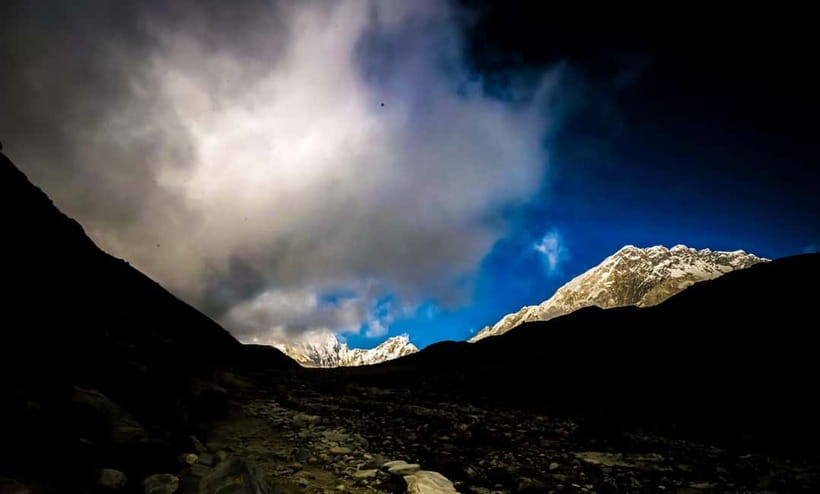
Your trek doesn’t start on a mountain. It starts in Kathmandu, and this itinerary uses that time well. On day one you land, get a private transfer to your hotel, then you meet your guide for the trek rundown—how the days work, what to expect, and what gear questions need answering.
Day two is your culture day by private car, hitting four big hitters in a way that’s easy to manage after travel fatigue:
- Kathmandu Durbar Square for the old-city feel and carved stone details
- Swayambhunath (Monkey Temple) for views and the spiritual vibe
- Boudhanath for the massive stupa and prayer flags
- Pashupatinath (the cremation temple) for a side of Nepal most visitors only see from afar
I like this structure because it does two practical things. First, it helps you understand what you’ll see in the Khumbu—monasteries, prayer wheels, and the Sherpa religious rhythm. Second, it gives you a low-stress day to confirm shoe fit, layering strategy, and anything your guide suggests before flights.
You can also read our reviews of more tours and experiences in Kathmandu.
What to watch for on this city day
Kathmandu sightseeing can be a lot of walking and stair climbing. If you’re arriving from a long-haul flight, go easy on snacks and pace yourself—this is not the day to prove you’re superhuman.
The Lukla Jump: How the Trip Sets Up the Real Trek
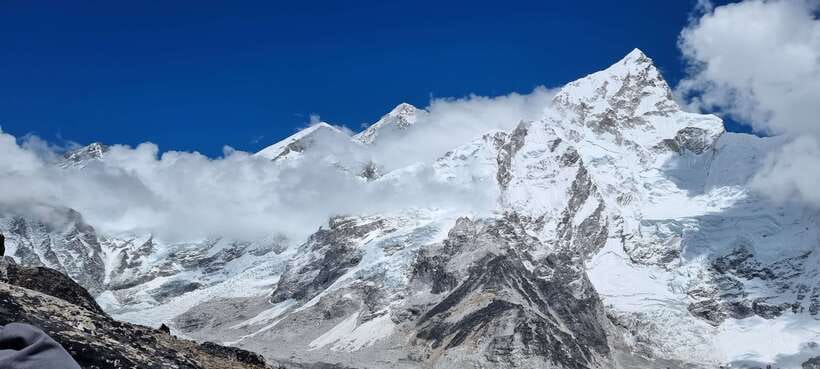
On day three you fly from Kathmandu to Lukla, then begin with a gentler trek to the upper region of Phakding for your first mountain night.
That first trekking segment is more important than it sounds. It helps your legs transition from city to trail, and it gives you time to notice how your pack feels, how often you need water, and how your body handles altitude early on. Even if the hiking looks short on paper, it’s a good warm-up for the rhythm you’ll keep for two weeks.
My practical take on the flight portion
The biggest thing to understand is that your mountain timing depends on the flight. Since the air portion isn’t included, you’ll need to coordinate it cleanly (and plan some flexibility). This is also why I’m glad the tour includes the private airport transfer—it reduces the number of moving parts right at the start.
Sagarmatha National Park: Sherpa Life, Monasteries, and Real Mountain Detail
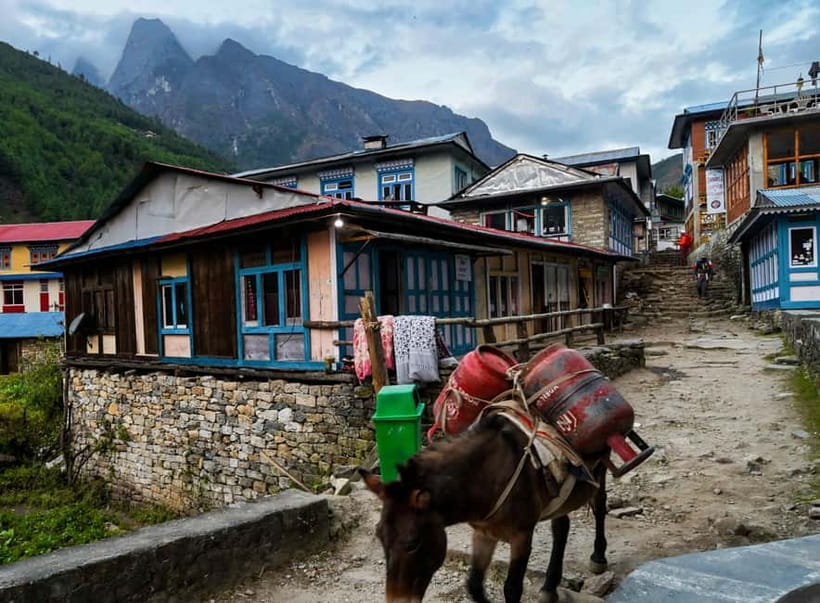
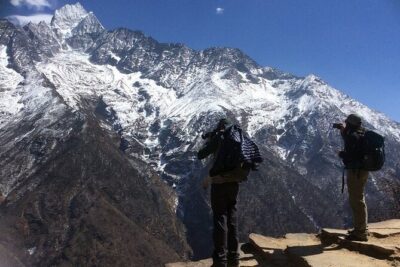
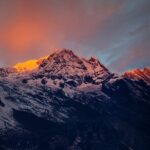
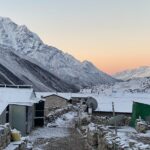
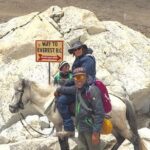
Once you start moving through the Khumbu region, you’re in Sagarmatha National Park, and the trip is designed to let you experience it beyond the postcard view.
You get repeated chances to see how the local world works:
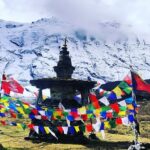
- Buddhist monasteries you pass along the way
- Friendly Sherpa communities in everyday village settings
- Trail sections through rhododendron forest areas as you climb
Even without getting overly technical, the route gives you the sense that this is a living region, not a single-file line of hikers. And because your guide is English-speaking (and Sherpa, per the trip details), you’re not just counting switchbacks—you’re learning how people think about weather, routes, and culture.
Namche Bazaar Rest Day: Acclimatization That Actually Feels Reasonable
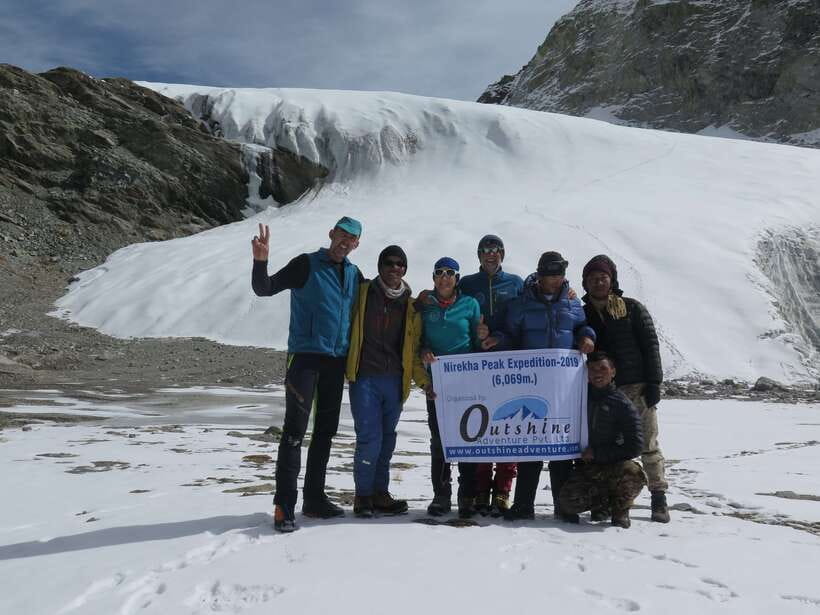
Day four brings you to Namche Bazaar via the Dudh Koshi valley. Namche is the obvious hub—busy enough to feel alive, but still close to trails, viewpoints, and mountain community life.
Then comes the key day: day five is a rest/acclimatization day. The plan includes a hike to Hotel Syangboche at 3850 meters. This is one of those choices that I consider “smart by design.”
Why it matters:
- You move your body upward to stimulate acclimatization.
- You don’t try to hard-push to the highest elevations immediately.
- You build confidence in the altitude without burning out.
What you’ll likely do during the Namche day
The trek days before and after Namche are more structured, so your rest day tends to be the one where you slow down. Use it for hydration, gentle walking, and early sleep. If you’re the type who wants to rush, this is the day where the mountain argues back.
Tengboche: The Monastery Stop You’ll Remember
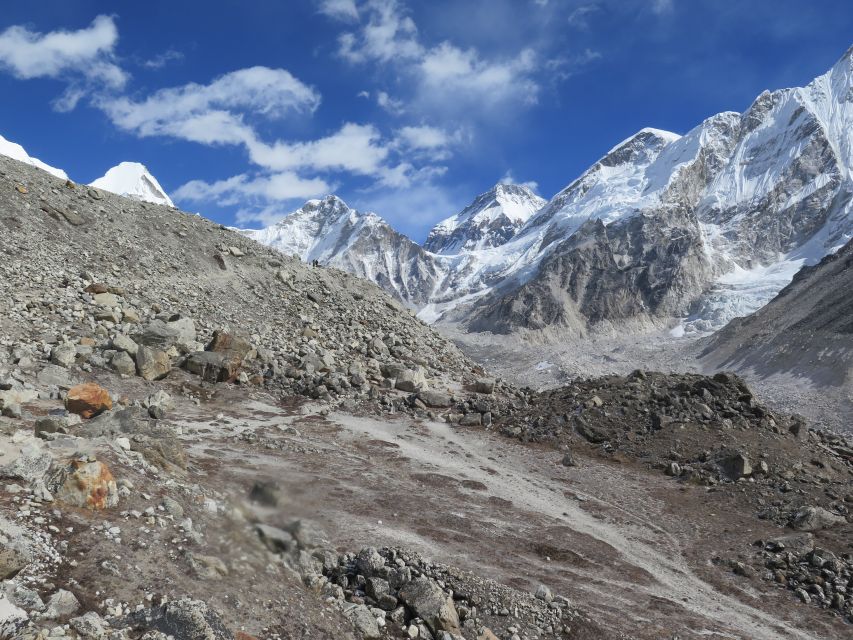
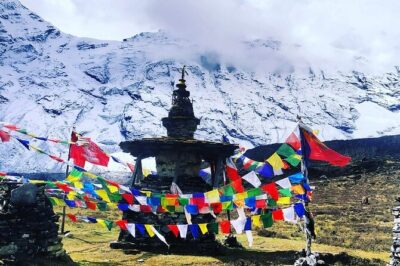
From Namche to day six’s destination, you climb into cooler, high-altitude air and reach Tengboche, spending time near Thyangboche (Tengboche) Monastery at about 3867 meters.
This part of the route often hits emotionally. It’s not just a photo stop. It’s a ridge-top monastery setting, with mountain views and spiritual calm at a height where you start thinking about cold and energy management more seriously.
The most useful way to approach Tengboche
Plan to dress in layers properly for sudden temperature changes. Also, don’t treat the monastery as a quick stop-and-go. Give yourself time to look around and listen (not literally for hours—just enough to absorb the place). That calm contrast is part of why so many people rate this trek as a favorite.
Dingboche and Chhukung: Passing Villages, Feeling the Altitude Shift
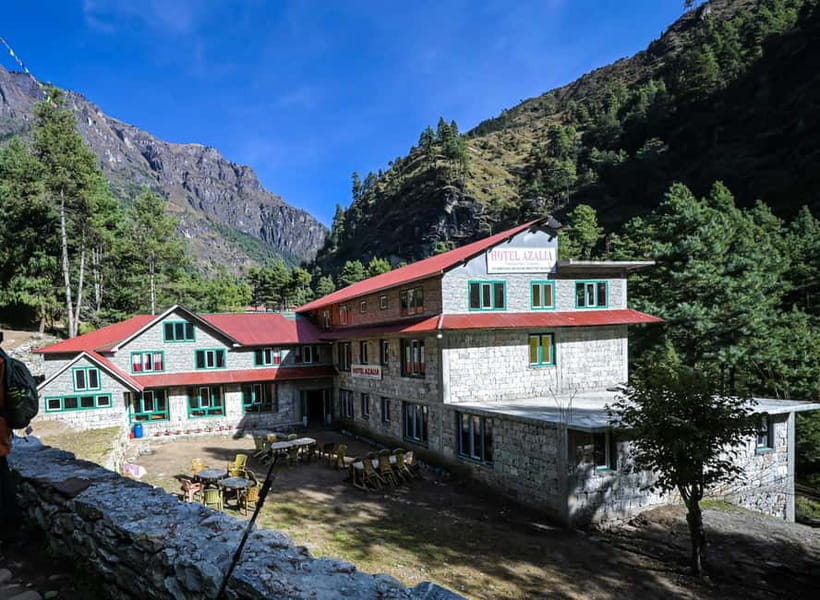
Day seven takes you toward Dingboche, passing through villages including Imja Khola, Pangboche, and Pheriche, then continuing past areas near Khumbu Glacier.
Day eight is a day trip to Chhukung Valley and back to Dingboche. This is one of the best designs on this itinerary: it adds a rewarding outing without turning the week into constant full-throttle hiking.
Here’s what you should pay attention to on this stretch:
- Sherpa village life is right there on the trail. You’re moving through communities, not just walking beside them.
- The air tends to feel more “thin and sharp.” That’s normal here, but it’s a reminder to slow down your pace and focus on steady breathing.
- Chhukung is a terrain-and-view change. It helps you break the monotony of repeated valley-to-village routines.
Lobuche and Gorakshep: Getting Close to the Base Camp Launch Zone
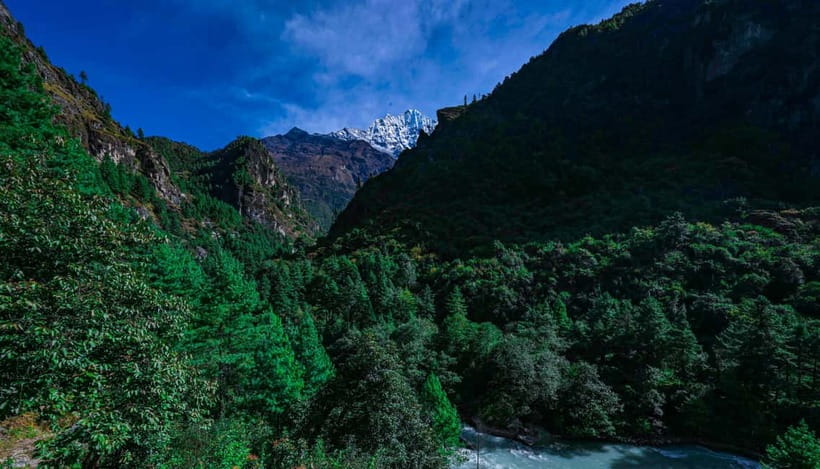
Day nine brings you to Lobuche. It’s a resting day on the way toward your Everest-focused segments—part recovery, part anticipation.
Day ten hikes from Lobuche to Gorakshep, described as a small settlement on the shores of a frozen lake. You’ll treat Gorakshep as your departure point for Everest Base Camp and as a place to sleep before your big early-morning push.
I like that the itinerary doesn’t rush you into the hardest view day too late. By structuring the approach through Lobuche and then Gorakshep, you give your body time to prepare for the cold, wind, and effort that comes with the final effort days.
Kalapathar Morning: When Timing Matters More Than Strength
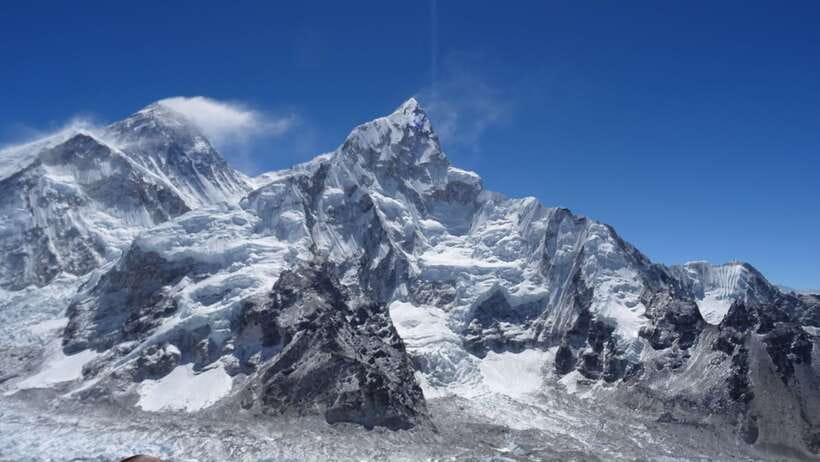
Day eleven is an early start: hike up toward Kalapathar, then head back toward Pheriche.
If you’ve ever wondered why experienced guides push early starts—this is the moment. Morning tends to be when the sky clears and visibility improves. You’ll likely feel the cold more, but the payoff tends to be worth it.
A small strategy that helps here
Eat early, hydrate, and keep your steps controlled. Don’t sprint to the viewpoint. This isn’t a race day—it’s a breath-and-footing day.
The Descent: Namche Again, Then Lukla Back to Kathmandu
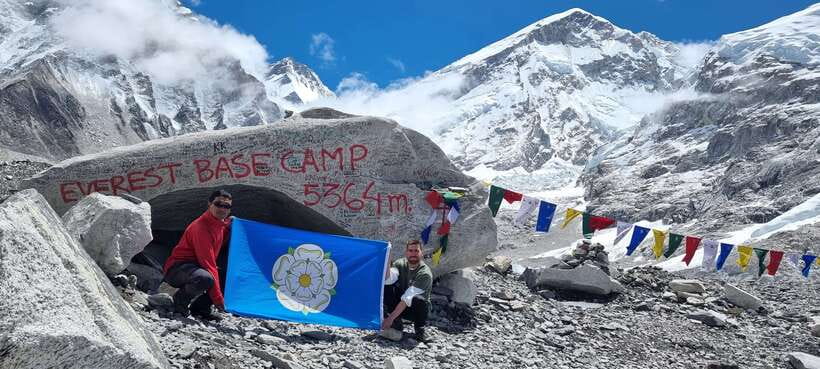
Days twelve and thirteen bring you down in stages:
- Day twelve: trek back toward Namche Bazaar
- Day thirteen: trek back to Lukla, followed by your flight back to Kathmandu (via Ramechhap, based on the itinerary’s flight structure)
The descent days are where people sometimes make mistakes. You’re tired, your muscles are stressed, and your brain wants to move faster. But the trail can still be uneven and demanding. I recommend keeping the same steady pace and letting gravity do its work without you doing extra damage to your knees.
Final Day in Kathmandu: Recovery Time That You’ll Appreciate
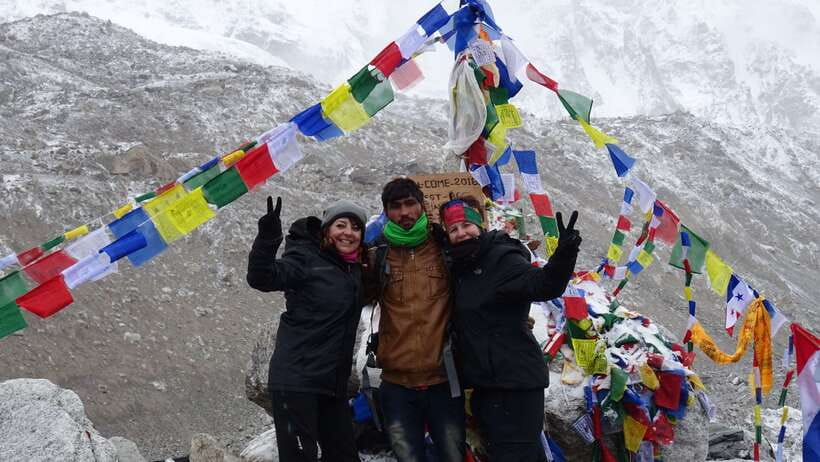
Day fourteen is a flight back to Kathmandu and one more night in a hotel to recover. Day fifteen is your transfer to the international airport.
This “recovery slot” matters. A trek like this messes with sleep, appetite, and overall energy. Having time in Kathmandu before your flight home helps you avoid the classic post-trek crash where you feel fine for about three minutes—then everything hits at once.
Price and Logistics: What You’re Actually Paying For
The listed price is $675 per person for a 15-day experience, and it includes more than most budget trekking packages. Here’s the value breakdown based on what’s covered:
Included (what reduces your planning stress)
- Private car airport/hotel transfers in Kathmandu
- Hotel accommodation in Kathmandu for 3 nights
- Kathmandu city tour by private car
- Best available guest houses during the trek
- Expert licensed English-speaking Sherpa guide
- Everest National Park permits and TIMS
- Staff food/accommodation/salary/insurance and medicine/equipment support
- Down-filled jacket and sleeping bag if needed
- Government taxes
Not included (what you must budget for)
- Airfare from Kathmandu (Ramechhap) – Lukla – Kathmandu (Ramechhap)
- Travel insurance and city entrance fees
- Breakfast, lunch, and dinner during the trek
- Porters (optional; shared with two people)
- Alcohol and cold/hot drinks
- Anything not specifically listed
My value verdict
If you’re already planning to book flights and you’re okay budgeting for meals on trek, this package feels like a solid “organized-and-supported” option. The permits + guide + guide licensing + down gear if needed are the kind of details that are easy to forget when you’re just comparing base prices.
Still, make sure the meal plan and your flight timing are lined up. The tour price isn’t the full cost of the trip.
Guides and Support: The Difference Between a Good Trek and a Calm One
One of the strongest themes from real experiences with this kind of operation is how guides handle day-to-day issues—especially when altitude or sickness shows up.
In particular, I’ve seen that guides like Kale Prakash can be very attentive when someone gets sick, taking careful care through the rough patches. I’ve also seen a pattern of professionalism and coordination linked to organizers such as Gokul and on-the-ground support from guides like Kali (and other guides such as Kumar and Santos).
That matters because on an Everest Base Camp trek, your day can change fast: weather shifts, energy dips, and you need a steady decision-maker. This itinerary’s emphasis on an English-speaking Sherpa guide and licensed support is a big reason it works.
What to Bring (and what to not overthink)
The basics the trip asks for are:
- Comfortable shoes
- Sunglasses
Beyond that, the biggest win is to follow your guide’s layering advice, because temperatures can change quickly as you go higher. The trip also notes you can be provided a down-filled jacket and sleeping bag if needed, which can reduce what you have to carry and pack before you go.
A simple packing mindset
Bring what you can use comfortably every day. In high altitude trekking, your best gear is the gear you actually wear and use correctly.
Who This Trek Is Best For
This route is not suitable for wheelchair users. Beyond that, the trip is described as accommodating various fitness levels, which usually means you can maintain a pace that fits you rather than forcing one speed on everyone.
I think this trek fits best if you:
- Want the classic Everest Base Camp corridor (Lukla in, Kalapathar out)
- Prefer a small-group feel
- Like structure but still want cultural contact with Sherpa villages and monasteries
- Value acclimatization days instead of “rush to altitude and hope”
If you’re the type who hates planning, be aware you still need to manage flight timing and meal costs. The trek organization helps, but it’s not magic.
Should You Book This Everest Base Camp Trek?
I’d book it if you want a trek that’s organized enough to feel calm, but authentic enough to feel like you’re actually passing through Khumbu life—villages, monasteries, and the big park corridor up to the Everest approach.
Skip it or reconsider if:
- You don’t want to handle flight booking separately (airfare is not included)
- You want meals fully included (they aren’t)
- You’re counting on wheelchair accessibility (it’s not suitable)
If you’re okay handling those two key gaps—flights and trek meals—this itinerary looks like a strong value for a supported, classic Everest Base Camp experience.
FAQ
What’s included in the Kathmandu portion of the trip?
You get airport/hotel pick-up and drop-off in a private car, 3 nights of standard hotel accommodation in Kathmandu, and a guided city tour by private car.
Do I need to arrange flights to Lukla and back?
Yes. Airfare from Kathmandu (Ramechhap) – Lukla – Kathmandu (Ramechhap) is not included, and you can request the option to reserve/book flights.
Are meals included during the trek?
No. Breakfast, lunch, and dinner during the trek are not included, so you should plan a meal budget for the hiking days.
Do they provide trekking permits and park access?
Yes. The price includes Everest National Park permits and TIMS (trekking permits).
Is a guide provided, and what language do they speak?
Yes. You’ll have an expert licensed English-speaking Sherpa guide during the trek.
What gear should I bring, and do they provide cold-weather items?
The trip lists comfortable shoes and sunglasses as key items to bring. It also notes that you can receive a down-filled jacket and sleeping bag if needed.