REVIEW · CHIANG MAI
Chiang Dao Cave Trekking Small Group Tour – Full Day
Book on Viator →Operated by TripGuru Thailand · Bookable on Viator
Chiang Dao caves turn a morning out into a proper adventure. This small-group day mixes five-cavern limestone scenery with a guided look at Buddha shrines, then ends with the fun, grippy chaos of Bua Tong sticky waterfall climbing. I like that the day is structured, not vague, and you get English support for both the cave stories and the safety side of the climb.
If you’re not into tight spaces, note the cave can feel humid and you may find crawl-through passages to reach the next rooms. The good news: some sections can be skipped depending on how you’re feeling, so you can scale the effort to your comfort level.
In This Review
- Key moments that make this tour work
- Chiang Dao Cave: Buddha Shrines in Limestone Rooms
- The tricky part: heat, humidity, and the occasional crawl
- Your guide matters more than you think (especially underground)
- Sticky Waterfall at Buatong: Climb a Waterfall Face
- Markets between stops: eat local, then head out
- A realistic schedule: what the 6.5 hours feels like
- What’s included in the price (and what you’ll still pay)
- Price value: why $90 can make sense
- What to pack so the day feels fun, not annoying
- Who should book this Chiang Dao cave trek + sticky waterfall day?
- Should you book it?
- FAQ
- How long is the Chiang Dao Cave Trekking small group tour?
- What time does the tour start, and where is the meeting point?
- Is hotel pickup included?
- What’s included in the price, exactly?
- What’s not included?
- Is the sticky waterfall ticket included?
- What’s the cancellation deadline for a full refund?
Key moments that make this tour work
- Small-group cap (9 max): more time with your English-speaking guide, fewer people slowing you down.
- Guided cave focus at Chiang Dao: Buddha statues, votive offerings, and the five-cavern layout make it more than a quick walk-through.
- Sticky waterfall is the star: you’ll climb an actual waterfall face thanks to sticky mineral deposits.
- Transportation + water are handled: air-conditioned vehicle and bottled water take the stress out of the day.
- Inner-cave option costs extra if you go dark: lantern-guided sections have an added fee per small group of 4.
Chiang Dao Cave: Buddha Shrines in Limestone Rooms
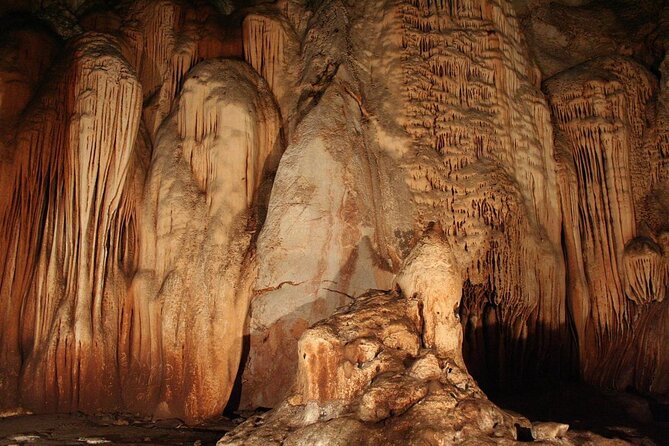
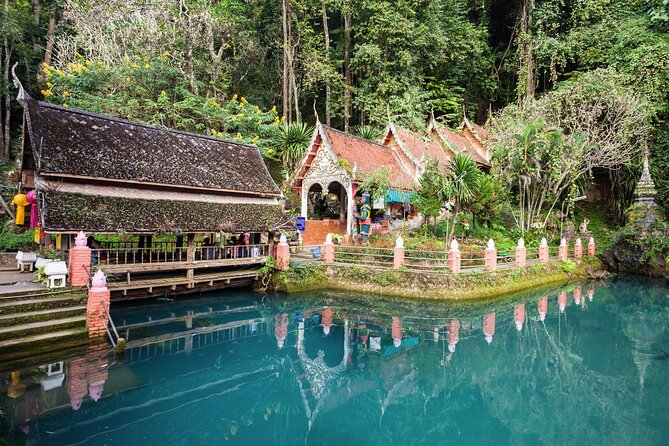
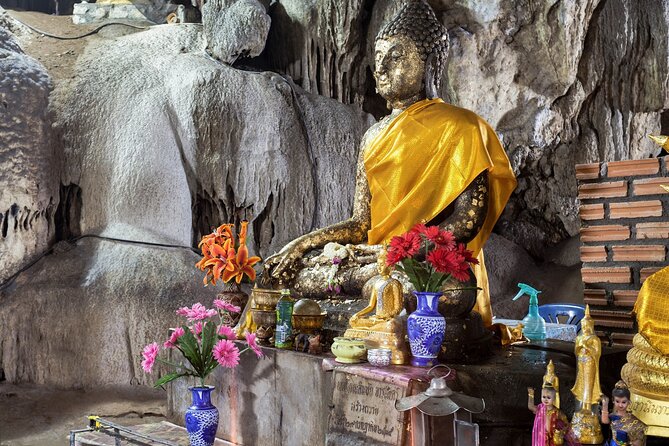
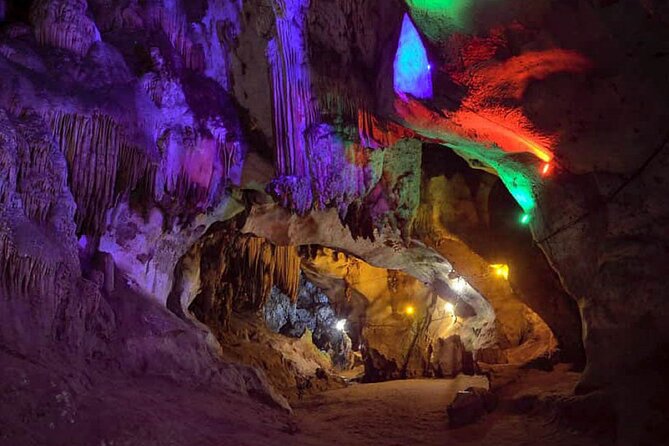
Chiang Dao Cave (Wat Tham Chiang Dao) is built from five limestone caverns, and the whole place is both natural and spiritual. Expect stalactites and stalagmites, plus Buddha statues and votive offerings from pilgrims. It’s one of those sites where the visuals pull you in, but your guide helps you connect why people treat this place with respect.
What you’ll likely love most is the variety inside the complex. Some passages are brightened with electric lights, so you can choose a calmer route. One cavern is known for a row of five seated Buddhas, and there’s also a tall reclining Buddha statue around 4 meters long. Those details make it feel like a living temple space, not just a geology stop.
There’s also an optional “more real” experience: the deeper parts of the cave system involve darker segments. The tour pricing includes the core cave visit, but going through the dark sections with a guide and lantern comes with an extra charge (300 THB per group of 4). The guides in the day vary, but the pattern from past groups is consistent: the darker, lantern-assisted parts are where the cave feels most adventurous and memorable.
You can also read our reviews of more tours and experiences in Chiang Mai.



The tricky part: heat, humidity, and the occasional crawl
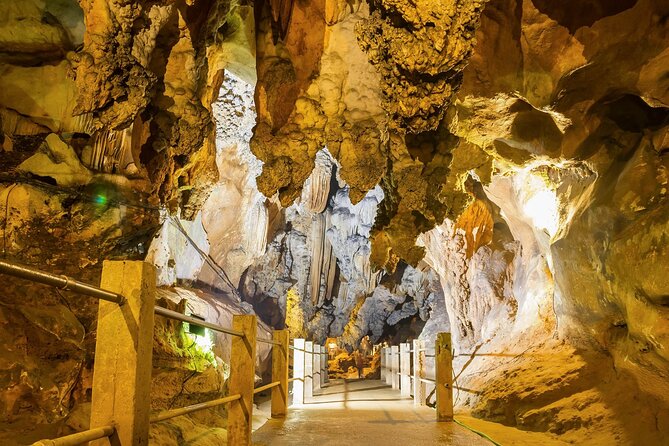
Here’s the honest trade-off. Caves are caves. Even on a day that’s sold as active but doable, you should expect humidity and heat. Several routes include passages that can require crawling to reach the next bigger room.
The good news is flexibility. You can often skip certain tight sections if you’d rather save your energy for the waterfall. If you’re the type who gets annoyed by cramped movement, bring a mindset of choose-your-own-adventure once you’re inside.
Practical tip: wear clothes you don’t mind getting damp and shoes you trust on uneven ground. You’ll be moving at a slow walking pace, then suddenly doing short bursts of effort when the route narrows.
Your guide matters more than you think (especially underground)
This tour lives or dies on guidance, and the guide quality here shows up in the details people rave about. You’ll have an English-speaking guide, and that language support matters in two ways.
First, caves are visual but easy to misread. Your guide helps you point out what you’re seeing—stalactites, shrine spots, and the significance of Buddha arrangements—so the cave becomes easier to understand as a cultural place. Second, safety inside caves is more than a lecture. Guidance on where to go, how to move carefully, and when to switch routes can make the difference between an enjoyable scramble and a stressful one.
You’ll also notice the day can feel more personal because the group is small—maximum 9 travelers. Some past groups even ended up with a near-private setup, which turns the day into a conversation. Names mentioned by guests include Popcorn, Peraset (Peter), Keti, Pranom, Tim, Leo, Nun, Sammy, Chaowit, and Nom. The exact guide will depend on your date, but the consistent point is: people respond to guides who are patient, talkative in a good way, and willing to adjust the pace.
Sticky Waterfall at Buatong: Climb a Waterfall Face

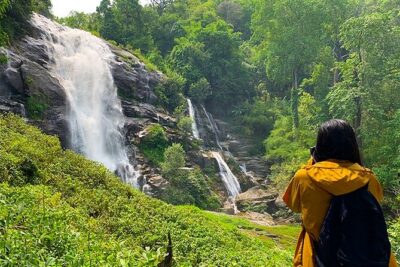
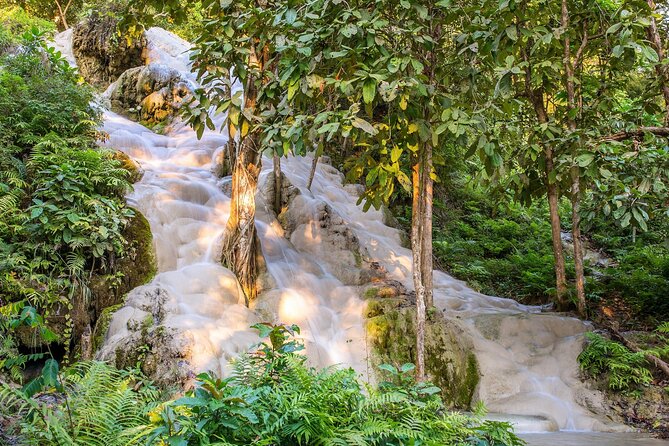
After the cave, you switch from damp limestone to mineral-sticky waterfall action. The next stop is Buatong Sticky Waterfall in Chet Si Fountain National Park. The main idea is simple: sticky mineral deposits on the rock give you grip, so you can climb upward without sliding off like you would on a normal waterfall.
This is the kind of attraction that sounds gimmicky until you do it. Once you’re there, it feels like a controlled challenge—hard enough to be fun, doable enough to be worth trying. People consistently call this the highlight of the day, often because it’s more interactive than the cave. The waterfall is where you get a bit of adrenaline without needing technical gear.
Is it still slippery in places? Yes, in the sense that waterfalls are always unpredictable. That’s why the day is guided and you’ll be watching your footing and pacing. Think of it as a climb with grip rather than a casual stroll.
Admission for this national park stop is included as free in the tour description, so you’re not paying another entry fee on the ground.
Markets between stops: eat local, then head out
There’s time built into the route for food and local atmosphere. You’ll pause at the Chiang Dao market to eat local meals before heading toward the waterfall. The market is also mentioned as a highlight by some groups, and there’s another pass by Mae Malai Market on the return.
You should plan on paying for your own meals. Food and drink aren’t included, but the market stop is one of the easiest ways to try what’s around Chiang Mai on an active day. If you want to avoid feeling rushed, grab your meal with enough time to digest a bit before the waterfall climb.



A realistic schedule: what the 6.5 hours feels like
The tour runs about 6 hours 30 minutes, starting around 8:00 am. Cave time is about 3 hours, then the waterfall portion runs about 2 hours. The rest of the time is transport and the market stop, so you’re not stuck watching the clock.
This pacing matters. A half-day tour like this gives you a complete story: temple-cave atmosphere first, then an outdoor challenge where you’re moving again. You won’t leave feeling like you only did one thing.
If you’re someone who likes early starts but hates exhausting long days, this timing is a sweet spot. It’s active, but it’s not a full-day endurance test.
What’s included in the price (and what you’ll still pay)
At $90.00 per person, it’s priced like an all-in guided day rather than a DIY day trip. Here’s what your money typically covers:
Included:
- Air-conditioned vehicle
- English-speaking guide
- Pick up and drop off at your hotel
- Bottled water
- Insurance
- Entrance fee for Chiang Dao Cave (40 THB)
Not included:
- Food and drink
- Personal expenses
- Fee for guide with lantern in the cave (300 THB per group of 4)
That lantern fee is the one potential “surprise.” If you’re curious about the darker inner-cave sections, it’s worth budgeting for. If you’d rather stay in the better-lit portions, you can likely avoid that extra charge.
Price value: why $90 can make sense
$90 sounds high until you price the day like a checklist. You’re paying for:
- Transportation with hotel pickup and drop-off
- An English-speaking guide for both cave and waterfall
- Cave entry fees
- Insurance and bottled water
Without a tour, you’d still need transport out to Chiang Dao, cave access, and a plan for how to get the most out of the cave without getting lost or missing key shrine areas. This package is basically selling you structure plus a guide for the hard parts.
The best value shows up if you enjoy active travel and don’t want to spend time figuring things out. If you want a laid-back day with minimal walking, this may not be the best fit.
What to pack so the day feels fun, not annoying
Even though you’ll be in a guided group, you’ll still feel the cave and climb physically. Pack like you’re doing two outdoor activities back-to-back.
Bring:
- Shoes with grip for damp, uneven cave floors
- Clothes that can handle humidity
- A small towel or wipes (helpful for sticky-rock and wet conditions)
- A light layer for comfort once you come out of the cave
If you plan to do the lantern-guided inner-cave segments, expect you’ll want extra comfort for tight passages and darker walking.
Who should book this Chiang Dao cave trek + sticky waterfall day?
I’d book this if you like:
- Hands-on sites where you actually move (not just look from a distance)
- Cave travel with a guide who explains what you’re seeing
- A mix of culture and outdoor challenge in one half-day
It also fits well for people who appreciate small-group attention. With a maximum of 9 travelers, it’s easier to ask questions and adjust pace.
You might want to skip the cave part or be selective with routes if:
- You dislike cramped passages
- Humidity affects you quickly
- You want a fully relaxed sightseeing day
Should you book it?
If you’re choosing between a casual Chiang Mai day trip and a more active “do stuff” outing, this tour is a strong pick. The cave is rewarding when you have guidance, and the sticky waterfall climb is the kind of experience you’ll remember because it’s physical and weird-in-a-good-way.
Book it if you’re up for a guided crawl-or-choose-your-route cave experience and you want a fun outdoor climb at the end. Skip or scale back your cave expectations if you know tight, humid spaces bother you.
FAQ
How long is the Chiang Dao Cave Trekking small group tour?
It’s about 6 hours 30 minutes total (approx.).
What time does the tour start, and where is the meeting point?
It starts at 8:00 am. The meeting point is Tha Phae Gate area on Tha Phae Road in Chiang Mai, and the tour ends back at the meeting point.
Is hotel pickup included?
Yes. Pick up and drop off at your hotel are included.
What’s included in the price, exactly?
The price includes an air-conditioned vehicle, an English-speaking guide, hotel pickup/drop-off, bottled water, insurance, and Chiang Dao Cave entrance (40 THB).
What’s not included?
Food and drink are not included, plus any personal expenses. The fee for a guide with a lantern in the cave is also not included (300 THB per group of 4).
Is the sticky waterfall ticket included?
Yes. The tour description lists the Buatong Waterfall-Chet Si Fountain National Park admission as free.
What’s the cancellation deadline for a full refund?
You can cancel up to 24 hours in advance of the experience start time for a full refund.