REVIEW · MASINDI
Experience Chimpanzee Trekking in Budongo Forest
Book on Viator →Operated by Murchison Backpackers · Bookable on Viator
Chimps in Budongo feel startlingly close. This chimpanzee trekking outing in Masindi pairs a private guide with a ranger briefing and a full hour watching chimpanzees at close range, plus time for photos. The only real catch is that your tracking start can be morning or evening, depending on chimp permit availability—so a bit of flexibility helps.
I like that the experience is built around how chimp tracking actually works in Budongo Forest Reserve: you drive in, get briefed, trek to the chimp community, spend a focused hour observing, then walk back. You also have a chance to notice other primates and forest plants along the way, which makes the whole walk feel more than just a checklist.
One possible drawback: meals are not included, so you’ll want to plan food before or after you go. And because this activity depends on field conditions, it requires good weather to run.
In This Review
- Key Things That Make Royal Mile Budongo Chimp Trek Worth It
- Budongo Chimp Trekking: What You’re Really Paying For
- Getting to Royal Mile Budongo Forest from Masindi
- The Ranger Briefing and Your Tracking Window
- What Happens During the Chimpanzee Viewing Hour
- Beyond Chimps: Other Primates and Forest Plants on Your Walk
- Half-Day vs Full-Day: The Habituation Upgrade Explained
- Private Tour Perks: Your Group Only, Your Pace
- Price and Value: Is $150 a Good Deal?
- Timing Tips: Morning or Evening Permit Windows
- What to Expect on the Trail (Comfort and Real-World Logistics)
- Who Should Book This Chimp Trek in Budongo?
- Should You Book? My Decision Guide
- FAQ
- Where does the chimp trekking experience start and end?
- How long does the experience take?
- What does it cost?
- Is it a private tour or a group tour?
- Does chimpanzee tracking happen in the morning or evening?
- What’s included and what’s not included?
- Can I choose a half-day or full-day option?
- What happens if weather is bad, and what about cancellation?
Key Things That Make Royal Mile Budongo Chimp Trek Worth It
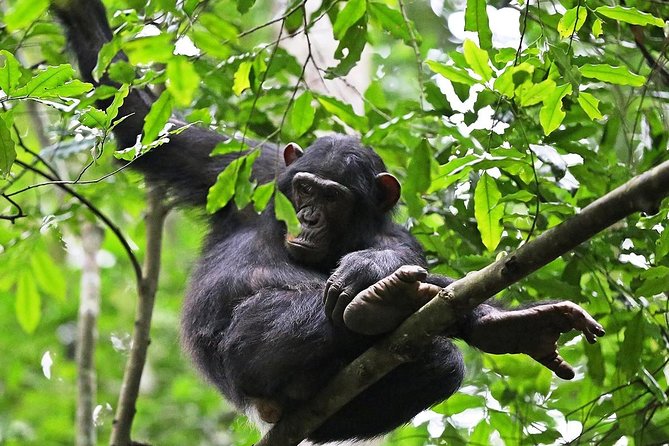
- Private guiding through the forest, with your own group only
- One hour with the chimpanzee community for viewing and photos
- Royal Mile Budongo Forest tracking with ranger briefing before you go in
- Morning or evening start based on chimpanzee permit availability
- Chance to see other primates and forest plants beyond the chimps
- Half-day or full-day upgrade for chimpanzee habituation (human tolerance over time)
Budongo Chimp Trekking: What You’re Really Paying For
Budongo Forest is one of Uganda’s strong places for chimpanzee tracking, and this tour is designed to make that hunt feel manageable. You’re not just handed a map and left to hope for the best. You’re guided to the chimp community with support from a park ranger, and you get a structured viewing window once you reach them.
At $150 per person, it’s not cheap—but the pricing makes more sense when you look at what’s included. You get private transportation and all fees and taxes, and your admission is included. That matters in Uganda, where the true cost of wildlife activities can hide in permits and operational charges. Here, you’re paying for the service, not just a transfer.
The time commitment is also fairly friendly for a wildlife day: the activity is about 4 to 6 hours total. The chimp tracking itself is roughly three hours, and that includes trekking time, plus an observation period that’s long enough to notice behavior rather than just snap one photo and run.
Getting to Royal Mile Budongo Forest from Masindi
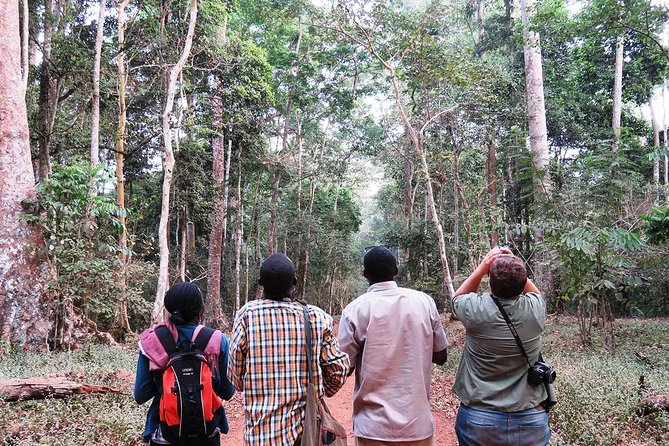
This experience starts at Murchison Backpackers in the Kampala–Masindi area of Masindi. After pickup, you’ll head into the Budongo Forest area on a winding drive to the reserve.
That drive isn’t just a connector. It’s part of the day’s pacing: once you arrive, you’re ready for the briefing and you’re already in the right mindset for forest time. In chimp tracking, that matters. These are not zoo animals on a timetable—they’re wild animals moving through forest, and your job is to follow the process calmly.
The tour ends back at the same meeting point. So you don’t have to worry about sorting another transport plan after your sighting, when you’re tired and your brain is busy replaying the best moment you saw.
The Ranger Briefing and Your Tracking Window
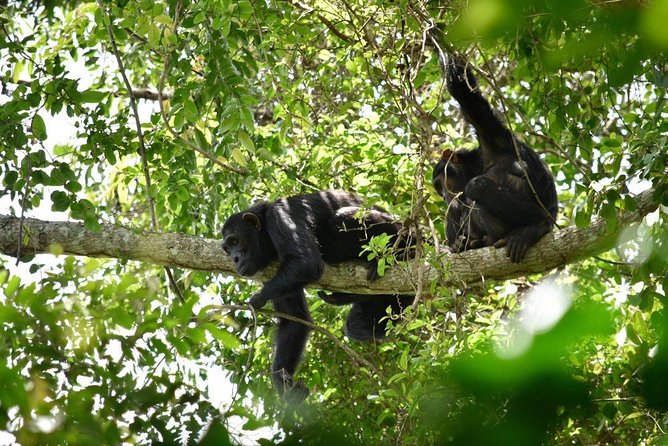
Once you reach the forest, you get a briefing from your designated park ranger. This is where the practical side of chimp trekking shows up: how to move, how to respect the animals’ space, and how the tracking activity will unfold.
Then comes the tracking itself. Your chimp tracking session is built around a simple flow:
- trek to the chimp community,
- spend time observing and taking photos,
- then trek back to the start point.
You’ll have around three hours for the chimp tracking activity, and it includes about a full hour to interact visually with the chimpanzees—watching how they behave and how they respond to your presence from a respectful distance.
This is also the point where the forest stops being background scenery. Once you’re on the trail, you’ll be exposed to other primates and lots of plants and shrubs in the reserve. Even when chimps are farther or partly hidden, your guide’s attention helps you keep the experience active, not passive.
What Happens During the Chimpanzee Viewing Hour
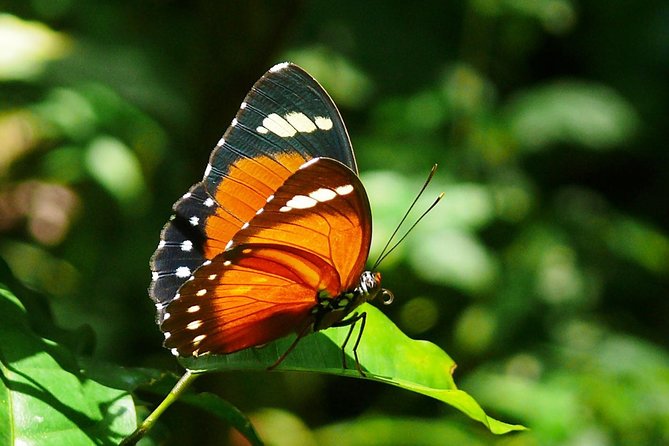
That one-hour viewing period is the heart of the tour. It’s long enough that you can do more than take pictures. You can actually watch patterns: how chimps call or move, whether they feed, and whether the group’s energy changes as other chimps get attention.
You’ll also likely spend time photographing the community. The goal isn’t to turn this into a photo mission with frantic movements—it’s to capture the moment while you’re still calm and observant.
One practical thing to plan for: chimp tracking can be a bit unpredictable because it depends on where chimpanzees are that day and what the permit schedule allows. This is why the tour offers either a morning or evening start depending on preference and availability of chimpanzee permits. If you’re serious about booking, give yourself a schedule that can flex.
Beyond Chimps: Other Primates and Forest Plants on Your Walk
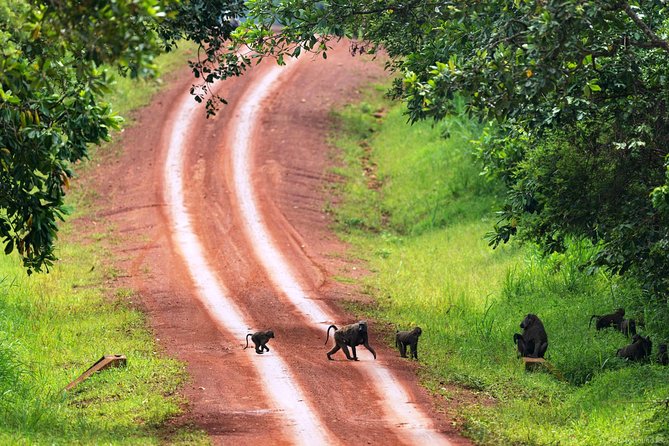
I love when a wildlife tour gives you more than one target. Here, your guide brings you through forest trails where you may spot other primates and notice plants and shrubs along the way.
Why that matters: chimp trekking is exciting, but forest walking also builds context. You start noticing how the habitat supports primate life—food sources, movement corridors, and the general structure of the forest. Even if your chimp encounter is brief or partly obscured, you still get value from the trail itself.
This is where the guide’s local perspective becomes part of the product. The guides described as excellent in prior experiences are people living around Budongo Forest, and that local familiarity shows in how smoothly they handle the trails and how confidently they manage the group.
Half-Day vs Full-Day: The Habituation Upgrade Explained
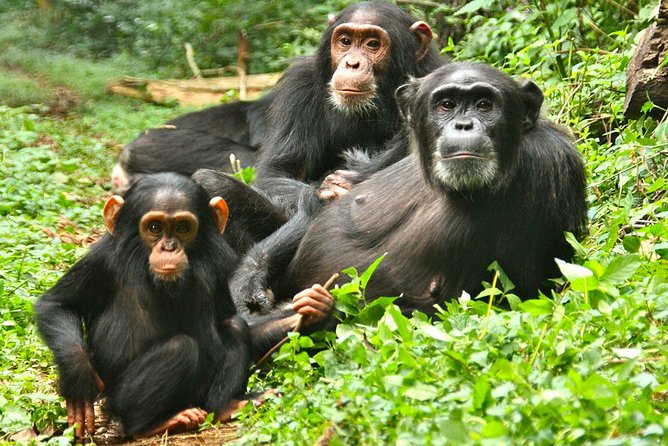
You can choose a half-day chimp trekking plan or upgrade to a full-day tour for a chimpanzee habituation experience. The key idea is simple: habituation means the chimps gradually become used to humans over time.
Why you’d consider the upgrade: habituation-style visits often focus less on a single “find and go” moment and more on the slow process of getting chimps comfortable with people present. That can make the experience feel more relaxed and observational, as opposed to a brief burst of excitement.
The data on timing is clear that the standard tracking experience is structured around that roughly three-hour chimp activity. The full-day option adds the habituation component, which is valuable if you want more time and a different emotional feel—less of a sprint, more of a watchful session.
Private Tour Perks: Your Group Only, Your Pace
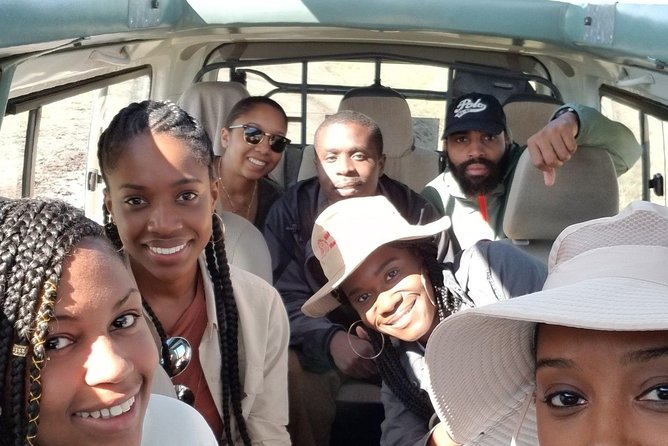
This is a private tour/activity, so only your group participates. You also get private transportation, which is a big deal when you’re trying to coordinate the day around permit timing.
In practical terms, a private format usually means fewer compromises:
- you can ask questions without sharing your guide’s attention with strangers,
- you can move at a pace that matches your comfort level,
- and you’re more likely to get clarity when something in the schedule shifts.
One caution based on a common real-world snag: at the start of an outing, it helped a lot when everything was clearly communicated. If you want to avoid that kind of early-day uncertainty, contact Murchison Backpackers ahead of time and ask for a clear confirmation of your pickup and tracking start window.
Price and Value: Is $150 a Good Deal?
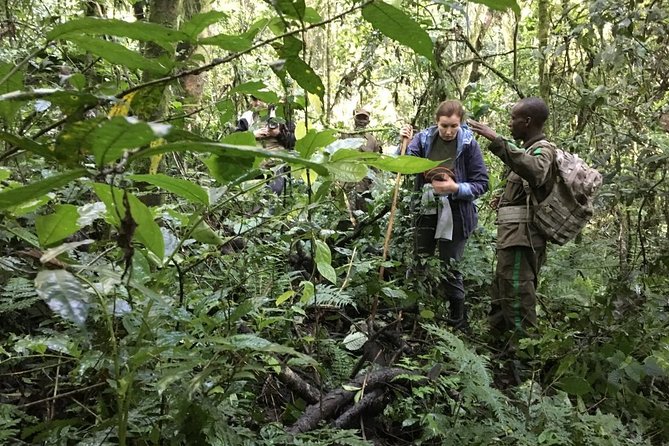
For $150 per person, you’re getting more than a walk in the woods. You’re paying for:
- private transportation
- all fees and taxes
- admission included
- a guided experience that connects you to the chimp community for a set viewing period
If you’re used to paying separately for permits, ranger support, and logistical fixes, this bundled approach is easier to stomach. The cost also becomes easier to justify if you’re traveling as a small group, because private guiding and transport can be harder to replicate on your own.
What’s not included is also important. Meals are not included, so factor in food. That’s not a deal-breaker, but chimp tracking days can leave you hungry afterward, so plan a snack or meal stop around the experience.
Timing Tips: Morning or Evening Permit Windows
Tracking can happen in the morning or evening, depending on preference and chimpanzee permit availability. That single detail can change your whole day.
Here’s how I’d handle it when planning:
- If you want cooler walking conditions, you’ll usually prefer earlier hours, but you still have to match permit scheduling.
- If your schedule is already tight in the morning, evenings might be your best option—just keep in mind the forest still demands attention and good footwear.
The tour itself runs about 4 hours for the half-day structure (and “about 4 to 6 hours” overall depending on your exact timing). So treat this as a real block on your Masindi itinerary, not a quick activity you can squeeze between errands.
What to Expect on the Trail (Comfort and Real-World Logistics)
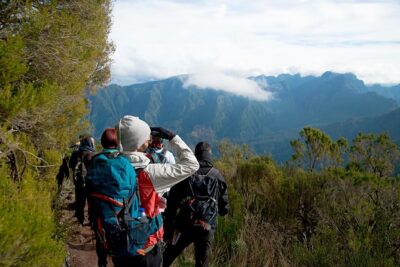
This is chimpanzee trekking in a forest reserve. You should expect walking along forested trails and moving at a pace set by the activity and ranger guidance.
So bring practical gear:
- comfortable, grippy shoes for forest trails,
- a light layer (even if you think you won’t need one),
- and something to keep in mind for photos (your guide will likely help you position during the observation period).
Also, remember that the tour requires good weather. If weather turns poor, the experience may be canceled and you’ll be offered a different date or a full refund—so don’t plan a super tight final day with zero flexibility.
Who Should Book This Chimp Trek in Budongo?
I think this fits best if you want:
- a structured, guided chimpanzee encounter,
- a private experience where your group only participates,
- and the chance to see more than just chimps through other primates and forest plants.
It’s also a good choice if you’re combining wildlife interest with a comfort level that appreciates clear ranger direction. Most travelers can participate, but chimp trekking does involve forest walking and staying focused.
If you already know you want more time with the chimps and are curious about habituation, the full-day upgrade is the direction to consider.
Should You Book? My Decision Guide
Book it if: you want a guided chimpanzee trek that includes the big essentials—transport, fees, admission, ranger briefing, and a full hour of observing chimpanzees. The private format is also a plus if you dislike group chaos and want a more personal pace.
Skip or rethink it if: you hate schedule uncertainty. Even with booking, the start can be morning or evening depending on permit availability, and the activity depends on good weather. Add meals to your plan, because meals are not included.
If you’re traveling through Masindi and Budongo is on your Uganda list, this is a straightforward, value-leaning way to do it with less hassle.
FAQ
Where does the chimp trekking experience start and end?
The tour starts at Murchison Backpackers in Masindi (Kampala–Masindi area) and ends back at the same meeting point.
How long does the experience take?
The duration is about 4 to 6 hours. The chimpanzee tracking activity itself is about three hours, including trekking, about one hour to interact/observe, and walking back.
What does it cost?
It costs $150.00 per person.
Is it a private tour or a group tour?
It’s private. Only your group participates.
Does chimpanzee tracking happen in the morning or evening?
Tracking can happen in either the morning or the evening, based on your preference and the availability of chimpanzee permits.
What’s included and what’s not included?
Included: private transportation and all fees and taxes, and the admission ticket is included. Not included: meals.
Can I choose a half-day or full-day option?
Yes. You can choose a half-day tour or upgrade to a full-day tour for a chimpanzee habituation experience.
What happens if weather is bad, and what about cancellation?
The experience requires good weather. If it’s canceled due to poor weather, you’ll be offered a different date or a full refund. You can cancel for a full refund up to 24 hours in advance. If you cancel less than 24 hours before the start time, you won’t receive a refund.