REVIEW · POKHARA
5 Day Mardi Himal Base Camp Trek in Pokhara
Book on Viator →Operated by CAN Travels · Bookable on Viator
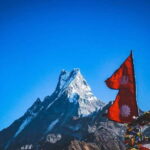
Short trek, big Himalayan payback. On this 5-day Mardi Himal trek from Pokhara, you climb from Kande through rhododendron forests and local villages toward sweeping views of Machhapuchhre and the Annapurna range. It’s a compact route with real altitude trekking feel, not just a sightseeing walk.
I like the day-by-day structure: transfers out of Pokhara, guesthouse accommodation during the trek, permits handled, and a guide who keeps things moving. I also like the human touch from the team—names like Amrit, Biru, and Bikram show up in past trips with praise for staying organized and friendly, so you spend less time worrying and more time watching the mountains get closer.
One thing to consider: the final push to Mardi Himal Base Camp uses a narrow, steep trail. That’s where pace, balance, and a calm head matter more than speed—especially if you’re not used to hiking uphill for long stretches.
In This Review
- Key things I’d plan around
- Pokhara start: getting rolling from lakeside to Kande
- Day 1: Kande to Australian Camp via forest trails and viewpoints
- Day 2: Pitam Deurali to Low Camp in rhododendron country
- Day 3: Low Camp to High Camp through oak and rhododendron
- Day 4: High Camp to Mardi Himal Base Camp on a steep, narrow trail
- Day 5: Siding village down to Lumre, then back to Pokhara by jeep
- Price and logistics: does $230 feel worth it?
- How hard is it, and who should go?
- What it’s like on the ground: guide support and guesthouse rhythm
- Should you book this 5-day Mardi Himal Base Camp trek?
- FAQ
- FAQ
- How long is the Mardi Himal Base Camp trek?
- Where does the trek start and do you offer hotel pick-up?
- What time does the experience start?
- What is included in the price?
- Is food included?
- Do I need to arrange trekking permits?
- What kind of lodging do we get during the trek?
- How do you get from Pokhara to Kande and back again?
- Is this trek suitable for my fitness level?
- Can I cancel for a full refund?
Key things I’d plan around
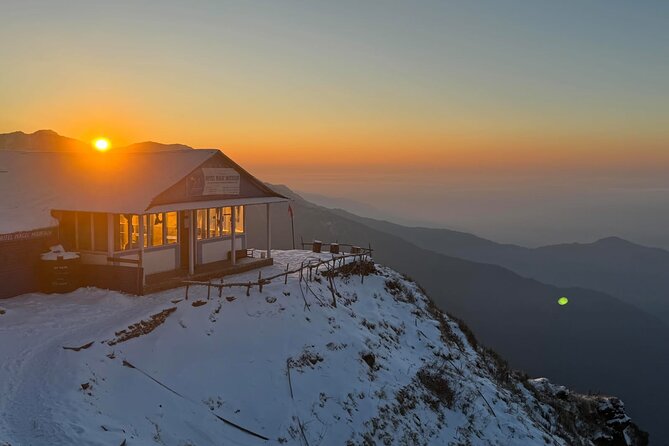
- Pitam Deurali to Low Camp: rhododendron-and-wildflower trekking through dense forest
- High Camp build-up: oak and rhododendron walking that gets you ready for the base-camp day
- Early start to Mardi Himal Base Camp: steep, narrow uphill when you really want good energy
- Permits and documents handled: trekking permit included, plus official paperwork support
- Hotel pick-up/drop-off in Pokhara lakeside: fewer logistics headaches before and after the hike
Pokhara start: getting rolling from lakeside to Kande
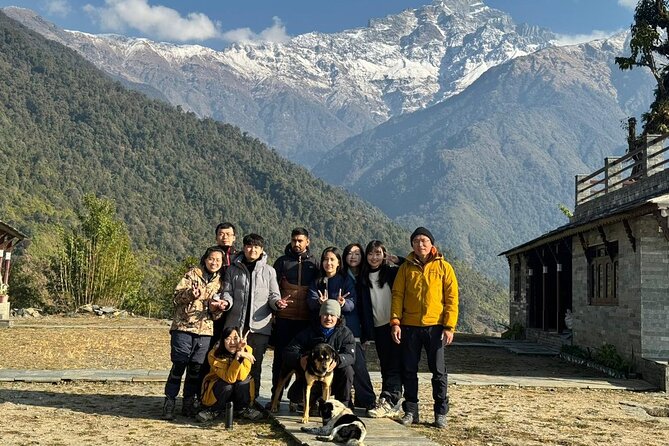
Most trekking headaches happen before the trail. Here, you get hotel pick-up and drop-off within the lakeside area, plus a transfer from Pokhara to Kande by shared bus or jeep. Translation: you’re not hunting down meeting points with a map app while half-asleep.
The trek proper begins after the drive to Kande. Right away, you get those classic hill-country views from the road, which helps your brain switch from city mode to mountain mode. It’s also a good warm-up for what comes next: walking sections that shift from open hills to deeper, cooler forest routes.
If you’re the type who hates wasted time, the private tour setup helps. It’s private, so the plan is built around your group rather than a big shuffle of strangers.
You can also read our reviews of more tours and experiences in Pokhara.
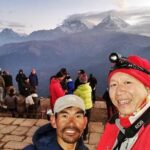
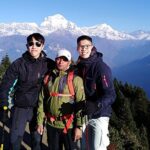
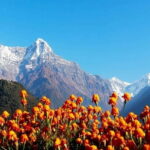
Day 1: Kande to Australian Camp via forest trails and viewpoints
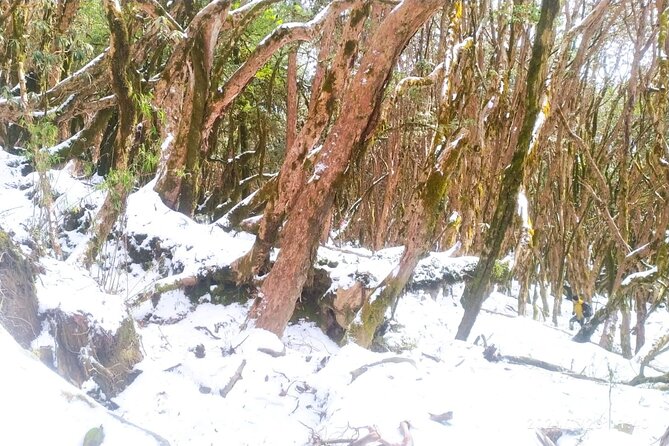
Day 1 is about transition: you start from Kande and work your way onto the first chunk of trail. The route follows forested paths as you gain elevation. You’ll also visit Pitam Deurali View Point, which is a nice way to get your first real mountain payoff before you fully commit to trekking hours.
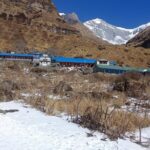
Australian Camp is a popular stopping point on this route, and it fits the pace of a 5-day itinerary. You’re not hiking all day into exhaustion—you’re setting yourself up for the deeper forest climbs on days 2 and 3.
What I like about this first day is that it gives you a chance to settle into routine:
- pack weight and water habits
- figure out your breathing pace
- adjust shoes and socks before the steeper days
What to watch: if you start too fast because the scenery looks great, your legs might feel it later. Keep it steady.
Day 2: Pitam Deurali to Low Camp in rhododendron country
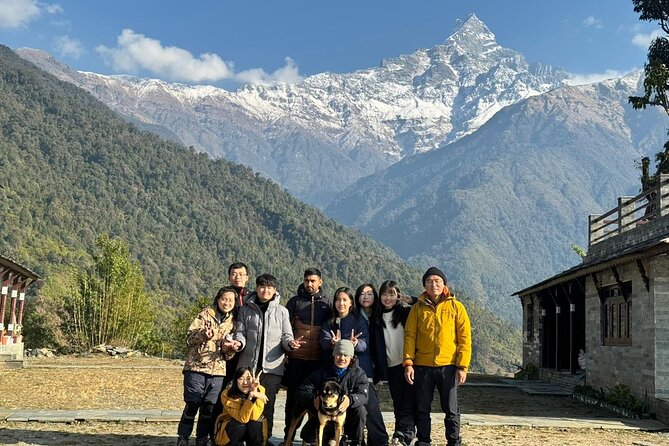
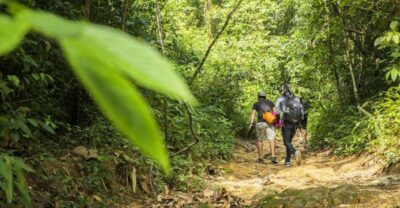
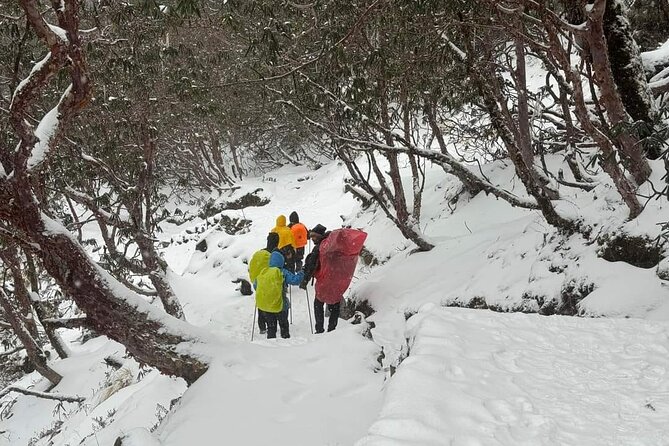
Day 2 is a true “walk through the greenery” day. After breakfast, you trek from Pitam Deurali to Low Camp, heading north into a dense forest filled with rhododendrons and other wildflowers.
This part matters more than it sounds. When your trail is shaded and consistent, you can keep a smoother rhythm. That’s a big deal on a short trek, because you don’t have extra days to recover.
The walk is roughly 6 hours, so it’s long enough to feel like trekking, but not the kind of all-day grinder that leaves you wrecked for your next climb. Low Camp also acts like a stepping stone for the big movement upward later.
Practical tip: dress in layers. Forest weather can change fast, and rhododendron trails can feel cooler under tree cover. You’ll usually want something you can add/remove without unpacking your whole bag.
Day 3: Low Camp to High Camp through oak and rhododendron

Day 3 ramps things up. You start from Low Camp and ascend toward High Camp, walking through forest that includes oak and rhododendrons. There’s also a stop at Middle Camp along the way, reached after roughly 1 to 2 hours of trekking from Middle Camp onward.
This is the day that starts turning your effort into real altitude feeling—more sustained uphill, less time to coast. The total is about 5 hours, which sounds shorter than day 2, but uphill days can feel longer when you’re gaining height in steady increments.
I like day 3 on this trek because it’s a bridge day. It prepares you for day 4 without dumping you straight into the hardest terrain. You’re building endurance in manageable stages, which is exactly what you want on a 5-day route.
What to watch: hydration and slow, steady steps. On forest days, it’s easy to under-pace because you can’t see the distance the way you can on ridge walks.
Day 4: High Camp to Mardi Himal Base Camp on a steep, narrow trail
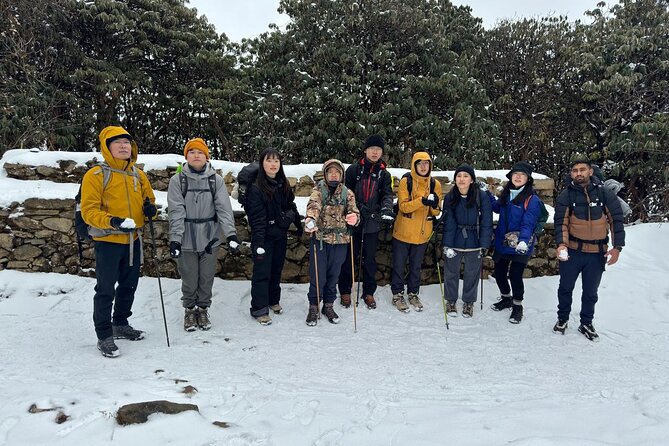
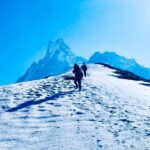
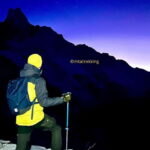
This is the big moment. You leave High Camp early and head for Mardi Himal Base Camp via a narrow, steep trail. It’s also the day when the views sharpen and the mountain presence gets obvious.
The trek time is about 7 hours. That’s a full day, so the early departure matters: you want daylight, good visibility, and enough energy to handle the last push without rushing.
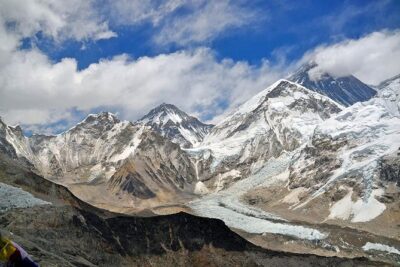
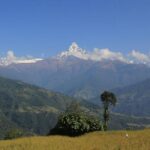
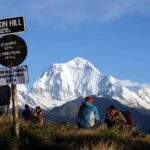
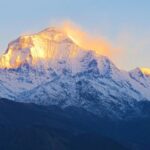
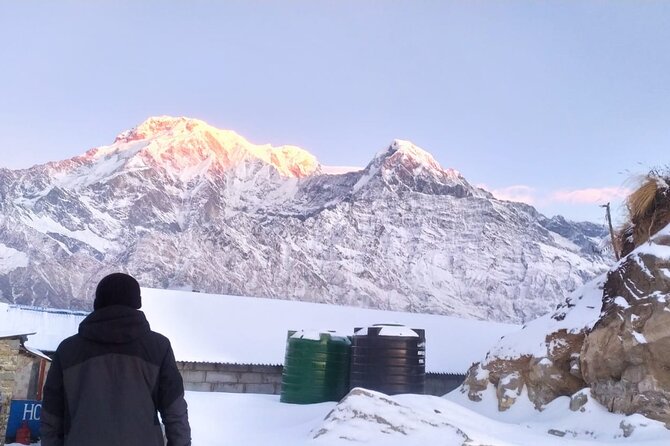
When you reach Mardi Himal Base Camp, you get the payoff the whole trek is built for—those dramatic views of the Annapurna region, including iconic peaks such as Machhapuchhre (Fishtail), Annapurna South, and Hiunchuli. Even if clouds roll in sometimes, base camp is usually where the mountain drama is easiest to read.
One honest consideration here: if you hate exposed footing or steep trail sections, plan for a slow approach. Trekking poles can help a lot on narrow downhill stretches later, too—even if your day 4 focus is the uphill climb.
Day 5: Siding village down to Lumre, then back to Pokhara by jeep

Day 5 is your exit day, and it’s a relief in the best way. From Siding village, you descend toward Lumre, where the trekking portion ends. The trail goes through forests and small settlements, which feels more human and less wilderness-only than the higher camps.
Total time is about 7 hours, including the drive back. Once you reach Lumre, you use a local jeep to return to Pokhara. The included transfer is listed as Lumre to Pokhara by shared bus or jeep, which matches the general idea: get you back to town without needing to organize transportation yourself.
This day is where you’ll feel the difference between “trekking legs” and “normal legs.” You might walk slower than you want on the way down, but the descent is often mentally easier than the uphill climbs.
Pro tip: plan to eat soon after arrival in Pokhara. A hot meal + a shower isn’t a luxury after this trek—it’s part of recovery.
Price and logistics: does $230 feel worth it?
At $230 per person, the value depends on what you want to avoid. For this price, you get a lot of the boring-but-important stuff:
- hotel pick-up/drop-off in the Pokhara lakeside area
- an English-speaking trekking guide
- trekking permit and official documents handled
- guesthouse accommodation during the trek
- transfers to/from the trail (by shared bus or jeep)
- an emergency normal first aid kit with the guide
- private tour setup
What’s not included is food and drinks, available to purchase (listed around US$ 25 per person), plus optional gratuities.
So if you like your trek organized—permits handled, transportation arranged, daily pacing managed—this price can make sense. If you’re the kind of person who wants full independence and doesn’t mind handling permits or transport yourself, you might compare costs with DIY options. But for most people, the included support saves time, mistakes, and stress.
Also worth noting: the experience includes group discounts and a mobile ticket, which usually makes coordination smoother when you have multiple people in one booking.
How hard is it, and who should go?
This is listed as suitable for people with moderate physical fitness. The daily hiking time ranges from about 5 to 7 hours, with one day that’s shorter on paper (day 3) but still includes sustained climbing.
You’ll want basic trekking comfort:
- walking uphill for hours
- stepping on uneven ground without panicking
- handling early starts (especially day 4)
You’ll be happiest if you want a “real trek” feel in a short schedule. This isn’t an ultra-length Everest-style endurance test, but it also isn’t a flat stroll. It’s a focused climb through forest, then a sharper push to base camp.
If you’re very sensitive to steep trails, treat day 4 as the main deciding factor.
What it’s like on the ground: guide support and guesthouse rhythm
The included English-speaking trekking guide is a big part of why this route works well for many first-time base-camp hikers. You’re not just paying for company—you’re paying for trail flow and practical decisions: where to start, how to pace, and how to keep the itinerary moving.
Past trips praised guides such as Amrit, Biru, and Bikram for being friendly and helpful, and for keeping logistics smooth. That aligns with what matters most on a tight schedule: you want the plan to run without constant re-checking.
Accommodation is guesthouse during the trek. That usually means you’re eating and sleeping in local-style set-ups rather than moving hotels every night. It’s simpler, and it keeps you connected to the rhythm of the trail villages.
Should you book this 5-day Mardi Himal Base Camp trek?
Book it if you want a short, solid trek with big Annapurna views, manageable days (roughly 5–7 hours), and logistics handled from Pokhara to the trail and back. It’s especially appealing if you like the idea of a private tour, English guidance, and paperwork taken care of.
Skip it—or at least reassess—if you know you struggle with steep, narrow trail sections. Day 4 is the deal-breaker day, and no one can hike it for you.
If you can handle a challenging uphill day and you’d rather spend your energy on the mountains than on permits and transport, this trek is a strong match.
FAQ
FAQ
How long is the Mardi Himal Base Camp trek?
It’s listed as 5 days (approx.), with hiking days of about 5 to 7 hours depending on the route day.
Where does the trek start and do you offer hotel pick-up?
You’re picked up from the lakeside area in Pokhara, and there is a drive/transfer to Kande to begin the trekking portion.
What time does the experience start?
The listed start time is 12:15 am.
What is included in the price?
Included items are hotel pick-up and drop-off within the lakeside area, an English-speaking trekking guide, trekking permit and official documents, guesthouse accommodation during the trek, transfers (Pokhara to Kande and Lumre to Pokhara), an emergency normal first aid kit with the guide, and a private tour.
Is food included?
No. Food and drinks are not included, but you can purchase them during the trek (approx. US$ 25 per person).
Do I need to arrange trekking permits?
No. The trek includes the trekking permit and all official document support.
What kind of lodging do we get during the trek?
Accommodation is in guest houses during the trekking days.
How do you get from Pokhara to Kande and back again?
Pokhara to Kande is by shared bus or jeep. After the trek ends at Lumre, you return to Pokhara by shared bus or jeep (and a local jeep drive is part of day 5).
Is this trek suitable for my fitness level?
It’s recommended for people with moderate physical fitness.
Can I cancel for a full refund?
Yes. There is free cancellation. You can cancel up to 24 hours in advance for a full refund. If you cancel less than 24 hours before the start time, the amount you paid will not be refunded.