REVIEW · KAMPALA
12-Day Big 5, Chimp & Gorilla Trekking Safari
Book on Viator →Operated by Exclusive Gorilla Vacations · Bookable on Viator
Few trips pack this many wild moments.
This 12-day Uganda circuit links Murchison Falls and Queen Elizabeth game drives with chimpanzees in Kibale and gorillas in Bwindi, then finishes with shoebill birding near Lake Victoria. It’s the kind of route that makes sense for first-timers because each day adds a new animal story (rhinos, lions, hippos, chimps, gorillas, and more) without feeling like you’re just driving and hoping.
Two things I like a lot. First, you get a real taste of the Big Five setup, not just one long drive to a single park: Ziwa Rhino Sanctuary is a smart warm-up before Murchison. Second, the chimp and gorilla days are run with proper structure—briefings, strict rules, and a guided trek that’s built for getting you close while keeping things safe.
One drawback to consider: the pace is full. Mornings start early, trails can run 45 minutes to 6 hours on the gorilla day, and you’ll do several long travel days between parks. If you hate early starts or you want a slow trip with lots of free time, you’ll feel it.
In This Review
- Key points that matter before you go
- Uganda in 12 days: where this safari shines
- Kampala day 1: history, views, and market reality
- Ziwa Rhino Sanctuary: your smart Big Five warm-up
- Murchison Falls: early game drive plus Nile cruise
- Kibale National Park: chimp trekking plus Bigodi wetlands
- Day 5: the chimpanzee trek itself
- Queen Elizabeth: Katwe salt lakes, bird counts, and Kasenyi plains
- Ishasha sector: tree-climbing lions and the Kazinga Channel payoff
- Bwindi gorilla tracking: what the full-day trek really takes
- Lake Bunyonyi after gorillas: calm water and Akampene story
- Lake Mburo nature walk and Jinja’s adrenaline stop
- Mabamba Swamp shoebill search: a quiet finale on Lake Victoria
- Price and value: what $4,300 buys you (and what to watch)
- Who should book this Big 5, Chimp & Gorilla circuit
- The guide factor: why the experience gets praised
- Should you book this 12-day safari?
- FAQ
- Where does the safari start?
- How long is the safari?
- What’s the group size?
- What primate experiences are included?
- What other wildlife experiences are included besides primates?
- What should I wear for gorilla trekking?
- Is shoebill birding included?
- What is the cancellation policy?
Key points that matter before you go
- Big Five start at Ziwa Rhino Sanctuary with endangered southern white rhinos in the wild
- Chimp trekking in Kibale, plus Bigodi Wetland Sanctuary and a chance for standout forest birds
- Gorilla tracking in Bwindi with a full prep list for unpredictable forest weather
- Ishasha’s tree-climbing lions where fig trees can steal the show
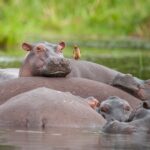
- Kazinga Channel boat safari for hippos, Nile crocodiles, and heavy birdlife
- Final-day shoebill search in Mabamba Swamp from Nakiwoggo Landing site on Lake Victoria
Uganda in 12 days: where this safari shines
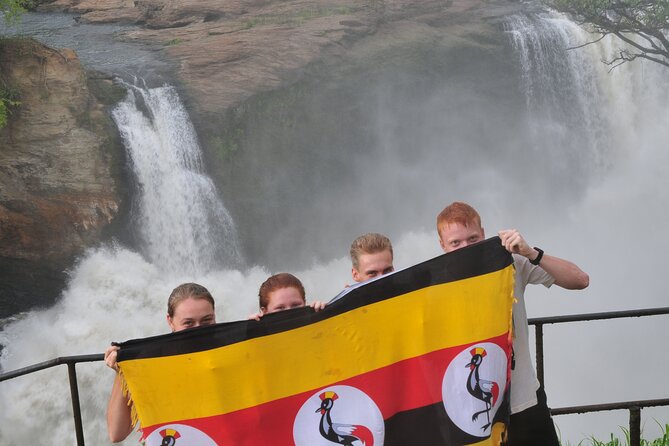
This safari works because it’s built around two different kinds of wildlife magic.
On one side, you have classic savanna and river energy. Murchison delivers game drives plus a Nile boat cruise. Queen Elizabeth and Ishasha add more predators and a very specific chance at tree-climbing lions. On the other side, you have primates and forest time. Kibale is the chimpanzee stronghold, and Bwindi is where the gorilla day becomes the trip’s emotional peak.
If you like variety, this route fits your needs. You’re not just repeating the same scenery. You’re switching ecosystems: river valleys, crater lakes and salt pans, forest canopies, and Lake Victoria birding flats. You’ll also see how local guides keep the days moving with timing and expectations—especially important on gorilla tracking, where the forest decides the schedule.
The group size is capped at 15 travelers, which is a sweet spot. It’s big enough to feel like a real safari group, but small enough for your day to stay organized.
You can also read our reviews of more tours and experiences in Kampala.
Kampala day 1: history, views, and market reality
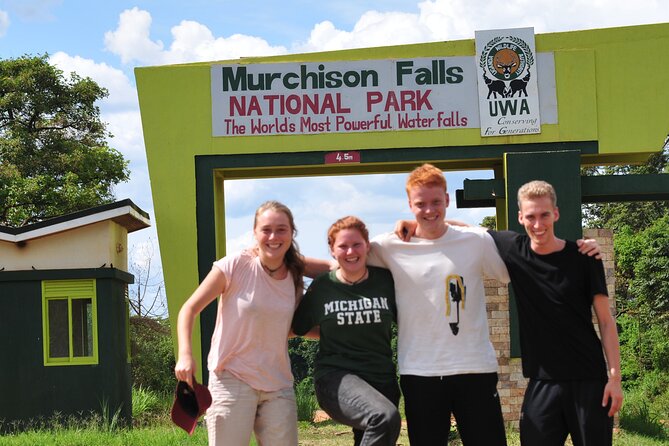
Your tour starts in the Kampala area after arrival at Entebbe International Airport, with a representative from Exclusive Gorilla Vacations meeting you and briefing you for what’s ahead.
The Kampala portion gives you a grounded start. You’ll visit the Kasubi Tombs, a sacred burial site tied to Buganda kings. From there, you’ll see the Kabaka’s Palace, including a stop connected to Amin’s notorious chambers. It’s a reminder that Uganda’s story includes power, conflict, and resilience—not just wildlife.
Then there’s the mix of landmark plus viewpoint. You’ll check Buganda Parliament and the Gaddafi National Mosque, where climbing the minaret can reward you with wide city views. And instead of ending the day in a hotel bubble, you’ll get market time at Owino and Nakasero, where you can see day-to-day life and pick up a feel for how people move through the city.
Small practical note: city sightseeing days mean more walking than you might expect. If you’re coming straight from a flight, it’s worth drinking water and keeping your pace steady.
Ziwa Rhino Sanctuary: your smart Big Five warm-up
Before you hit Murchison Falls, you’ll go to Ziwa Rhino Sanctuary to track endangered southern white rhinos in their reintroduction area.
This stop matters for two reasons. First, southern white rhinos were wiped out from Uganda in the 1980s, and the sanctuary focuses on the breeding and reintroduction program. Second, the tour info emphasizes that Ziwa is the only place where you can spot these rhinos in the wild—so it’s not a random detour. It helps you line up the Big Five expectations in a realistic way.
You should also know what rhino viewing feels like in practice. You might not get the dramatic, close-in action you see in some TV clips. But what you get is weight, history, and the sense of a conservation story you can actually witness.
Murchison Falls: early game drive plus Nile cruise
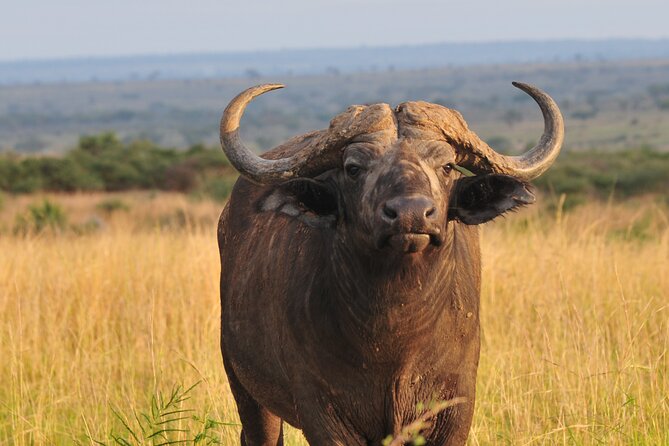
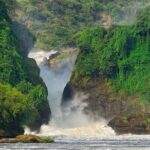
Murchison Falls National Park gives you the classic “Uganda best hits” day structure: morning game drive, then a river cruise.
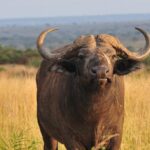
On the game drive, you’ll head out early—your day starts around 6:00 AM—which helps because predators and nocturnal animals are often more active at that hour. The tour plan specifically mentions chances for lions, leopards, and hyenas, along with giraffes, buffaloes, hippos, and antelopes. Nubian giraffes are also called out, which is a nice detail to keep your eyes open for.
After a break and breakfast, you’ll return for lunch at the lodge and then shift to the 3-hour Nile River boat cruise. This is a different kind of wildlife viewing. You’ll be scanning for crocodiles, hippos, and aquatic birds, and the banks may also produce elephants and buffaloes at times.
My practical advice: on boat days, bring something for sun and wind. Also, give your camera a quick check before you load the boat. Water time is when you’ll want the lens ready.
Kibale National Park: chimp trekking plus Bigodi wetlands
Kibale is where the safari changes gears from savanna to forest.
You’ll travel toward Kibale with scenery stops along the way, including the Butiaba Escarpment for views over Lake Albert and the Eastern arm of the Great East African Rift Valley. The route also passes tea plantations in Fort Portal, so even the drive feels like part of the show rather than dead time.
In Kibale, you’ll find one of the best “primate density” setups in Uganda, including 15 primate species mentioned in the plan. That matters because you aren’t only chasing chimps. You might also spot black and white colobus monkeys and mangabeys, depending on the day.
Day 5: the chimpanzee trek itself
The chimp day includes a briefing at the park headquarters, then a guided trek through the forest—often called the world’s primate capital. When you reach the chimps, you’ll typically get about an hour of observation for feeding and social behavior.
The plan also calls out other primates that could be in the mix: L’hoest monkeys, colobus monkeys, and baboons. And for bird lovers, it flags forest species like the African broadbill and Ross’ turaco, plus butterflies and unique forest plants.
After lunch, you head to Bigodi Wetland Sanctuary for wildlife and birding, and there’s a community walk too. The wetland part is valuable because it adds more than photos—it adds context about how local life connects to the ecosystem.
Queen Elizabeth: Katwe salt lakes, bird counts, and Kasenyi plains
Queen Elizabeth National Park is one of those places that keeps rewarding you if you pay attention.
One early stop is Katwe Wildlife Sanctuary, where you visit the Katwe Salt Lake. You’ll learn how salt extraction works and how both traditional and past industrial methods shaped the local economy. It’s not just sightseeing; it’s an on-the-ground look at how people make a living near protected land.
From there you’ll head to Lake Munyanyange, described as home to over 40 bird species, including flamingos, geese, gulls, and terns. If you like birding but don’t want a full-on birding-only trip, this is a great balance.
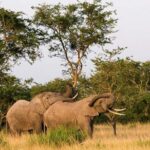
Then the day turns to classic game drive time in the Kasenyi plains. You’ll target wildlife like elephants, buffaloes, Uganda kob, warthogs, and waterbucks—plus chances for predators, depending on where they are and the light.
Ishasha sector: tree-climbing lions and the Kazinga Channel payoff
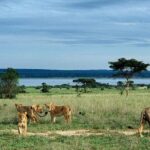
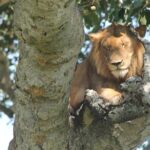
In Ishasha, the big headline is the chance at tree-climbing lions—lions that rest in fig trees and can be spotted lounging higher than you’d expect.
Your day includes a morning drive in the Kasenyi plains with wildlife like Cape buffaloes, elephants, warthogs, waterbucks, and Uganda kob. Predators mentioned include lions, leopards, and spotted hyenas. Then you’ll shift to the Kazinga Channel boat safari, where the plan highlights the channel’s heavy concentration of hippos and Nile crocodiles, plus diverse birdlife.
If you want one “wow” contrast day, this is it: one moment you’re scanning grassland for cats, the next you’re watching river-side chaos from the water, with birds everywhere and hippos too close for comfort (in the best way).
Then there’s the Ishasha portion that comes after, where you’ll focus on that fig-tree lion scene again while also looking out for buffaloes, elephants, and topi antelopes.
Bwindi gorilla tracking: what the full-day trek really takes
Bwindi is where your trip becomes something you’ll remember long after the photos fade.
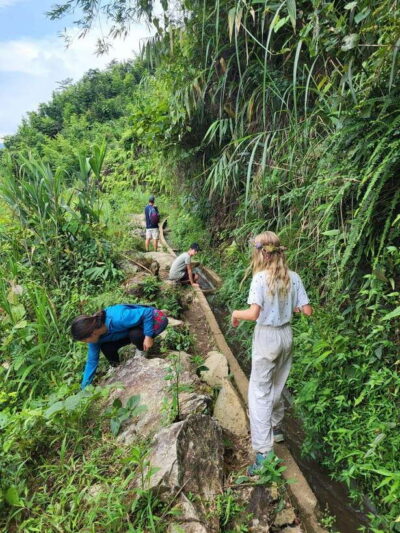
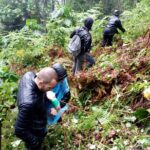
The gorilla trek day starts early, with specific prep guidance. You’ll want long trousers, a long-sleeved shirt, waterproof shoes, a jacket, a hat, and gloves. Forest weather can switch fast, and you’ll thank yourself when the ground gets muddy.
After breakfast and packing a lunch, you’ll get a pre-trek briefing on safety and etiquette. Then you head into the forest with a small trek group. The plan mentions eight trekkers, an experienced guide, and armed rangers.
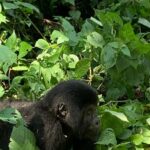
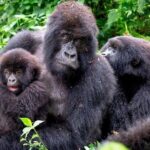
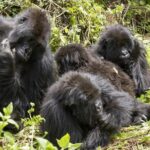
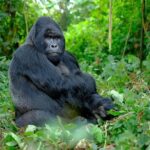
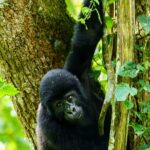
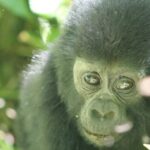
Trail time can vary widely—from 45 minutes to 6 hours, depending on where the gorilla family is. Along the route, you might spot forest elephants and different forest birds. When you reach the gorillas, you’ll get about an hour of viewing, watching social behavior under the silverback’s attention.
My candid take: the hardest part is often the uncertainty. You can be fit and still end up feeling the forest is slower and wetter than you expected. But that hour with the gorillas—close enough to feel the scale and the calm tension—is the reason people spend real money on this kind of safari.
Lake Bunyonyi after gorillas: calm water and Akampene story
After Bwindi, you move to Lake Bunyonyi for a boat cruise that feels like a breather. The plan calls it the second deepest lake in Africa and the deepest in Uganda.
You’ll explore islands with a private motorized canoe and a knowledgeable guide, and there’s storytelling along the way. One landmark included is Akampene, also called Punishment Island, tied to a historical practice among the Kiga people involving unmarried pregnant girls. It’s heavy history, so it’s not a day for switching your brain off. It’s a reminder that local culture and politics shaped life around the lake.
The reason this stop works after gorillas is simple: it lowers your adrenaline. You still get scenery and birds, but the pace lets your body recover.
Lake Mburo nature walk and Jinja’s adrenaline stop
Later in the trip, you’ll do a nature walk in Lake Mburo National Park, which is a change from game drives. Walking adds a different kind of focus: you notice tracks, movement in grass, and smaller surprises you’d miss from a vehicle.
Then the trip turns toward Jinja. You’ll drive for bungee jumping and also stop at the Equator for a water experiment tied to the Coriolis effect, plus a visit to the equator monument. This is one of those “yes, do it” add-ons if you like activity beyond wildlife spotting.
Practical note: after long safari days, adrenaline sports can feel harder than expected. Sleep well the night before and don’t plan anything too intense the day after unless you’ve got buffer time.
Mabamba Swamp shoebill search: a quiet finale on Lake Victoria
Your final day focuses on birding with a strong target: the shoebill stork.
You’ll go to Nakiwoggo Landing site, then take a boat out toward Mabamba Swamp on Lake Victoria in search of the shoebill. The plan identifies Mabamba as an Important Birding Area (IBA), which helps explain why this spot is used by serious bird watchers.
While you look for shoebills, you’ll also have a chance to see other species such as weaver birds, herons, egrets, pelicans, cormorants, and jackanas.
This is a good ending because it feels different from the earlier days. It’s slower. More listening. More patience. And when the shoebill appears, you’ll understand why people plan entire trips around this bird.
Price and value: what $4,300 buys you (and what to watch)
At $4,300 per person, this safari sits in the “serious trip” category. The value comes from the stack of high-cost elements:
- Chimp trekking in Kibale and gorilla tracking in Bwindi are major conservation-based experiences.
- You also get multiple parks—Murchison Falls, Queen Elizabeth, Ishasha, and Lake Mburo, plus the birding extension at Mabamba.
- The tour info marks many days as admission ticket free, which suggests key entry fees are handled in the package. (Still, I’d confirm exactly what’s covered in your final paperwork, especially for the activities that can vary by season.)
Where the value can disappoint: if you’re a person who wants lots of time to rest, or you hate long drives between ecosystems. This itinerary is built for seeing many ecosystems in a single trip, so the “comfort per hour” won’t match a slower luxury safari.
Who should book this Big 5, Chimp & Gorilla circuit
This tour is a strong fit if you want:
- One trip that includes chimps and gorillas, not separate specialized journeys
- A real wildlife mix: rivers, plains, crater lakes/salt lakes, forest primates, and final birding
- A guided experience with structure on gorilla day: briefings, etiquette, and ranger support
- A group cap of 15 travelers, which helps keep the trip manageable
It may not be the best fit if:
- You’re easily worn down by early starts and full days
- You want a lot of downtime for independent exploring
- You’re sensitive to walking time in the forest, since gorilla trekking and the Mburo walk both involve on-your-feet time
The guide factor: why the experience gets praised
One theme shows up in feedback: the guide plan matters. In particular, Hamza is repeatedly mentioned in customer feedback for individual attention, good timing, and safety-minded planning. That lines up with what you need most in Uganda: not just animal spotting, but smooth routing so you can actually reach the next experience on time.
Also, the way the days are described suggests a focus on sharing animal context while you’re out there—so your photos aren’t just pictures. You’re learning what you’re seeing, from predator behavior on early drives to primate feeding dynamics in the forest.
Should you book this 12-day safari?
If your goal is a single Uganda trip that hits Big Five-style wildlife viewing plus chimp trekking and gorilla tracking, I’d put this on your shortlist. The route is efficient for first-timers, and the day structure makes the primate experiences feel controlled and respectful, not chaotic.
Before you book, be honest with yourself about pace. This is not a sleep-in-and-stroll itinerary. It’s a do-the-thing itinerary, with early starts and forest walking. If you’re okay with that trade, this safari gives you a stacked finale: chimpanzees in Kibale, gorillas in Bwindi, and shoebills to close out on Lake Victoria.
FAQ
Where does the safari start?
It starts at Entebbe Airport in Entebbe, Uganda, with pickup offered.
How long is the safari?
The duration is approximately 12 days.
What’s the group size?
The tour has a maximum of 15 travelers.
What primate experiences are included?
Chimpanzee trekking in Kibale National Park and gorilla habituation or tracking in Bwindi Impenetrable National Park.
What other wildlife experiences are included besides primates?
Game drives and boat cruises in Murchison Falls National Park and Queen Elizabeth National Park, plus a Ziwa Rhino Sanctuary rhino tracking stop and other wildlife viewing opportunities.
What should I wear for gorilla trekking?
You’re advised to bring long trousers, a long-sleeved shirt, waterproof shoes, a jacket, a hat, and gloves.
Is shoebill birding included?
Yes. The final day includes a boat trip to Mabamba Swamp from Nakiwoggo Landing site to search for shoebills, with other bird species possible too.
What is the cancellation policy?
Free cancellation is available up to 24 hours in advance for a full refund. If you cancel less than 24 hours before the experience’s start time, the amount paid is not refunded.