REVIEW · KAMPALA
10 Days Affordable Gorilla Trekking Holiday
Book on Viator →Operated by Pamoja Safaris · Bookable on Viator
Gorillas take the center seat. This 10-day route threads Uganda’s best western parks together with chimpanzees in Kibale, mountain gorillas in Bwindi, and a stack of add-on primate moments that don’t feel rushed. I especially like that it pairs the big animal days with hands-on community experiences, from Bigodi to cultural stops along the way.
I also like the overall structure for value: permits for gorillas, chimps, and golden monkeys are included, and you get a professional driver/guide and all park-linked transport plus meals. One consideration: the schedule involves early starts and long road stretches, and the tour asks for moderate physical fitness even when the big trek days are still the main physical challenge.
In This Review
- Key highlights to know before you go
- Entebbe arrival: easy start, real Uganda pace
- Kibale Forest chimp trek: the day the forest feels alive
- Queen Elizabeth National Park: predators, then water animals up close
- Ishasha and Bwindi: tree-climbing lions lead into gorilla country
- Bwindi gorilla trekking: permits, one-hour viewing, and trek realities
- Mgahinga golden monkeys: bamboo trails and a lake change of pace
- Lake Mburo and Mbarara: cycling safari plus real culture stop
- Day ten in Entebbe: cycling, equator stop, then homeward
- Price and value: what you’re really paying for
- The human side: guides, pace control, and smoother primate days
- Who this Uganda primate tour fits best
- Should you book the 10 Days Affordable Gorilla Trekking Holiday?
- FAQ
- What’s the starting point and end point for this tour?
- How long is the trip?
- Are primate permits included?
- What wildlife activities are included?
- Are meals included?
- Is accommodation included?
- Is airport transfer included?
- Is this a private tour?
- What fitness level do I need?
- Can I cancel and get a full refund?
Key highlights to know before you go
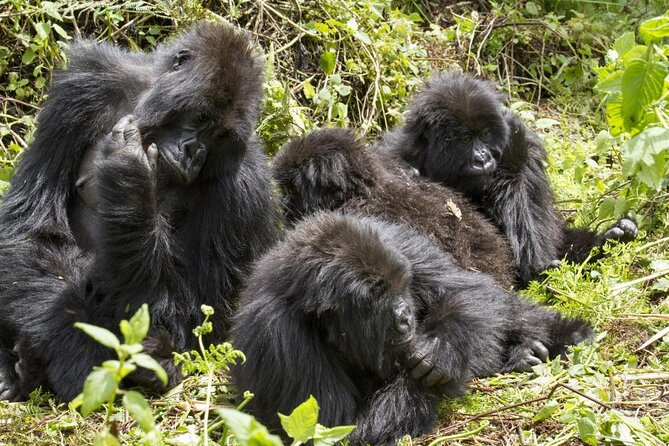
- Gorilla viewing capped at one hour inside Bwindi, with a trek that can run 2–8 hours depending on conditions
- Chimpanzee allocation and ranger-led tracking in Kibale, followed by Bigodi community activities (coffee, baskets, banana beer making, healer)
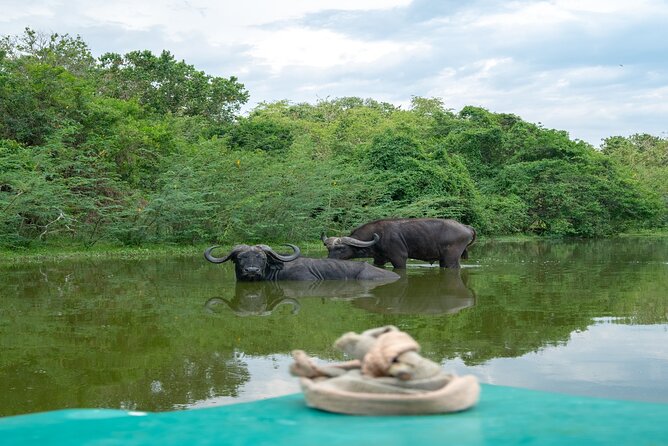
- Kazinga Channel boat safari in Queen Elizabeth for hippos, elephants, buffaloes, and lots of birdlife
- Ishasha tree-climbing lions in the middle-sun window, plus transfer onward to Bwindi
- Golden monkey trekking in Mgahinga through bamboo and giant lobelia, then lake exploration by boat
- Lake Mburo day with cycling safari plus an Igongo Cultural Center stop en route
Entebbe arrival: easy start, real Uganda pace
You land into Entebbe, meet the representative, then head straight to your booked hotel for check-in and an actual chance to breathe after the flight. If your timing is early, you can choose a short local add-on like the Entebbe Zoo or the Entebbe Botanical Garden, which is a good way to get oriented without spending your whole first day traveling again.
This tour includes pickup offered, and it clearly structures day one as a gentle landing day. Just remember that roundtrip airport transfer is listed as not included, so your arrival day is handled, but you’ll want to double-check how your departure logistics are arranged for your specific flights.
You can also read our reviews of more tours and experiences in Kampala.
Kibale Forest chimp trek: the day the forest feels alive
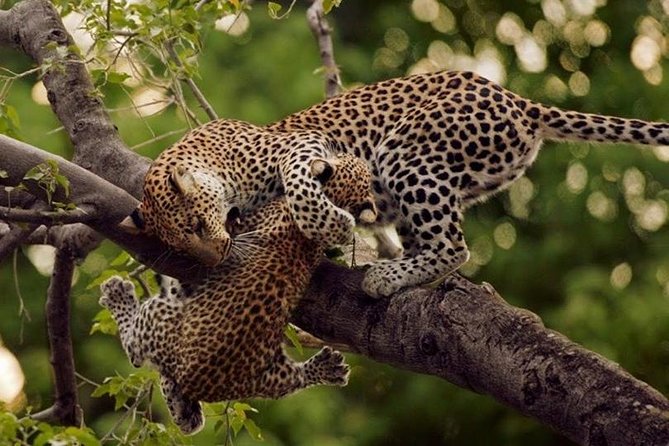
Kibale Forest is where the trip starts getting emotional fast, because the chimp trek is about watching behavior—not just checking a box. Day two sends you from Entebbe to Kibale with countryside scenery and bird-spotting chances, then breaks the drive with lunch in Fort Portal, often called the tourism capital of Uganda.
If you prefer to reduce drive time, there’s an alternative option described: you can fly to the Kasese airstrip and be picked up from there to reach your lodge. That matters if you want to bank energy for the next day’s primate tracking.
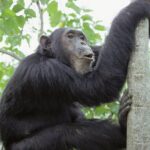
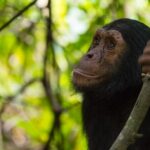
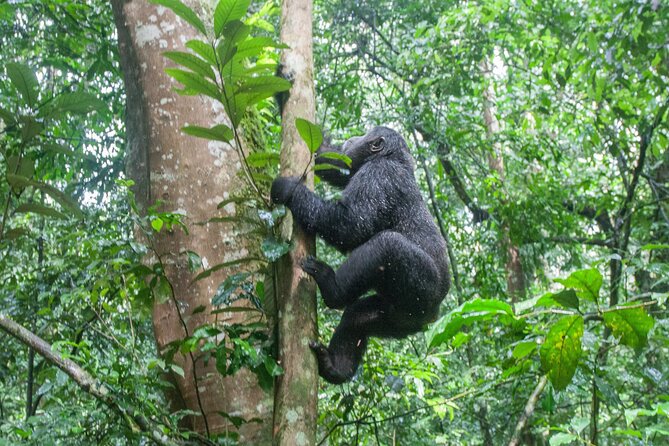
Day three is the big chimp day. After breakfast, you go to the briefing place where details and permits are handled for registration and allocation of a chimpanzee community. From there, your ranger guides your trek through the forest while you look for chimps feeding, playing, and resting in their natural canopy world.
In the afternoon, you shift gears with the Bigodi community experience. This is more than a photo stop. You’ll spend time with local daily life and activities like a coffee experience, banana beer making, basket making, and a traditional healer component. For me, this is one of the best ways to balance the primate intensity with a sense of place and people.
What to watch for: Kibale days are a mix of forest walking and time in a dense ecosystem where conditions can change quickly. Wear something you can move in, and don’t plan on having your body fully relaxed after the chimp tracking.
Queen Elizabeth National Park: predators, then water animals up close
After Kibale, you head toward Queen Elizabeth National Park with a drive that includes dramatic scenery and a stop at Ruboni community. That cultural stop is tied to the Bakonjo people, described as living in the area for over 300 years. It’s one of those small breaks that keeps the trip from becoming only animal chasing.
Day five begins early with a game drive across the Kasenyi Plains. This is built for spotting grazers and predators as you scan open areas. Later, you switch to a Kazinga Channel boat safari, which connects Lake Edward and Lake George. This is where the wildlife often feels most photogenic: hippos, buffaloes, elephants, and plenty of birds can be seen along the water.
Day five is also listed with admission ticket free, which usually signals that park-entry costs connected to that day’s specific activity are covered. The practical takeaway for you is that you’re less likely to have surprise costs once you’re on the ground.
Possible drawback: you’ll be trading sleep for animal time here. If you’re sensitive to early mornings, plan to keep your nights consistent and avoid heavy late meals the day before game drives.
Ishasha and Bwindi: tree-climbing lions lead into gorilla country
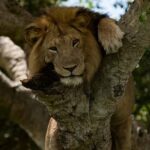
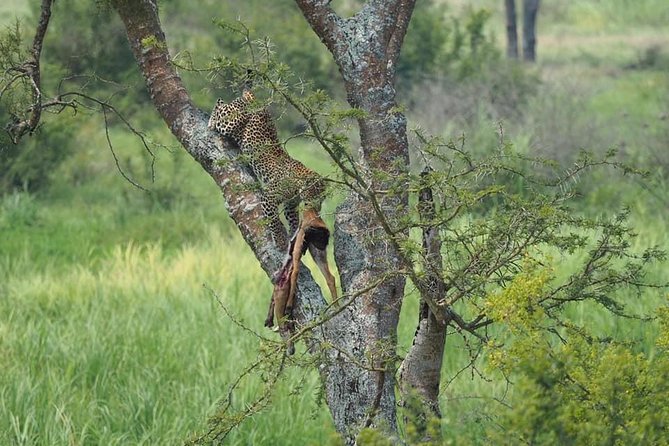
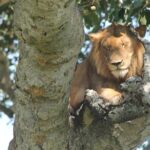
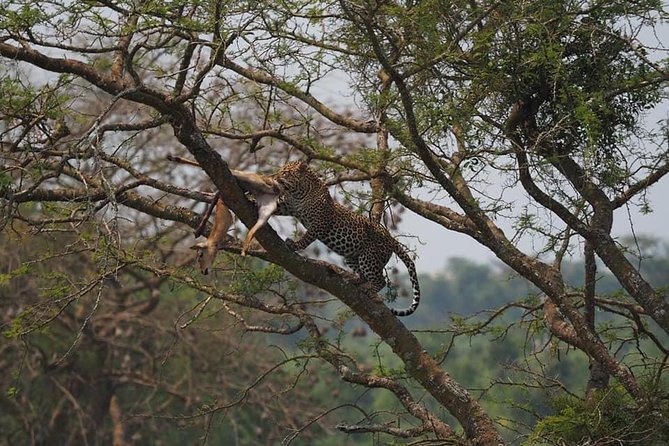
Today you leave Queen Elizabeth’s Ishasha sector for a short game drive, aiming for tree climbing lions. The timing described is important: on a lucky day, you may spot lions hanging in tree branches in the mid-day sun. That’s a very specific behavior, and it’s one of the reasons Ishasha is worth including even on an “affordable” itinerary.
Then the tour moves south to Bwindi, arriving in the evening for relaxation, dinner, and overnight. That evening buffer is useful because gorilla trekking days have a way of turning your day into a long focus sprint.
Bwindi gorilla trekking: permits, one-hour viewing, and trek realities
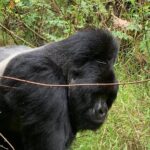
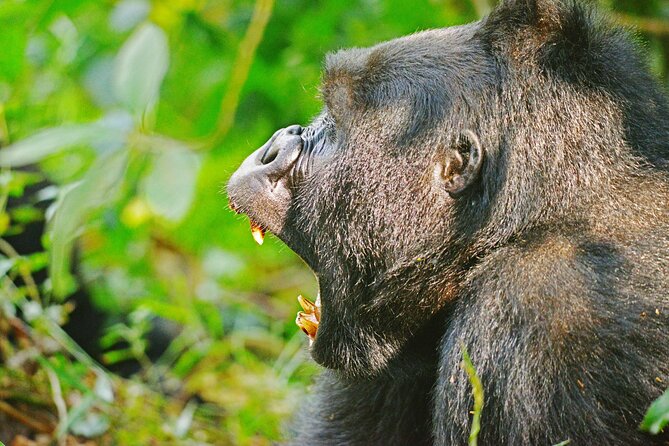
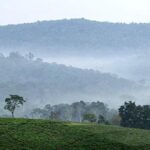
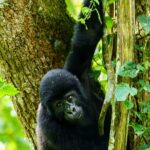
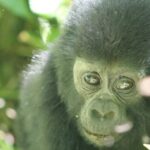
Bwindi Impenetrable National Park is the gorilla highlight of this whole trip, and the permit is included. The park is described as having a minimum of 400 mountain gorillas, which matters because it supports frequent tracking opportunities.
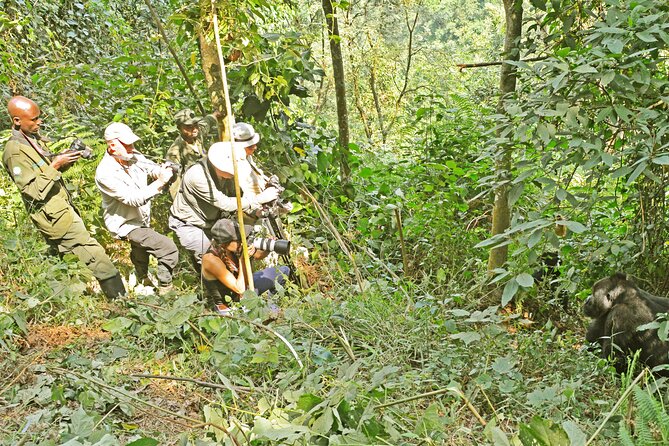
The trekking encounter starts at 8am at your respective gorilla trekking region, and you get a briefing with Uganda Wildlife Authority park rangers. After that, it’s trek time through steep, forested hills with mist in the morning, abundant birdlife, and a constant shift in visibility as you move. Your gorilla viewing is limited to one hour, but your overall trek can range from 2–8 hours depending on where the gorillas move.
Here’s the practical way to think about the one-hour rule. It sounds short until you factor in everything around it: the search, the approach, the quiet watching, and the time that takes when rangers track behavior and keep people safe and respectful. For many people, that hour becomes the emotional peak of the trip.
A note on expectations: gorilla trekking is not a stroll. Even if you’ve got moderate fitness, you’ll want good traction footwear and a rain layer. The forest can make everything slower—so plan for patience, not speed.
Mgahinga golden monkeys: bamboo trails and a lake change of pace
After Bwindi, you wake very early for the Mgahinga portion. This is another primate day, but it’s a different kind of effort: trekking for golden monkeys, described as endemic to Mgahinga Gorilla National Park.
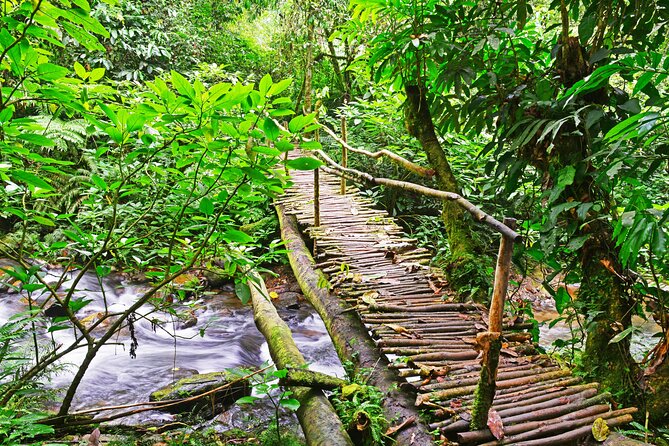
You go to park headquarters for a briefing before heading into the jungle. The trek includes bamboo and indigenous plants like giant lobelia, and your national park guide shares the park’s history plus fauna and flora. That’s helpful because Mgahinga is smaller and more specialized than Bwindi or Queen Elizabeth, so the narration makes the place feel more complete.
After the trek, you return for lunch and then prepare for lake exploration by boat. This is also a welcome change from constant treks: you get open water time, and your pace slows enough to catch your breath.
Lake Mburo and Mbarara: cycling safari plus real culture stop
Day nine shifts you to Lake Mburo National Park. Breakfast is at leisure, then you travel with a stopover in Mbarara city for en-route lunch and a cultural visit at Igongo Cultural Center before reaching your lodge.
Lake Mburo is a great choice for a “reset” day because the activity included next is not another deep forest trek. It’s built around cycling, which you’ll do on day ten. The tour describes the cycling safari as having no large hills, with routes crossing marshy low-lying areas while you pass villages and smallholdings. That mix of wildlife potential and everyday life can feel like a more local side of Uganda than the big-park intensity.
This is also where you’ll appreciate the structure of the last two days. You get culture, then nature, then a less demanding movement day before heading back toward Entebbe.
Day ten in Entebbe: cycling, equator stop, then homeward
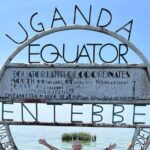
Your final morning is a cycling safari through the park area, then later you transfer to Entebbe International airport. There’s a stop at the Uganda equator for a short pictorial moment before your outbound flight.
It’s a simple ending, but it’s a good one. Instead of blasting another major attraction, you get gentle movement, then a clear route to the airport that doesn’t leave you scrambling for timing.
One thing to plan: cycling is still physical. Even though the route has no large hills, you’ll want comfortable shoes and clothing you’re happy to sweat in.
Price and value: what you’re really paying for
At $3,955 per person for about 10 days, this trip sits in the “budget-to-midrange” band for a Uganda gorilla-focused itinerary. The value comes from what’s already locked in.
Included highlights that matter to your wallet:
- Gorilla permit, chimpanzee permit, and golden monkey permit are included
- Park fees (for non-residents) and taxes/VAT are included
- All activities (unless labeled optional), plus accommodation (unless upgrade)
- A professional driver/guide, plus all transportation (unless optional)
- Meals as specified (9 breakfasts, 9 lunches, 9 dinners) and drinking water on all days
What isn’t included (so you don’t get surprised):
- International flights and roundtrip airport transfer
- Tips, with a guideline of $10.00 per person per day
- Visa fees, travel insurance, souvenirs, and personal spending
- Possible government-imposed increases of taxes and/or park fees
The practical value story here is that the most expensive parts—the primate permits and park-linked logistics—are covered. You’re not piecing together costs like a scavenger hunt. If you want a safari that feels like one plan instead of many invoices, this package structure helps.
The human side: guides, pace control, and smoother primate days
Even when the wildlife schedule is set by the parks, a strong guide makes the trip feel manageable. In feedback for this safari company, people specifically praised guides and drivers such as Claire and Fred, with also mentioned names like Sebbi and Charles. The common theme is organization and the ability to keep things calm while moving across changing environments.
For you, that means fewer tense moments when permits, allocations, and briefing times matter. Gorilla trekking is especially briefing-heavy, and chimp allocation requires careful handling. A driver/guide who stays on top of timing helps you arrive ready, not flustered.
Also, the tour is described as private, meaning it’s only your group participating. That can matter for comfort: you’ll spend less time stuck waiting for others and more time where you are—listening, tracking, and watching at wildlife speed.
Who this Uganda primate tour fits best
This tour is best for you if you want:
- Big primate moments: gorillas, chimps, and golden monkeys
- A classic western-park route: Queen Elizabeth, Bwindi, and Mgahinga
- Community experiences that are tied to daily life (Bigodi, Ruboni, Igongo)
- A mix of wildlife viewing types: forest trekking, game drives, and boat safaris
It’s also a good fit if you like a steady rhythm rather than a stop-everywhere whirlwind. The itinerary is dense, but it’s organized: trek → rest → next park.
You should also think carefully if:
- You dislike early mornings
- You have limited tolerance for long drives between regions
- You’re not comfortable with moderate fitness demands (especially trek days)
Should you book the 10 Days Affordable Gorilla Trekking Holiday?
I’d book this if your top priorities are primates and you want a route that connects Bwindi gorillas with chimps, golden monkeys, and real wildlife variety like Kazinga boat safaris and Ishasha tree-climbing lions.
Before you commit, do two quick checks:
- Confirm how your specific arrival and departure transfers are handled, since roundtrip airport transfer is listed as not included even though pickup is offered
- Pack for trek reality, not brochure fantasy: footwear with grip, a rain layer, and clothing that can handle forest conditions
If that sounds like your style, this is a strong way to see western Uganda’s wildlife—and to see it alongside the people who live there.
FAQ
What’s the starting point and end point for this tour?
The tour starts in Entebbe, Uganda, and it ends back at the same meeting point.
How long is the trip?
It runs for about 10 days.
Are primate permits included?
Yes. Gorilla permit, chimpanzee permit, and golden monkey permit are included.
What wildlife activities are included?
You’ll do chimpanzee trekking in Kibale, gorilla trekking in Bwindi, golden monkey trekking in Mgahinga, a game drive in Queen Elizabeth, and a boat safari on Kazinga Channel. Tree-climbing lions in Ishasha are also included.
Are meals included?
Yes. Breakfast is included on 9 days, lunch on 9 days, and dinner on 9 days, plus drinking water on all days.
Is accommodation included?
Yes, accommodation is included unless marked as an upgrade.
Is airport transfer included?
Roundtrip airport transfer is listed as not included, but pickup is offered and you are transferred to your booked Entebbe hotel on arrival.
Is this a private tour?
Yes. It’s described as private, meaning only your group participates.
What fitness level do I need?
The tour notes that travelers should have a moderate physical fitness level, and the itinerary includes trek days.
Can I cancel and get a full refund?
You can cancel up to 6 days in advance for a full refund, as long as you cancel at least 6 full days before the experience’s start time.