REVIEW · DARJEELING
5-Days Singalila Ridge Trek in Darjeeling
Book on Viator →Operated by Off Road Adventure · Bookable on Viator
A ridge trek in Darjeeling rewards patient walkers. This 5-day Singalila Ridge Trek is built for big sunrise Himalayan views and a chance at wildlife inside the national park. You’ll also get the added lift of panoramic sights toward Nepal and Sikkim, plus the high peaks people come for.
What I like most is how meals are handled (Nepali and Indian food, with breakfasts, lunches, and dinners included) and how the trip keeps moving with upbeat guidance. You’re not left to wander the plan solo, which matters on long hiking days.
The main thing to consider is that this experience depends on weather and early starts. If visibility is poor, those mountain panoramas you’re chasing may be muted, and the schedule can shift to match conditions.
In This Review
- Key Highlights Worth Writing Down
- Why the Singalila Ridge Trek Gets You Big-View Days
- Route in Five Days: How the Walk Shapes the Trip
- Day 1 Dhotrey and Maneybhanjyang: Starting Strong Without Guesswork
- Day 2 Sandakphu Sunrise, Gairibans, and Kala Pokhari
- Day 3 Phalut: The Long Pull That Rewards Patience
- Day 4 Gorkhey: Descent Through Dense Forest (A Needed Reset)
- Day 5 Villages to Sirikhola and Back to Darjeeling
- Meals, Accommodation, and the Small Comforts That Matter
- Guide Power: Jolly, Active, and Easy to Coordinate With
- Price and Value: What $460 Covers (and Why It Adds Up)
- What to Watch For: Fitness Level, Weather, and a Smart Pack
- Should You Book This 5-Day Singalila Ridge Trek?
- FAQ
- How long is the Singalila Ridge trek from Darjeeling?
- What time does the trek start?
- Is pickup included?
- Where do you trek to during the 5 days?
- What views can I expect from this trek?
- Does the trek include national park entry fees?
- What’s included in the price?
- What if the weather is poor or I need to cancel?
Key Highlights Worth Writing Down
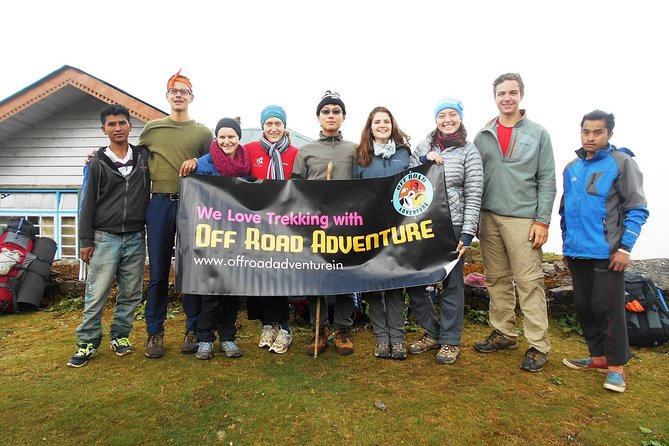
- Sandakphu sunrise focus with early waking and clear-view chances
- Phalut day is the longest push at about 21 km, so pace planning matters
- National park trekking with a real chance of spotting a red panda if conditions line up
- GoPro 7 Black included so you can capture ridge views without renting your own
- Private transport from Darjeeling plus return drive after the final hike day
- Poles and head torch provided to reduce what you need to pack
Why the Singalila Ridge Trek Gets You Big-View Days
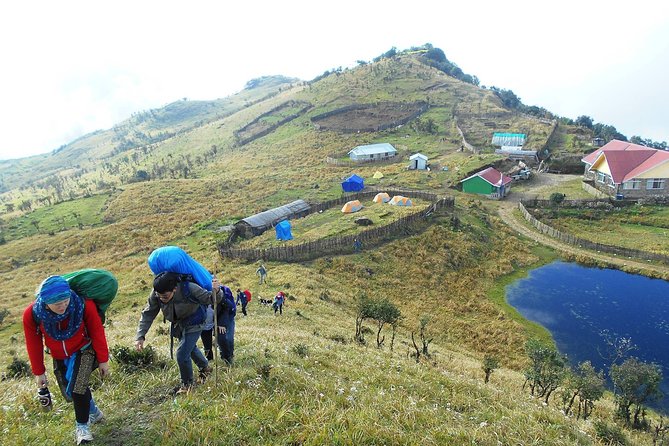
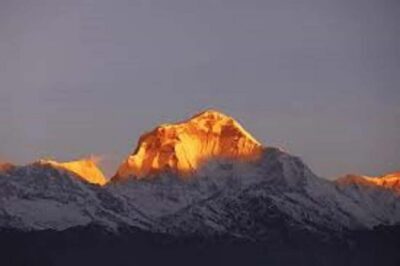
If you’re chasing mountain views, the Singalila Ridge is built for it. From Sandakphu and Phalut, you can see some of the world’s highest peaks—Everest, Makalu, Lhotse, and Kanchenjunga—when the sky cooperates. This is the kind of trek where the scenery is the main event, not a side benefit.
You’ll also be walking in a national park, which changes the feel of the trek. Instead of generic trails, you’re moving through protected forest and hillside routes that can reward you with wildlife sightings. The operator specifically notes that if you’re lucky, you might see red panda, and that kind of possibility is exactly why people do this trek instead of sticking to shorter day hikes.
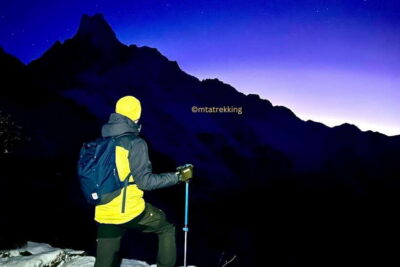
Finally, the trek is designed around sunrise viewing. Multiple days start early, so you get those classic ridgeline moments when the light turns mountains from gray stone into something sharp and layered. It’s not guaranteed, but it’s the right strategy.
You can also read our reviews of more tours and experiences in Darjeeling.
Route in Five Days: How the Walk Shapes the Trip
The itinerary is a 5-day version of a trek that’s normally 6 days. That matters because compressing days usually means your longest hiking day becomes more intense. In your case, the itinerary clearly signals the hardest days:
- Day 3 to Phalut is about 21 km, described as the longest trek of the route.
- Day 4 from Phalut to Gorkhey is about 15 km, with a descent through dense forest.
Other days include shorter or driving-supported segments, but don’t let the word “shorter” fool you. Trekking time can still add up, especially with early mornings and the simple fact that altitude hikes work your legs differently than flat walking.
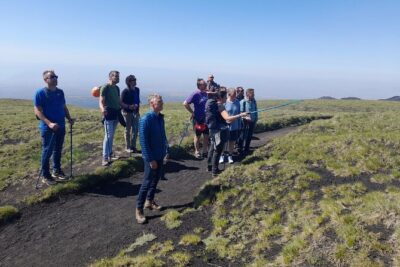
The good news: you’re not doing this alone. It’s a private tour/activity, so you’re trekking with your group and your guide, not mixing with random strangers. And you get included gear—walking poles and a head torch—which helps when trails get steep or visibility drops late in the day.
Day 1 Dhotrey and Maneybhanjyang: Starting Strong Without Guesswork
Day 1 begins with an early pick-up from your hotel. From Darjeeling, you drive about 40 km to Dhotre, and along the way you reach Maneybhanjyang, described as the India–Nepal border area. Even if you don’t linger, that first-day transition is useful. It sets a clear mood: you’re leaving the city and moving into the ridge-world.
The schedule suggests a full travel-and-settle day. After the ride, you’ll be positioned for the next morning’s early start. That’s a big deal on treks like this—your energy tomorrow depends on how smooth day one feels today.
Potential drawback for day one: driving plus early departure can feel like a long day before you even start walking much. If you’re the type who hates being rushed, plan to keep your morning routine simple.
Day 2 Sandakphu Sunrise, Gairibans, and Kala Pokhari
Day 2 is where the trek starts feeling like a classic Singalila Ridge experience. You wake early for sunrise views, then after breakfast the trail climbs through dwarf rhododendron forest toward Kala Pokhari, translated as black lake.
Two parts stand out here. First is the forest section. Dwarf rhododendron routes can be slower and a bit more technical than open paths, which means you’ll work steadily rather than constantly sprinting up. That’s a good match for travelers with moderate fitness: it rewards consistent effort.
Second is the wildlife-birding angle. The itinerary specifically points to Gairibans as a famous bird-watching and red panda area. You might not see anything (nature doesn’t promise sightings), but the fact that your route runs through a known zone boosts the odds compared to a random trail.
If you’re sensitive to cold mornings, bring warm layers for sunrise. Even when the day warms up, those pre-dawn hours can bite.
Day 3 Phalut: The Long Pull That Rewards Patience
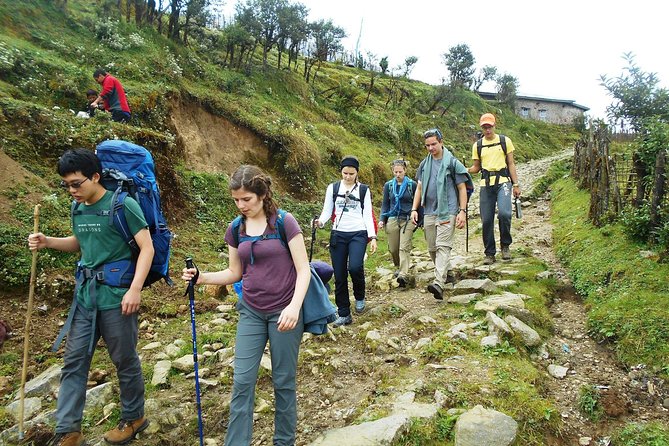
Day 3 is the longest trek day at about 21 km, and the plan starts early. That’s a clear signal: this is the day you manage your pace. Don’t treat it like a forced march. You’ll get more out of the day if you keep your breathing steady and save energy for the view moments.
The plan is built around sunrise again, so you’re combining early waking with a long distance. That can be tough if you’re not used to ridge trekking. The upside is that when visibility is good, you’re in the right place for some serious panoramic moments that build on what you saw from Sandakphu.
Here’s the practical reality: on a day this long, the difference between enjoying the trek and suffering through it is usually small things—how often you take short breaks, whether you keep sipping water, and whether you’ve got footwear that feels secure on uneven ground.
One more note: the itinerary text emphasizes panoramic views from Sandakphu during this day, so you’ll likely spend time appreciating the ridge sequence, not just chasing the finish line.
Day 4 Gorkhey: Descent Through Dense Forest (A Needed Reset)
Day 4 shifts from ridge climbing into a descent—after an early sunrise mountain view, you trek down to Gorkhey. The route is listed as about 15 km from Phalut to Gorkhey, and it’s described as going through dense forest.
This day often feels like a trade: you may not have the same “upward drama,” but you get a different kind of beauty in shaded forest trails. It’s also a psychological reset. After the long Day 3, a controlled descent can feel like recovery, as long as your knees cooperate.
Knee control tip: take the descent slowly at the start. Many people feel fine for the first hour and then regret it later. If you use the provided poles, this is a great day to put them to work.
Day 5 Villages to Sirikhola and Back to Darjeeling
Day 5 begins early again from Gorkhey. You’ll walk through Sammanden and Rammam villages, then reach Sirikhola by around 12 PM. After about a one-hour lunch break, you drive back to Darjeeling in a private vehicle (about 4 hours).
This ending is more than logistics. Village walking keeps the trek from feeling like one long wilderness corridor. You get a sense of how people live near the ridges, and you end the trek with a softer transition instead of immediately jumping back into city life.
At the same time, remember that you’re still trekking until midday. If you’re planning any same-day arrangements back in Darjeeling (like late dinners or more travel), keep them flexible.
Meals, Accommodation, and the Small Comforts That Matter
What makes this trek feel easier to manage is that food and basic overnight logistics are covered. You get:
- Breakfast: 5
- Lunch: 5
- Dinner: 4
- 4-night accommodation
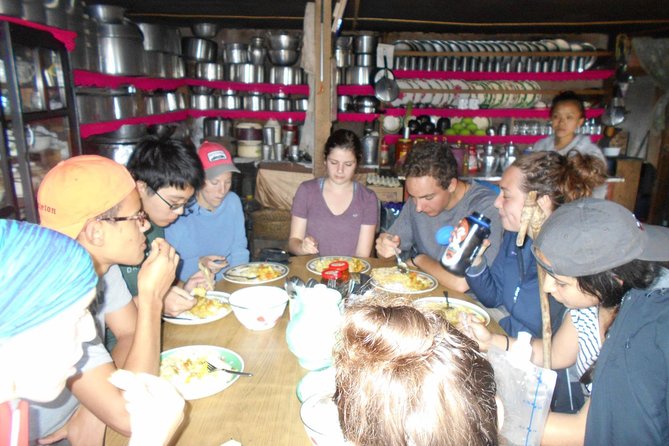
The trek also notes that you’ll be served Nepali and Indian food, which usually means you can eat familiar dishes without needing to hunt for vegetarian-friendly options on the go. Even on rugged days, consistent meals help you stay steady—especially on the long Day 3 trek.
The operator also includes trekking support items: walking poles and a head torch. This is practical value. Poles reduce fatigue on descents, and a head torch helps when mornings start early or if you’re moving when light is limited.
One extra: GoPro 7 Black is included for trek photos and videos. That’s a fun bonus because it encourages you to record the view moments rather than worrying about your own gear. Do note that alcohol is not included, so if you like a celebratory drink after the trek, plan to buy separately.
Guide Power: Jolly, Active, and Easy to Coordinate With
A ridge trek is partly about effort, and partly about mood. The reviews and tour notes highlight guides who are jolly and active, so the days don’t feel like silent suffering.
You’ll see guide names come up—Sekhar is mentioned as making the 5-day trek fantastic, and Rakesh is described as a great guide who helped even with short-notice planning. What matters for you is the pattern: the guides don’t just lead you. They keep the trip lively and moving, and they help you stay confident on the trail.
There’s also a communication angle. Sangay from Off Road Adventure is noted as easy to contact by email and phone, and the team kept in touch during delays tied to Covid and border closures. That kind of responsiveness matters because this trek depends on timing and conditions, and you’ll want clear answers before you arrive.
Price and Value: What $460 Covers (and Why It Adds Up)
At $460 for a 5-day trek, the real question is what you’re not paying separately. Here’s what’s included:
- Private transportation
- National park entry fees
- Walking poles and head torch
- GoPro 7 Black
- 4-night accommodation
- Meals: 4 dinners, 5 breakfasts, 5 lunches
For many travelers, that combination is where value hides. If you tried to build this trip independently, you’d likely spend your time coordinating vehicles, entry fees, a guide, and lodging—plus sourcing poles/head torches and sorting meals. Even if each line item seems small, together they become a headache.
Not included items are also clear:
- Alcohol
- Personal expenses
- Travel insurance
- Optional porter: 1000 per day
Porter option note: if you’re not keen on carrying your own day pack weight, you can add a porter, but it’s an extra cost. The price you pay here is built around a self-managed trek with guide support, not a fully carried expedition.
If you’re deciding on value, think of $460 as covering the structure: getting you to the start, keeping you fed, getting you inside the park, and providing gear that makes walking safer and easier.
What to Watch For: Fitness Level, Weather, and a Smart Pack
This trek asks for moderate physical fitness. That’s a helpful anchor, but don’t ignore the structure: you have long days with early wake-ups, and Day 3 is listed at about 21 km. Your best strategy is training your endurance before you come—long walks, stair work, or gentle hikes can help.
Also: the experience requires good weather. That means your mountain visibility is not fully controllable, and plans may be adjusted if weather is poor. The operator notes that if it’s canceled due to bad weather, you’ll be offered another date or a full refund.
On packing, the itinerary itself doesn’t list a kit, so I’ll stick to sensible trek basics:
- warm layers for sunrise starts
- rain protection (clouds can move fast in the hills)
- waterproof footwear or at least shoes that handle wet patches
- a comfortable day pack
- water and snacks only if your included meals don’t cover what you personally need (the trek includes meals, but preferences vary)
And one more practical point: because the start time is 7:00 am, your early routine matters. Set yourself up the night before so you’re not scrambling at dawn.
Should You Book This 5-Day Singalila Ridge Trek?
Book it if you want a trek in Darjeeling that is geared toward real ridge viewpoints—especially Sandakphu and Phalut—and you like the idea of hiking with a guide who keeps energy up. You’ll also enjoy it if you appreciate convenience: included meals, included gear, and private transport.
Skip or think twice if you’re very sensitive to long hiking days, because Day 3 is about 21 km. Also consider the weather dependence. If you’re traveling on very tight dates and can’t flex at all, you’ll want to keep expectations realistic.
One final decision tip: if you’re excited by the chance to spot wildlife like red panda, this route’s national park setting is exactly what you’re looking for. Just remember: sightings depend on conditions, not effort.
FAQ
How long is the Singalila Ridge trek from Darjeeling?
The itinerary is approximately 5 days, customized from a normally 6-day trek.
What time does the trek start?
The start time is 7:00 am.
Is pickup included?
Yes. Pickup is offered from your hotel early in the morning on the first day, and the trip uses private transportation.
Where do you trek to during the 5 days?
Key places in the route include Dhotrey, Sandakphu, Phalut, Gorkhey, and Sirikhola, plus village walks through Sammanden and Rammam on the final day.
What views can I expect from this trek?
The trek highlights panoramic views of Nepal and Sikkim Himalayas. From Sandakphu and Phalut, the itinerary notes visibility of Everest, Makalu, Lhotse, and Kanchenjunga, along with sunrise views on multiple days.
Does the trek include national park entry fees?
Yes. National park entry fees are included.
What’s included in the price?
Included are private transportation, national park entry fees, walking poles and a head torch, GoPro 7 Black for trek photos and videos, 4-night accommodation, and meals (4 dinners, 5 breakfasts, 5 lunches).
What if the weather is poor or I need to cancel?
The experience requires good weather. If it’s canceled due to poor weather, you’ll be offered a different date or a full refund. Free cancellation is available up to 24 hours in advance for a full refund.