REVIEW · KAMPALA
3 Days Uganda Gorilla trek Safari Tour
Book on Viator →Operated by All Seasons Adventures UG · Bookable on Viator
A morning trek into a real jungle. This 3-day Uganda gorilla safari runs from Kampala at 6:00 am and drops you into Bwindi Impenetrable Forest, where you can track mountain gorillas with rangers and get that crucial one-hour window once you find them. I like how the day is paced—early start, clear rules briefing, then the actual search on foot.
What I really enjoy here is the mix: gorilla trekking plus an evening community experience with the Batwa, who used to live in the forest before it became a national park. It’s not just a nature outing; you also learn how forest life shaped hunting, gathering, and herbal knowledge.
One thing to think about: this is an active trip. The drive from Kampala takes about 8–9 hours, and the gorilla trek itself can run anywhere from 2 to 8 hours depending on where the gorillas go.
In This Review
- Key highlights you’ll feel in real time
- Kampala to Bwindi: long drive, quick science stop, and the start of the story
- Entering Bwindi Impenetrable Forest: UNESCO status and why the jungle works
- Day 2 gorilla trekking: briefing rules, ranger drops, and how the hunt feels on foot
- Evening Batwa community walk: learning how life was shaped by the forest
- Day 3 back to Kampala: finishing strong and avoiding travel whiplash
- Price and value: why $1,900 matters less than what’s included
- Logistics that can make or break your trek
- Who should book this 3-day Bwindi gorilla trek
- Should you book this 3-Day Uganda Gorilla Trek Safari?
- FAQ
- What time does pickup start in Kampala?
- How long is the drive from Kampala to Bwindi Impenetrable Forest?
- What is the Equator stop, and what happens there?
- How long can the gorilla trek take?
- How much time do you spend with the gorillas once you find them?
- What community experience is included?
- Are gorilla trekking permits included in the price?
- What meals are included over the 3 days?
- Is alcohol included?
Key highlights you’ll feel in real time
- Equator stop (Green Equator Masaka Rd) with a water-drain experiment and a quick photo moment in two hemispheres
- Permit-covered gorilla tracking with an official briefing around 8:00 am and ranger-guided trekking
- One full hour with the gorillas after you’re sited, with a strict rule set to protect the animals
- Batwa community visit and evening walk, focused on how they lived as forest gatherers, hunters, warriors, and herbalists
- Bwindi’s birding credentials, with 350 recorded species and Albertine Rift endemics
- Private group experience (only your group participates), plus pickup from Kampala and a mobile ticket
Kampala to Bwindi: long drive, quick science stop, and the start of the story
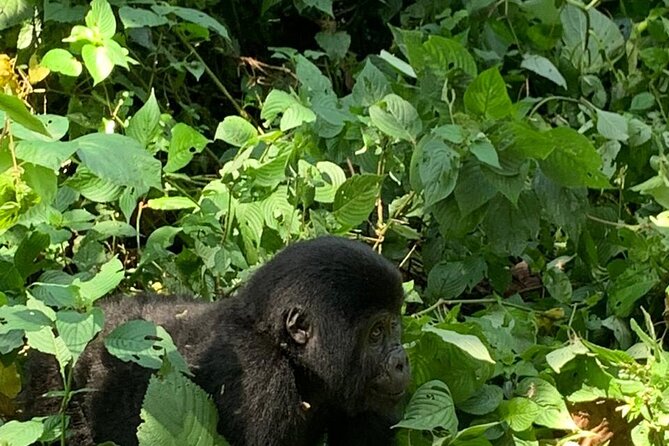
The trip starts early in Kampala—pickup is at 6:00 am from the Uganda National Mosque on Old Kampala Rd. Then you head south west toward Bwindi Impenetrable Forest National Park, with the drive taking roughly 8–9 hours. That’s a long day, but it also means you arrive with enough daylight to settle in and be ready for the next morning’s trek.
About halfway, you’ll make a stop at the Green Equator area on Masaka Rd. It’s a simple, fun break with a built-in learning moment: you can stand in two hemispheres at once, take photos, and watch the guide run a water test showing how drainage differs around the Equator line. Even if you’re not a science person, it’s the kind of roadside detour that turns a drive into part of the travel memory.
For food timing, you’ll also get a lunch stop in Mbarara Town on the way. That matters because tomorrow’s gorilla day starts early, and you don’t want your energy crashing from an unclear meal schedule. I like that the route includes structured stops instead of leaving you to guess when you’ll eat.
You can also read our reviews of more tours and experiences in Kampala.
Entering Bwindi Impenetrable Forest: UNESCO status and why the jungle works
Bwindi Impenetrable Forest is a UNESCO World Heritage Site, and the reason guides steer you here is straightforward: it’s one of the best places in Uganda for tracking mountain gorillas. The forest protects around 40% of the world’s mountain gorilla population, and it has several habituated groups. That makes the experience more predictable than you’d get in places where groups aren’t accustomed to human presence.
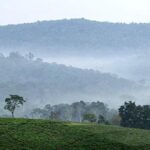
When you arrive, you’ll head to your accommodation for dinner and overnight. This is a good setup because you’re not burning daylight on arrivals plus delays. You’re also getting the right kind of “before the trek” atmosphere—Bwindi is described as a pristine rainforest of ridges and valleys covered in very dense forest. In other words: don’t expect wide, easy trails.
The overview also points out something many people overlook when they book a gorilla trek: Bwindi is a bird watcher’s paradise. There are 350 species recorded, including many Albertine Rift endemics. Even if your main goal is gorillas, the forest sounds and movement can keep you engaged during the waiting and the briefing.
Day 2 gorilla trekking: briefing rules, ranger drops, and how the hunt feels on foot
Gorilla day begins with early breakfast at your lodge. After that, your driver guide takes you to Park Headquarters for a briefing at about 8:00 am. This is where you learn the rules of tracking—what you can and can’t do when you’re near gorillas. Those guidelines are essential for the gorillas’ safety and for keeping the trekking system working year after year.
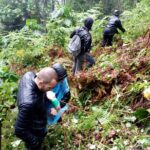
Once the briefing is done, you’ll head into the forest. Your setup is practical: you bring trekking gear, drinking water, and a packed lunch, and the driver drops you at the starting point. From there, you trek with ranger guides through thick jungle, looking for your assigned habituated gorilla group.
How long does the search take? The trek can run from 2 to 8 hours, depending on where the gorillas move. This is the part where patience becomes a superpower. The forest is lively with rich forest sounds, and you’ll spend time scanning, listening, and following ranger cues.
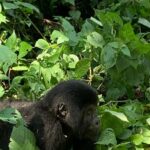
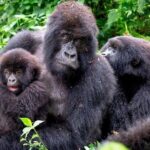
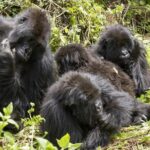
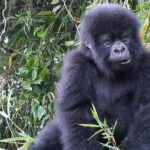
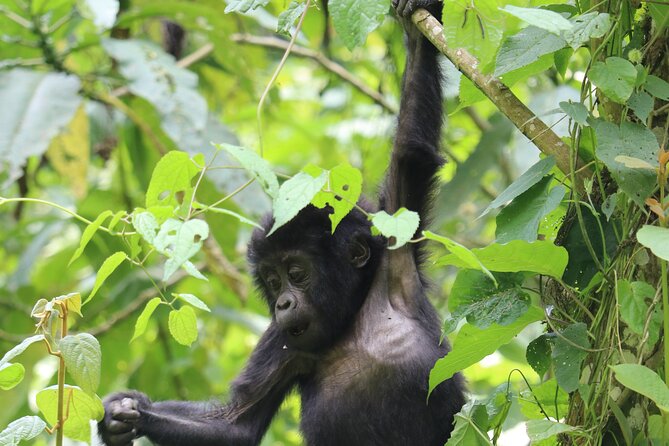
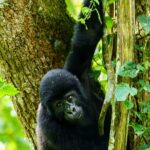
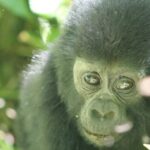
When the gorillas are found, you get the moment everyone books for: one hour with the gorillas once you’re sited. That hour isn’t a casual hangout—you’ll be working within the rules so animals aren’t stressed. Still, it’s long enough to watch feeding, resting, movement through the trees, and the little behaviors that make gorillas feel real rather than like a photo subject.
One extra note on guiding quality: the reviews highlight how much the right guide helps you handle the emotional and physical ups/downs of the trek. A recent group even singled out Guide Khalid, praising his expertise and passion for gorilla guiding. Even if your guide isn’t Khalid, look for a guide who can explain what’s happening in the forest and keep you calm when the hours stretch.
Evening Batwa community walk: learning how life was shaped by the forest
After lunch, the day doesn’t end with just trekking stories. You’ll take an evening community walk among the Batwa, indigenous people who used to live in the Bwindi forest before it was gazetted as a national park. This part is easy to underestimate when you’re focused on gorillas, but I think it’s one of the most meaningful additions here.
The focus is on life and culture as forest people: they are described as gatherers, hunters, warriors, and herbalists. That gives context to what you’re seeing in the landscape and the forest ecosystem, because people weren’t just living there—they were reading the forest for food, plants, and survival.
From a practical standpoint, the walk is also a smart emotional reset. You spent hours moving through thick terrain; the community walk turns the evening into slower conversation and learning. You’ll return for dinner and overnight at your previous lodge, keeping travel time from stealing energy right after a big day.
Day 3 back to Kampala: finishing strong and avoiding travel whiplash
On the final morning, you depart Bwindi Impenetrable Forest after breakfast. Travel back to Kampala includes a stopover for lunch en route. Then you arrive in Kampala in the late afternoon and transfer to your hotel.
This day is mostly about closure and comfort. You’ve already done the hardest part—getting into position to track gorillas and spending your key hour watching them. The ride back gives you time to decompress, shower, and process photos and videos without rushing into another full day of activities.
Is it a long travel day? Yes, in the sense that you’re reversing the same route structure as before. But it’s calmer than day 1 because you’re not also trying to start your trekking prep. You’ll also be arriving late afternoon, so you can plan a relaxed evening in Kampala rather than fighting a tight schedule.
Price and value: why $1,900 matters less than what’s included
At $1,900.00 per person, this is not a budget trip. But gorilla trekking in Uganda isn’t cheap anywhere, and the real question is what’s folded into the price and how that affects your actual stress level.
Here’s what’s included:
- Gorilla trekking permits
- Community visit (Batwa walk)
- Equator experiment
- Meals: 3 lunches, 2 breakfasts, and 2 dinners
- You also get pickup offered and a mobile ticket
- Group discounts are mentioned, and the experience is private in the sense that only your group participates
That permit inclusion matters a lot because it removes the biggest financial uncertainty. The meals matter too, because gorilla trekking days can get messy fast if you’re trying to source food while managing timing and rules.
What’s not included is also clear: alcoholic beverages. If you want to budget tightly, just plan on paying for drinks separately.
One more value point: the trip gives you structure from start to finish—scheduled pickups, planned stopovers, and set days for briefing, trekking, community learning, and the drive back. That reduces the kind of friction that can turn an already physically demanding day into a headache.
Logistics that can make or break your trek
This tour is designed around a few fixed realities:
- Early starts: 6:00 am pickup in Kampala and an approximately 8:00 am briefing in the park
- A long drive: about 8–9 hours to Bwindi on day 1
- A variable trek length: 2–8 hours searching, then 1 hour with gorillas
Because of those realities, you should go into it with the right mindset. You won’t control how the gorillas move. The best thing you can control is how you prepare physically and mentally.
Practical tip areas (based on what the schedule expects):
- Bring what you can carry comfortably. You’ll be trekking with water and a packed lunch.
- Expect the jungle to be slow. Dense terrain and ranger pacing mean you’ll likely feel every stop and every turn.
- Plan for cold-to-warm shifts. Forest mornings can feel cooler than midday, and you’ll be moving for hours.
If you’re working with a strong guiding team, your experience will feel more organized. The reviews emphasize that experienced guiding makes a difference for timing and for how you handle the day once you’re in the forest.
Who should book this 3-day Bwindi gorilla trek
This tour is built for people who want a high-impact experience without adding extra random days. It fits well if you:
- Want a classic Kampala-to-Bwindi gorilla trekking route
- Like having structure—permits, meals, briefing, and the key learning stop are already planned
- Are open to a longer drive and an active trek day
It may be less ideal if you:
- Hate early mornings and long road days
- Struggle with hikes that can last up to 8 hours
- Expect a “quick nature walk” style outing
The note says most travelers can participate, but the trek duration being variable is still the reality. If you’re unsure about fitness, consider it seriously before booking.
Should you book this 3-Day Uganda Gorilla Trek Safari?
If you want the core Bwindi experience—gorilla permits handled, ranger-guided tracking, a strict one-hour gorilla viewing window, and a Batwa community visit—this tour gives you a solid, well-timed plan. The added Equator stop also turns your long drive into something more than just sitting in a vehicle.
I’d book it if you value organization and you’re willing to handle a physically active day in thick forest. I wouldn’t book it if you’re looking for a laid-back trip with minimal walking or if the idea of a 2–8 hour trek would stress you out.
In short: this is a “go for the gorillas, stay for the learning” kind of safari.
FAQ
What time does pickup start in Kampala?
Pickup starts at 6:00 am from the Uganda National Mosque on Old Kampala Rd, Kampala.
How long is the drive from Kampala to Bwindi Impenetrable Forest?
The drive takes about 8–9 hours on day 1, with stopovers along the way.
What is the Equator stop, and what happens there?
You stop at Green Equator Masaka Rd, where you can stand in two hemispheres at the same time, take photos, and watch a water test experiment showing how water drains differently near the northern and southern hemispheres.
How long can the gorilla trek take?
The trek searching for gorillas can take between 2 and 8 hours depending on their movement.
How much time do you spend with the gorillas once you find them?
Once the gorillas are found and you’re sited, you get one hour to stay with them.
What community experience is included?
You’ll take an evening community walk with the Batwa people, learning about their life and culture as forest people.
Are gorilla trekking permits included in the price?
Yes. Gorilla trekking permits are included.
What meals are included over the 3 days?
The tour includes 2 breakfasts, 3 lunches, and 2 dinners.
Is alcohol included?
No. Alcoholic beverages are not included.