REVIEW · KATHMANDU
Everest Gokyo Lake Trek
Book on Viator →Operated by Accessible Adventure Pvt. Ltd · Bookable on Viator
Turquoise lakes with Everest views take your breath. This 11-day Everest Gokyo Lake Trek sends you from Kathmandu toward Gokyo Ri and the famous Gokyo Lakes, with glacier walks and big Himalayan panoramas built in—not just one stunning moment. I especially like how the schedule mixes altitude practice days with viewpoint days, so the trek feels more controlled than a straight grind upward.
I also like the comfort details that make a long trek easier to survive, like private bathrooms in Phakding, Namche Bazar, and Lukla. One drawback to consider: the core trek package does not include three daily meals with tea/coffee during the trek, so you’ll want spending cash for lunch and dinner along the way, plus typical gratuities for staff are not included.
In This Review
- Key highlights I’d book for
- Everest Gokyo Lakes: the trek that swaps Base Camp for better views
- Kathmandu Day 1: airport pickup and the first reality check
- Lukla Day 2: the high-airfield moment that still feels unreal
- Namche Bazar Days 3–4: altitude education, markets, and trading-post history
- Everest View Hotel to Dole Day 5: rhododendron forests and big-peak cameos
- Gokyo Lakes Day 6: turquoise lakes plus moraine climbing
- Gokyo Ri Day 7: early wake-up, wide views, and the glacier in-frame
- Day 8: the rewarding downhill that still keeps the views coming
- Day 9: Namche to Lukla ground-level feeling
- Day 10: Lukla to Kathmandu, then farewell dinner near Thamel
- Day 11: depart Kathmandu with time buffer
- Price and value: what $1,290 includes, and what you still need to budget
- Organization and group size: why small caps help on Everest-region treks
- What to pack for this trek (based on what’s included and what’s not)
- Pace, fitness, and altitude: where moderate fitness actually matters
- Who should book this Everest Gokyo Lake Trek
- Should you book it?
- FAQ
- Where does the trek start and end?
- What time does the experience start?
- How long is the Everest Gokyo Lake Trek?
- What’s the group size limit?
- What’s the hotel setup in Kathmandu?
- Are meals included during the trek?
- Are flights included?
- Do I need permits?
- What gear does the package include?
- Is private bathroom access included?
Key highlights I’d book for
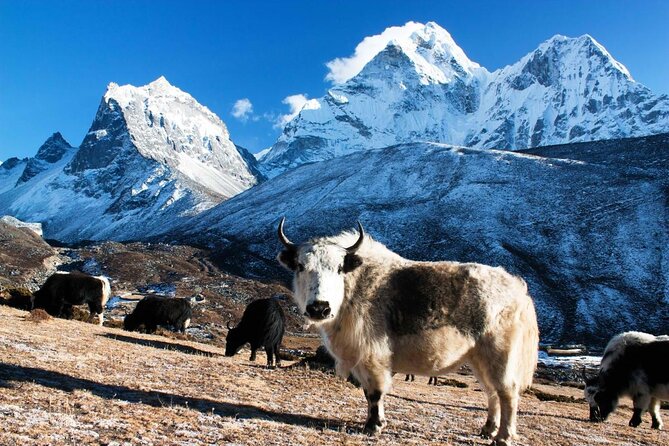
- Gokyo Ri summit timing: an early start designed for panoramic views over Everest, Cho Oyu, and the Ngozumpa Glacier.
- Gokyo Lakes variety: you focus on several lakes in the valley, including Dudh Pokhari (3rd) and the big-view lakes behind it.
- Ngozumpa Glacier walk: a glacier visit plus a story session from the crew about Yeti/Bigfoot-style folklore.
- Real acclimatization blocks: Namche Bazar plus a Syangboche and Everest View Hotel day to help your body adjust.
- Group size cap of 20: small enough to stay organized, large enough that you’re not trekking alone.
- Down jacket and sleeping bag use included: helps if you don’t want to rent or carry your own gear from home.
Everest Gokyo Lakes: the trek that swaps Base Camp for better views
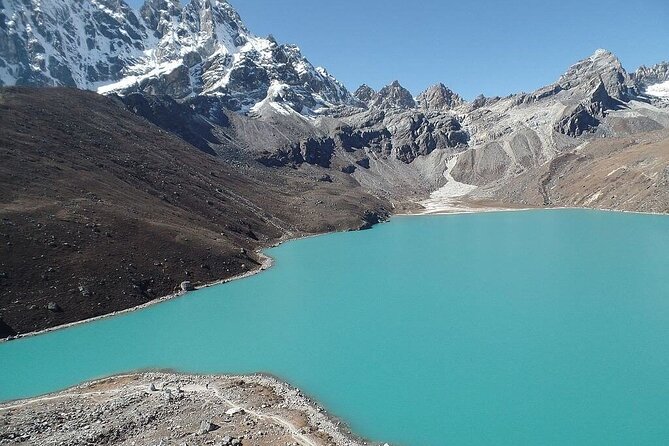
This trek sits in the Everest region, but it doesn’t chase the same stamp as the classic Everest Base Camp route. Instead, it leans into a specific payoff: turquoise glacial lakes backed by giant peaks, with Gokyo Ri acting like the “finish the story” viewpoint.
Why that matters for you: you get multiple chances to see big mountains rather than banking everything on one long day. And because Gokyo Ri stands behind the lake system, the views feel layered—lakes in the foreground, glacier basins in the middle, and the tallest walls of rock and ice around them.
You’ll still climb and you’ll still work for it. But the itinerary is built to manage altitude with intentional rest and lookout days. That’s not fluff. It’s a practical way to arrive happier at the high points, not exhausted and flat.
You can also read our reviews of more tours and experiences in Kathmandu.
Kathmandu Day 1: airport pickup and the first reality check
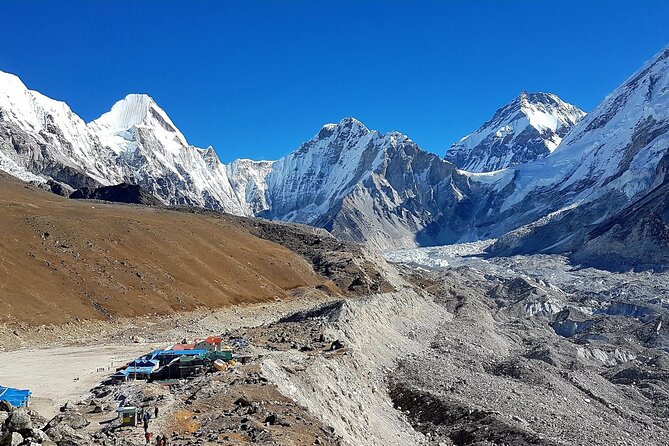
On day one, you’re met at Tribhuvan International Airport and transferred to your hotel by a private tourist vehicle. It’s scheduled as a smooth start: you don’t have to figure out transport after a flight.
In practice, I like this because Kathmandu is often where people lose time. You’ll likely need to confirm gear, double-check shoe conditions, and prep for early starts later. A clean handoff on arrival makes the trek feel like an actual plan, not a guess.
Your included Kathmandu stay is two nights in a 3-star category hotel, with breakfast. That matters because you’re not sleeping in a tent city before you begin. You get a proper reset.
Lukla Day 2: the high-airfield moment that still feels unreal
The trek begins with the Lukla segment—described as an early morning experience—and the route to Phakding. Lukla is famous for its high-elevation airfield and tight runway area, and even if you’ve read about it before, the first contact with the place tends to land like a shock.
Then it’s right into walking: a trek through greener terrain with early mountain glimpses, including views toward Kusum Kangraru. The walk to Phakding is also a useful “warm-up” pace day. You’ll be moving and adjusting, but you’re not yet at the stage where every step feels like a decision.
If you’re the kind of person who gets cold easily, consider that evenings on the trail can feel sharper than you expect, even when afternoons are manageable. Start layering early.
Namche Bazar Days 3–4: altitude education, markets, and trading-post history
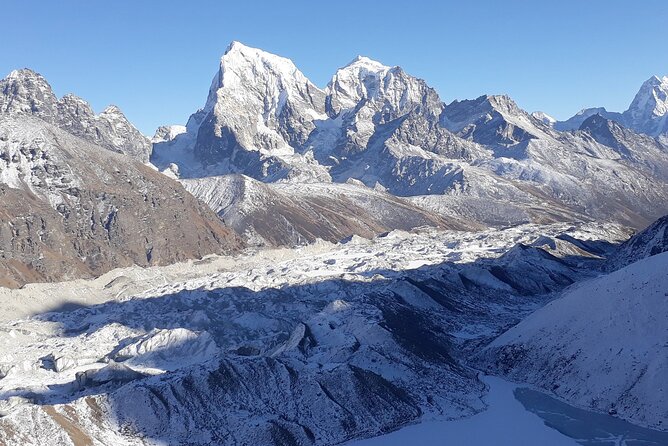
Namche Bazar is the pivot point for the whole region. The itinerary schedules two days here, and that’s a big deal. Acclimatization isn’t just a slogan on these treks; it’s the difference between arriving for Gokyo Ri feeling okay versus feeling wrecked.
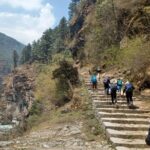
Day 3 follows the Dudh Koshi and climbs through pine and cedar forests. Namche itself is described as a historic trading post where Nepalese and Tibetan traders exchanged goods like salt, dried meat, and textiles. You’ll feel that on the ground. It’s a place designed for movement and trade, not a quiet village tucked away.
Day 4 is your acclimatization-plus-view combination. You hike to Syangboche Airport (3700m), then continue to Everest View Hotel for panoramic views of Everest, Lhotse, Ama Dablam, Tawache, and more. On the way back you visit the Sherpa Culture Museum and the Everest Photo Gallery.
Why this works for you: you’re getting high-altitude exposure, but not pushing a full summit-style push. You’re also learning the context—Sherpa culture and mountaineering history—without turning the day into a lecture. The museum and photo gallery give you something to remember besides a set of photos.
Practical tip: spend a little time slowing down in Namche, even if you feel fine. Altitude rewards patience.
Everest View Hotel to Dole Day 5: rhododendron forests and big-peak cameos
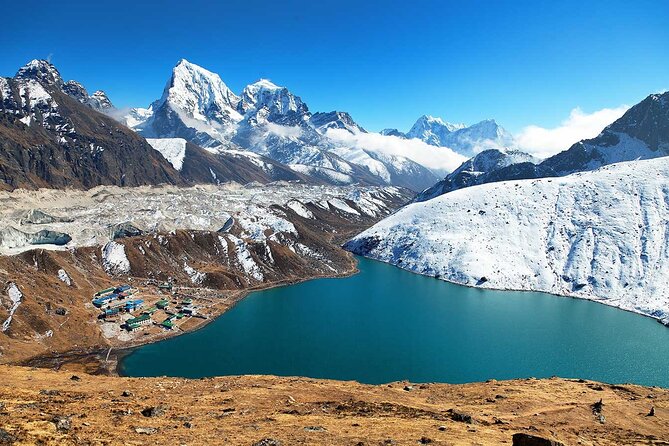
Day 5 is a longer trekking day that shifts scenery as elevation climbs. The route moves through rhododendron forests (especially beautiful in spring, when blooms are happening), then transitions into juniper and larger conifers as you gain height.
You’ll pass through Kharkas, which are summer settlements used when herds of yaks move into high grazing pastures. Then the trek goes by Tongba (3950m) and Gyele (3960m) to Dole, where there are only a few hotels.
This day’s value is twofold:
- you build trekking strength in a steady climb
- you collect more mountain views along the way, including references to Khumbila and Tawache
A caution: because you’re ascending, your pace should be intentionally boring. If you feel tempted to “make up time,” don’t. A smooth pace beats a fast pace when thin air is involved.
Gokyo Lakes Day 6: turquoise lakes plus moraine climbing
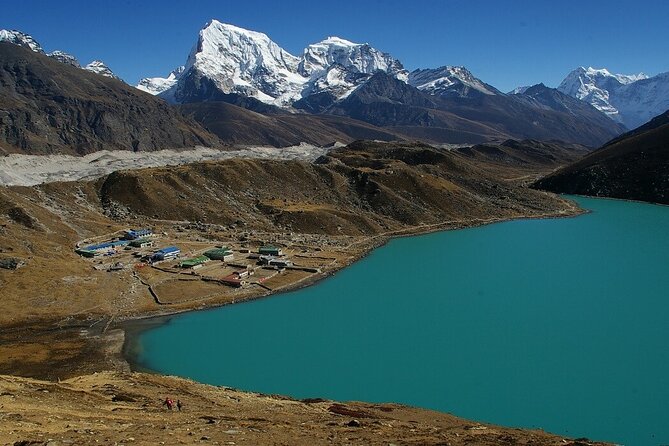
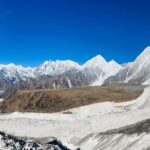
This is the day you’ll start thinking about the trip title as more than a name. The itinerary has you climbing a ridge for views down the valley and up toward Cho-Oyu. Then the trail widens into the Gokyo approach, passing Pangka (4390m) before descending toward the riverbank and beginning a steep climb toward the terminal moraine of the Ngozumpa Glacier.
Here’s what you should picture: moraines don’t walk like paved paths. Expect switchbacks and uneven footing. The itinerary notes the climb is steep, with switch backing along the stream, then reaching the first small lake at (4650m).
One of the fun (and slightly surreal) details is that a family of green ducks lives around that small lake. On a hard day, weird little nature moments are what help you stay human.
You’re aiming to reach the lake area and set yourself up for the summit morning on Day 7. Even if you feel energized, keep energy for the next day’s early start.
Gokyo Ri Day 7: early wake-up, wide views, and the glacier in-frame
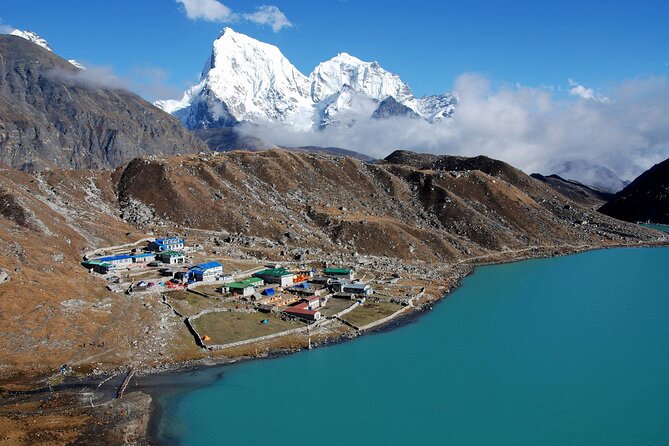
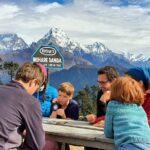
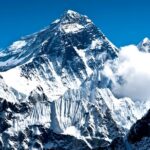
Gokyo Ri is the “work for it” highlight. The schedule has an early wake-up and a hike taking roughly two hours to the top of the peak. From there, you’re promised panoramic views of the Mahalangur Himalayan range, including Cho-Oyu, Gyachung Kang, Everest, Lhotse, Makalu, Cholatse, Tawache, plus a look at Ngozumpa Glacier, described as Nepal’s largest glacier.
This is why I like this trek: you don’t just look at mountains. You see how the glacier system feeds the lake basin. The views aren’t only tall peaks; they’re how the whole region fits together.
Practical note: sunrise mornings can still be cold even if daytime later feels warmer. Wear a warm hat and plan to keep your hands protected.
And yes, the operator’s trek style includes storytelling while exploring the glacier area. That Yeti/Bigfoot-style lore is part of the experience here, and it’s a good mental reset from the grind of trekking.
Day 8: the rewarding downhill that still keeps the views coming
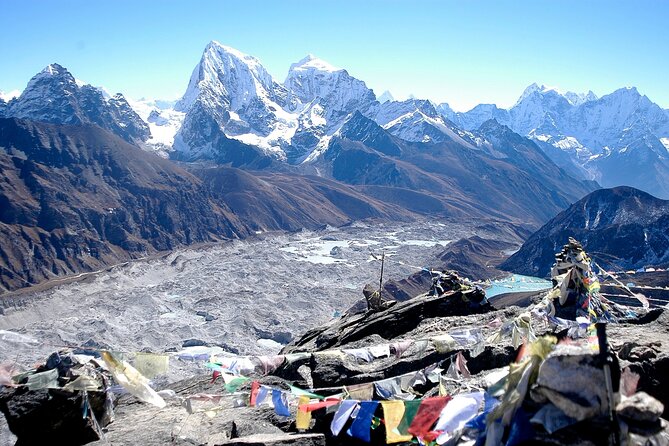
After Gokyo Ri and the lake area, the itinerary follows a downhill direction, giving you a chance to look back toward Cho-Oyu. Day 8 includes waterfalls and time with Himalayan flora and fauna, with rhododendron trees highlighted for spring season.
Then you get a mix of viewpoint opportunities even while descending. There’s mention of seeing snow-capped peaks like Ama Dablam, Tawache, and Thamserku, plus a far view of Tengboche too from Mongla.
The day ends with a descent toward Sansa, connecting you to the main Everest trail back toward Namche. It’s a smart design: you’re not just walking down randomly. You’re transitioning onto a well-known route system for the return.
Day 9: Namche to Lukla ground-level feeling
Day 9 is a “get your lungs back” kind of day. You start by doing Everest souvenir shopping in Namche, with a note that a large market takes place on Saturdays.
Then you retrace the descending route. You cross the Dudh Koshi river multiple times over suspension bridges, including getting to Jorsale at ground level of the Himalayas, after which the surroundings become greener and denser as elevation drops.
This is one of the days where people feel the biggest psychological lift: you’re still trekking, but the air gets easier. It’s also a nice chance to enjoy small details—the river crossings, the rhythm of the trail, and the gradual shift in vegetation.
Day 10: Lukla to Kathmandu, then farewell dinner near Thamel
The morning flight from Lukla to Kathmandu is usually scheduled early, and the itinerary points to clear-weather timing as the reason. Once in Kathmandu, you’re assisted with hotel check-in.
In the evening, you’re invited to a farewell dinner at a cultural restaurant near Thamel, with the day including breakfast and the farewell dinner.
Why this matters: Thamel is a convenient place to decompress. Your legs will be tired. Your brain will want food and quiet. A nearby meal location makes the end feel smooth instead of chaotic.
Day 11: depart Kathmandu with time buffer
On departure day, the trek ends back at the meeting point, and you’re transferred to the international airport with help from an office representative, about 3 hours prior to your international flight.
That buffer is practical in Kathmandu traffic reality. You want time to handle luggage, airport lines, and any last-minute adjustments.
Price and value: what $1,290 includes, and what you still need to budget
At $1,290 per person for about 11 days, you’re not just paying for “a guide and a trek.” You’re paying for a bundle that includes the big-cost items and a lot of friction removal.
Included value highlights:
- Round-trip flights Kathmandu–Lukla / Lukla–Kathmandu with departure taxes
- Trek permits, including Sagarmatha National Park permit fee and TIMS fee
- A mapped itinerary with a trekking map and trip achievement certificate
- Down jacket and sleeping bag use during the trek
- Two nights in Kathmandu at a 3-star category hotel with breakfast
- Best-available twin sharing lodge accommodation during the trek, plus private bathrooms in Phakding, Namche, and Lukla
- Duffle bag for trekking
- Guide support plus porters (noted as 1 porter for two people)
- An air-conditioned vehicle for ground transport and airport transfers in Kathmandu
Important things not included (budget reality):
- Fuel surcharge
- GST
- Tips and gratuities for trekking staff and drivers
- Internet/phone calls
- Most importantly for your daily spending: three daily meals with tea/coffee during the trek are not included
So how do you decide if it’s good value? If you would otherwise have to rent gear, buy permits yourself, and arrange Lukla flights on your own, this package is attractive. If you already have a budget for meals on the trail and you’re comfortable planning permits and gear separately, the value leans less dramatic.
Organization and group size: why small caps help on Everest-region treks
This trek runs with a maximum of 20 travelers. That number matters more than you might think. On a trail with narrow passages, stairs, and lodge paths, large groups can slow the whole system.
Also, the operator emphasizes contact and coordination. In past trips handled by their team, guides and porters like Shiva and Shobit have been singled out for helpful, steady support. Other names that show up in their trek experiences include Himal and team leadership involving Hari Kunar Shresta, with porters like Lok also praised.
You should still expect the usual trek realities: altitude, weather, and pace differences. But good coordination makes those realities less stressful.
What to pack for this trek (based on what’s included and what’s not)
Because the package provides down jacket and sleeping bag use, you can travel a bit lighter. Still, you’ll want your own core trek gear so you’re not dependent on fit.
At minimum, plan for:
- hiking boots already broken in
- warm layers for early mornings (Gokyo Ri day starts very early)
- a rain layer, because the high Himalayas love surprise weather
- a daypack for water, snacks, and layers
- passport size photos for permits (the operator notes you should bring two passport size photos for TIMS permit)
And since trek meals (breakfast/lunch/dinner with tea/coffee) are not fully included, bring payment options or cash buffer for everyday trail life.
Pace, fitness, and altitude: where moderate fitness actually matters
The tour calls for moderate physical fitness. That’s good news, but it can mislead you if you think moderate means easy.
This route includes:
- a multi-day climb to Namche with acclimatization
- a ridge-to-lake approach plus steep moraine climbing
- an early morning summit push at Gokyo Ri
- downhill travel days afterward
The best strategy is simple: move steadily, keep your breathing calm, and don’t treat elevation like a race. If you follow the itinerary timing, you’re already doing the smartest possible thing.
Who should book this Everest Gokyo Lake Trek
I’d point you toward this trek if:
- you want big Everest-region views without Everest Base Camp
- you care about Gokyo Lakes and want multiple viewpoint shots
- you like the idea of acclimatization built into the itinerary
- you want an operator that provides gear support like a sleeping bag and down jacket
I’d think twice if:
- you’re chasing one specific goal: reaching Everest Base Camp itself
- you hate planning for daily meal costs on the trail
- you need fully all-inclusive meals and drinks, every day, without spending on your own
Should you book it?
If you want a well-run, scenic Everest-region trek focused on Gokyo Lakes and Gokyo Ri, this is a strong option. The package handles the heavy logistics—Lukla flights, permits, key gear, and structured acclimatization—so you can focus on hiking and letting your eyes do the rest.
My recommendation: book it if you’re comfortable budgeting for meals during the trek and you’re happy that the route’s “hero moments” center on lakes and viewpoints rather than Everest Base Camp. If that trade-off excites you, you’ll likely leave with a serious case of photo overload and a calmer appreciation for how Nepal’s high valleys work.
FAQ
Where does the trek start and end?
It starts at Tribhuvan Airport in Kathmandu, Nepal and ends back at the same meeting point.
What time does the experience start?
The start time is listed as 6:30 am.
How long is the Everest Gokyo Lake Trek?
The duration is listed as 11 days (approx.).
What’s the group size limit?
The tour has a maximum of 20 travelers.
What’s the hotel setup in Kathmandu?
You get two nights in a 3-star category hotel in Kathmandu, with breakfast.
Are meals included during the trek?
No. Three daily meals with tea/coffee during the trek are not included.
Are flights included?
Yes. Round trip flights are included: Kathmandu to Lukla and Lukla to Kathmandu, including departure taxes.
Do I need permits?
Permits are included in the package fees, including Sagarmatha National Park permit fee and TIMS fee. You’re also asked to bring two passport size photos for the TIMS permit.
What gear does the package include?
It includes use of a down jacket and sleeping bag while trekking.
Is private bathroom access included?
The package states you’ll have private bathrooms in Phakding, Namche, and Lukla.