REVIEW · POKHARA
4 Days Mardi Himal Base Camp Trek from Pokhara
Book on Viator →Operated by My Dream Adventure (MDA) · Bookable on Viator
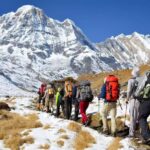
Four days, one serious view. From the moment you leave Pokhara, this Mardi Himal Base Camp trek pairs big views of the Annapurna massif with Machapuchare (Fishtail Mountain), and it does it with less crowd pressure than the region’s biggest trails. I like that it also changes scenery fast, from forest trails to higher alpine feel, with real time in small villages along the way.
I especially like the pace for a short trek and the culture you’ll pass through, not just the “walk and see peaks” part. You get gradual altitude progress through subtropical jungle up toward High Camp, then a focused early-morning push toward the higher viewpoint before heading back down. And you’ll run into Gurung and Magar communities, with friendly interactions that make the trek feel like Nepal living, not a packaged photo stop.
One consideration: this route climbs to about 4,000m to 4,500m, and Day 3 starts early at 4:00am. If cold mornings and altitude make you slow or cranky, plan for that and keep your pace conservative.
In This Review
- Key things to know before you go
- Why Mardi Himal Base Camp feels special from Pokhara
- Day 1: Pokhara to Forest Camp at about 2,500m
- Day 2: Forest Camp to Mardi Himal High Camp at 4,000m
- Day 3: The 4:00am viewpoint run, base camp time, and the return to Low Camp
- Day 4: Low Camp to Siding Village at 1,800m, then the jeep back to Pokhara
- Permits, guide, and guesthouse lodging: where the $290 value really shows
- How hard is it really: altitude and early starts you should plan for
- Cultural encounters with Gurung and Magar communities
- Practical tips to make the trek smoother (without turning it into homework)
- Should you book this 4-day Mardi Himal Base Camp trek?
- FAQ
- How long is the 4 Days Mardi Himal Base Camp trek from Pokhara?
- What does the tour cost?
- Do I get hotel pickup and drop-off in Pokhara?
- How do I get to the trekking starting point and back?
- Are the trekking permit and TIMS included?
- Is there an English-speaking guide?
- Where do we stay during the trek?
- Is this a private trek or will I share with strangers?
- Can I cancel for a full refund?
Key things to know before you go
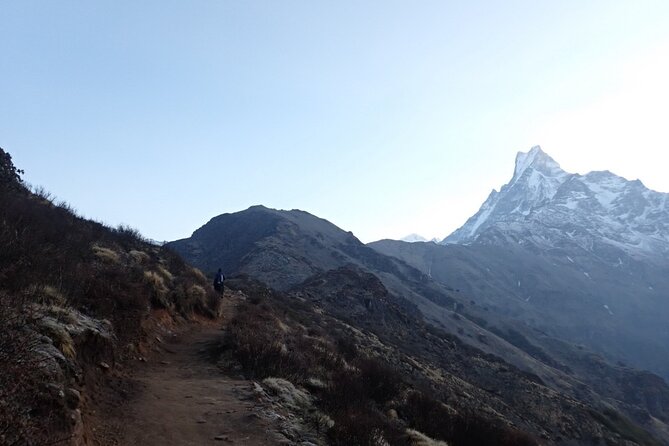
- Mardi Himal views without the biggest-trail crowd vibe, plus Machapuchare and Annapurna-range sightlines
- TIMS and trekking permits included, so you’re not scrambling for paperwork
- English-speaking guide with a private trek setup for your group
- 4:00am start on Day 3 for the higher viewpoint and base-camp time
- Guesthouse accommodation included, so you’re not camping in this package
- Pickup/drop-off plus sharing jeeps, which keeps logistics simple from Pokhara
Why Mardi Himal Base Camp feels special from Pokhara
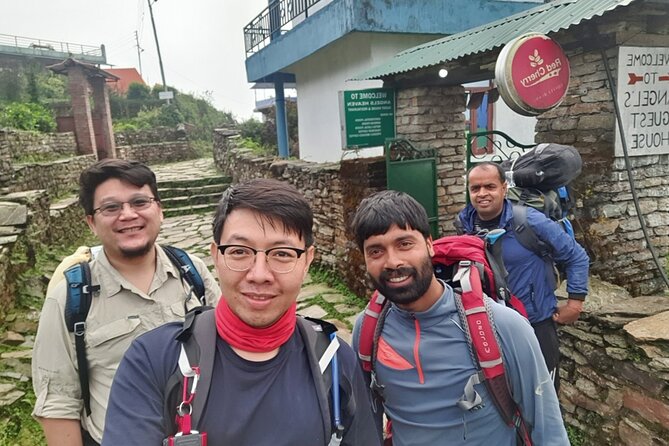
Mardi Himal is one of those treks where the “short” label can fool you. Yes, you’re doing a compact 4-day circuit, but you still get that satisfying Annapurna-region feeling: you’re leaving Pokhara, climbing through distinct terrain bands, and ending up at base camp with sky-filling views.
The big hook here is the combination of altitude hits and scenery variety. You’ll be moving through dense forest and then into higher, more rugged and open stretches. That matters because your brain isn’t stuck on one kind of scenery for days. One hour feels different from the next.
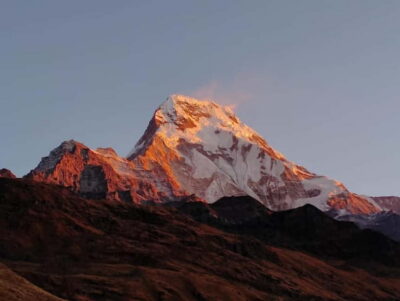
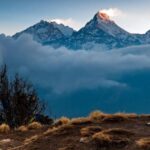
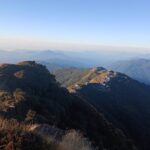
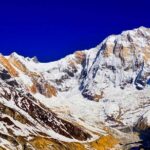
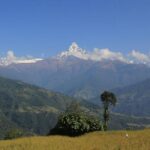
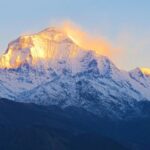
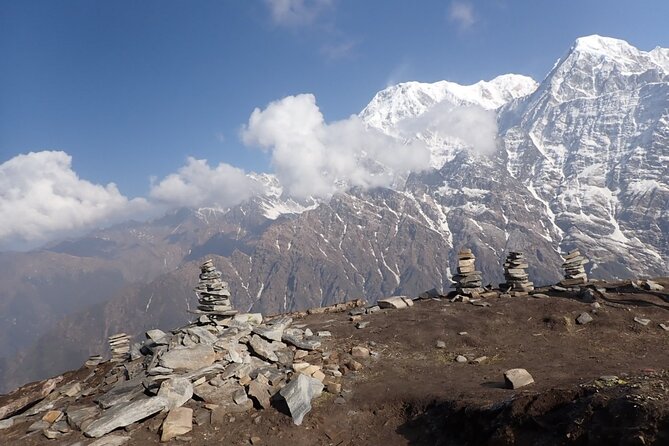
And the view payoff is real. From the higher area (including a viewpoint around 4,500m), the Mt. Fishtail silhouette and the broader Annapurna range come into focus in a way that’s hard to match on shorter treks. The best part is that you’re not spending weeks chasing it.
You can also read our reviews of more tours and experiences in Pokhara.
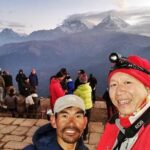
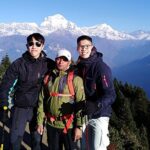
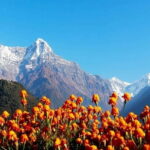
Day 1: Pokhara to Forest Camp at about 2,500m
Your day starts with an early departure from Pokhara at 8:00am, plus a scenic drive. You’ll go by road to Kande (about a 1.5-hour drive), then continue trekking toward Forest Camp at 2,500m (8200 ft).
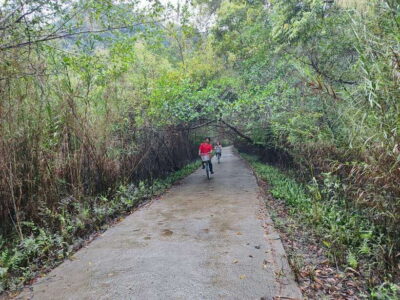
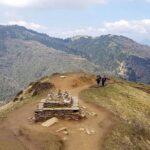
This is the “get your legs back” day. Expect lush fields and dense forest vibes as you transition from the lake-town rhythm of Pokhara into mountain footpath reality. If you’re nervous about starting too fast, this day is your chance to settle into a steady walking pace.
At around 2,500m, the altitude is noticeable but usually manageable for people with moderate fitness. Still, I’d treat Day 1 as a warm-up, not a race. You’ll be happier if you finish the day feeling like you could do a little more.
Day 2: Forest Camp to Mardi Himal High Camp at 4,000m
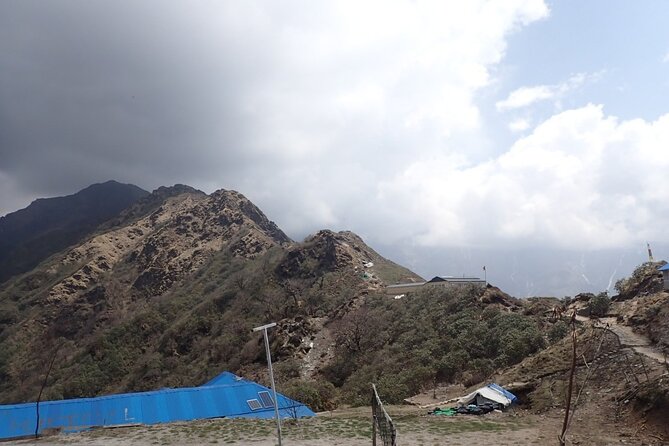
Day 2 climbs harder, topping out at High Camp around 4,000m (13,120 ft). The trek time here is listed as about 5 hours, so you’re looking at sustained uphill effort rather than constant flats.
This is where the trail leans into dense jungle again, and you may spot wildlife signs along the way. Even if you don’t see much wildlife, the feel of the forest—shade, cooler air, and muffled trail sound—makes the climb less monotonous.
High Camp is high enough that your breathing will change, even if you’re fit. I like that the route doesn’t jump straight to the top. You get that transition day (Day 1) into a day of serious climbing (Day 2), which helps your body and your mood adjust.
If you’ve got a family group, this is also the day where a good guide matters. In the feedback I saw, people singled out guides such as Prakash and Surya for staying friendly and helpful and coordinating well, which is exactly what you want when the climb gets slow.
Day 3: The 4:00am viewpoint run, base camp time, and the return to Low Camp
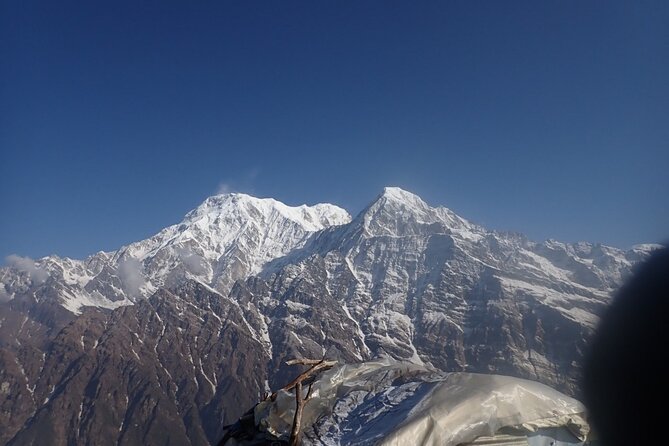
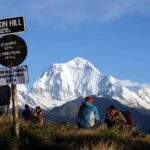
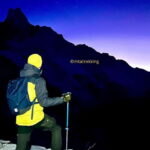
Day 3 is the emotional peak day. It starts at 4:00am, with about 2 hours of hiking to a viewpoint around 4,500m. This is the part of the trek where you get the classic “Machapuchare and the Annapurna range in full view” moment.
After that higher viewpoint time, you continue toward base-camp area and then shift your plan back toward your next overnight base. The schedule moves you from the High Camp area down toward Low Camp around 3,000m (9,840 ft), and the route includes time for base camp before you finally settle into Low Camp.
One practical note: the way the day is structured can feel like a few different phases—early hike for the viewpoint, base camp time, then descent and handling belongings. That’s normal for this trek style. Don’t treat each hour like it needs to be your “best” hour. Treat it like a sequence.
If you’re sensitive to altitude, Day 3 is also when you’ll feel it most. Going higher early on means colder air and slower pace. I’d keep your steps short and smooth, and focus on steady breathing. The view is worth it, but your body has to get you there first.
This is also where the guide quality really shows up. People praised guides like Bikram, Biru, and Krishna for being patient, organized, and good at working with different family needs. If you want the trek to feel calm rather than chaotic, choose a service that clearly runs the day well.
Day 4: Low Camp to Siding Village at 1,800m, then the jeep back to Pokhara
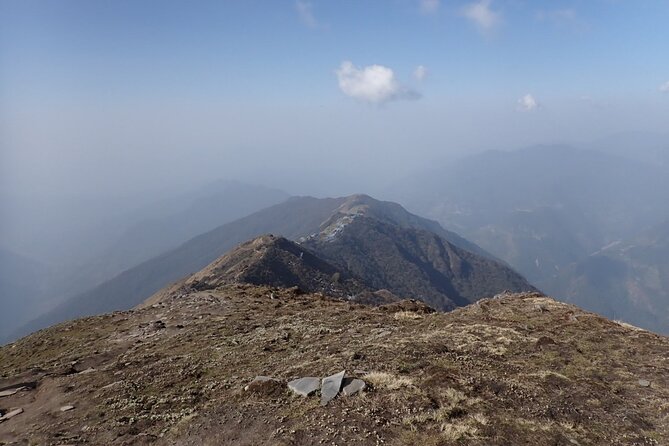
Day 4 is the relief day, in the best way. You start from Low Camp around 3,000m and descend about 4 hours to Siding Village (1,800m / 5,905 ft).
This descent is where the trek “turns human.” The air feels different at lower altitude, the vegetation changes again, and you’re more likely to feel like you’ve returned to a real village day rather than a high-altitude routine.
From Siding Village, a jeep transfer takes you back to Pokhara, wrapping up the trek with roughly a 2-hour ride.
I like the structure of this ending. You don’t finish exhausted and then still need to figure out transport. The package gives you the back-and-down rhythm: trek, village time, then ride home to decompress.
Permits, guide, and guesthouse lodging: where the $290 value really shows
At $290 per person, the price is low enough to feel like a bargain—if you compare it against what’s included and what’s not. Here’s what you get in the package:
- Hotel pickup and drop-off (so you’re not hunting rides in Pokhara)
- Trekking permit and TIMS included
- Experienced English-speaking trekking guide
- Round trip transfer by sharing jeep
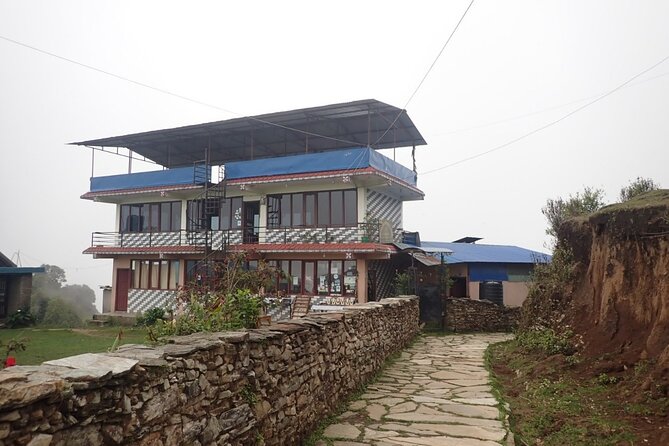
- Guesthouse accommodation during the trek
- Private trek (your group only)
That last point matters. “Private” means you’re not dealing with mismatched pacing from unrelated walkers. It can make a big difference on a route with an early start.
I also like the inclusion of the TIMS and permit piece. In Nepal, those details can be a hassle if you’re trying to handle everything on your own while also managing hiking gear and limited time.
What’s not included is your typical trekking stuff: personal expenses and gratitude (optional). In practice, that means money for snacks, drinks, and any extras you want along the way.
How hard is it really: altitude and early starts you should plan for
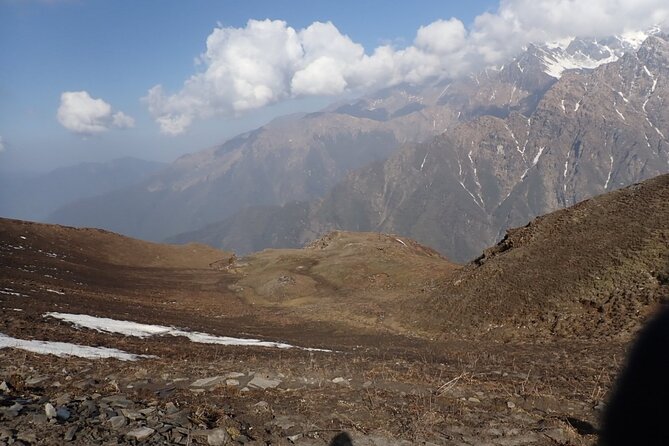
This trek is aimed at people with moderate physical fitness, and that’s believable based on the pacing. You’re not looking at multi-day technical climbs. But you are dealing with altitude and a schedule that includes a 4:00am start on Day 3.
Key altitude points you should keep in mind:
- Forest Camp: 2,500m
- High Camp: 4,000m
- A viewpoint around 4,500m
- Low Camp: 3,000m
- Siding Village: 1,800m
The highest point here is the viewpoint run. Even if base camp itself is lower than that, your body still has to manage the climb and the early hour.
My practical advice is to treat the mornings as work sessions. Keep a steady pace, wear warm layers early (then peel off once you’re moving), and drink water consistently even when you don’t feel thirsty yet.
If you’re traveling with kids or you want a manageable pace, the feedback I saw gave this trek a thumbs up for family-friendly coordination, especially when the guide is attentive and organized (people mentioned guides like Surya and Bikram for that kind of smooth help).
Cultural encounters with Gurung and Magar communities
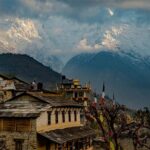
The trek is more than scenery. Along the trail, you pass through local village areas and interact with Gurung and Magar communities. That typically means real conversations, seeing daily life up close, and understanding how trekking fits into the rural economy.
I like this part because it gives context. Mountains can feel like a stage set if you only think about photos. When you meet local people and see how they live, you remember that these communities are the reason trekking routes matter.
Also, village interactions often shape the day. A friendly stop for tea, a short conversation about the trail, or guidance about what’s ahead can change your mood more than you’d expect.
Practical tips to make the trek smoother (without turning it into homework)
I can’t promise what the trail conditions will feel like in your exact season, but I can tell you what matters most for enjoying Mardi Himal:
- Keep layers ready. Cold mornings (especially Day 3) are part of the schedule, not a surprise.
- Choose solid hiking shoes. The terrain shifts from forest footpaths to higher, rougher ground.
- Pace yourself on climbs. Your guide can help you slow down at the right moments.
- Bring cash for personal needs. The package covers major logistics, but not your personal spending.
- If you’re the type to stress about gear, ask your guide what to prioritize for your group before the trek begins.
One more note: the service includes guesthouse lodging and permits, but it doesn’t replace your own responsibility for comfort. You’ll still want your own essentials: water management, warm layers, and basic trail items.
Should you book this 4-day Mardi Himal Base Camp trek?
If you want a short trek that still feels like the Annapurna region—forest, camps, big mountain views, and village encounters—this is a strong choice. I think it’s especially worth booking when you value simple logistics: pickup and drop-off, permits handled, guesthouse nights covered, and a guide who runs the day.
I’d consider another option if you’re unsure about cold mornings or altitude. Day 3’s early 4:00am push to a high viewpoint is the most demanding part, and this trek is built around hitting that moment.
My decision rule: book it if you want the view and experience of Mardi Himal without the stress of organizing permits, transfers, and daily coordination yourself.
FAQ
How long is the 4 Days Mardi Himal Base Camp trek from Pokhara?
It’s approximately 4 days.
What does the tour cost?
The price is $290.00 per person.
Do I get hotel pickup and drop-off in Pokhara?
Yes. Hotel pickup and drop-off are included.
How do I get to the trekking starting point and back?
You’ll have round trip transfer by sharing jeep.
Are the trekking permit and TIMS included?
Yes. The trekking permit and TIMS are included.
Is there an English-speaking guide?
Yes. You’ll have an experienced English speaking trekking guide.
Where do we stay during the trek?
Accommodation is included in guest house lodging.
Is this a private trek or will I share with strangers?
It’s a private tour/activity, meaning only your group will participate.
Can I cancel for a full refund?
You can cancel up to 3 days in advance of the experience for a full refund. If you cancel less than 3 full days before, the amount paid will not be refunded.