REVIEW · SAPA
Sapa 3 Day Trekking with 2 Nights Homestay
Book on Viator →Operated by Asia Travel Legend · Bookable on Viator
A short hike can turn into a big story fast. This Sapa 3-day trekking with 2 nights homestay gets you out of town and into daily hill-country life, with guided trails through villages like Ta Van and Ban Ho. I like that the schedule is set (about 9AM to 3PM) but the pace feels human, not rushed.
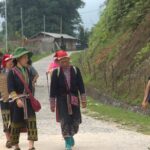
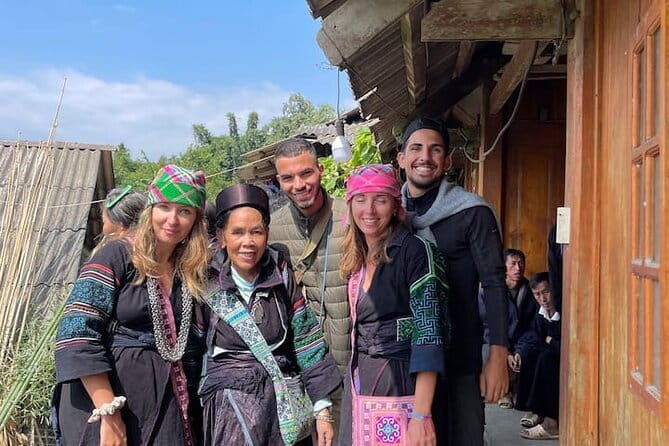
Two things I really like: the mix of homestays plus guided walking, and the way guides explain what you’re seeing in plain, practical terms. In groups led by guides such as Lan or Pang, you’ll often get better than just photos—you get context on crops, plants, and H’mong culture while you’re on the move.
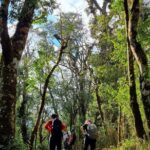
One drawback to plan for: this is not a flat stroll. The trails include steep ups and downs, so if you’re worried about stairs-in-the-wild, bring realistic expectations and lean on your guide for the right effort level. Also, the tour is non-refundable, so pick your dates carefully.
In This Review
- Key highlights at a glance
- Sapa Valley Trek, 9AM to 3PM: How the 3 Days Fit Together
- Ta Van Village Day: Why Day 1 Starts With Real Village Time
- The Homestay Experience in Two Nights: Food, Rooms, and the Pace of Village Life
- Day 2 Route Through Giang Ta Chai, Su Pan, and On to Ban Ho
- Day 3: Ban Ho to Nam Toong and Thank Phu (Then Back to Sapa Town)
- Meals Built In: 3 Lunches, 2 Dinners, 2 Breakfasts
- Guides and English: Why Names Like Lan, Pang, and May Matter
- Price and Value: Is $190.71 Fair for This Much Included Time?
- Getting In and Out: Pickup, Mobile Ticket, and Staying Grounded
- Who Should Book This Trek (and Who Should Think Twice)
- Should You Book This Sapa 3-Day Trek with 2 Nights Homestay?
- FAQ
- How long is the Sapa 3-day trek with 2 nights homestay?
- Where does the trek start and end?
- What homestays and villages are included?
- Are meals included?
- Is the valley entrance fee included?
- Do I get pickup and drop-off?
- Is this a private tour?
- Is the tour refundable or changeable?
Key highlights at a glance
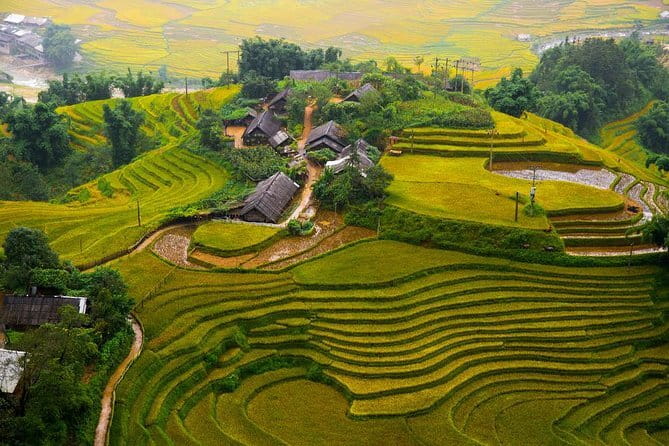
- Two homestay nights in village settings, with meals included
- Village-to-village trek routing: Ta Van → Giang Ta Chai → Su Pan → Ban Ho
- English-speaking guides (often people like Lan, Pang, or May) who answer questions as you walk
- Valley entrance fee included, plus transport back to Sapa Town after the trek
- Private tour for your group, so the route and pacing can feel more tailored
Sapa Valley Trek, 9AM to 3PM: How the 3 Days Fit Together
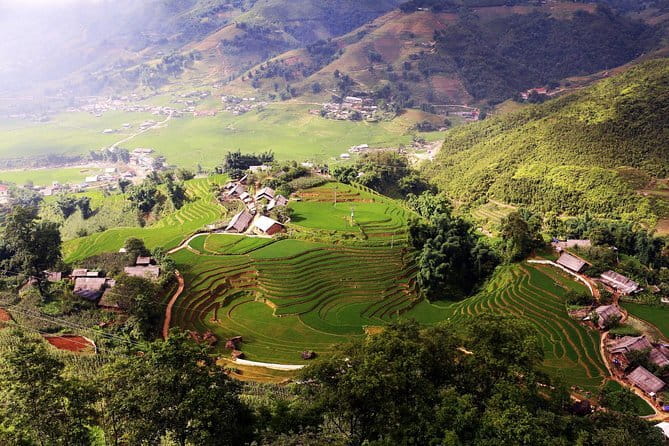
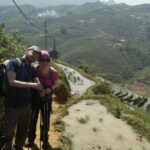
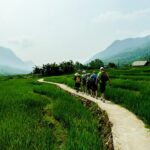
This 3-day, 2-night trek runs roughly 9AM to 3PM each day, and that timing matters. You’re doing daylight hiking in Sapa’s hill terrain, when the views are easiest to enjoy and you’re more likely to feel steady on the ground. The day lengths can feel long because the walking is through paths with elevation changes, but your guide keeps it organized and lets you take breaks when needed.
What makes it feel “worth it” is that the trek isn’t just a nature walk. You’re moving through real communities, then sleeping in homestays, then moving again. That turns the trip into a rhythm: walk, eat, talk, sleep, repeat—without you needing to plan anything.
If you’re the type who likes structure, you’ll appreciate the built-in flow: arrival and pickup options, valley entrance included, and a return to Sapa Town after trekking. If you’re the type who hates schedules, the fixed hours might feel limiting—but you still get a guide who can adjust to your group’s comfort.
Ta Van Village Day: Why Day 1 Starts With Real Village Time
Your trek starts around Ta Van Village, where hill-country life is close enough to see details: how people move, how the land is used, and how the villages connect to each other. Day 1 is designed to get you into the area gradually before the longer stretches on Day 2.
In practice, Day 1 is the day you’ll notice the most about the homestay setup. You’ll be out on the trail with a guide, then you’ll settle in for the first of two overnight homestays. The program includes lunches and dinners for the trek days, plus breakfasts—so once you’re at your homestay, you’re not scrambling to find food.
One more thing I like about starting at Ta Van: it sets a baseline for everything else. After you’ve spent your first night in a village home, Day 2’s longer route doesn’t feel like a “random hike.” It feels like you’re continuing a journey with familiar patterns—walk, learn, eat, rest.
The Homestay Experience in Two Nights: Food, Rooms, and the Pace of Village Life
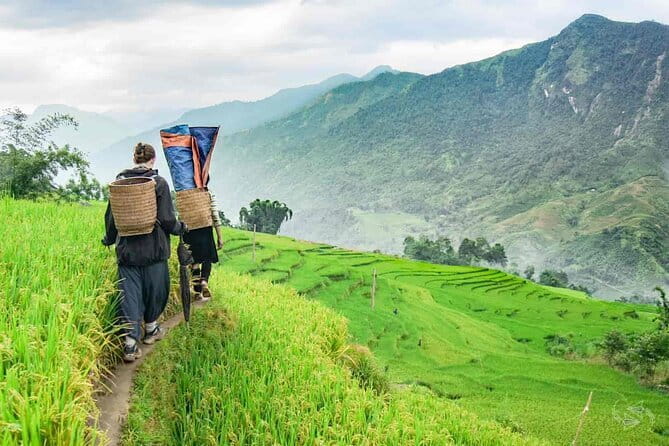
This tour’s biggest “value lever” is the 2 nights in homestays. You’re not just buying a walking route—you’re buying time in someone’s home environment. That changes the mood of the trip. Even when the trail is tough, the evenings can feel calm: you eat, you talk, and you rest without the tourist machinery.
Based on what I’ve gathered from how this trek is commonly run (and what homestays tend to be like here), you should expect homely meals and basic, comfortable lodging that feels clean and practical. The program includes meals for 3 days, which matters because your body will be working. When food is already handled, you can focus on hydration and walking instead of hunting down dinner with sore legs.
What you should consider: homestays are simpler than hotels. You’re stepping into village routines, so don’t expect hotel-style amenities. But if you’re the type who enjoys conversation and learning from daily life, the homestay nights are often where the trip turns from sightseeing into something memorable.
Day 2 Route Through Giang Ta Chai, Su Pan, and On to Ban Ho
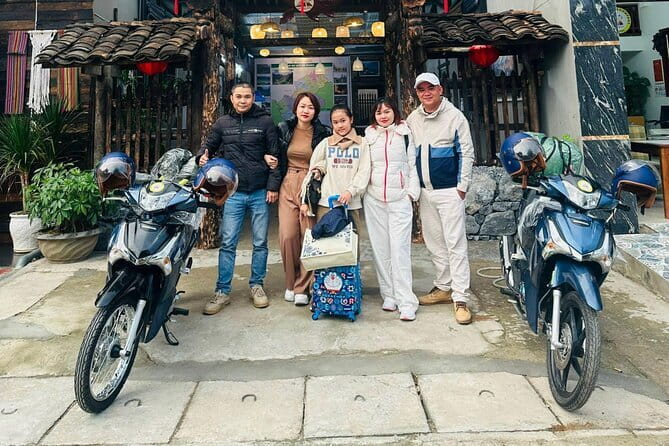
Day 2 is the longest feeling day in the routing: Ta Van → Giang Ta Chai → Su Pan → Ban Ho (homestay). It’s listed as about 8 hours, so give yourself permission for a full day out. This is where elevation changes and walking time stack up.
The reason this day works well is that it connects multiple stops without making any one segment feel disconnected. You’re not rushing from one checkbox to the next. Instead, you keep moving through village areas where crops and daily routines are visible in the landscape of daily life.
This is also where the guide’s teaching style can really shine. Guides like Pang are known for explaining what you’re seeing—plants, farming patterns, and cultural details—while keeping the group comfortable. Another guide, May, is often described as flexible, with real attention to questions as they come up. Even if you’re not a trivia collector, these explanations help your eyes stay busy, which can make hills feel less brutal.
A practical note: because the day is longer, wear footwear you trust. If you’re carrying a water bottle, make sure it stays accessible. And if your legs start to complain, ask your guide what pacing options exist—this trek is designed to be adjusted to the group’s comfort.
Day 3: Ban Ho to Nam Toong and Thank Phu (Then Back to Sapa Town)

Day 3 is shorter on paper—about 4 hours—and that makes it a relief after Day 2. Your path runs Ban Ho → Nam Toong → Thank Phu → Ban Ho → Sapa. The idea here is to keep the final day scenic and satisfying without leaving you exhausted.
The Ban Ho portion is important because it ties back to your second homestay night. Starting and ending near the homestay area also makes the logistics feel simpler. You’re not facing a complicated “transfer day” where you have to rush between transportation and trekking.
Also, Day 3 is usually when you’ll appreciate the guide’s storytelling most. By now, you understand the rhythm. You’re more likely to notice how villagers interact with land and season, and you’ll have context for what you saw earlier.
At the end, you return to Sapa Town—the program includes the transport back—so you don’t finish the trek and then have to solve the last-mile problem.
Meals Built In: 3 Lunches, 2 Dinners, 2 Breakfasts
Food can make or break a trekking trip, especially when your body is working steadily for hours. This program includes 3 lunches, 2 dinners, and 2 breakfasts, plus entry fees and the guide and homestays.
That matters more than it sounds. When your meals are included, you’re not stuck making decisions mid-hike, and you don’t have to spend time bargaining or searching for food with tired legs. It also supports better energy management. You’re more likely to feel steady instead of suddenly crashing.
The one gap: drinks aren’t included. So I recommend you plan for that. If you like having water or other non-alcoholic drinks on hand, budget for it separately.
Finally, consider that homestay food is often “homely” rather than restaurant-style. That’s usually a good thing on a trek: it’s filling, familiar enough, and timed to your day. If you’re picky, plan to eat what’s offered and treat it as part of the experience.
Guides and English: Why Names Like Lan, Pang, and May Matter
The best trekking guides don’t just lead your feet. They manage your day—your effort level, your questions, and your ability to enjoy the walk even when your thighs start negotiating.
From how this trek is commonly run, guides such as Lan and Pang have strong English and a knack for conversation. People often highlight that they answer questions eagerly and explain cultural and natural details while walking. That’s not extra fluff. It turns a tiring trail into a moving classroom.
May is another name that comes up with notes about flexibility and adapting to what the group wants. That’s exactly what you want in a trek: the ability to tweak pacing, not just follow a script.
Practical takeaway for you: ask your guide early how you want the trek to feel—more relaxed or more challenging. Then stick close to the plan they suggest. When the guide can calibrate your day, the difficulty becomes manageable instead of demoralizing.
Price and Value: Is $190.71 Fair for This Much Included Time?
At $190.71 per person, you’re paying for a lot of moving parts: guide, homestays, meals across multiple days, valley entrance, and pickup/drop-off plus return to Sapa Town. In other words, the price isn’t just for walking. It covers the infrastructure that usually costs extra when you travel independently.
Here’s where the value feels strongest:
- Homestays for two nights are usually one of the biggest “hidden costs” when planning yourself.
- Meals included reduce daily decision fatigue.
- Entrance fees and transport back stop you from adding expenses at the end when you’re tired.
What could affect whether it feels expensive or fair? Your expectations. If you want a private, village-to-village trek with built-in meals and logistics, the price can feel reasonable. If you only want a short hike and you’d rather stay in hotels, you might look at alternatives.
Also note: this is a private tour/activity, so you’re not sharing the experience with strangers. That can be a big part of why people rate it highly.
Getting In and Out: Pickup, Mobile Ticket, and Staying Grounded
The program includes pickup & drop-off, and it uses a mobile ticket. The meeting point starts in Sa Pa, Lao Cai, Vietnam, and the activity ends back at the same meeting point.
If you’re coming from elsewhere, there’s also mention of a pickup option in the Hanoi Old Quarter with a short 30-minute slot. That suggests the operator is set up to help coordinate arrival time if you’re starting your north Vietnam trip in Hanoi.
One more practical detail: the meeting point is listed as near public transportation. That’s good if you want flexibility for getting yourself to the start without stress.
Given that your trek day timing is set, I suggest you plan to arrive early enough to avoid a shaky start. Once the walk begins, it’s harder to handle delays.
Who Should Book This Trek (and Who Should Think Twice)
This trek is a strong fit if you:
- Want a real homestay element, not just a day hike
- Like learning on the move, especially with guides who explain culture and crops
- Don’t mind hills and want a challenge that’s guided and structured
- Prefer a private group experience
It may be less ideal if you:
- Don’t want any physical effort. The route includes ups and downs, even if guides can adjust your pace.
- You’re sensitive to simpler accommodations than a hotel.
- You’re unsure about your dates, since the tour is non-refundable and can’t be changed for any reason.
The best “fit” is someone who wants to trade a bit of comfort for a more authentic, village-connected trip.
Should You Book This Sapa 3-Day Trek with 2 Nights Homestay?
If you want Sapa to feel like more than a view from the road, this is the kind of trek that makes it click. The two homestay nights, meals included, and the guided village routes are the big reasons it has strong appeal, especially when led by English-speaking guides like Lan, Pang, or May.
Book it if you’re willing to work your legs a bit and you enjoy conversation and learning while walking. Skip it if you want a low-effort hike or you need flexible dates.
If you’re on the fence, decide based on one question: do you want to sleep in the villages and eat as part of the trek rhythm? If yes, this tour is a good bet.
FAQ
How long is the Sapa 3-day trek with 2 nights homestay?
It runs for about 3 days with 2 overnight stays in homestays. The trek timing is listed as 9:00am to 3:00pm.
Where does the trek start and end?
It starts in Sa Pa, Lao Cai, Vietnam and ends back at the same meeting point.
What homestays and villages are included?
The itinerary includes Ta Van Village and Ban Ho Village, with additional village stops on Day 2 such as Giang Ta Chai and Su Pan.
Are meals included?
Yes. The tour includes 3 lunches, 2 dinners, and 2 breakfasts. Drinks are not included.
Is the valley entrance fee included?
Yes. The entrance fee to the valley is included.
Do I get pickup and drop-off?
Yes. Pick up & Drop off are included. There is also an option to pick up customers in Hanoi Old Quarter.
Is this a private tour?
Yes. It is listed as a private tour/activity, so only your group participates.
Is the tour refundable or changeable?
No. The experience is non-refundable and cannot be changed for any reason.