REVIEW · KATHMANDU
Annapurna Sanctuary Trek – 14 Days
Book on Viator →Operated by Himalayan Glacier · Bookable on Viator
Sunrise in the Himalaya changes your whole mood. This 14-day Annapurna Sanctuary trek blends UNESCO Kathmandu stops with the long walk to Annapurna Base Camp, plus Poon Hill views you’ll talk about for years. One fair warning: it’s not a gentle walk—expect altitude and steep, rough trails for hours each day.
I also like the people side of this trip. Himalayan Glacier builds the trek around licensed leadership and a tight support ratio (including porters), and that matters when weather shifts or your body needs a breather. One more thing to consider is fit and pacing: you should be ready for 6–7 hours of walking daily and some uphill days that can run 400–700m of ascent.
In This Review
- Key things that make this trek work
- Kathmandu first: UNESCO sights, then you’re off to the mountains
- The short flight that sets up big views: Kathmandu to Pokhara to Hile
- Ulleri to Ghorepani: stairs, chilly air, and the slow rise to sunrise country
- Poon Hill: the sunrise payoff (and how to handle the long early push)
- Chhomrong and the Annapurna South feel: where the mass becomes personal
- Bamboo to Deurali: colder bamboo, then sparser views and sharper valley angles
- Annapurna Base Camp day: the goal, the gorge, and the moment you feel small
- The long downhill truth: letting your legs recover on the way back
- Chhomrong backtrack and Jhinu Danda: rain forest walking and a chance to reset
- Final day to Matque and the drive to Pokhara: you trade altitude for comfort
- Flights, farewell dinner, and one last Himalaya side-of-plane tip
- Price and logistics: why $860 can be a good deal (and what still costs extra)
- Safety, guides, and that small-group feel that matters on tough days
- Best season choices: when the views actually show up
- Who should book this Annapurna Sanctuary Trek
- Should you book it?
- FAQ
- How long is the Annapurna Sanctuary Trek?
- Where does the trip start and how do you get picked up?
- What is the main trekking goal?
- Do you visit Poon Hill?
- Where do you stay during the trek?
- What meals are included?
- Are permits included?
- Are flights included?
- What support do you get for luggage and guidance?
- What costs extra that I should budget for?
Key things that make this trek work
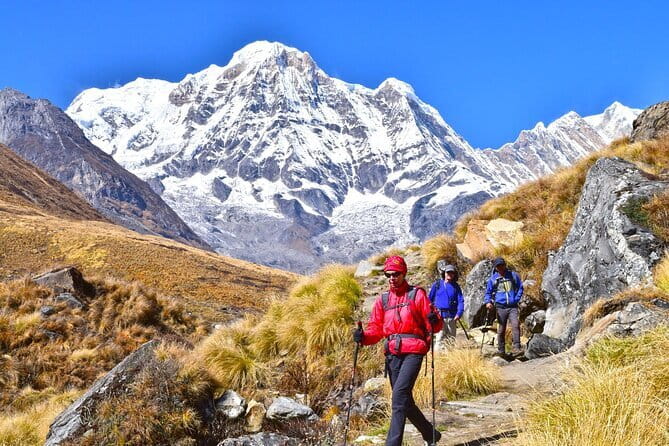
- Poon Hill sunrise at 3,210m, with big Himalayan panoramas and hot drinks waiting at the top
- Annapurna Base Camp arrival after a steady climb through the sanctuary area, with Machhapuchhre Base Camp views along the way
- UNESCO day in Kathmandu (Kathmandu Durbar Square, Pashupatinath, Swayambhunath, Boudhanath) before you ever hike
- Small-group support (max 12 people) with an assistant guide for a small group size and porter help for luggage
- Permits and trekking gear included like TIMS/ACAP paperwork plus a down jacket and sleeping bag (returned after the trip)
Kathmandu first: UNESCO sights, then you’re off to the mountains
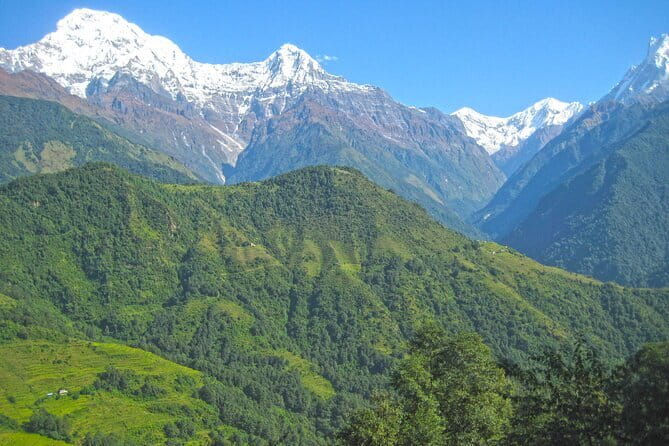
Most treks in Nepal start with a bus ride and a quick coffee. This one starts with structure, which I really appreciate. After you land at Tribhuvan International Airport, you’re met by a Himalayan Glacier representative and escorted to your Kathmandu hotel in comfort, with time to rest or visit their office. If you want a low-effort first evening, Thamel is right there for souvenir browsing and an easy start.
Day 2 is a full Kathmandu hits-the-highlights day, and it’s not random sightseeing. Kathmandu Durbar Square is the historic palace complex at the heart of the city, known for pagoda-style temples, courtyards, and fine stone/wood details—plus ongoing restoration after the 2015 earthquake. Then you head to Pashupatinath Temple, one of Nepal’s most sacred Shiva sites on the Bagmati River; you can’t enter the main temple as a non-Hindu, but you can still watch ceremonies from the surrounding areas.
Next comes Swayambhunath (Monkey Temple), perched above the city with a white stupa, prayer flags, and the kind of viewpoint that instantly helps you understand Kathmandu’s layout. You finish with Boudhanath Stupa, one of the largest Buddhist stupas in the world, surrounded by monasteries and Tibetan culture. If you like travel that mixes spirituality and architecture, this is a strong setup day before the trek absorbs your attention completely.
Quick practical note: the day is paced with private-vehicle guiding, and the sites include entry where noted and one stop with free admission. Still, it’s a lot of walking on uneven ground, so comfortable shoes help.
You can also read our reviews of more tours and experiences in Kathmandu.



The short flight that sets up big views: Kathmandu to Pokhara to Hile
On Day 3, you take an early morning flight to Pokhara. I like this approach because it turns a long transfer into a viewpoint moment. If you can choose your seat, the guidance is to sit on the right side of the plane for better mountain views.
When you land, you’re greeted with wide Himalayan visuals, including Dhaulagiri, Manaslu, Machhapuchhre, and the five-peaked Annapurna view people hope for in the region. It’s a gentle psychological shift: you go from city time to mountain time in one day.
After a short rest, you drive to Hile, your trailhead. The trek begins through sub-tropical valley forests, sometimes along carved trails where the slope feels close to the cliff. Then you cross the Bhurungdi Khola by bridge to Tikhedhunga, where the real workout starts with Ulleri Hill—those famous thousands of steps that keep going upward until your legs send you a message.
That’s a good first “test day.” You’re not climbing to crazy elevations yet, but your body learns the rhythm early: step, breathe, adjust pace, repeat.
Ulleri to Ghorepani: stairs, chilly air, and the slow rise to sunrise country
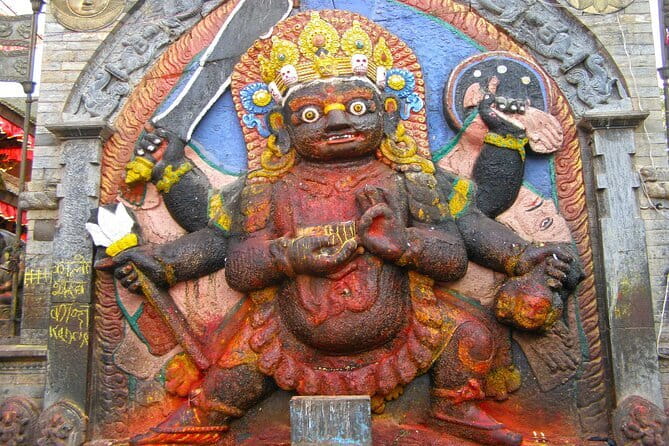
Day 4 is all about continuing upward toward Ghorepani. The name itself—horse-water—hints at its trader-camps past, when this area was a stop along older routes before it became a trekking hotspot.
Ghorepani is split into higher and lower areas, and the higher part is where you want to focus your time. You’ll get panoramic views that include Annapurna South and Nilgiri mountains, which is great because you start recognizing peaks instead of just seeing “mountains.”
The downside of gaining elevation is the cold. Since Ghorepani sits higher than Ulleri, you’ll feel chilly air more strongly, especially in evenings. If you’re the type who always underpacks for night air, fix that mindset now.
Poon Hill: the sunrise payoff (and how to handle the long early push)
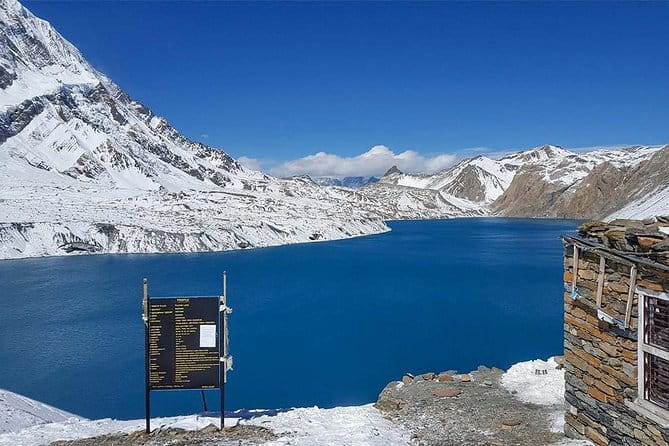
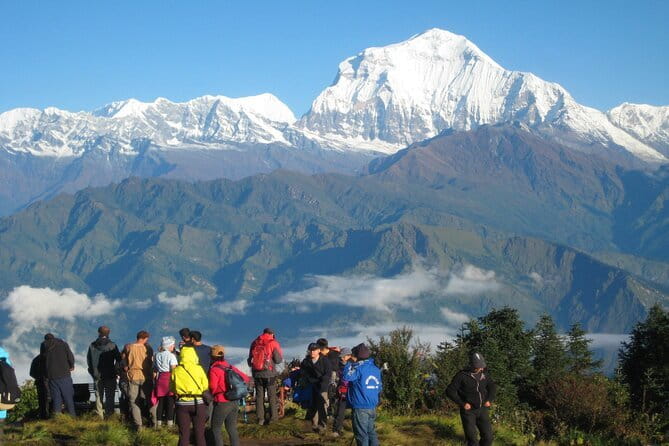
Day 5 is the big emotional moment: an early climb to Poon Hill at 3,210m for sunrise. This isn’t only about one dramatic photo. Poon Hill is a top viewpoint in the Annapurna region and gives you sweeping views over Mustang and Pokhara, with more than 20 high peaks visible on clear days. The best part is that Annapurna and Dhaulagiri ranges show up close enough to feel real.
After sunrise time and coffee/tea/hot chocolate at the viewpoint area, you hike back down to Ghorepani for breakfast. Then you head east and climb a nearby ridge, dropping into rhododendron forests and passing waterfalls before reaching Tadapani for the night.
What to watch for: rhododendron trails can feel slick and muddy when the weather turns. Also, you’ll likely be slightly tired from the early morning. That’s normal. Hydrate, eat, and keep your pace steady on the ridge climb.
Chhomrong and the Annapurna South feel: where the mass becomes personal
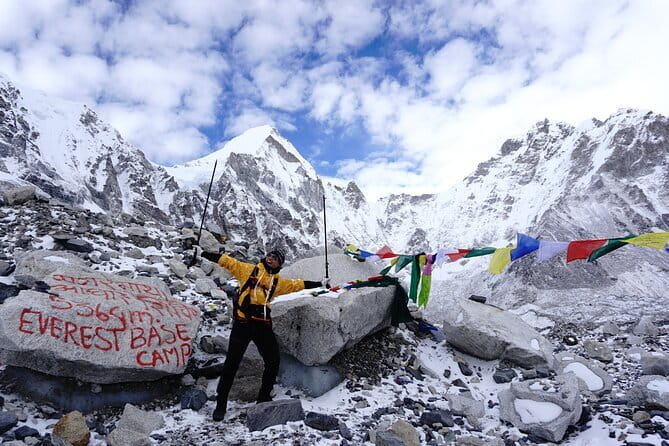
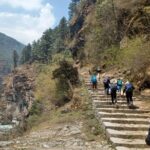
Day 6 begins with descent through a rhododendron forest before the trail opens into terraced fields. You’ll climb uphill for around 5km, then walk past waterfalls and cross a suspension bridge. These bridges pop up often in Nepal’s hills, and you’ll get used to the sway. It’s one of those “my body is nervous, my brain is fine” moments.
By the end of the day you reach Chhomrong, a village right below the giant Annapurna massif. Staying here is meaningful because it changes how you experience the mountain: instead of distant shapes, you start feeling like you’re in the mountain’s shadow. The terrain also becomes more “trekking-specific”—stone, steps, and consistent up-and-down.
Day 7 continues from Chhomrong with stone steps and a suspension bridge to Chhomrong Khola. You climb to Sinuwa, then pass through forests and through Kuldihar before heading down to Bamboo for the night. This day is a classic rhythm day: steps, crossings, forest sections, and enough variation to avoid monotony.




Bamboo to Deurali: colder bamboo, then sparser views and sharper valley angles
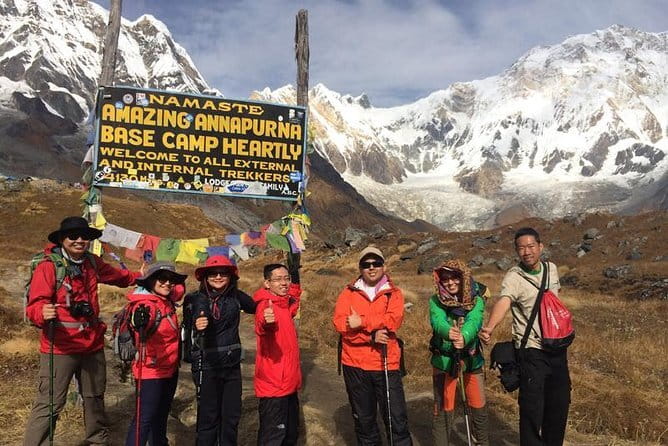
Day 8 starts with a bamboo forest that’s damp and cold. That damp chill can sneak up on people who feel warm during the first part of the morning. The forest eventually opens near Himalaya Hotel, and you get sun again with striking views of the glacial river below.
The climb continues through a drier forest before reaching Hinku Cave. From there, the trail descends to a river and then climbs up to Deurali. This stretch is more about keeping traction and managing energy than about speed.
Deurali rewards you with views of surrounding hills and Mt. Dhaulagiri. Vegetation becomes sparse, and that means you get clearer valley lines and cliffs with waterfalls. In other words: the scenery gets sharper as the trail goes higher.
Annapurna Base Camp day: the goal, the gorge, and the moment you feel small
Day 9 is where the trek’s promise becomes the trek’s reality. You follow a valley trail with a steady climb, sometimes steep and sometimes hugging a rocky cliff. After a flatter section, you ascend to Machhapuchhre Base Camp. From there, the views broaden to peaks like Hiunchuli, Annapurna South, Annapurna I, Annapurna III, Gandharvachuli, and Gangapurna.
Then the trail turns left and the climb becomes gentler as you keep moving toward Annapurna Base Camp. As you get closer, the panorama continues to expand. Finally, you reach the base camp area, surrounded by magnificent peaks, and you understand why this part is called a sanctuary: the only way into the area is through the gorge you’ve already hiked.
This is the day you’ll want to keep your expectations practical. Altitude can make you feel slower than usual. Let the achievement land without racing for it.
The long downhill truth: letting your legs recover on the way back
Day 10 goes downhill from Annapurna Base Camp. The route drops past Machhapuchhre Base Camp, Deurali, Himalayan Hotel, Doban, and finally down to Bamboo for the night.
Even when it’s downhill, it’s still trekking. Your knees take work. Think shorter steps, controlled descents, and good footwear. This is the day where packing a little patience pays off big.
Chhomrong backtrack and Jhinu Danda: rain forest walking and a chance to reset
Day 11 retraces steps back to Chhomrong for lunch, then continues with a steep descent into the Modi Khola valley. The stone steps return too, which means you’ll feel that earlier effort all over again—but by now you know the rhythm.
You reach Jhinu Danda after descending through rain forests and farms. The afternoon is set aside for resting and relaxing. That matters, because you’re not just doing “the trek.” You’re also managing your recovery so tomorrow’s final leg and transfers don’t feel like a slap.
Final day to Matque and the drive to Pokhara: you trade altitude for comfort
Day 12 leaves Jhinu Danda for the final leg on hill landscapes in western Nepal. You reach Matque and begin a drive back to Pokhara, about two hours away, with lunch on the way.
This is where the trip shifts from hiking time to city time. You check into your Pokhara hotel, rest, then do a half-day sightseeing tour. It’s a nice bridge day: enough to celebrate, not so packed that you feel rushed.
Flights, farewell dinner, and one last Himalaya side-of-plane tip
Day 13 includes a flight from Pokhara to Kathmandu. The guidance here is to sit on the left side of the plane for amazing mountain views. When you arrive, you check into your Kathmandu hotel and finish the day at leisure—shopping, landmarks you missed, or just eating food that feels familiar.
In the evening there’s a farewell dinner to mark the end of the journey. Those last meals matter on trek trips, because you’ll be comparing tea-house food memories like they’re football stats.
Day 14 is the wrap-up. A Himalayan Glacier representative escorts you to the airport about 3 hours before your flight. If you’re extending your stay, they can help arrange extra activities, but the trek itself ends cleanly here.
Price and logistics: why $860 can be a good deal (and what still costs extra)
At $860, this trek is priced like a full package rather than a bare-bones hike. What’s included adds real value: private airport transfers, Kathmandu and Pokhara hotels with breakfast, teahouse accommodation during trekking, and all trek meals (breakfast, lunch, dinner). You also get domestic flights (Kathmandu–Pokhara–Kathmandu), guided city touring in Kathmandu, and all necessary permits (ACAP and TIMS).
On the support side, you’re not only paying for scenery. You’re paying for an experienced, English-speaking licensed trek leader and assistant leader, plus porter service (carrying luggage so you can focus on walking). In trek reality, that can be the difference between finishing strong and finishing barely functional.
You also get trekking gear: a down jacket and sleeping bag are provided and returned after the trip. That reduces the cost and hassle of bringing cold-weather gear from home.
What’s not included is also important to budget: Nepalese visa fee, travel and rescue insurance, tips for guide(s), porter(s), and drivers, and personal expenses like phone use, laundry, charging batteries, and bottles/boiled water. If you’re thinking about a single room, there’s a single supplement request option, listed as USD 425.
Cancellation is free up to 24 hours before the start time for a full refund, and if poor weather cancels the experience you’ll be offered a different date or a full refund. That’s useful in a high-weather-dependence trek.
Safety, guides, and that small-group feel that matters on tough days
The strongest praise in the feedback you shared isn’t about views alone. It’s about care and communication. People specifically mention guides managing schedule well even when weather was challenging, and that leadership helped keep the trip on track.
I’m also glad the trip design includes a sensible support system: maximum 12 trekkers, an assistant guide for the defined group ratio, and porters for luggage (not for you). The company also states that if someone gets sick, the trip can still go ahead as planned, which tells me they plan around real-world issues instead of pretending everyone is invincible.
One more safety note: the trek leader has authority to amend or cancel parts of the itinerary if needed for safety, and you can’t control weather. Build in flexibility, and don’t treat the trek like a rigid checklist.
Best season choices: when the views actually show up
This trek runs best in autumn (September to November) and spring (March to May), with sunny, warmer weather and outstanding views. If you want fewer crowds and you’re comfortable with cold, winter (December to February) is also an option. Plan for colder nights and early starts if you pick winter.
You should be prepared for altitude effects too. The trek notes you’ll reach up to 4,130m on moderate trails with daily ascends around 400–700m, and you’ll face lower oxygen on some days. Previous hiking or camping experience is helpful, and a positive attitude is part of the gear list.
Who should book this Annapurna Sanctuary Trek
You’ll probably love this if you want:
- a trek that hits Annapurna Base Camp without feeling like a sprint
- a plan that includes Poon Hill sunrise plus major viewpoints, not just one summit goal
- structured cultural days in Kathmandu before you hike
You might think twice if:
- you hate stairs and rough trail surfaces (there are plenty of stone steps)
- you’re not comfortable with long walking days at altitude
- you want a completely hands-off experience with no physical effort (this trek still demands stamina)
Should you book it?
Yes, if you want a well-run trek with strong support and you’re excited by the mix of city culture and serious mountain walking. The included permits, meals, key transport legs, and the gear bundle make the $860 pricing feel less like paying for logistics and more like paying for a trip that runs smoothly.
If you’re choosing based on comfort, don’t overpromise yourself: teahouses are part of the deal, and higher elevations limit room choices. But if you show up ready to walk, drink water, and move at a steady pace, this is the kind of Annapurna trip that sticks with you—especially after the sunrise and that final gorge-to-base-camp moment.
FAQ
How long is the Annapurna Sanctuary Trek?
The duration is listed as 14 days, approximately.
Where does the trip start and how do you get picked up?
The trip is in Kathmandu, Nepal. On arrival at Tribhuwan International Airport, you are met by a Himalayan Glacier representative and escorted to your hotel.
What is the main trekking goal?
The trek is designed to reach the Annapurna Sanctuary area and the Annapurna Base Camp.
Do you visit Poon Hill?
Yes. You climb to Poon Hill for sunrise views, then return for breakfast before continuing the trek.
Where do you stay during the trek?
You stay in teahouses during trekking.
What meals are included?
All meals (breakfast, lunch, and dinner) are provided during the trek. In Kathmandu and Pokhara, breakfast is included, and there are welcome and farewell dinners.
Are permits included?
Yes. The package includes necessary trekking permits (ACAP and TIMS).
Are flights included?
Yes. Domestic flights from Kathmandu to Pokhara and back to Kathmandu are included.
What support do you get for luggage and guidance?
You travel with an experienced English-speaking trek leader and assistant leader, plus porter service (2 trekkers per porter). The trip has a maximum group size of 12.
What costs extra that I should budget for?
Not included are the Nepalese visa fee, travel and rescue insurance, tips, and personal expenses such as phone calls, laundry, battery recharge, bottle or boiled water, and shower-related costs.