REVIEW · OSH
8 Days Private Tour at Lenin Peak Base Camp Trek
Book on Viator →Operated by Visit Alay - Travel Company · Bookable on Viator
Another planet hides in Kyrgyzstan’s mountains. This private trek stacks big altitudes and big views, with the Sary Mogul Pass (4,306m) and dramatic sightlines toward Lenin Peak (7,134m). You’ll also get real day-to-day life touches through homestays and yurt camps.
I really like the way the route blends physical challenge with culture, especially the chance to sleep in traditional yurts and meet Kyrgyz shepherds. The trip is also well-supported for a remote area, with an English-speaking mountain guide, luggage horses/horsemen, and home-cooked meals arranged along the way.
One drawback to consider: this is not a casual hike. Several days climb steeply at high elevation and can involve loose scree, so you’ll want strong fitness and a calm attitude toward altitude and changing weather.
In This Review
- Key Highlights You’ll Notice Fast
- From Osh to Kojokelen: Starting in Real Rural Kyrgyzstan
- Three Dragon Gorge to Kichik Alay Views: Day 2’s Real Gorge Drama
- Koshmoinok Pass Country: A Steeper, Longer Day with Village Lunch
- Sary Mogul Pass at 4,306m: The Other-Planet Moment
- From River Walk to Tulpar Kol: Easier Hiking, Real Shepherd Life
- Camp One at the Foot of Lenin: Day 6’s Hard Climb with Weather in Mind
- Yukhina Peak at 5,130m: Glacier Views and Thin-Air Work
- Back to Tulpar Kol and Down to Osh: Finishing Cleanly
- The Real Value in Price: What $1,400 Buys You Here
- Support, Guides, and Safety Feel: What to Expect Day-to-Day
- Who This Trek Fits Best (and Who Might Want Another Option)
- Should You Book This Lenin Peak Base Camp Trek?
- FAQ
- FAQ
- What time does the trek start?
- Where do we meet for the tour?
- How long is the private trek?
- Is pickup offered from Osh?
- What kind of accommodation do you use during the trek?
- What meals are included?
- Do I need strong fitness for this trek?
- What happens if weather is poor?
Key Highlights You’ll Notice Fast
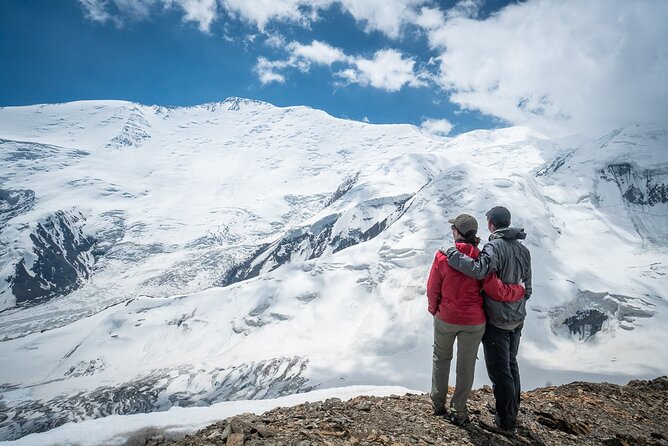
- Sary Mogul Pass at 4,306m: zigzag scree ascent, then glaciated peaks and alpine lakes appear as you reach the top
- Yurt nights and homestays: you’ll sleep at family-run places before transitioning to a yurt camp near base-camp country
- A challenging peak day at Yukhina Peak (5,130m): thin air, steep climb, and glacier views
- Support where it counts: English-speaking mountain guide plus luggage horses/horsemen
- Community-based tourism: your trip directly supports local households and local hosting
- Private format: it’s just your group, not a crowded cattle-car trek
From Osh to Kojokelen: Starting in Real Rural Kyrgyzstan
This week starts in Osh, then trades city life for foothills and quiet roads. You’ll drive about 95 km (around 4 hours) from Osh City to Kojokelen village (2,200m), which sets the pace: today is mostly travel plus an easy reset before hiking begins.
Once you arrive, you’ll shift from paved-road mode to mountain rhythm. There’s time for a short walk above the village to take in the gorge scenery, then you’ll have a home-cooked dinner with an overnight at a family-run guesthouse. That first night matters because it’s not a generic hotel stop. It’s your first taste of the way this region hosts hikers.
What to watch for: after a long driving day, the best thing you can do is move slowly that evening. Keep water handy, eat normally, and avoid sprinting into the first night camp story with big excitement. Altitude doesn’t care about good vibes.
You can also read our reviews of more tours and experiences in Osh.
Three Dragon Gorge to Kichik Alay Views: Day 2’s Real Gorge Drama
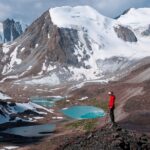
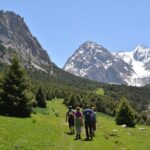
Day 2 begins with an early goodbye to your hosts and a proper start: crossing a wooden bridge and then climbing for 7–8 hours. Expect a steep uphill push with gorge scenery that includes giant red rock formations and a famous-feeling section called the Three Dragon Gorge.
This is one of the days where the payoff comes from the act of climbing. As you gain height, views open toward the Kichik Alay Mountains, and on clear moments you can even see snow-covered Pamir country in the distance. The trail then winds along hillsides, so you get that “walk with the horizon in view” feeling rather than feeling boxed in.
By the end of the day, you’ll descend into a quieter pocket and finish at the next village area.
A practical tip: wear shoes you trust. The early uphill is long, and loose footing becomes more annoying the more tired you get. If you’re new to hiking like this, this is the day to learn what your ankles like.
Koshmoinok Pass Country: A Steeper, Longer Day with Village Lunch
Day 3 is the second big effort. You’ll cover around 20 km with roughly 1,749 m of ascent, so this is where your legs earn the next views. The hike starts steep through grass meadows and pasture areas, hitting Koshmoinok Pass (3,210m).
The moment you reach the pass, the experience changes. From the high point, the trail shifts down through evergreen trees and continues along the edge of the valley until you reach Kyzyl Shoro village. You’ll stop there for lunch at a homestay, which is a welcome break from the constant motion.
After lunch, you get a flatter stretch before heading back into climbing mode. The route turns south and begins a steep climb described as a 9 km ascent along a well-trodden path through fields and pasture areas.
Possible drawback: this is a day where fatigue can sneak in. You’ll feel fine at hour 2 and then suddenly wish for a lighter pack at hour 6. Keep your schedule mindset steady: take breaks before you feel wrecked, not after.
Sary Mogul Pass at 4,306m: The Other-Planet Moment
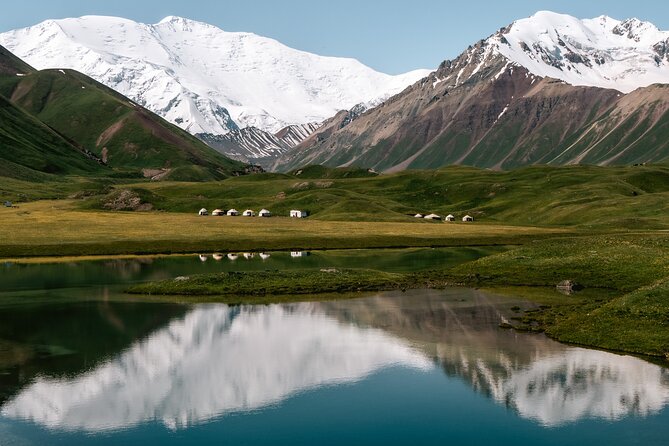
Day 4 is the emotional peak for many hikers because the pass is so high and so visually dramatic. You’ll hike to Sary Mogul Pass (4,306m) with a climb that tops out after a gradual approach along a stream, then turns into a steep push over loose scree.
The ascent is described as a barely seen trail in zigzag formation on scree. That detail matters. Loose rock can feel slow even when you’re moving steadily, so your goal isn’t speed. Your goal is rhythm: one careful step, then the next.
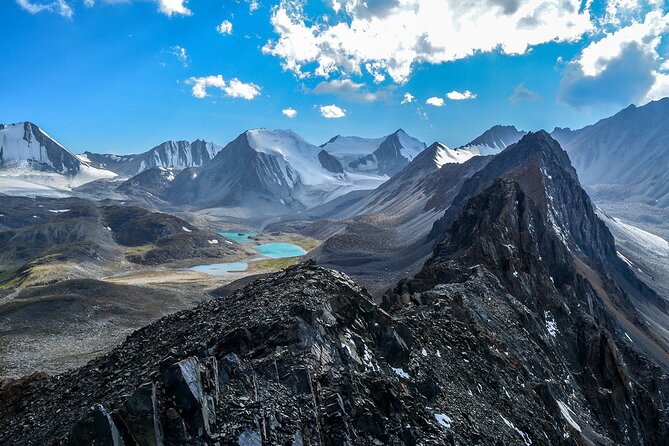
When you arrive at the pass, the area around you starts looking glaciated. You’ll see glaciated peaks and alpine lakes as the world opens up. It’s the kind of view that makes you stop talking for a while, then go back to talking because everyone else is also staring.
On the descent, conditions can get tricky. Parts of the trail are narrow and made mainly of scree, so you’ll want a careful pace and solid balance.
What I’d do in your shoes: use trekking poles if you have them, especially going downhill. Scree can steal stability fast.
From River Walk to Tulpar Kol: Easier Hiking, Real Shepherd Life
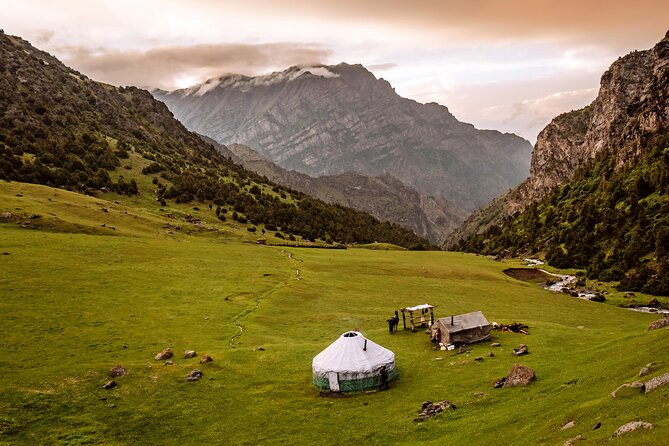
Day 5 is your relief day in the best way: an easier walk along a river toward Sary Mogul village. You’ll cover about 15 km in 4 hours, with minimal ascent, which is great after the pass.
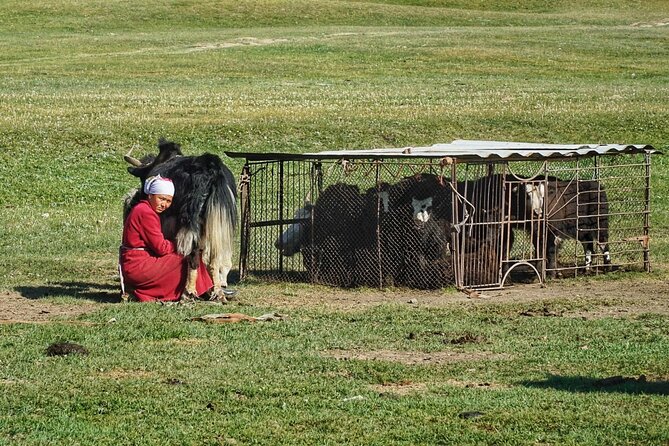
On this stretch, you’ll pass shepherd activity and see yurts of shepherds tending livestock. This is one of those moments where you realize the mountains aren’t just scenery; people live their working days here.
You’ll arrive at a homestay for a home-cooked lunch, plus time to take care of basic comfort needs. The plan notes you can take a shower and enjoy Wi‑Fi. That’s a rare, welcome perk in a remote trek week.
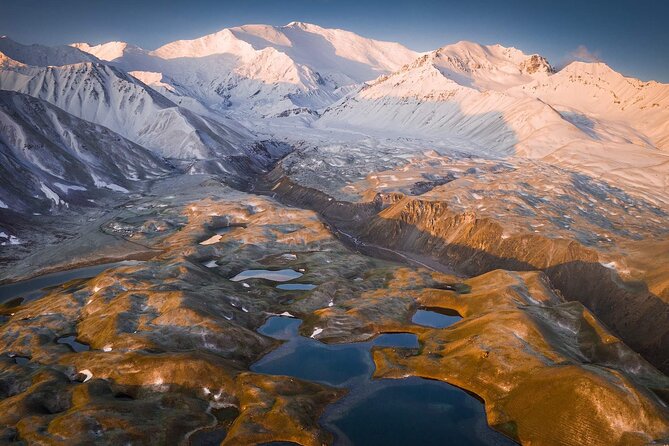
After lunch, a driver brings you to a yurt camp at Tulpar Kol near Lenin Peak Base Camp (about an hour). Tulpar Kol is described as a series of lakes set in the foothills of the Pamir Mountains, and it’s considered a great photography area with easy walking around camp.
Then comes dinner and your overnight in the yurt camp.
Camp One at the Foot of Lenin: Day 6’s Hard Climb with Weather in Mind
Day 6 is the hardest part of the circuit. You’ll start early and trek roughly 15 km with around 910 m ascent and about 280 m descent, heading south from Tulpar Kol toward Camp One (around 4,400m) at the foot of Lenin Peak.
As you go, you pass by mountaineering camps, which adds a different tone to the scenery—more “expedition base” feel, less village-to-village life. The plan then has you climb toward Traveler’s Pass, described as steep switchbacks to more views across the Pamirs.
After summiting the pass, you’ll descend for lunch, and the plan includes an amusing detail: lunch time comes with marmots in the area. It’s one of those reminders that at this altitude, wildlife is also living on a schedule.
In the afternoon, you face a gradual climb toward Camp One. The last stretch is noted as challenging uphill, complicated by often adverse weather conditions.
What to consider: if you’re prone to feeling discouraged during hard uphill slogs, mentally prepare now. This day isn’t a “push until you’re done” day. It’s a “stay steady and protect your energy” day.
Yukhina Peak at 5,130m: Glacier Views and Thin-Air Work
Day 7 starts with early exploration of the glacier area—crevices and glacier features in the valley are part of the morning plan. Then comes a steeper climb to Yukhina Peak (5,130m).
This is a major altitude hike: about 6 km total, 6–7 hours moving time, and close to 700 m ascent and descent. The route is described as a steep ascent requiring 4–5 hours, and the plan calls out thin air as part of the challenge.
From the top, you get massive glaciated peaks and huge open views. Then you eat lunch on the peak, and later return to Camp One for dinner.
In multiple experiences tied to this region, the guide teams are described as calm and good at keeping everyone moving safely, even when conditions get rough. Names like Musa and Kubat show up in feedback for guiding style, organization, and keeping hikers comfortable during tough moments.
Best strategy for you: don’t treat Yukhina Peak like a cardio race. Slow is faster when altitude is involved.
Back to Tulpar Kol and Down to Osh: Finishing Cleanly
Day 8 is a “return and decompress” day. After breakfast, you trek back to Tulpar Kol, where your driver is waiting. You’ll have lunch at Tulpar Kol, then transfer back to Osh.
The plan notes the experience ends back at the starting meeting point area, which keeps things tidy on the final day. It’s a good way to close the loop after a week where the biggest changes happen in the mountains, not in logistics.
A practical note: after days of climbing and high elevation, your body will be tired even if the last day isn’t the hardest. You’ll likely want early sleep that night in Osh, even if you feel mentally wired.
The Real Value in Price: What $1,400 Buys You Here
At $1,400 per person for an approx. 8-day private trek, the key question is: what’s included, and what’s avoided.
What you get:
- Private transportation
- Accommodation across the trek: guesthouses, yurt camps, and tents
- An English-speaking mountain guide
- Luggage horses and horsemen (huge for comfort on multi-day trails)
- A border permit
- Meals: 7 breakfasts, 7 lunches, and 7 dinners
What you don’t get:
- Hotel and meals in Osh (before/after the trek)
- Health/travel insurance
- Alcohol and soft drinks, plus coffee/mineral drinks
For this kind of route—remote, high altitude, and with a required permit—this price can make sense if you value guided safety, reduced carrying burden, and meals handled for you. If you were doing this independently, the hidden costs are usually permits, local logistics, and the time needed to coordinate lodging and guides.
Also, because it’s private, the flow can be better for your group’s pace. You’re not stuck with someone else’s gear speed or bathroom schedule. It’s your week in the mountains.
Support, Guides, and Safety Feel: What to Expect Day-to-Day
Across the experiences associated with this trek area, guides are described as friendly, attentive, and steady. Names like Baiysh, Musa, and Kubat show up alongside comments about organization and feeling safe even when conditions changed.
That matters because high passes aren’t just “pretty hard.” They can involve sudden weather and tricky trail surfaces, especially described around the pass terrain and scree sections. When a guide reads the terrain well—especially on descent—your whole week feels less stressful.
What you can do to help: be honest about your pacing. If you feel the altitude, tell your guide early rather than trying to prove toughness.
Who This Trek Fits Best (and Who Might Want Another Option)
This trek fits best if you:
- Have strong physical fitness
- Want a mix of mountain challenge and real homestay/yurt experiences
- Prefer the extra support of an English-speaking guide and luggage horses
- Like the idea of sleeping at Camp One and hiking up to Yukhina Peak
It might be less ideal if you:
- Struggle with steep uphill days at altitude
- Want a purely easy walking vacation
- Are looking for luxury comforts in remote locations (you’re in yurt-and-guesthouse world)
If you’re altitude cautious but still interested, don’t assume you can just “tough it out.” You can reduce risk with pacing and preparation, but the hike itself is still demanding.
Should You Book This Lenin Peak Base Camp Trek?
I’d recommend booking if your idea of a great trip is a serious mountain week with real people hosting you along the way—plus those standout high-pass views that feel almost unreal. The combination of Sary Mogul Pass, yurt life at Tulpar Kol, and the climb to Yukhina Peak gives you both the dramatic scenery and the human side of the region.
I wouldn’t book if you’re seeking mostly flat hiking, guaranteed mild weather, or a low-effort itinerary. The route is challenging by design, and the terrain includes steep climbs and scree descents at real altitude.
If you’re on the fence, ask yourself one question: can you handle a week where the scenery is stunning precisely because it’s hard to get to?
FAQ
FAQ
What time does the trek start?
The start time is 8:00 am.
Where do we meet for the tour?
You meet at the CBT Osh tourist information center, str. Ergesh 190, Aliev, Osh 723500, Kyrgyzstan.
How long is the private trek?
It’s an approx. 8-day experience.
Is pickup offered from Osh?
Yes, pickup is offered.
What kind of accommodation do you use during the trek?
You sleep in a mix of guesthouses, yurt camps, and tents, depending on the day.
What meals are included?
Breakfast (7), lunch (7), and dinner (7) are included during the trekking days.
Do I need strong fitness for this trek?
Yes. The trip is intended for travelers with a strong physical fitness level, because several days are strenuous and involve high altitude.
What happens if weather is poor?
The experience requires good weather. If it’s canceled due to poor weather, you’ll be offered a different date or a full refund.